Bible Piercing: Meaning, Symbolism, and Safe Aftercare Tips
Bible Piercing: Meaning, Symbolism, and Safe Aftercare Tips
The term bible piercing can refer to a range of ideas, from symbolic body art inspired by biblical themes to the careful, informed practice of actual body piercing that carries meaning rooted in faith, devotion, or personal testimony. This article explores the meaning, symbolism, and practical, safety-minded aftercare that people seek when they pursue a tattooed or pierced expression tied to biblical motifs. By examining meaning, symbolism, and safe aftercare, readers can understand how such practices function within different communities, how to contemplate them thoughtfully, and how to care for a new piercing if one chooses to pursue it. We will use a broad, respectful lens, recognizing that interpretations vary widely across cultures, denominations, and personal journeys.
When people speak of a bible-inspired piercing, they often refer to an intentional, personal act of body modification that carries religious or spiritual significance. This significance can take many forms, from a public confession of faith to a private reminder of personal vows, values, or biblical passages. The underlying intent is not merely decorative; it is about remembrance, identity, and an expression of what the Bible represents for the wearer. In some cases, the jewelry itself is chosen for symbolic resonance—crosses, ichthys (the fish symbol), doves, or other scriptural motifs—while in other cases, the wearer might inscribe or engrave verses, names, or symbols that echo a biblical message.
It is important to note that the concept of a bible piercing is diverse. For some communities, a biblically themed adornment aligns with cultural traditions of marking important life events or commitments. For others, the concept may be more about a personal spiritual journey—an outward signal of inward conviction rather than a public statement. Because beliefs about physical modification differ widely, the meaning of a bible-inspired piercing can be deeply personal, evolving over time, and shaped by one’s own encounter with religious texts, church communities, and personal conscience.
Symbolism and Interpretation of Bible Piercings
Symbolism in biblically inspired piercings often centers on familiar biblical symbols and on the idea of inner illumination made tangible through the body. Below are several common themes and how they tend to be interpreted. These interpretations are not universal; they illustrate possibilities rather than universal mandates.
Cross and Christian Iconography
The cross is by far the most recognized symbol in Christian contexts. A piercing that features a cross either as a part of the jewelry design or as the engraving on a piece can symbolize faith, sacrifice, redemption, and a commitment to live by Christian principles. For some, a cross pendant or a cross-shaped barbell is a daily reminder to cultivate compassion, humility, or perseverance.
Some wearers choose jewelry that bears short verses, initials of scripture, or the ichthys (the ancient fish symbol). These additions can function as a personal covenant, a way to carry a living reminder of a chosen verse, or a means to spark conversations about faith. When verses are engraved or displayed, the wearer may find that the piercing becomes a catalyst for study, reflection, or spiritual disciplines.
Other Biblical Motifs
Dove—often associated with peace and the Holy Spirit, symbolizing renewal or divine guidance.
Olive Branch—a token of peace, reconciliation, or healing.
Lion of Judah or other biblical emblems—representing courage, strength, or divine protection.
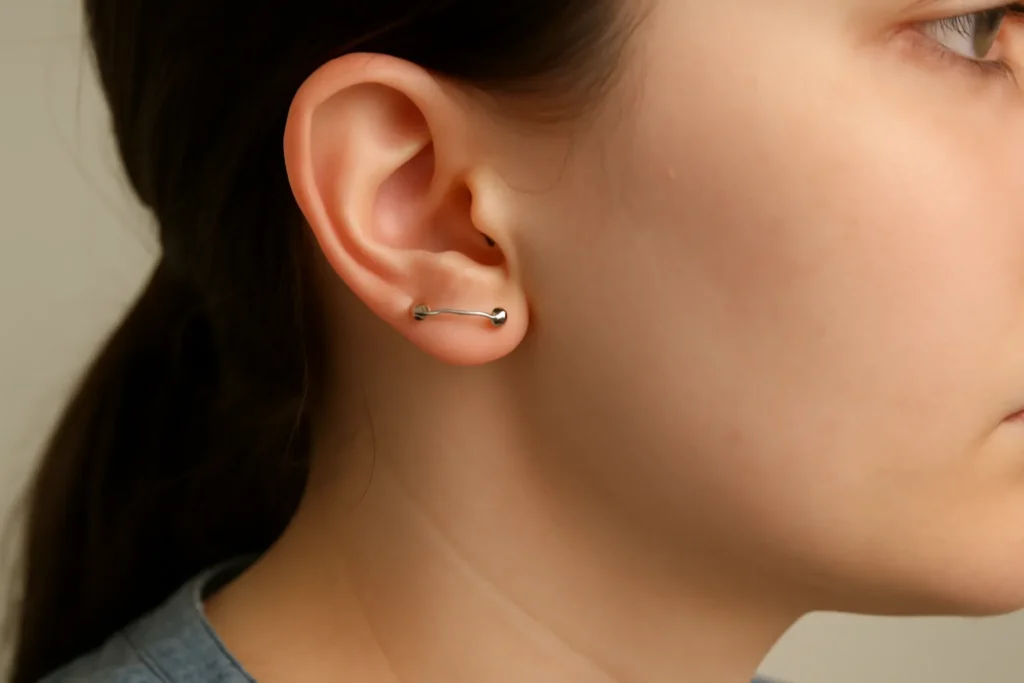
Symbolism also arises from the choice of placement and the type of jewelry. For example, a small, discreet piece near the ear or collarbone may reflect a private commitment, while another wearer may showcase a more conspicuous arrangement to express public faith. The placement, design, and materials all contribute to the symbolic meaning, making each bible-inspired piercing unique to the wearer.
Designs, Motifs, and Placement Considerations
In this section, we explore how people translate biblical themes into designs, as well as practical considerations about where and how to place a piercing. The goal is to balance aesthetics with meaning, safety, and personal comfort.
Popular Motifs and Jewelry Styles
Cross pendants on studs, hoops, or barbells; can be simple or ornate, with options for antique finishes or modern minimalism.
Inscriptions on small plates, plaques, or curved barbells that carry a verse or phrase.
Symbolic talismans like ichthys, doves, or olive branches integrated into the jewelry design.
Gem symbolism—colored stones chosen to reflect biblical themes (e.g., blue for heavenly realms, red for sacrifice or blood, green for renewal).
Common Placements
Earlobe or ear cartilage piercings are popular for visible symbolism without requiring extensive healing time.
Nose piercings can carry strong personal or symbolic meaning, and can be styled with small crosses or etched beads.
Eyebrow or lip piercings may be chosen for more discreet or bold expressions, depending on the wearer’s preference.
Tongue or septum piercings—these placements tend to be more controversial in some religious contexts, so thoughtful consideration and community norms are essential.
Chest or collarbone area piercings often pair with engraved plates or pendants that echo biblical verses or symbols.
When choosing a placement for a bible-inspired piercing, consider cultural norms in your community, your workplace policies, and personal comfort. Some settings are more accepting of visible body modification, while others are not. It is also wise to think about how a piercing may be perceived by family, fellow believers, and leaders within religious communities. The goal should be to align your expression with your values while staying mindful of safety and respect for others.
Cultural Contexts, Ethics, and Respectful Expression
Cultural and ethical considerations play a significant role in whether and how bible-inspired piercings are received. Religious communities span a broad spectrum—from those that embrace body art as a form of witness or personal devotion to those that caution or discourage modifications based on interpretations of religious law or tradition. Understanding this spectrum helps individuals navigate conversations, expectations, and potential conflicts with sensitivity.
Historical context: throughout history, many cultures have used body modification to mark rites of passage, spiritual dedication, or membership in a group. The biblical world itself shows a range of cultural practices, which modern readers interpret through the lens of faith and personal conscience.
Denominational differences: some denominations may encourage modesty and discourage visible piercings, while others view piercings as an acceptable form of self-expression or even a form of evangelism.
Personal conscience: for many people, a bible-inspired piercing is a deeply personal decision involving prayer, reflection, and conversations with trusted spiritual mentors or leaders.
Respect for others: if you choose a symbol that references sacred texts, approach conversations with humility, avoiding coercion or judgment, and recognize that others may hold different beliefs or sensitivities.
Safety First: Aftercare Tips for Bible-Inspired Piercings
Ensuring healing and minimizing risk is essential for any new piercing, including those inspired by biblical symbolism. Aftercare helps prevent infections, reduces irritation, and supports comfortable healing. The guidance below reflects general best practices used by reputable piercers and health professionals. Always follow the advice of your specific piercer, as services, jewelry materials, and aftercare protocols can vary.
Leave the initial jewelry in place as directed by your piercer. Do not twist, remove, or change the jewelry during the initial healing period unless advised.
Clean hands before any care; wash with mild soap and water or use a hand sanitizer that is fragrance-free and alcohol-free if necessary.
Rinse with saline solution or follow your piercer’s recommended cleaning protocol to remove bodily fluids and minimize crust formation.
Avoid makeup, lotions, and oils around the piercing area during the healing stage to reduce irritation and clogging of the piercing site.
Daily Cleaning and Care
Saline soaks or spray: typically 2–3 times per day for the first 6–8 weeks, then taper as advised by your piercer. Use a simple saline solution (1/4 teaspoon non-iodized salt to 1 cup warm distilled water) or a sterile saline spray recommended by the shop.
Gentle cleansing: clean around the piercing with a soft, clean cotton pad or gauze; avoid aggressive scrubbing, scrubbing brushes, or harsh chemicals.
Drying: gently pat dry with a clean paper towel or allow the area to air dry. Do not rub the area with cloth towels which can harbor bacteria.
Avoidances During Healing
Submersion in chlorinated pools, hot tubs, lakes, or oceans should be avoided for at least the first two weeks or as advised by your piercer to prevent infection.
Swimming in public pools or natural waters too soon can introduce bacteria to the healing site even if the water seems clean.
Oral care: if you have a mouth piercing, be mindful of foods and beverages that can irritate the site. Use a mouth rinse free of alcohol if recommended by your practitioner, and avoid spicy or acidic foods that can aggravate healing.
Exposure to irritants: avoid tight clothing, headphones, or jewelry that repeatedly rubs against the piercing. For facial or ear piercings, consider adjusting hair or headwear to minimize friction.
Material and Jewelry Considerations
The material of the jewelry can influence healing. Some individuals experience fewer issues with high-quality materials such as surgical-grade stainless steel, niobium, titanium (astandard or implant-grade), or biocompatible gold. If you experience itching, redness, or swelling beyond typical healing, consult your piercer or a medical professional for advice on material changes or potential allergies. When you see a professional, you can discuss options such as swapping to a different metal or a shorter healing jewelry piece to reduce irritation.
Signs of Optimal Healing
Reduced redness around the site within the first two weeks.
Decreased swelling and absence of persistent warmth.
Crusts diminishing and discharge turning clear or nearly absent over time.
Pain lessening after the initial healing phase, with occasional tenderness during cleaning or movement but no persistent throbbing.
When to Seek Medical Attention
Most minor irritations resolve with proper aftercare, but you should seek medical attention if you notice any of the following signs of infection or complication: persistent or increasing redness, warmth, swelling beyond the initial days, severe or persistent pain, fever, yellow or green discharge with foul odor, or allergic reaction such as hives or widespread itchiness. If you develop systemic symptoms such as fever, vomiting, or dehydration, seek urgent medical care. These concerns are not limited to any particular symbol or motif but are critical for any new piercing to ensure safety and health.
Myths, Misconceptions, and Clear Facts
Misconceptions about bible-inspired piercings can cloud judgment or lead to unsafe decisions. Here are a few common myths contrasted with factual guidance:
Myth: "Religious texts forbid all body modifications." Reality: Attitudes toward body art vary widely across traditions, denominations, and communities. Some view modifications as permissible or even meaningful, while others prefer restraint. The decision should involve personal faith, community norms, and informed choice, not fear or coercion.
Myth: "A piercing with biblical symbols will automatically reflect spiritual virtue." Reality: Symbolism is a personal language. The meaning comes from the wearer’s intentions, actions, and how they live out their beliefs, not merely from the jewelry itself.
Myth: "Healing times are the same for all piercings or all people." Reality: Healing rates depend on placement, anatomy, aftercare, and health. Always follow the specific guidance given by your piercer and monitor your body’s response.
If, after reflection, you decide to pursue a bible-inspired piercing, here are practical steps to approach the process mindfully and safely.
Research heavily. Look for reputable piercing studios with certified professionals, clean facilities, and strong hygiene standards. Read reviews and ask questions about aftercare protocols and materials used.
Discuss symbolism. Talk with your piercer about the symbol you want, placement options, and how the symbolism resonates with your personal faith journey. A good piercer will help you select a design that aligns with your intentions and minimizes risk of irritation or misinterpretation.
Ask about materials. Confirm that the jewelry is made from medical-grade materials appropriate for new piercings, particularly if you have metal sensitivities or allergies.
Plan for downtime. Some placements require a period of reduced activity (e.g., avoiding contact sports or heavy facial movement). Make arrangements for healing that fit your daily life and responsibilities.
What is the best material for a bible-inspired piercing?
Most professionals recommend high-quality materials such as surgical-grade stainless steel, titanium, niobium, or implant-grade gold. The best choice depends on your skin, allergy history, and the piercing location.
How long does it take for a bible-themed piercing to heal?
Healing times vary by placement. Ear lobes often heal within 6–8 weeks, cartilage can take several months, and facial piercings may require 2–6 months. Always follow your piercer’s healing timeline and aftercare instructions.
Can I wear religious jewelry if I already have an existing piercing?
Yes, but choose jewelry that is comfortable and appropriate for the healing stage. If you are changing jewelry, ensure you do so with sterile tools and in a clean environment, or have a professional perform the change.
What if the symbol I want is not allowed in my religious community?
Discuss respectfully with community leaders, mentors, or spiritual advisors. Some people choose to keep their personal expression private in certain contexts while maintaining their faith publicly in other ways. Personal conscience and interpretation matter greatly here.
A bible-inspired piercing, when undertaken with thoughtful intention and careful attention to aftercare, can be a meaningful form of personal expression that reflects one’s faith journey, devotion, or quest for symbolic reminders in daily life. The key is to approach the decision with a combination of self-reflection, respect for others, and a commitment to safety. By understanding the meanings behind biblical symbols, exploring the symbolic potential of different motifs, and adhering to safe aftercare practices, you can pursue a biblically themed adornment that enhances your sense of purpose without compromising health or well-being.
Whether you refer to it as a bible piercing, a scripture-inspired piercing, or a biblically themed body modification, the essential elements remain the same: purpose, care, and respect. The fusion of faith and body art invites conversation, reflection, and personal growth—an ongoing journey rather than a single moment. If you are curious, consider talking with a trusted piercer, a spiritual mentor, or both to explore how this form of expression might best fit your beliefs, your body, and your life.
Ultimately, the decision to pursue a bible-inspired piercing should be grounded in personal conviction, informed consent, and practical safety. When done thoughtfully, it can serve as a powerful reminder of faith, a beacon for personal accountability, and a beautiful example of how symbolism can intersect with contemporary self-expression in a respectful and healthy way.







Leave a Reply