Introduction: Understanding Bible Scripture About Marking the Body
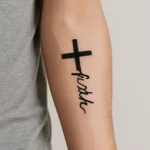
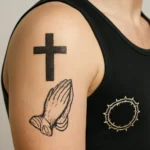
The topic of marking the body, including tattoos and body art, often comes up in conversations about faith and personal choices. The Bible is a diverse collection of books written across different cultures and eras, and it contains direct prohibitions, indirect guidance, and overarching principles that can shape a believer’s view on marking the body today. This article explores what the Bible says about tattoos and body art, why certain verses exist, how to interpret them in light of the New Testament, and practical guidance for followers who want to honor God with their bodies while navigating modern questions about identity, culture, and art.
Key verses: the core biblical statements about marking the body
When considering biblical statements about marking the body, a few verses stand out as anchor points. These verses are often cited in discussions about tattoos and body modification.
Leviticus 19:28 – “Ye shall not make any cuttings in your flesh for the dead, nor print any marks upon you: I am the LORD.”
Isaiah 49:16 – “Behold, I have graven thee upon the palms of my hands.” This is a divine metaphor about God’s care and memory, showing the language of engraving and marking in Scripture, though it is not a prohibition for people to mark themselves.
1 Corinthians 6:19-20 – “What? know ye not that your body is the temple of the Holy Ghost which is in you, which ye have of God, and ye are not your own? For ye are bought with a price: therefore glorify God in your body, and in your spirit, which are God's.”
Romans 12:1-2 – “I urge you therefore, brothers and sisters, in view of God’s mercy, to offer your bodies as a living sacrifice, holy and pleasing to God—this is your true and proper worship.”
1 Corinthians 10:23 (contextual help) – “All things are lawful, but not all things are beneficial.” This verse is often used to discuss Christian liberty and discernment when considering any practice, including tattoos, within the broader call to love and edify others.
Old Testament context: why Leviticus 19:28 matters and how to read it today
Leviticus 19:28 sits within a larger set of laws given to the people of Israel. It explicitly prohibits certain forms of bodily modification connected to spiritual and cultural practices in the ancient Near East. The wording, “for the dead” and “print any marks upon you”, is best understood in its ancient context, where people sometimes used marks or cuts as part of funerary rituals or rites associated with idol worship or mourning practices of neighboring cultures. The verse can be summarized as a prohibition against adopting pagan rites that relied on body markings as a sign of loyalty to the dead or to false gods.
Key interpretive points to consider:
Historical context matters: The prohibition was likely aimed at preventing Israel from adopting the religious practices of surrounding nations.
Not a blanket modern prohibition? Some readers interpret the verse as specifically addressing certain rituals rather than tattooing as a universal moral principle for all people in every era.
Translations differ: Some English translations say “print marks on you,” while others say “engrave yourselves” or use similar language. The core idea is a ban on participating in certain rites through body modification.
Holiness and distinction: The broader biblical pattern emphasizes holiness, moral integrity, and distinctiveness from pagan practices.
New Testament perspective: how Christians navigate body image and marking after Christ
The New Testament does not provide a direct, universal command about tattoos for all believers. Instead, it speaks to principles about the body, the Holy Spirit, freedom in Christ, and how love and edification should shape one’s conduct. Several passages are frequently cited in discussions about tattoos and body art today:
1 Corinthians 6:19-20 emphasizes that our bodies are the temple of the Holy Spirit and should be honored as belonging to God. This verse invites believers to consider how their choices about the body reflect their allegiance to Christ.
Romans 12:1-2 highlights the call to present the body as a living sacrifice, motivated by God’s mercy, rather than merely pursuing personal preferences or cultural trends.
Galatians 5:13 reminds readers to serve one another through love, not through indulgence or unhelpful norms. This can be read as a call to consider how any form of body art affects the community's well-being and witness.
Colossians 3:17 encourages doing everything in the name of the Lord Jesus, giving thanks to God the Father. This broader principle helps believers evaluate motives behind body art in light of their faith commitments.
How to interpret scriptural guidance: a hermeneutic for believers deciding about tattoos
Reading the Bible well means using careful interpretation, especially when texts address different historical situations and cultures. Here are some guiding ideas for Christians thinking about tattoos today:
Context matters: Old Testament prohibitions often address specific historical or idolatrous practices; the same language in a 21st-century context may not carry the exact same imperative.
Core biblical principles: The body is precious to God, because it is “the temple of the Holy Spirit” (1 Corinthians 6:19-20), and we are called to live in a way that honors God with our entire person.
Freedom with responsibility: Scripture allows believers to exercise liberty in many areas, but freedom should be exercised with love, consideration for weaknesses, and respect for others (Romans 14; 1 Corinthians 8).
Witness and community: Tattoos and body art can affect how others perceive a Christian and may influence opportunities to share faith or serve others. The same decision may carry different implications in different communities.
Practical considerations for today: evaluating motives, safety, and impact
When a believer contemplates a tattoo or other body art, several practical questions can help align the decision with biblical values:
What is my motive? Is the art an expression of faith, personal identity, memorial, or a trend? Is it likely to hinder or help my ability to love and serve others?
What will it communicate? Could the image become a stumbling block for someone who is exploring faith or a barrier to ministry opportunities?
What about permanence? Tattoos are typically long-lasting. Prayerful consideration and counsel can help determine whether the desired design expresses lasting values.
Health and safety: If choosing to proceed, seek reputable artists, proper aftercare, and informed consent to minimize risks.
Public witness: In some professions or communities, visible tattoos may be viewed differently. Christians are called to show love and patience in all contexts while being wise and gentle in their witness.
Historical and cultural context: how biblical times viewed body modification
In biblical times, the practice of marking the body commonly intersected with religious, cultural, and social rites. The prohibitions in Leviticus speak to a broader concern about distinguishing Israel from surrounding nations and avoiding practices associated with other religious systems. Modern readers should recognize that the Bible’s stance on body markings emerged from a particular covenantal and cultural framework. That said, the Bible also celebrates beauty, craftsmanship, and personal expression in other contexts, reminding readers that the heart, motive, and obedience to God matter more than the mere existence of a mark on the skin.
Engraving imagery in Scripture: what figurative marks teach about God and believers
A number of biblical passages use the imagery of engraving, engraving on the palm, or marks to describe God’s relationship with his people or the persistence of divine memory. These images are often metaphorical and invite readers to reflect on the gravity of spiritual relationships rather than providing a literal command about human tattooing.
God’s engraving of his people: Isaiah 49:16 and similar passages speak to God’s intimate knowledge and steadfast care for his people, using the language of engraving as a metaphor for permanence and intentional design.
Being marked as belonging to God: The concept of bearing God’s mark through faith, baptism, or the indwelling of the Holy Spirit is present in the New Testament and reinforces belonging to God, not necessarily prescribing a bodily modification.
Contrasting views: how Christian traditions approach tattoos today
Across Christian traditions, there are a spectrum of perspectives on tattoos and body art. Some communities emphasize caution and restraint, while others emphasize freedom and personal expression under God’s sovereignty. Here are three broad approaches you might encounter:
Conservative/traditional – Emphasizes a cautionary stance grounded in Leviticus 19:28 and concerns about pagan associations. Advocates may urge believers to avoid tattoos or to consider how a mark might align with or deviate from biblical values of holiness and witness.
Moderate – Allows for tattoos within limits, prioritizing motive, content, and community impact. Believers are encouraged to discern thoughtfully, seeking wisdom from Scripture, prayer, and trusted spiritual mentors.
Liberal/liberty-oriented – Emphasizes personal conscience and freedom in Christ. Tattoos may be viewed as acceptable if they reflect faith, love, and alignment with God’s character and do not lead others away from the gospel.
Illustrative verses for broader semantic breadth: other biblical ideas connected to the topic
While not all of these verses discuss tattoos directly, they contribute to a broader biblical framework about the body, identity, and sacred living. Consider these connections as you study the topic:
Genesis 1:27 – “So God created man in his own image, in the image of God he created him; male and female he created them.” This foundational verse underscores the sacredness of human bodies as bearers of God’s image, influencing how believers think about marking the body.
Psalm 139:13-14 – God fearfully and wonderfully made us. This language can shape reflections on whether a particular mark honors the one who formed us.
Colossians 3:23-24 – “Whatever you do, work at it with all your heart, as working for the Lord, not for human masters.” A reminder that every action, including decisions about body art, should be done with integrity and for God’s glory.
Romans 14:4-8 – On the matter of personal convictions and how we honor the Lord in decisions that are not clearly mandated in Scripture. It highlights humility and care for others in gray areas.
Practical biblical guidance for individuals and communities
To help individuals and church communities navigate decisions about tattoos, here are practical steps that align with biblical principles:
Examine motives: Why do I want this tattoo or art? Is it a desire to honor God, remember a meaningful moment, or simply follow a trend?
Seek spiritual counsel: Pray and seek counsel from mature believers, pastors, or mentors who know you and understand your faith journey.
Consider content and symbolism: Does the design convey values consistent with your faith, or could it be a stumbling block for others?
Assess potential impact on ministry: Will this mark affect your ability to serve, teach, or witness in your community?
Be compassionate and patient: If someone in your life has a strong conviction against tattoos, approach the topic with love and respect, even if you disagree.
Conclusion: balancing freedom, holiness, and witness
The Bible presents a nuanced conversation about marking the body. On the one hand, Leviticus 19:28 offers a clear prohibition tied to specific historical and religious practices of the ancient world. On the other hand, the New Testament emphasizes the sacredness of the body as a dwelling place of the Holy Spirit and calls believers to live in ways that honor God with their entire beings. Thus, for modern believers, the central questions are about motive, transparency, and love—how does a particular choice about body art align with the gospel, and how does it affect one’s witness to others?
In the end, the Bible invites Christians to pursue a life that reflects holiness, love, and obedience to Christ. Whether one chooses to get a tattoo or to abstain, the core test is whether the action helps or hinders a faithful life that honors God and serves others. By engaging with Scripture thoughtfully, seeking wise counsel, and considering the impact on the community, believers can navigate the complex terrain of body art with grace, discernment, and a grounded sense of purpose.









Leave a Reply