Introduction: Why people choose Christian faith tattoos
Tattoos carry personal stories, and for many believers, Christian faith tattoos are a visual testimony of faith, hope, and devotion. These designs can mark milestones, remind the wearer of spiritual promises, or celebrate a specific moment when faith felt transformative. The decision to get a tattoo rooted in Christian symbolism is often intimate and meaningful, blending art with theology in a way that is highly personalized. This article explores the meanings, symbolism, and design ideas behind Christian tattoo motifs, while offering practical guidance on choosing themes, placement, and style with respect for faith and craft.
Meaning and symbolism of Christian ink
At the heart of any religious tattoo design is a set of symbols with layered meanings. The most recognizable icon in Christian tattoo art is the cross, but a broad spectrum of biblical imagery can express faith in nuanced ways. Understanding the symbolism helps wearers select motifs that align with their personal journey while communicating a clear message to others.
The cross: central, diverse, and evolving
The cross can be rendered in countless styles—from stark, minimalist line work to ornate, faith-filled scenes. For many people, the cross represents the crucifixion, redemption, and the promise of eternal life. Different interpretations exist:
Latin cross (the simplest form) emphasizes sacrifice and salvation.
Celtic cross blends everlasting life with ancestral heritage and often features intricate knotwork that suggests unity and eternity.
Cross with Jesus (crucifix) foregrounds the human suffering of Christ and the universality of grace.
Cross with rays or halo elements can symbolize divine light and revelation.
Ichthys (the fish) and other ancient symbols
The ichthys symbol—two fish linked in a simple, ichthys-shaped motif—dates to early Christianity as a discreet sign of faith. It is often chosen for its historical resonance and its compact, elegant form. Other ancient or scriptural symbols appear in Christian tattoo art, including:
Lamb of God (a symbol of Christ as the sacrificial lamb)
Alpha and Omega (the first and last letters of the Greek alphabet, representing God as the beginning and the end)
Chi-Rho (☧, a Christogram combining the Greek letters chi and rho)
Dove, fire, and the Holy Spirit
The dove often carries olive branches to symbolize peace, purity, and the Holy Spirit’s presence at Jesus' baptism. A tattoo featuring a dove might merge with flames or light to evoke Pentecost, renewal, and spiritual guidance. The Holy Spirit is a common thread in designs that reflect guidance, wisdom, and comfort in difficult seasons.
Other biblical motifs worth considering
Beyond the most recognizable symbols, many Christians choose imagery tied to scripture or gospel narratives. Examples include:
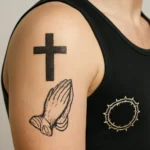
Praying hands representing devotion, intercession, and daily conversation with God.
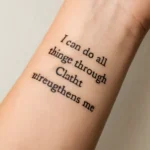
Bible verse script in a decorative font, often paired with a symbol to contextualize the verse.
Armor of God (belt of truth, breastplate of righteousness, etc.), drawn as stylized armor pieces to symbolize spiritual strength.
Resurrection and empty tomb images to celebrate new life and victory over death.
Design ideas by motif: how to translate belief into ink
Designing a Christian tattoo is about translating belief into a visual language. Below are design ideas organized by motif, with notes on style, color, and how to personalize each concept.
Cross-based designs
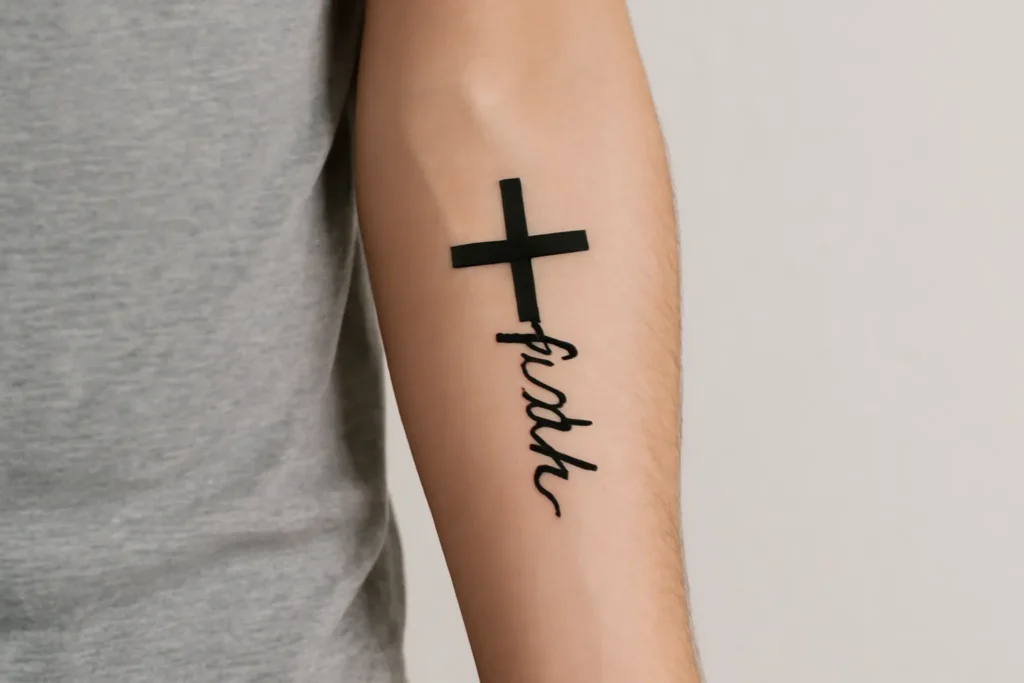
Cross tattoos are versatile and adaptable across styles, from bold black silhouettes to delicate script and watercolor hues. Consider pairing the cross with:
Scripture verses that reflect your journey, e.g., a short verse or a meaningful keyword that accompanies the cross.
Floral elements (roses, lilies, or olive branches) to soften the symbol and convey themes of life and renewal.
Geometric or mandala patterns that illuminate symmetry, balance, and order in faith.
Icthys and scripture ink combinations
A fish paired with a short verse or a motto can create a compact, meaningful piece. Choices include:
Fish within a circle or enclosed by a ribbon of text, representing eternal life and mission.
Ichthys with a cross or other symbols to show convergence of faith traditions.
Script in ancient languages (Greek, Hebrew, Latin) to add historical depth.
Dove and Holy Spirit imagery
The dove design can be light and airy, rendered in watercolor or fine linework. Enhancements might include:
Olive branch for peace and reconciliation.
Radiant light or halos to convey divine guidance.
Intertwined wings with soft color gradients to evoke serenity.
Biblical scenes and parables
Narrative tattoos can illustrate favorite passages or stories—noah’s ark, the prodigal son, or the good shepherd. Important considerations:
Keep compositions readable at a chosen size; detailed scenes may require a larger canvas.
Pair scenes with captions or verse text to ensure the message remains clear as the tattoo ages.
Choose a style that aligns with your temperament—classic realism for storytelling, or silhouette/linework for subtlety.
Armor of God and spiritual protection motifs
Designs inspired by Ephesians 6 can be represented as stylized armor pieces or a protective silhouette around the wearer. Options include:
Breastplate etched with symbols of truth and righteousness.
Shield with a personal crest or a short vow.
Sword of the Spirit depicted with runes or scripture glyphs.
Placement, style, color, and practical design tips
The placement of a Christian ink piece can influence its meaning and impact. Consider how visible you want it to be, how easily it can be covered, and how aging ink might affect readability. This section offers guidance on choosing placement, style, and color to ensure the tattoo remains meaningful over time.
Placement considerations
Forearm and wrist provide visibility and daily reminders; ideal for small to mid-size scripts or symbols.
Shoulder, upper arm, and back offer larger canvases for detailed scenes or complex cross designs.
Chest near the heart or along the ribcage communicates intimate, personal faith narratives, though it can be more painful and may require more healing time.
Neck and behind-the-ear options are more discreet but still legible; choose if you want a subtle but personal emblem.
Style families to consider
The expressive language of Christian tattoo art spans many styles. Each style can evoke different emotional tones:
Traditional (American traditional) uses bold lines, saturated colors, and iconic imagery—great for crosses, doves, and heraldic symbols.
Fine line and micro realism for delicate script, small ichthys, or single-symbol motifs with understated elegance.
Blackwork heavy ink, geometric shapes, and high-contrast contrast; suitable for armor motifs and stylized crosses.
Watercolor soft gradients and splashes of color that evoke spiritual light or heavenly ambiance around biblical imagery.
Neo-traditional merges bold outlines with more nuanced shading and symbolic flourishes, ideal for modern Christian narratives.
Color choices and meaning
Colors can carry theological or symbolic weight. While many Christian ink pieces are monochrome for durability and legibility, selective color can highlight meaning:
Black for permanence, solemnity, and timeless faith.
Gold or yellow accents to signify divine light and royalty (Christ as King).
Red to symbolize the blood of Christ, sacrifice, and redemption.
Blue often evokes heaven, trust, and heavenly wisdom.
White for purity, holiness, and new life.
Font choices for scripture and text
If you plan to include Bible verses or quotes, typography matters as much as imagery. Consider:
Serif fonts convey tradition and gravity, suitable for historic or formal verses.
Script or serif-script hybrids create a flowing, personal feel in verses that are shorter.
Monoline or clean sans for modern, minimalist inscriptions that remain legible over time.
Ethical, cultural, and personal considerations
A thoughtful approach to Christian tattoo design includes respect for faith communities, personal belief, and the cultural context of body art. Here are some considerations to help you approach this decision with sensitivity and intention.
Some churches or denominations have specific teachings about tattoos. Before getting ink that references your faith, consider discussing it with a trusted spiritual advisor or pastor. The aim is to ensure your tattoo communicates devotion without unintentionally signaling opposition or offense to others.
Personal interpretation and testimony
A Christian tattoo can be a personal testimony—a way to articulate a journey of faith, a moment of grace, or a commitment to live according to gospel values. When choosing text or imagery, reflect on how the design will be interpreted by others and how it will remind you of the promises you hold dear.
Respect and humility in imagery
Some symbols carry rich theological meaning across centuries. When incorporating risky or controversial imagery (for example, depictions of sacred scenes or iconography tied to liturgical traditions), strive for clarity, accuracy, and humility. The goal is to honor the symbol and the faith community that venerates it.
Inspiration vs appropriation
Some motifs originate in specific cultures with unique religious significance. When drawing inspiration from diverse Christian traditions, be mindful of cultural context and avoid caricature or misrepresentation. Seek authentic references and, when possible, work with artists who understand the symbolism in its proper context.
Care, maintenance, and selecting an artist for Christian ink
After you commit to getting a piece, proper care and choosing the right artist are crucial to ensure the tattoo remains legible, vibrant, and true to its meaning.
Choosing the right artist
Look for an artist with a portfolio that demonstrates sensitivity to religious imagery, clean lines, and nuanced shading. Ask about:
Experience with religious or symbolic tattoos
Approach to line work, shading, and color fidelity
Hygiene standards, sterilization practices, and aftercare guidance
Comfort level with scripture-based design and ability to translate meaning into visual elements
Aftercare essentials
Proper aftercare ensures the design heals well and remains legible for years. General guidance includes:
Follow the artist’s aftercare plan, which typically includes gentle washing, fragrance-free soap, and a suitable healing ointment.
Avoid direct sun exposure, chlorinated water, and abrasive contact during the initial healing phase.
Keep the tattoo moisturized but not overly greasy to prevent scabbing or fading.
Be mindful of the healing timeline; some colors and finer lines may require touch-ups to maintain sharpness.
Longevity and touch-ups
Over time, ink can fade. Many Christian ink pieces benefit from occasional touch-ups to preserve contrast, especially for fine lines and text. A reputable artist will assess the piece during a scheduled touch-up appointment and advise on color restoration or line reinforcement.
Frequently asked questions about Christian tattoos
Below are common questions people have when considering faith-based tattoos. While answers can be personal, the guidance here reflects practical considerations for faith-informed ink.
Age and personal maturity are factors. In many communities, guardians or mentors encourage thoughtful consideration of symbolism, permanence, and potential public perception. If a younger person desires a faith-based tattoo, discuss its meaning, long-term significance, and the possibility of starting with a smaller, less conspicuous design.
Should I get a tattoo that quotes scripture?
Quoting scripture is a powerful way to carry a message. If you choose verse text, ensure the font is legible and that the verse’s length aligns with the chosen canvas. Short verses or single words (like "faith," "grace," "hope") can convey depth without crowding the design.
How do I balance artistic expression with theological accuracy?
Collaboration with a designer who understands the symbolic language you want to convey helps balance aesthetic beauty and theological meaning. Share your story, Bible references, and the emotions you want the tattoo to evoke. A thoughtful designer can translate those elements into a design that is both visually striking and theologically faithful.
Conclusion: embracing faith through meaningful, well-considered ink
A Christian faith tattoo can be a powerful, enduring reminder of belief, mercy, and purpose. Whether you lean toward a bold cross with dynamic shading or a delicate scripture piece framed by symbolic imagery, the most enduring designs are those that reflect personal experience and honest devotion. By understanding the symbolism, planning carefully, and selecting an artist who respects both craft and faith, you can wear your beliefs with integrity, beauty, and resilience for years to come.
In the end, the best faith-inspired tattoos are those that tell a story you can live with daily. They can serve as a beacon during trials, a celebration of grace received, and a public affirmation of your ongoing journey with God. If you are contemplating Christian tattoo ideas, take time to reflect on the symbols that resonate most deeply, consult trusted spiritual mentors, and partner with a skilled artist who can bring your intention to life with clarity and care.







Leave a Reply