Biblical Angel Description: A Guide to Angels in Scripture
Angels appear throughout the Bible in a variety of forms, roles, and voices. They are not just mirror images of human messengers; they are distinct spiritual beings created by God, who act as intermediaries between the divine and the human. This article offers a comprehensive overview of biblical angel descriptions, exploring their nature, appearances, functions, and the symbolic language that surrounds them in Scripture. Readers will encounter a spectrum of angelic portraits—from blazing seraphim with multiple wings to enigmatic cherubim guarding sacred spaces, from bold archangels to luminous messengers who foretell events in both the Old and New Testaments.
Defining Angels: Nature, Source, and Purpose
In the biblical vocabulary, the most common term for an angel is the Hebrew malakh and the Greek angelos, both of which translate roughly as “messenger”. Yet this designation does not exhaust their identity. Angels are created beings who exist to serve God and carry out His will. They are not gods, nor do they possess independent sovereignty. Their primary function is to convey divine messages, execute judgments, provide protection, and facilitate revelation—often in ways that human perception cannot grasp directly.
Because Scripture employs vivid visions and symbolic imagery to describe angelic appearances, readers should differentiate between literal descriptions and theophanic or visionary representations. A theophany is a visible manifestation of God that may be mediated by an angelic agent, while a plain narrative may recount a real encounter with a heavenly being whose appearance is described in symbolic terms. The distinction matters for interpretation and for appreciating the awe that these beings arouse in human observers.
Major Angelic Types in Scripture: Seraphim, Cherubim, Archangels, and More
Scripture presents several recurring categories of angelic beings, each with distinctive features and functions. While not all passages align perfectly with a single category, the following are among the most influential in biblical literature.
Seraphim
The seraphim are introduced in Isaiah’s vision of God's heavenly throne room. In Isaiah 6, the seraphim are described as having six wings—two covering their faces, two covering their feet, and two used for flight. They announce God’s holiness and glory, declaring, “Holy, holy, holy is the Lord of hosts; the whole earth is full of his glory.” The seraphim seem to function as attendants around the throne, whose primary concern is the exaltation of God and the purification of those in His presence.
Cherubim
Cherubim (plural) appear in several pivotal biblical scenes, often associated with God’s glory and dwelling places. In Genesis, cherubim guard the entrance to the Garden of Eden after the fall (Genesis 3:24). In prophetic and apocalyptic literature, they are described as complex beings with multiple faces (a human, a lion, an ox, and an eagle) and with wings. Ezekiel’s vision offers one of the most detailed and symbolic depictions: living creatures that move with the Spirit, each full of eyes, accompanied by a wind-driven chariot-like vision and “wheels within wheels.” The presence of cherubim in the Hebrew Bible frequently signals access to the divine throne and the sanctity of divine spaces.
In biblical usage, “archangel” designates a high-ranking angelic officer or leader among the heavenly hosts. The name Michael appears as an archangel or chief prince in several texts (Daniel 10–12; Jude 1:9; Revelation 12:7). Gabriel appears as a messenger who foretells significant events (Daniel and Luke). While the Bible does not provide a comprehensive list of all archangels or their ranks, it is clear that archangels hold authority in spiritual realms and often act as specialized agents for important divine announcements or interventions. Ordinary angels—without the explicit title of archangel—also fulfill critical roles as messengers, protectors, and agents of God’s will in human history.
Other Angelic Forms in Visionary Literature
Beyond seraphim, cherubim, and archangels, Scripture presents other angelic beings through visionary language, especially in Daniel, Ezekiel, and Revelation. For instance, Daniel’s visions feature angels who disclose future events and ensure the fulfillment of God’s purposes. Ezekiel’s prophetic accounts describe living creatures that echo the cherubic imagery yet carry distinctive, otherworldly features. The book of Revelation introduces a chorus of heavenly beings—living creatures, elders, and mighty angels—whose worship and actions are integral to the climactic drama of salvation history.
Appearance and Symbolism: How Angels Are Colored in Scripture
Angelic appearances in Scripture are rarely bare, literal portraits. They are often saturated with symbolic meaning that conveys the character, authority, and purpose of the beings, as well as the moral and theological message of the scene. Here are common motifs and how to read them:
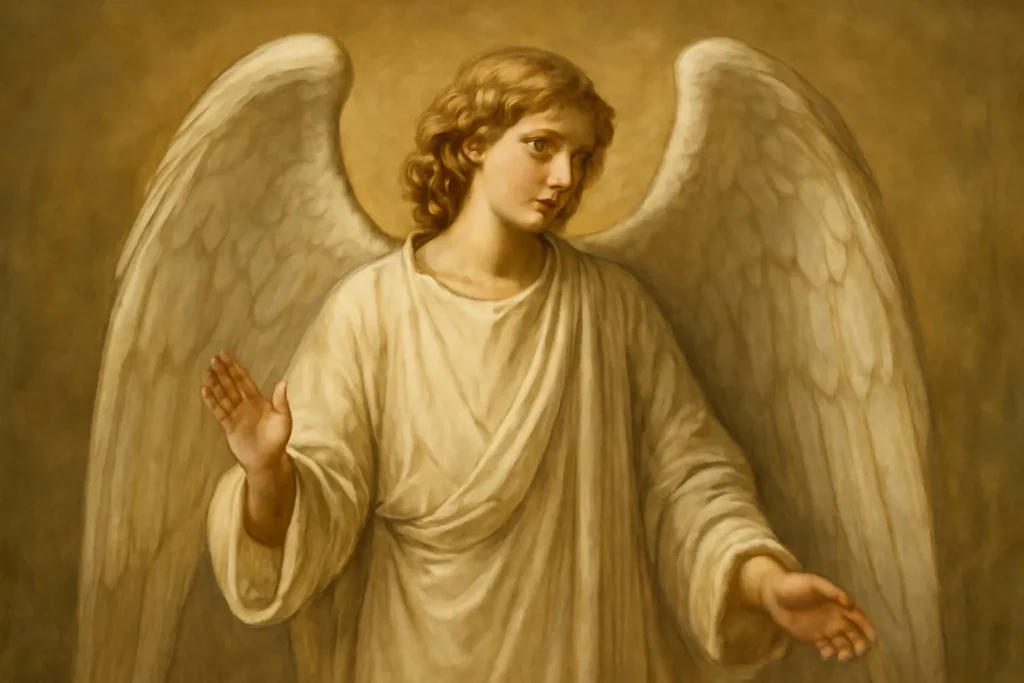
Wings symbolize mobility, swiftness, and the ability to bridge the gulf between heaven and earth. They also convey the idea of service and readiness—angels are in constant readiness to carry out God’s commands.
Bright, radiant light or "glory" surrounding an angel signals holy presence and divine origin. Light often indicates truth, revelation, and proximity to God’s theophany.
Multiple faces or forms (e.g., lion, ox, eagle, and a human) in Ezekiel and Revelation suggest diversified wisdom, strength, perception, and dominion—attributes attributed to God’s larger cosmic order.
Eyes on the living creatures symbolize omniscience, watchfulness, and perfect perception—angels are keen observers of human events and God’s purposes.
Wheels within wheels and complex chariot imagery in Ezekiel point to dynamic movement and the sovereignty of God crossing realms, with angels as agents of divine direction.
Symbolic garments and weapons (e.g., swords, armor, or robes of light) emphasize roles as guardians, heralds of judgment, or symbols of righteousness and justice.
Because biblical language is steeped in ancient near-eastern idioms, readers should approach angelic descriptions with attention to the literary genre—narrative, prophecy, apocalyptic vision, or symbol-laden poetry. The same imagery may illustrate different theological truths in different contexts.
Roles and Functions: What Angels Do in Scripture
Angels perform a range of tasks, and their duties reveal both the order of creation and the purposes of God’s redemptive plan. Here are major categories of angelic activity described across biblical texts:
Messengers (angelos/malakh) who deliver announcements about divine will, intervention, or future events (e.g., Gabriel’s announcements to Daniel and Mary).
Servants and worshippers who participate in celestial praise, proclaiming the holiness and glory of God around His throne (as in Revelation and Isaiah’s visions).
Guardians and protectors who shield people or communities from danger and provide divine guidance in times of crisis (e.g., protective encounters with individuals and nations).
Warriors and executors of judgment who carry out God’s judgments, ensure justice, and deliver punitive or corrective measures when human sin or cosmic rebellion requires intervention.
Agents of revelation who interpret dreams, visions, and prophetic messages, guiding human agents to respond faithfully to God’s purposes.
Ministers of mercy who help sustain God’s people through trials, sickness, or discouragement—often appearing as signs of God’s mercy and presence in times of distress.
In the New Testament, angels frequently reinforce Jesus’ mission, appear at pivotal moments (e.g., the annunciation to Mary, the empty tomb, the garden of Gethsemane), and confirm the unfolding of salvation history. Their encounters with human beings serve to strengthen faith, clarify divine intent, and invite trust in God’s redemptive program.
Notable Biblical Encounters: Anchors for Understanding Angelic Description
Several passages stand out for their vivid angelic imagery and for how they shape later Christian intuitions about angels. Here are some anchors to study and reflect upon:
Genesis 16 and 22—The Angel of the Lord appears to Hagar and to Abraham. In these narratives, the Angel of the Lord speaks as God’s representative, sometimes equated with a theophany in human disguise, and he offers guidance, assurances, and deliverance.
Genesis 3:24—The cherubim guard the entrance to the Garden of Eden after humanity’s expulsion, underscoring the sacredness of divine spaces and the seriousness of sin’s consequences.
Isaiah 6—The vision of the seraphim around the throne; their cry reflects God’s holiness and their role in purification (a demonstration of how heavenly beings occupy positions that elevate the divine presence among mortals).
Daniel 8–12—A string of angels and messengers who reveal future kingdoms, resist demonic powers, and guide Daniel toward understanding God’s purposes in history.
Ezekiel 1–3, 10—The prophet’s extraordinary visions of the living creatures with wheels and many eyes, showcasing mobility, divine presence, and the movement of the Spirit across the cosmos.
Luke 1–2—The angel Gabriel foretells the births of John the Baptist and Jesus, and the angelic choir announces the shepherds’ glad tidings, highlighting the angelic role in revelation and worship.
Revelation 4–5—A grand scene of many angels around God’s throne, the four living creatures, and elders, all offering continuous worship and participating in the cosmic drama of salvation.
Jude 1:9—Michael the archangel contends with the devil, illustrating the authority and discipline among heavenly beings in spiritual warfare.
Interpreting Angelic Imagery: How to Read Biblical Descriptions
Because angels are described using powerful symbolic language, readers should employ careful interpretive tools to understand what the text aims to convey. Consider the following approaches:
Genre awareness: Identify whether the text is narrative, prophetic oracle, poetical vision, or apocalyptic prophecy. The same words can carry different weight in different genres.
Cultural context: Recognize ancient Near Eastern motifs and cosmology—wings, wheels, and radiant appearances often function as signs of divine intervention rather than precise zoological descriptions.
The identity issue: Distinguish between instances of the “Angel of the Lord” who sometimes bears representations of God Himself and other angels who act as messengers. Some passages may even reflect Christological pre-incarnate appearances in complex ways.
Response to presence: Fear not, do not be afraid, or similar phrases appear frequently when humans encounter angels, signaling the overwhelming holiness of heavenly beings and the reassurance of God’s purposes.
Theological consistency: If an image seems to diverge from established biblical anthropology—humans as creatures created by God—check if the portrayal functions symbolically to communicate spiritual truths rather than to provide a literal anatomical sketch.
Common Questions and Clarifications about Angels in Scripture
To help readers navigate confusion or curiosity, here are answers to frequent questions about biblical angels:
Are angels to be worshipped? No. Scripture consistently directs worship to God alone. Angels assist but do not deserve worship. The biblical call is to honor God’s authority, not the angelic messengers who serve Him.
Do angels have bodies? The biblical portraits vary. Some angels appear as luminous, incorporeal beings; others take on human form for specific tasks (for example, visitors who speak with Abraham). The range of appearances suggests flexibility in how God enables them to appear to humans when necessary.
Are angels male or female? Most biblical texts depict angels in gender-neutral terms or with masculine designations in dialogue and function. Since angels are spiritual beings, the typical human gender assignments do not fully apply to them.
What is the relationship between angels and Jesus? In Christian theology, Jesus surpasses all creation, including angels. Angels announce, serve, and praise within God’s redemptive plan, but worship is due to Christ, who is God incarnate and sovereign over all creation.
Names and Identity: Gabriel, Michael, and the Notion of Archangels
Names matter in biblical storytelling. Gabriel and Michael are the two angels most consistently named in canonical Scripture. Gabriel is a primary messenger, delivering world-changing announcements (the births of John the Baptist and Jesus). Michael is portrayed as a mighty protector and leader in spiritual warfare, especially in Daniel and Revelation. The term archangel appears in certain passages to highlight leadership rank within the heavenly host, though the Bible does not present a full hierarchy of angels with exact titles and duties. The tradition of multiple archangels has grown in later Christian literature, but the core biblical data anchors Michael and Gabriel as central figures in angelic ministry.
Readers should also note the biblical use of titles like servant, messenger, and ministering spirits to describe angels in the broader New Testament vocabulary. These terms emphasize their function rather than providing exhaustive classifications, inviting readers to attend to the immediate purpose of each angelic appearance in the text.
Angels frequently appear at boundary moments—before cities are spared or condemned, before royal decisions are made, and at pivotal moments in salvation history. They often function at the threshold between the earthly realm and the heavenly throne room, reminding readers that what is transpiring on earth is part of a larger cosmic drama.
The Garden and the Tree of Life: Cherubic guardians in Genesis symbolize guarded access to divine life and moral responsibility after the fall.
The Tabernacle and the Temple: Cherubim and fiery attendants express the solemn sacred space where God’s presence dwells. The imagery links divine accessibility with divine holiness.
The Throne Room: Seraphim, living creatures, and countless angels testify to the ultimate sovereignty of God, whose power surpasses human comprehension and whose plan encompasses all time.
Practical Takeaways: What the Biblical Descriptions Teach Today
Even though angels occupy a realm beyond ordinary human experience, their depictions in Scripture offer practical lessons for faith communities and individual believers:
Awe and reverence in the face of the divine—angelic appearances remind us of God’s holiness and the reality of a spiritual world that intersects human history.
Reassurance in God’s plan—messages delivered by angels often accompany moments of change, fear, or great hope, encouraging trust in God’s purposes even when the path is uncertain.
Role of proclamation—angels reveal God’s redemptive acts, foreshadow Jesus’ birth, death, and resurrection, and call humanity to respond in faith, repentance, and worship.
Humility before divine authority—humans who encounter angels typically respond with fear or astonishment, and the angelic messengers redirect attention toward God’s majesty rather than themselves.
Common Misunderstandings: Clarifying Popular Myths
Popular culture often collapses the biblical portrait of angels into a homogenous, human-friendly fantasy. In contrast, Scripture presents a diverse and awe-filled picture. Here are a few clarifications:
Angels are not human beings made divine after death; they are distinct created beings whose origin lies in God’s creative act, not in human salvation history becoming divine.
Angels are not to be worshipped; worship belongs to God alone. Angels serve God by delivering messages and performing tasks as His agents.
Not all encounters with angels imply visible, literal wings; some appearances use symbolism that points to their function rather than to anatomical exactness.
Angels do not replace Jesus; in the Christian faith, Jesus is the center of salvation history and the ultimate revelation of God, with angels functioning within the broader framework of that revelation.
Concluding Reflections: Angles as Windows into the Divine Economy
Biblical descriptions of angels—whether in the exultant chorus around the throne, the mysterious visions of Ezekiel, the guarded gates of Eden, or the annunciations to Mary and Zechariah—offer windows into the way Scripture frames the heavenly realm. Angels are ministering spirits who participate in God’s sovereign plan, bridging the distances between heaven and earth. Their vivid imagery helps readers grasp the transcendent reality of God’s rule and the intimate ways He intervenes in human history. At their core, these accounts invite readers to trust in God’s goodness, to revere His holiness, and to recognize that the divine drama unfolds beyond what the eye can see while entering human experience through messages, signs, and revelations that invite faith and obedience.
By examining the varied descriptions—seraphic fire, cherubic guardians, archangelic authority, and prophetic visions—readers can appreciate the richness of biblical angelology and its enduring resonance for faith communities today. The biblical witness presents a coherent if complex portrait: angels are real, powerful, and purposeful emissaries who serve the one true God and help carry forward His eternal plan of salvation.







Leave a Reply