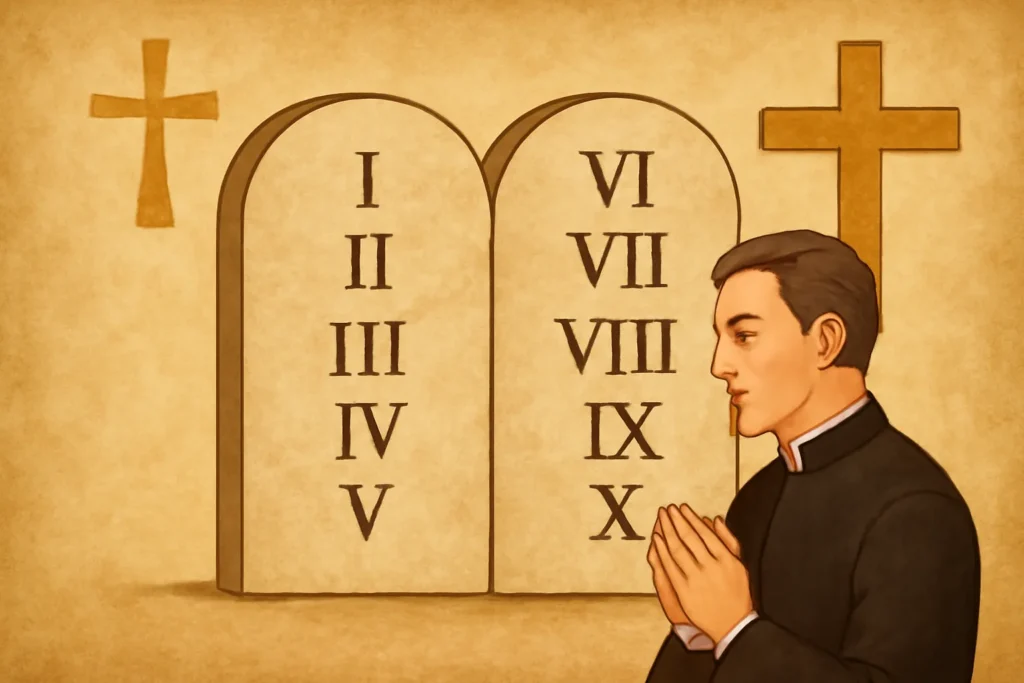
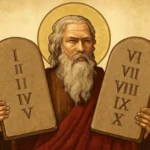
The Decalogue, commonly known in English as the Ten Commandments, stands at the heart of Catholic moral teaching as a divine invitation to live in right relationship with God and with one’s neighbors. In Catholic vocabulary, these timeless precepts are often called the Decalogue, the Ten Commandments, or the Ten Words (Greek: Dodekalogos). The Catholic understanding emphasizes that the commandments are not merely a list of prohibitions, but a map for forming a conscience, a guide for daily decision making, and a framework through which believers encounter Jesus Christ, who reconciles humanity with God through grace. The Catechism of the Catholic Church (CCC) treats the Decalogue as a living call to holiness, rooted in God’s revelation and illuminated by the life, death, and resurrection of Christ.
In Catholic theology, the Decalogue is often presented in two layers: a fundamental moral law that applies to all people, and a particular mode of living that unfolds within the Church’s sacramental life and moral discernment. The commandments correspond to the two great commands of Jesus—loving God with all one’s heart, soul, and mind, and loving one’s neighbor as oneself—thereby offering a synthesis between faith and works, grace and freedom. Catholic teaching emphasizes that the commandments are not isolated rules but are intertwined with the virtues, the practice of prayer, the reception of the sacraments, and a life oriented toward service to others and the common good.
The Ten Commandments in Catholic Tradition
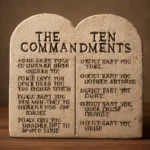
Across centuries of catechesis, theology, and pastoral ministry, the Catholic Church has articulated the Ten Commandments with an eye toward formation, repentance, and steadfast faith. The wording may vary slightly in different translations, but the essential content remains the same. The following presentation mirrors the traditional Catholic numbering and wording used in catechetical materials, around which Catholics frame moral reflection, liturgical life, and daily decisions.
I am the Lord your God: you shall have no other gods before me.
The first commandment centers on the primacy of God in the life of the believer. It calls for fidelity in faith, trust, and exclusive worship of God. In Catholic thought, worship encompasses not only liturgical prayer but also the orientation of one’s desires, hopes, and priorities toward God. Idolatry can take many forms—whether through the lure of materialism, fame, power, or self-centeredness—because anything that takes the place of God in one’s heart becomes a functional idol. This commandment invites us to cultivate a relationship with God that is marked by regular prayer, reception of the sacraments, and a willingness to surrender one’s life to the Lord’s plan.
You shall not take the name of the Lord your God in vain.
This second commandment affirms the sacredness of God’s name and of worship. The Catholic tradition understands the usage of God’s name as an expression of reverence, not merely a matter of diction. Respect for worship and a serious approach to speech about God are central. In daily life, Catholics are encouraged to avoid frivolous or blasphemous language, and to honor sacred things—whether the name of God, sacred persons, or holy things—through thoughtful words and conduct. The commandment also emphasizes the seriousness of vows, oaths, and promises made in God’s name, reminding believers to be truthful and steadfast in their commitments.
Remember to keep holy the Sabbath day.
The third commandment is a call to worship, rest, and the transformation of time in light of God’s salvific plan. In Catholic practice, the Lord’s Day (Sunday) is the principal day of worship, when the community gathers for the Eucharist, Scripture proclamation, and communal prayer. Keeping the Sabbath invites the faithful to pause from regular labor, to experience God’s grace in the liturgy, and to encourage family life, personal prayer, and acts of charity. The specific observances can evolve with circumstances—yet the underlying principle remains: time is consecrated to God as a sign of gratitude and dependence on God’s providence.
This commandment grounds the social order in family life, wisdom, and stewardship. The Catholic tradition teaches that honor encompasses respect, care for one’s parents, obedience when appropriate, and intergenerational solidarity. Beyond the family, this commandment extends to one’s elders, teachers, and those who have authority in the Church and civil life. It is about recognizing human dignity, seeking the common good, and nurturing a culture of life where the vulnerable are protected and supported by the community.
You shall not kill.
The fifth commandment safeguards the sacredness of life from conception to natural death. Catholic teaching emphasizes the value of every human person created in the image of God. The commandment shapes ethical considerations in areas such as self-defense, medical care, peacebuilding, and social justice. It calls believers to protect life, to oppose acts of violence, and to cultivate reconciliation and healing in situations of conflict, injustice, or fear. The Church also teaches the dignity of heavenly life through prayer for the dead and the hope of the resurrection.
You shall not commit adultery.
Fidelity within marriage is the key concern of this commandment. Catholic moral teaching regards marriage as a sacramental bond and a sign of God’s fidelity to his people. Adultery, sexual coercion, and all forms of sexual harm undermine the trust and life of the family. The catechesis around this commandment highlights chastity, mutual respect, and responsible freedom. It also acknowledges the Church’s pastoral care for those who have experienced brokenness, guiding them toward repentance, mercy, and renewal in Christ.
You shall not steal.
The seventh commandment protects private property, honesty, and the legitimate rights of others. Catholic teaching integrates a concern for the poor and the vulnerable with a call to justice. This means fair wages, honest work, and reparations where harm has been done. It also invites discernment about the use of resources, stewardship of creation, and the obligation to avoid fraud, corruption, or exploitation. The moral life, in this sense, includes solidarity with those in need and a commitment to the common good.
You shall not bear false witness against your neighbor.
Truthfulness and integrity in speech are at the heart of this commandment. In Catholic moral reflection, honesty in personal relations, public life, and media is essential to building trust and justice. Lying, deceit, or slander damages communities and damages the moral fabric of society. The Church teaches that to tell the truth with charity is an art of love—respecting the dignity of the other while standing for what is good and just. When lies cause serious harm, the obligation to rectify the situation becomes vital to healing and reconciliation.
You shall not covet your neighbor's wife.
The ninth commandment addresses desire and the interior life. Catholic teaching distinguishes between legitimate attraction and rebellious or controlling desire that objectifies another person. The commandment invites purity of heart, self-control, and the cultivation of virtuous habits through prayer, grace, and honest relationships. It also connects with the upholding of marriage as a sacred bond and with the broader moral call to respect all persons as beloved children of God.
You shall not covet your neighbor's goods.
The tenth commandment warns against envy and disordered longing for what others possess. It encourages gratitude, contentment, and generosity. Catholic life of virtue calls believers to work toward moral and economic justice, to share time, talent, and treasure with those in need, and to resist the corrosive effects of materialism. The commandment also engages with conscience formation—helping people discern needs versus greed—and invites a more profound reliance on God’s providence rather than on accumulating wealth or status.
Further reflections on the Decalogue in daily life
In Catholic catechesis, the list of ten precepts is often presented alongside the two Great Commandments: to love God above all things and to love one’s neighbor as oneself (Matthew 22:37-40). This pairing reinforces the idea that the Decalogue is intended not only as a set of prohibitions but as a framework for a mature Christian life characterized by charity, prudence, and faithfulness. The commandments are interpreted within the Church’s life of grace: through prayer, confession, the Eucharist, and acts of mercy, the faithful are empowered to live out the moral law in concrete ways.
The Catholic understanding of the Ten Commandments emphasizes several enduring themes that help believers apply these precepts to changing circumstances.
Love as the organizing principle: The commandments are rooted in love of God and neighbor, not merely in outward compliance. The life of virtue—especially the theological and cardinal virtues—helps Christians respond with a generous, discerning conscience to each situation.
Grace and freedom: The moral law reveals God’s will, but the Catholic faith teaches that grace enables people to fulfill it. Freedom matures when it is guided by divine grace received in prayer, the sacraments, and a life of virtue.
Pastoral dimension: The Church recognizes that people are at different points in their spiritual journeys. Catechesis and pastoral care address repentance, conversion, and healing, inviting a deeper conversion of heart rather than mere outward behavior.
Social dimension: The commandments are lived out in community. They inform social justice, family life, work, and service to the vulnerable. Catholic teaching ties personal morality to the common good, emphasizing care for the marginalized, the protection of life, and the dignity of every person.
Continuity and development: Although the commandments are timeless, their application evolves in response to cultural changes, scientific advances, and new ethical questions. The Church provides guidance through Scripture, Tradition, and the Magisterium (the teaching office) to help believers discern rightly in contemporary contexts.
The language and naming: Decalogue, Ten Commandments, and Ten Words
Scholars and Catholics alike may refer to the same body of divine law by several names. The term Decalogue underscores that these ten precepts come from a single divine law that encompasses moral duties. The phrase Ten Commandments emphasizes their function as commands issued by God. Some scholars use Ten Words, highlighting their origin in God’s direct utterance at Sinai. In Catholic catechesis, you may see all of these terms used interchangeably, with the understanding that they point to a coherent whole: a revelation from God guiding the moral life of believers.
Historical development and Catholic interpretation
From the Church Fathers to the present day, Catholic theologians have engaged deeply with the Decalogue, exploring its meaning, its scope, and its practical application. The two great sections of the historical narrative are:
Scriptural foundations and early church interpretation: The commandments originate in revelation given to the people of Israel and are reaffirmed and elaborated in the life of Jesus and the teaching of the Apostles. Early Christian writers framed the Decalogue as a foundation for Christian moral life, yet they also highlighted the superiority of the law written on the heart—a law of love enabled by grace.
Continual catechesis and pastoral application: Over centuries, the Church has refined catechetical materials to help Catholics understand how to live the commandments in daily life. The Catechism of the Catholic Church, along with official documents from ecumenical councils and the Magisterium, offers authoritative interpretation while paying heed to the lived experiences of believers in different cultures and times.
Decalogue in liturgy, catechesis, and pastoral practice
In Catholic worship and education, the Ten Commandments appear as a foundational element that informs both personal formation and collective life. This is visible in several areas:
Liturgy and formation: The commandments are referenced in homilies, liturgical catechesis, and prayer services. They shape the way Muslims?—no, Catholics approach moral questions during liturgy, ensuring that worship leads to a conversion of heart and a renewed practice of virtue.
Catechesis for children and adults: Catechism programs present the Decalogue in accessible language, offering real-life scenarios, questions for reflection, and activities that help learners connect the precepts to daily decisions, family life, and community service.
Pastoral outreach and confession: The sacrament of reconciliation invites believers to examine conscience in light of the Decalogue, confess sins, and receive grace to turn away from sin and toward holiness.
Practical guidance: living the Ten Commandments in contemporary life
Living out the Decalogue in today’s world requires discernment, virtue formation, and a generous heart. The Catholic Church encourages the faithful to integrate the commandments with the life of prayer, the sacraments, and service to others. The following practical notes offer a sense of how the commandments translate into everyday choices.
Prayer as the anchor: Regular prayer helps believers align their desires with God’s will, so that their choices reflect love rather than fear or selfishness.
Confession and mercy: The sacrament of reconciliation offers healing, guidance, and strength to live more faithfully according to the Decalogue. It is a mercy-filled opportunity to grow in virtue and to repair harms caused by sin.
Family life and fidelity: In the home, the commandments support healthy relationships, mutual respect, and responsible care for the vulnerable, especially children, elders, and the poor.
Human life and dignity: Respect for life from conception to natural death anchors decisions in medicine, law, education, and public policy, guiding Catholics toward just and compassionate action.
Social justice and solidarity: The Decalogue invites believers to participate in the transformation of society toward greater justice, peace, and the protection of human rights.
Frequently asked questions about the Decalogue in Catholic teaching
Readers often wonder how to interpret specific situations in light of these ten precepts, especially in complex moral landscapes. Here are concise clarifications grounded in Catholic teaching:
Are the commandments still binding today? Yes. The Church teaches that the Decalogue expresses the moral law given by God and remains binding for all people. However, the way one applies the commandments may vary depending on circumstances, intention, and the assent of conscience guided by grace.
How do grace and sacraments relate to the Decalogue? Grace strengthens freedom to choose what is good. The sacraments, especially the Eucharist and Reconciliation, nourish and sustain the holy life that the Decalogue seeks to foster.
What about difficult cases, such as medical ethics or social justice? Catholic moral theology uses a principled approach: the objective moral order expressed in the commandments, situated in a broader framework of human dignity and the common good, is applied with careful discernment in light of the Church’s moral tradition and contemporary realities.
Conclusion: the Decalogue as a beacon for Catholic life
The Catholic Church’s presentation of the Ten Commandments—whether referred to as the Decalogue, the Ten Commandments, or the Ten Words—offers a lasting framework for personal sanctity, family integrity, and social responsibility. By tracing the commandments from their biblical roots through centuries of theological reflection, Catholics encounter a God who invites them into a life of holiness, truth, and love. The Decalogue is not simply a list of prohibitions but a living invitation to participate in God’s gracious plan for the world. In this light, the commandments become a compass for discernment in marriage, work, education, and civic life, guiding believers toward a future shaped by faith, hope, and charity.






Leave a Reply