Introduction: The Ten Commandments in the King James Version
The Ten Commandments are among the most influential moral imperatives in Western religious and legal thought. In the King James Version (KJV), these commandments appear as a compact, covenantal framework that God gives to the people of Israel on Mount Sinai. This article presents the commandments in their traditional order, as they are commonly enumerated in Protestant circles and in many English-language Bible editions that follow the KJV rendering. While the wording in English is distinctive to the 1611 translation, the core moral directives remain recognizable across centuries and cultures.
In this discussion you will find the commandments listed in order, followed by brief explanations that illuminate their historical context, theological significance, and practical implications for faith communities today. You will also encounter notes on variations in numbering that exist between Jewish, Catholic, and Protestant traditions, and how the KJV’s wording helps shape English-speaking understandings of right and wrong, worship, speech, family life, and social conduct.
This article uses variations of the phrase “10 Commandments in Order KJV” and related terms to broaden the semantic reach—for example, “Ten Commandments in Order (KJV)”, “Decalogue in the King James Bible”, and “KJV Ten Commandments in sequence”—so readers can recognize the same content under different search terms while appreciating the order and depth of the text.
Notes on Wording, Context, and the King James Rendering
The commandments appear in Exodus 20:3-17 and are echoed in Deuteronomy 5:6-21. In the King James Version, the language often uses the archaic second-person singular with “Thou” and “The LORD”, which gives the commandments a formal, covenantal tone. The KJV preserves a traditional wording that has shaped English-speaking religious imagination for centuries.
It is helpful to know that there are different ways of counting the commandments. In Jewish tradition, the second commandment about graven images and the first commandment about having no other gods are sometimes combined differently, which shifts the numbering. In Catholic tradition, some consider the commandment against coveting in two separate parts or combine the “graven image” prohibition with the prohibition against worshiping images. The King James Version, as a Protestant text, presents a sequence that is widely taught in many English-language churches and catechetical settings. Understanding this order and wording helps readers appreciate how the commandments function as a compact guide for worship, speech, and daily life.
The Ten Commandments in Order: King James Version (KJV)
Thou shalt have no other gods before me. (Exodus 20:3, KJV)
Explanation: This opening commandment establishes exclusive allegiance to the God of Israel. It sets the frame for the rest of the Decalogue by insisting that the people orient their worship, trust, and loyalty toward a single divine authority. In the King James rendering, the diction embodies a covenantal summons—an invitation to fidelity that shapes both private devotion and communal identity.
Thou shalt not make unto thee any graven image, or any likeness of any thing that is in heaven above, or that is in the earth beneath, or that is in the water under the earth. (Exodus 20:4, KJV)
Explanation: The prohibition against idols covers not only worshiping physical idols but also creating or venerating images that people might direct devotion toward instead of the Creator. In the KJV phrasing, the breadth of the prohibition is emphasized by the explicit mention of heaven above, earth beneath, and water under the earth, underscoring a comprehensive scope. This commandment has historically influenced debates about religious art, ceremonial objects, and the way communities express reverence.
Thou shalt not take the name of the LORD thy God in vain; for the LORD will not hold him guiltless that taketh his name in vain. (Exodus 20:7, KJV)
Explanation: The third commandment calls for reverence in speech and in the bearing of God’s name. In the King James Version, the phrase “take the name of the LORD thy God in vain” signals that words spoken about or invoking God carry moral weight. This directive has shaped discussions about language, oath-taking, and the everyday use of divine names, reminding readers that speech mirrors inner allegiance and respect for sacred reality.
Remember the sabbath day, to keep it holy. Six days shalt thou labour, and do all thy work: But the seventh day is the sabbath of the LORD thy God: in it thou shalt not do any work, thou, nor thy son, nor thy daughter, nor thy manservant, nor thy maidservant, nor thy cattle, nor thy stranger that is within thy gates: For in six days the LORD made heaven and earth, the sea, and all that in them is, and rested the seventh day: wherefore the LORD blessed the sabbath day, and hallowed it.
Honour thy father and thy mother: that thy days may be long upon the land which the LORD thy God giveth thee. (Exodus 20:12, KJV)
Explanation: This commandment anchors social stability by honoring parental authority and care within the family. In the KJV, the commandment shares a promise of long life on the land, underscoring the covenantal relationship between ethical behavior and divine blessing. The language also reflects a broader sense of responsibility to elders and the community, not just the immediate family.
Thou shalt not kill. (Exodus 20:13, KJV)
Explanation: The prohibition against taking a life serves as a foundational ethical boundary in many cultures. In the KJV, the terse wording “Thou shalt not kill” conveys a clear limit on violence and the sanctity of human life. The commandment has inspired debates about just war, capital punishment, self-defense, and the value of every human being in a created order.
Thou shalt not commit adultery. (Exodus 20:14, KJV)
Explanation: Adultery is addressed as a violation of the bond of marriage and trust within the family and community. The KJV framing makes the transgression a matter of personal fidelity that affects future generations and the social fabric. This commandment has been central to discussions about marital faithfulness, household ethics, and social stability.
Thou shalt not steal. (Exodus 20:15, KJV)
Explanation: Theft undermines property rights, labor, and trust. The King James wording emphasizes the prohibition against taking what does not belong to you, reinforcing social order and fair dealing. The commandment extends beyond mere property to the principle of respecting another person’s labor and right to ownership.
Thou shalt not bear false witness against thy neighbour. (Exodus 20:16, KJV)
Explanation: Honesty in testimony and in everyday speech is highlighted here. The language in the KJV underscores the harm that false testimony can do to individuals and communities. This commandment has implications for legal proceedings, personal integrity, and the cultivation of trust within relationships and institutions.
Thou shalt not covet thy neighbour's house; thou shalt not covet thy neighbour's wife, nor his manservant, nor his maidservant, nor his ox, nor his ass, nor anything that is thy neighbour's. (Exodus 20:17, KJV)
Explanation: The tenth commandment targets the inner disposition—desire and envy—as the root of outward misdeeds. In the KJV, the detailed list includes a neighbor’s property, family, and even livestock, illustrating how covetousness can extend into many areas of life. This commandment invites readers to examine motives and cultivate contentment, gratitude, and dependence on God rather than on material possession.
Numbering and Variations: How Different Traditions Count the Commandments
While the KJV presents the commandments in a familiar Protestant order, there are well-known differences in how Jewish, Catholic, and Protestant traditions count them. In Jewish tradition, the second commandment about idolatry is often combined with the first, which shifts the numbering in subsequent commandments. In Catholic tradition, the third and fourth commandments are interpreted differently, sometimes combining the command about not taking the Lord’s name in vain with Sabbath observance or splitting covetousness differently. The King James Version aligns with the Protestant approach, which treats the first three commandments as distinct prohibitions and keeps the Sabbath as a separate, sacred obligation. For readers navigating multiple Bible translations, recognizing these differences helps prevent confusion when comparing lists in commentaries, devotionals, or study guides.
In addition to numbering, language differences matter. The KJV’s use of archaic English—with words like “honour,”“labour,” and “stranger”—can shape how readers interpret the intent behind each commandment. Modern readers may encounter updated translations that render the same principles with contemporary phrasing, yet the moral core remains the same across translations: a call to worship God rightly, to honor others, and to cultivate a just and honest life.
Historical and Theological Context: Why These Commandments Matter
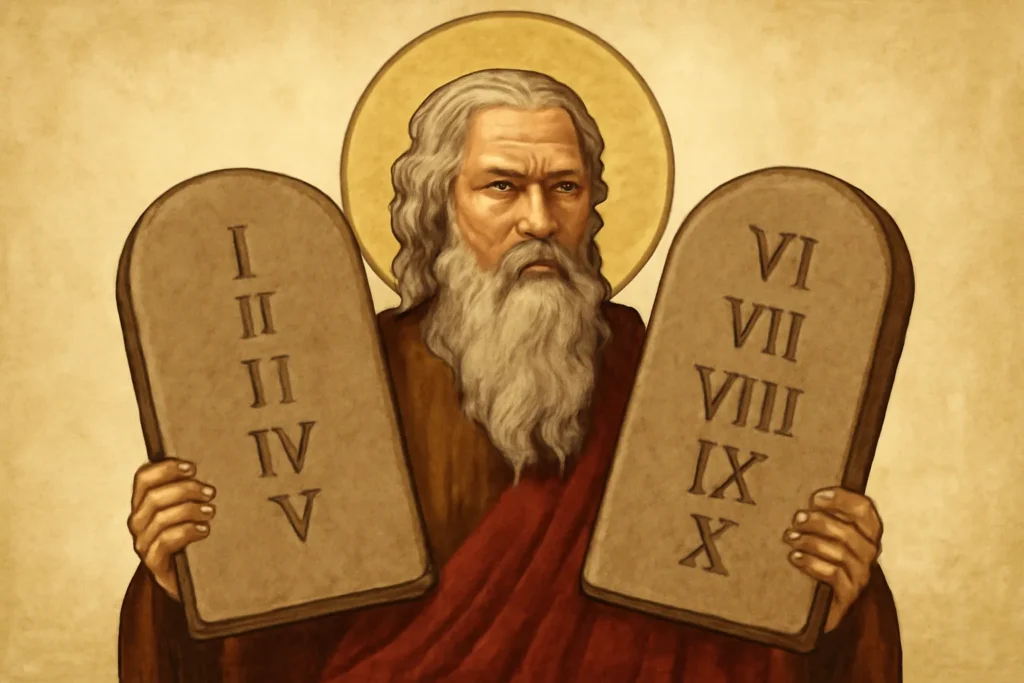
The Decalogue—the Greek term for “ten words”—is foundational to both Jewish and Christian religious identities. In the biblical account, God inscribes these commandments on tablets of stone and presents them as a covenant with Israel. The King James Version preserves a ceremonially charged style that invites contemplation, memory, and practice. The commandments function at several levels:
Worship and allegiance: The first four commandments address God–human relationship, including exclusive worship, proper use of divine name, and sacred time for rest and holiness.
Social order and family life: The next five commandments shape how people treat parents, life, marriage, property, and truth-telling.
Internal motive and external behavior: The tenth commandment focuses on heart attitude—coveting—which often precedes external acts of wrongdoing.
The commandments’ influence extends beyond theology into ethics, law, and culture. They have informed moral philosophy, political systems, and social norms in myriad contexts. From ancient Israel to modern courts and classrooms, the KJV’s language has helped many readers approach questions of right conduct, societal harmony, and reverence for the sacred.
Practical Reflections: Living the Commandments Today
The Ten Commandments in order, as presented in the KJV, are not merely ancient rules but living invitations to a certain kind of human flourishing. In contemporary life, they can be explored as:
Worship and fidelity: Examining how one prioritizes God in daily routines, finances, and personal priorities; evaluating what counts as “gods” in modern culture.
Nuanced speech: Being mindful of language, oaths, jokes about sacred things, and the power words hold in shaping character and community.
Time and rest: Reclaiming a rhythm of work and rest that honors the Sabbath principle in ways that fit contemporary life—rest, stewardship, and worshipful reflection.
Family and social responsibility: Honoring parents and elders, caring for kin and neighbors, and fostering healthy, lasting relationships within communities.
Justice and honesty: Protecting life, property, truth, and trust; cultivating integrity in personal conduct and public life.
Inner motives: Addressing covetousness, envy, and discontent by developing gratitude, generosity, and contentment as corrective disciplines.
For readers, the challenge is to translate the ancient call into practical steps: refusing to worship modern "idols" of success or status, choosing honesty over expediency, and seeking to honor others in concrete ways. The KJV’s phrasing helps frame these decisions as sacred, covenantal choices rather than mere personal preferences.
Further Resources and Study
If you wish to explore the Ten Commandments further, consider consulting multiple translations to compare how language shapes understanding. You may also find it helpful to read the related passages in Deuteronomy 5:6-21 for a reiteration and expansion of the same commandments. For in-depth study, look for cross-references to the Decalogue in biblical dictionaries and systematic theologies that discuss covenant, jurisprudence, and ethics in the biblical world.
Readers seeking a concise reference can keep the KJV wording of the ten commandments in a study notebook or on a bookmark as a reminder of the ethical horizon the text intends to illuminate—both in personal life and in communal practice.
Conclusion: The Ten Commandments as a Living Moral Framework
The Ten Commandments in order from the King James Version offer a compact, enduring framework for worship, speech, and conduct. They present a vision of life grounded in fidelity to God and respect for others. While the precise wording may feel distant to modern readers, the core demands—exclusive worship, reverence in speech, Sabbath rest, honoring family, and honest, just living—remain deeply relevant. By engaging with the KJV’s language and reflecting on its moral implications, readers can cultivate a disciplined, compassionate, and faithful way of life that honors the ancient covenant while addressing contemporary realities.
Whether you encounter these commandments as a devotional guide, a historical document, or a source for ethical reflection, their historic significance and relevant insights continue to invite careful study, thoughtful application, and respectful dialogue across cultures and traditions.








Leave a Reply