Introduction: The Ten Commandments in Catholic Life
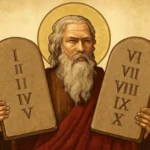
The Catholic tradition refers to the Ten Commandments as the core of God’s moral law given to his people. They are also called the Decalogue (the “Ten Words”) or the Moral Law that shapes conscience and guides daily choices. In Catholic teaching, these commandments are not abstract relics of ancient ritual; they are living invitations to love God, to respect other people, and to shape a just and compassionate society. They are presented not merely as a list of prohibitions, but as a coherent program for virtue, growth in holiness, and a healthy relationship with God, neighbor, and self.
To speak of the Catholic Ten Commandments is to speak of a framework that Catholics read through the lens of Jesus Christ. The Church often calls them the Decalogue or the Ten Words, reminding believers that these are God’s words offered in covenant, not merely social rules. Throughout history, theologians have emphasized that the commandments reveal the order of love—how we should order our loves so that God remains first, and our neighbor is treated with dignity. This article explores what each commandment means, why it matters today, and practical ways to live them out in families, work, friendships, and communities.
What are the Catholic Ten Commandments?
In Catholic teaching, the Ten Commandments are presented with a particular numbering and emphasis that reflects the Church’s interpretation of Scripture and tradition. They are not simply a list of do’s and don’ts; they are a catechetical map that points toward holiness. Catholics also refer to the commandments as the Decalogue or the Ten Words, highlighting their origin in God’s revelation and their role in shaping a mature conscience. The following ten items reflect the standard Catholic formulation and are followed by brief explanations to illuminate their meaning and practical application.
First Commandment: You shall have no other gods before me.
This commandment calls for the exclusive worship and ultimate trust due to the one living God. It is not only about religious rituals but about the ordering of our loves and priorities. In Catholic life, this means placing God at the center of daily decisions, resisting idols that promise security—whether wealth, power, fame, or status—and cultivating a living relationship with God through prayer, worship, and daily fidelity.
Practical living: make time for daily prayer and the Mass, study Scripture and Catholic teaching, cultivate a sacramental imagination (recognizing signs like the Eucharist as encounters with Christ), and guard against superstition or magical thinking that substitutes for trust in God.
Exclusive worship and a heartfelt fidelity to God foster a steadfast conscience.
Avoid idolatry—not only carved images, but anything that takes God’s rightful place in your heart.
Recognize that God’s voice is heard in Scripture, in prayer, in the Church’s teaching, and in the witness of the saints.
Second Commandment: You shall not take the name of the Lord your God in vain.
This commandment invites reverence for God’s name and truth. It guards against perjury, blasphemy, and casual misuse of the holy name. In Catholic life, it also invites a habit of honest speech that honors God in all promises and public witness.
Practical living: speak truthfully; honor oaths and commitments; avoid careless or mocking remarks about sacred things; use God’s name with reverence in prayer, worship, and in daily conversation.
Cultivate conscientious speech both in private and in public life.
Avoid blasphemy or trivializing the sacred; see words as potential acts of either love or harm.
Encourage integrity in work, politics, and community life by letting truth guide actions.
Third Commandment: Remember to keep holy the Lord’s Day on the Sabbath.
In Catholic understanding, the Sabbath has become the Sunday “Lord’s Day” in honor of Christ’s Resurrection. It is a space of rest, worship, and family renewal. Keeping Sunday holy means participating in the Eucharistic celebration, resting from unnecessary work, and dedicating time to family, charity, and formation.
Practical living: attend Mass on Sundays and Holy Days of Obligation; rest from unnecessary labor; use the day for prayer, study, service, and time with loved ones; cultivate a rhythm of Sabbath rest that refreshes the soul as well as the body.
Participation in the Eucharist is central to the Sunday obligation and a source of grace for the week ahead.
Balance rest with service: consider volunteering, visiting the sick, or caring for neighbors in need.
Guard against using Sunday as a mere leisure day; let it shape a deeper spiritual rhythm.
Fourth Commandment: Honor your father and your mother.
This commandment anchors the dignity of family life, care for the elderly, and the transmission of values across generations. It calls both children and adults to a relationship of mutual respect, gratitude, and responsibility. In Catholic life, the family is the first school of virtue, where people learn how to love, forgive, and cooperate for the common good.
Practical living: show daily consideration for parents and elders; support families in times of need; teach children to respect authority and to discern responsibly; create a home environment where faith and prayer are lived, not merely discussed.
Practice gratitude and obedience within reasonable bounds; respect falls within the scope of love, not blind compliance.
Care for aging relatives with dignity and compassion, recognizing their experience and wisdom.
Support families through community resources, parishes, and mutual aid networks.
Fifth Commandment: You shall not kill.
This venerable commandment upholds the sanctity of life from conception to natural death. Catholic teaching emphasizes that every human life bears the image of God. It condemns direct abortion, euthanasia, infanticide, and unjust killings, while also inviting a broader reflection on how we protect and nurture life at every stage, including care for the vulnerable and opposition to violence in society.
Practical living: cultivate a culture of life by supporting mothers and children, advocating for the vulnerable, promoting mercy and restorative justice, and opposing practices that demean human dignity. It also calls for personal restraint in anger and conflict, choosing nonviolent ways to resolve disputes.
Sixth Commandment: You shall not commit adultery.
This commandment guards the fidelity of the marital bond and the virtue of chastity. Catholic teaching emphasizes that sexuality is a gift to be expressed within the context of lifelong, exclusive marriage, ordered toward the good of spouses and the bearing of children. It invites a healthy formation of desires, respect for the dignity of others, and responsible decision‑making in relationships.
Practical living: cultivate purity and integrity in dating, marriage, and family life; teach children about healthy boundaries and consent; resist pornography and exploitative media; pray for grace to live chastely and faithfully.
Faithful love in marriage is a foundational vocation that mirrors God’s own fidelity.
Form clear boundaries and communicate openly with a spouse or fiancé about values and expectations.
Encourage communities and marriages through counsel, mentoring, and supportive parishes.
Seventh Commandment: You shall not steal.
Property rights and honesty form the heart of this command. It speaks to justice in economic life, fair labor, and the dignity of work. It also invites generous sharing with those in need and a stance against fraud, exploitation, bribery, and deception in personal and public life.
Practical living: honor contracts and wages, avoid deceit in business, pay workers fairly, and steward resources responsibly. The Catholic social tradition links this commandment to the virtue of generosity and to the obligation to help the poor.
Stewardship includes honest accounting, fair trade, and respect for others’ labor.
Explore charitable giving and social outreach as an expression of moral responsibility.
Be mindful of the needs of the marginalized and resist systems that perpetuate poverty.
Eighth Commandment: You shall not bear false witness against your neighbor.
Truth-telling is a cornerstone of justice and trust. This commandment covers lying, deceit, harmful gossip, and spreading rumors. It also emphasizes the duty to defend the reputation of others and to speak honestly in public and private discourse.
Practical living: cultivate a habit of truth, avoid gossip, and correct misinformation with care. In communal life, ask if something you’re about to say will build up or tear down, and seek reconciliation when you have harmed someone’s reputation.
Honesty builds healthy relationships and trustworthy institutions.
Guard the dignity of your neighbor by avoiding sensational or unfounded claims.
Practice charitable truth-telling that seeks the common good and reconciliation.
Ninth Commandment: You shall not covet your neighbor’s wife.
This commandment speaks to the interior life: the formation of desires and the discipline of heart. It calls Christians to purity, chastity, and a respectful stance toward marriage and the sacredness of another’s relationship. It isn’t only about outward actions but about shaping a heart that seeks the good of others and guards against objectification.
Practical living: cultivate inner chastity through prayer, virtue, and accountability; recognize media that objectify others as incompatible with human dignity; support healthy friendships that honor boundaries.
Purity of heart is a daily discipline, aided by prayer and accountability partners.
Avoid pornography, lustful fantasy, or actions that undermine the sanctity of marriage.
Encourage communities to educate about consent, respect, and the dignity of every person.
Tenth Commandment: You shall not covet your neighbor’s goods.
This final commandment addresses the interior life as well: envy, greed, and discontent can corrode character and weakens love of God. It invites generosity, gratitude, and a fair assessment of what we own in light of what others lack. Catholic teaching links this commandment to the virtue of temperance and to social concerns about justice and solidarity with the poor.
Practical living: practice contentment with what you have while growing in generosity; cultivate a spirit of gratitude; support systems that help reduce inequality; resist the endless pursuit of more possessions at the expense of neighborly love.
Contentment and generosity are not opposed but deepen one another.
Engage in acts of charity, even small ones, as a path to a more just world.
Recognize the dignity of work and the right to rightful ownership while remaining mindful of those in need.
Key themes across the Decalogue
Love and worship belong to God alone, shaping every other form of love.
Truthfulness and integrity sustain personal and communal life.
Respect for life and sexual integrity preserve human dignity.
Family and community form the anchor of moral formation and social responsibility.
Common misunderstandings and clarifications
Some people think the commandments are outdated or primarily about individual sins. In Catholic teaching, however, the Decalogue is a comprehensive map for justice, peace, and the common good. It is not simply about personal piety; it shapes how we vote, how we treat workers, how we engage with the vulnerable, and how we build communities where truth and charity prevail. The Catholic interpretation also recognizes that the commandments illuminate natural law—that human beings can know certain goods and evils by reason—and then are fulfilled in Christ, who perfects the law and empowers believers through grace.
Living the Ten Commandments: Practical paths to holiness
Reading the Decalogue is only the first step. Catholic spirituality invites a living response: formation of conscience, participation in the sacramental life, and active virtue in daily work and relationships. Here are practical paths to integrate the Catholic Ten Commandments into everyday life, with attention to families, individuals, and communities.
Prayer and discernment: Begin with daily prayer to invite God to form your conscience. Use the Examination of Conscience at the end of the day to review how well you live out each commandment.
Sacramental life: Regular reception of the Eucharist and the Sacrament of Reconciliation helps heal wounds, strengthen virtue, and align actions with God’s will.
Study and formation: Learn the Church’s teaching about the commandments through catechesis, scripture study, and the lives of the saints who model heroic virtue.
Charity and justice: Put the commandments into action by serving the poor, defending human dignity, and building just institutions that protect life and family.
Family life: Make the home a school of virtue where prayer, forgiveness, and mutual respect are daily practices.
Living the Decalogue in family life
Families often find practical fruit in intentional routines: weekly family prayer, shared meals, role modeling of temperance and kindness, and honest communication. The First Commandment anchors a home in God, the Fourth Commandment shapes family respect and responsibility, and the Seventh and Tenth commandments encourage fair dealing and generous stewardship of resources.
Catholic social teaching and the commandments
Many Catholics see the Decalogue as a hinge toward social responsibility. The commands support concepts found in Catholic social teaching: the primacy of human dignity, the preferential option for the poor, solidarity with neighbors, and a call to the common good. When Christians live these commandments in public life—work, politics, education, and culture—they bear witness to a God who loves every person and desires a world where life is protected, truth is protected, and goods are shared with justice.
Theological context: Why these commandments matter today
In a rapidly changing world, the Catholic Church teaches that the Ten Commandments provide a timeless orientation. They answer the deepest human questions: What is the right order of love? How should a person relate to God, to others, and to oneself? How should communities be built to honor life, truth, and freedom? The commandments, understood in light of Christ, form a framework for moral discernment that helps believers navigate complex situations—bioethics, economic justice, technology, and social media—with virtue and courage.
Variations in wording and numbering: a note on semantic breadth
Different Christian traditions group and word the commandments with subtle differences. Catholics emphasize the First Commandment’s call to exclusive worship, while some other traditions separate the prohibition on idols into a distinct second commandment. The Catholic version typically presents the command about keeping the Lord’s Day as the Third Commandment, while Protestants may number it differently. Regardless of numbering, the essential call remains: to love and worship the one God, to live truthfully, to honor family and life, and to order one’s desires toward goods that can lead us closer to God and neighbor. When we talk about the commandments in different contexts, we are describing the same moral truth in a way that helps people connect ancient wisdom with contemporary life.
Living the Catholic Ten Commandments is not a one-time decision but a lifelong process of grace-filled conversion, formation of conscience, and disciplined freedom. They are a teacher that guides a person from disordered desires toward a life ordered to love. By placing God first, honoring truth, protecting life, and practicing justice and mercy in everyday encounters, Catholics participate in the healing work of Christ in the world. The Decalogue invites every heart to mature in virtue and to become a sign of God’s kingdom—where love is patient, truth is courageous, and life is cherished at every stage. In that sense, the commandments are not only a legacy from the past; they are a living invitation to a future shaped by grace, hope, and love.
Endnote: This article uses variations of the traditional Catholic phrasing to broaden semantic breadth—referring to the Decalogue, the Ten Words, and the Ten Commandments interchangeably while preserving the core meaning for today’s readers. It is written to be informative for Catholics and interested readers alike who want to understand what the commandments mean and how to live them with integrity in the modern world.










Leave a Reply