Divine healing: Meaning, prayer, and practical wisdom
Divine healing: Meaning, prayer, and practical wisdom
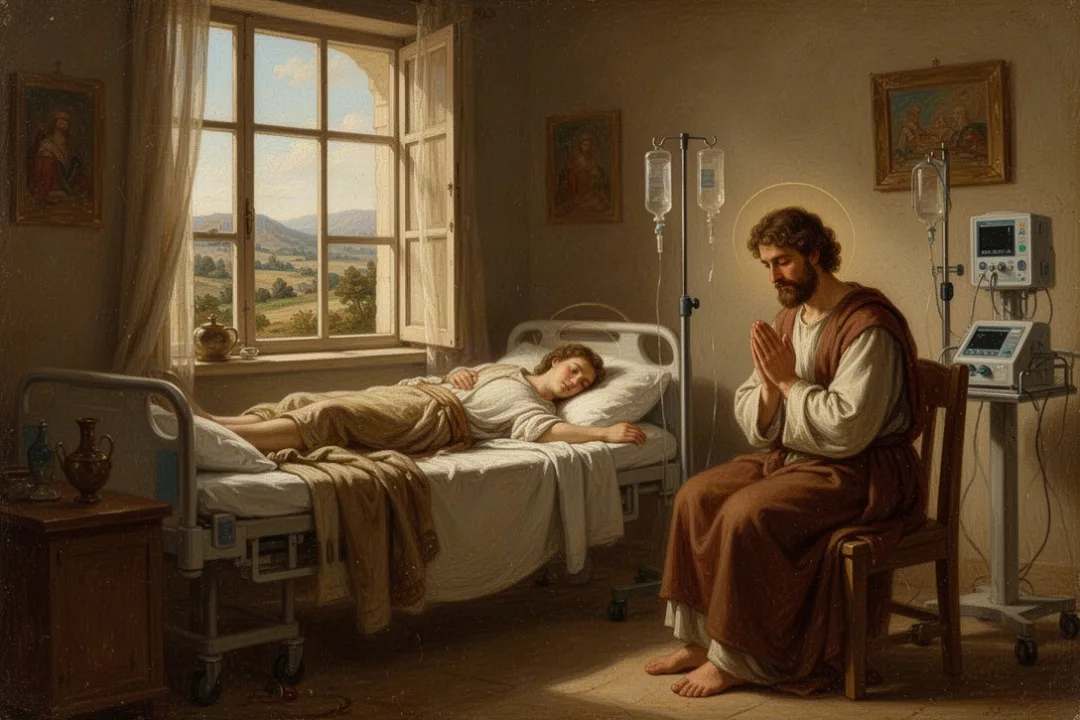
When you or someone you love is sick, you may wonder, “Can prayer bring healing?” Christians have asked that question for centuries. The term divine healing usually describes the belief that God can restore physical, emotional, or spiritual health, sometimes through a sudden answer to prayer and sometimes through ordinary means such as doctors, medication, rest, and supportive relationships.
Divine healing is not a guarantee that every illness will disappear immediately. Christian traditions differ in how they understand miracles, suffering, medical treatment, and God’s will. A careful approach makes room for faith and medical care, hope and grief, confident prayer and honest uncertainty.
Safety first: Prayer can accompany medical treatment, but it should not replace urgent care, prescribed medication, professional counseling, or emergency services. Do not stop treatment because someone promises that healing will come through faith alone.
Divine healing is the belief that God is involved in human restoration. Some people use the phrase narrowly to mean a miraculous physical recovery that cannot be explained by ordinary treatment. Others use it more broadly for any healing that comes through God’s care, including surgery, therapy, medication, gradual recovery, forgiveness, peace, and renewed strength.
The word “divine” points to God as the source of healing. The word “healing” can refer to more than the removal of symptoms. A person may experience healing in the body, mind, relationships, or spiritual life. These forms of healing can overlap, but they are not identical. Someone may remain physically ill while receiving comfort, reconciliation, courage, or freedom from shame.
Many Christians connect divine healing with God’s character as compassionate and life-giving. They also believe that the world remains affected by disease, death, injustice, and human limitation. That tension explains why Christians may pray sincerely for recovery while recognizing that not every prayer produces the outcome requested.
Some churches emphasize healing prayer as a regular part of worship. Others focus more on God’s presence during suffering and on the healing work of healthcare professionals. Within both approaches, responsible teaching avoids blaming sick people for their condition or treating illness as proof of weak faith.
What the Bible teaches about healing
The Bible presents healing in several different ways. The Hebrew Scriptures describe God as the one who sustains life and restores people, while also showing faithful individuals facing illness, grief, and unanswered questions. Prayers such as Psalm 6, Psalm 30, and Psalm 103 express a desire for healing and thank God for mercy without reducing every illness to a simple spiritual formula.
The ministry of Jesus gives healing a prominent place in the Gospels. Matthew 4 and Luke 4 describe healing as part of Jesus’ compassionate work among people who were suffering. Accounts such as Mark 1, Mark 5, and John 9 show him responding to physical illness, long-term disability, and social exclusion. These stories emphasize compassion and restoration, not public performance or pressure.
Jesus’ healings also restored people to community. A person who had been isolated because of illness could return to family, work, worship, and ordinary social life. That broader restoration matters because sickness often affects finances, identity, relationships, and emotional well-being as much as the body.
The New Testament also describes prayer for the sick. James 5 encourages believers to call church leaders, pray, and offer care to someone who is ill. The passage points toward communal support and trust in God. It does not provide a mechanical guarantee that every person will receive an immediate physical cure.
Paul’s letters show another side of the subject. In 2 Corinthians 12, Paul describes asking repeatedly for relief from a persistent affliction and receiving an answer centered on God’s sustaining grace rather than the removal of the problem. In 1 Timothy 5, he gives practical health-related advice to Timothy. These passages suggest that faithful Christian practice can include prayer and practical care.
The Bible’s larger picture is that healing is already present in some ways but not complete in every way. Romans 8 speaks of creation’s groaning and of hope for future renewal. Revelation 21 presents a vision in which suffering, death, and mourning no longer have the final word. Christians differ about the timing and details of that future, but many see it as the ultimate promise of restoration.
How divine healing may be understood
People commonly describe divine healing through several patterns. These categories are not strict rules, and one experience may fit more than one. They can help explain why Christians use the same phrase while referring to different kinds of healing.
Sudden physical recovery: A condition improves quickly after prayer, sometimes in a way the person and medical team did not expect.
Healing through treatment: Doctors, nurses, medication, surgery, rehabilitation, or therapy become the means through which health improves.
Gradual restoration: Recovery unfolds over weeks, months, or years through patience, care, lifestyle changes, and support.
Emotional or mental healing: A person receives help with trauma, anxiety, depression, grief, addiction, or shame.
Relational healing: Estranged family members reconcile, harmful patterns change, or a person finds a safer community.
Spiritual strengthening: Someone gains peace, forgiveness, meaning, or endurance even while a physical condition remains.
End-of-life peace: A person and family experience acceptance, comfort, reconciliation, or freedom from fear near death.
Calling treatment a possible instrument of divine healing does not mean every treatment works or that every medical outcome has a simple spiritual explanation. It means many believers see wisdom, skill, compassion, and scientific knowledge as gifts that can serve human well-being.
How to pray for healing without making false promises
A prayer for healing can be direct and specific. You might name the illness, ask for relief from pain, request wisdom for clinicians, and pray for strength for the person’s family. Specific prayer helps people express their concern honestly rather than hiding behind vague religious language.
At the same time, prayer does not need to sound certain about an outcome you cannot control. A person may pray with confidence that God hears while remaining humble about whether a particular cure will happen. This distinction protects people from the damaging message that a lack of recovery proves a lack of faith.
A balanced prayer may include several requests:
Ask for healing, comfort, and reduced pain.
Ask for accurate diagnosis and wise medical decisions.
Ask for strength during treatment and recovery.
Ask for patience and practical help for caregivers.
Ask for peace without pretending the illness is easy.
Ask for courage to accept support from others.
Leave room for grief, uncertainty, and honest questions.
Prayer can be private or shared with trusted people. Some Christians find it meaningful to pray in a church, hospital room, home, or quiet outdoor space. Others prefer written prayers, silence, music, or a brief request repeated throughout the day. The form matters less than honesty, compassion, and respect for the person receiving prayer.
What healing prayer should look like in a healthy church
A responsible healing service centers the person who is suffering rather than the reputation of the person praying. The person requesting prayer should be told what will happen, asked for consent, and allowed to stop at any time. No one should be touched, anointed, questioned publicly, or surrounded by a group without permission.
Healthy prayer also avoids creating emotional pressure. Tears, physical sensations, or a strong emotional response may occur, but they do not prove that healing has taken place. A person should never be told to exaggerate improvement, reject medical evidence, or announce a miracle before they understand their condition.
Church leaders should protect privacy. Details about a diagnosis, mental health condition, infertility, addiction, or family crisis should not be shared publicly without clear consent. Children and adults who depend on others require special care because they may feel unable to refuse prayer or challenge a spiritual authority.
After prayer, practical support may be more helpful than repeated promises. A church can provide meals, transportation, childcare, visits, financial assistance, and companionship at medical appointments. Compassion becomes credible through action.
A trustworthy promise: No one can responsibly guarantee a specific healing date or outcome. People can promise to pray, listen, respect medical care, protect privacy, and remain present during uncertainty.
Why faith does not make illness someone’s fault
One of the most harmful teachings about divine healing is the idea that a person remains sick because they have insufficient faith. That claim can produce guilt, fear, secrecy, and isolation. It may also push people to hide symptoms or delay treatment in order to appear spiritually strong.
Illness has many possible causes, including infection, genetics, aging, injury, environmental exposure, stress, and complex interactions that medicine does not yet fully understand. A health condition cannot be used as a reliable measure of a person’s spiritual maturity. The Bible itself includes faithful people who suffered and asks difficult questions about suffering rather than offering one explanation for every case.
It is also unhelpful to label illness as punishment without clear grounds. Such statements can deepen shame and damage a person’s relationship with God and with their community. Even when someone’s behavior contributes to a health problem, responsible care focuses on treatment, accountability, and change rather than condemnation.
When healing does not happen, the person who is sick may feel disappointed, angry, confused, or abandoned. Those reactions do not mean the person has rejected God. A supportive friend can listen without correcting the emotion, offering a quick explanation, or insisting that everything will work out in a particular way.
How divine healing relates to medical treatment
Prayer and medicine answer different kinds of questions. Prayer may address trust, meaning, comfort, hope, and relationship with God. Medical care addresses diagnosis, symptoms, risk, prevention, and treatment using professional training and evidence. Many Christians see no conflict between these roles.
Seek medical attention for new, severe, or persistent symptoms. Call emergency services for signs such as severe trouble breathing, chest pressure, sudden weakness on one side, serious bleeding, loss of consciousness, or an immediate danger to yourself or someone else. A prayer service is not an alternative to urgent care.
Keep healthcare professionals informed about supplements, fasting, spiritual practices, and any decision that could affect treatment. Some herbs and supplements interact with prescription drugs. Fasting can be unsafe for people with certain conditions or medication schedules. A clinician or pharmacist can help you make a safer plan.
Mental and emotional suffering deserves the same seriousness as physical illness. A licensed therapist, psychiatrist, physician, crisis counselor, or addiction specialist may provide needed care. Prayer can accompany that support, but telling someone to pray instead of seeking professional help can delay treatment and increase danger.
Caregivers also need support. They may be exhausted, frightened, or overwhelmed by financial and practical responsibilities. A church community can help with meals and transportation, while healthcare teams can connect families with social workers, support groups, palliative care, or other resources.
Practical tips and common mistakes when seeking healing
Approaching divine healing with wisdom protects both faith and health. The following practices can help you seek prayer without surrendering judgment or placing unfair pressure on yourself or someone else.
Choose trustworthy people. Ask for prayer from people who respect consent, privacy, medical advice, and your right to say no.
Describe your needs clearly. Say whether you want silent prayer, a short prayer, a visit, or practical assistance. You do not owe anyone a full medical history.
Continue appropriate treatment. Keep appointments, take medication as directed, and discuss changes with your healthcare team.
Record symptoms honestly. Track pain, sleep, side effects, mobility, mood, and other relevant changes instead of relying only on a dramatic moment.
Ask for practical help. Request rides, meals, childcare, communication with relatives, or help understanding instructions.
Make room for mixed emotions. Hope, fear, anger, gratitude, and sadness can exist at the same time.
Protect vulnerable people. Never pressure children, dependent adults, or people in crisis to participate in public prayer or make spiritual claims.
Evaluate claims carefully. Ask whether an improvement has been medically assessed and whether other explanations have been considered.
Common mistakes include treating a private prayer impression as a guaranteed prophecy, equating strong emotion with physical recovery, and encouraging someone to discontinue medication. Another mistake is speaking about a person’s illness as though it exists mainly to teach other people a lesson.
Be cautious when a ministry demands money for guaranteed healing, discourages doctors, promises results within a certain time, or blames those who remain sick. Spiritual authority should never be used to control medical decisions. A person can leave a prayer gathering, decline anointing, or ask for a different leader without feeling guilty.
How to support someone who is waiting for healing
Start by asking what kind of support the person wants. They may want prayer, conversation, silence, transportation, help with food, or simply someone who will sit nearby. Do not assume that every sick person wants frequent updates, advice, or visitors.
Use language that communicates presence rather than certainty. “I am praying for you,” “I can help with a ride,” and “You do not have to explain everything” are often more supportive than “You will definitely be healed.” Avoid comparing their condition with someone else’s recovery story.
Practical help should be specific. Instead of saying, “Let me know if you need anything,” offer choices such as dropping off dinner on a certain day, picking up a prescription, watching children during an appointment, or organizing a rotating schedule among friends.
Respect changes in the person’s beliefs. Illness can raise questions about God, prayer, justice, and mortality. You do not need to solve those questions. Listening without debate may be one of the most caring forms of support you can offer.
If the person expresses hopelessness, self-harm, or a desire to die, treat the situation as urgent. Stay with them if it is safe, contact emergency services or a crisis resource, and involve a qualified mental health professional. Prayer may be part of support, but immediate safety comes first.
How to think about unanswered prayer
Unanswered prayer is not a minor issue for people who believe in divine healing. A person may pray for years, receive multiple treatments, and still live with pain or disability. Families may feel grief when a loved one dies despite devoted prayer. These experiences deserve compassion, not easy explanations.
Different Christian traditions interpret unanswered prayer in different ways. Some emphasize mystery and God’s freedom. Some focus on the hope of future restoration. Others stress the importance of human action, community care, and honest lament. A person may hold onto faith while questioning familiar teachings about healing.
Lament has a place in Christian prayer. Biblical prayers such as Psalm 13 and Lamentations 3 show people bringing fear, anger, sorrow, and confusion to God. These passages do not require a cheerful performance. They suggest that honest grief can remain part of a relationship with God.
When a cure does not occur, healing may still be described in ways that do not deny the loss. A person may find relief from isolation, reconcile with family, receive effective pain management, discover meaning, or experience peace. These possibilities should never be used to minimize physical suffering. They are forms of care alongside the reality of what remains difficult.
What divine healing can mean in everyday life
Divine healing is often discussed as a dramatic miracle, but many believers recognize God’s care in ordinary processes. A skilled surgeon, a friend who provides steady support, a therapist who helps someone process trauma, and a patient who follows a difficult rehabilitation plan may all become part of a healing story.
This broader understanding avoids a false choice between supernatural action and human responsibility. It also honors people whose recovery is slow, incomplete, or invisible. Someone living with chronic pain may be receiving meaningful care even when they do not look healed to others.
For some people, divine healing means bodily recovery. For others, it means the strength to endure, the courage to seek help, the restoration of a damaged relationship, or confidence that suffering does not define their worth. Christians may disagree about the explanation, but a shared commitment to truth, mercy, and responsible care can guide the way they respond.
Prayer can express hope without denying reality. Medical treatment can pursue recovery without rejecting faith. Community can carry burdens without claiming to control the outcome. Held together, these practices offer a more compassionate understanding of divine healing—one that welcomes miracles but does not demand them, and one that protects people while they wait.
Frequently asked questions
Is divine healing the same as a miracle?
Not always. Some Christians use divine healing to mean a sudden recovery that seems miraculous, while others include healing through medicine, therapy, rehabilitation, emotional support, or gradual improvement. The phrase can also describe spiritual or relational restoration. Its meaning depends on the person’s tradition, but it should not be used to make unsupported medical claims.
Can I pray for healing and still see a doctor?
Yes. Many Christians pray while also receiving diagnosis and treatment from qualified professionals. Medical care can address causes and symptoms, while prayer may provide comfort, hope, wisdom, and community support. Do not stop prescriptions, avoid urgent care, or change a treatment plan because of a prayer claim without discussing the decision with your healthcare provider.
What should I say to someone whose healing prayer was not answered?
Acknowledge the disappointment without trying to explain it away. You might say, “I am sorry this remains so hard, and I am here with you.” Continue offering practical help, listen to questions, and avoid suggesting that the person lacked faith or caused the illness. Respect their freedom to grieve, doubt, pray, or remain silent.
How can I tell whether a healing ministry is trustworthy?
Look for leaders who respect consent, privacy, medical treatment, and personal boundaries. Be cautious of anyone who guarantees results, demands money for healing, blames sick people, pressures public testimony, or discourages professional care. A responsible ministry welcomes questions, allows people to decline participation, and offers practical support without controlling medical decisions.









Leave a Reply