Overview: what a Greek Orthodox prayer book is and how it serves the faithful
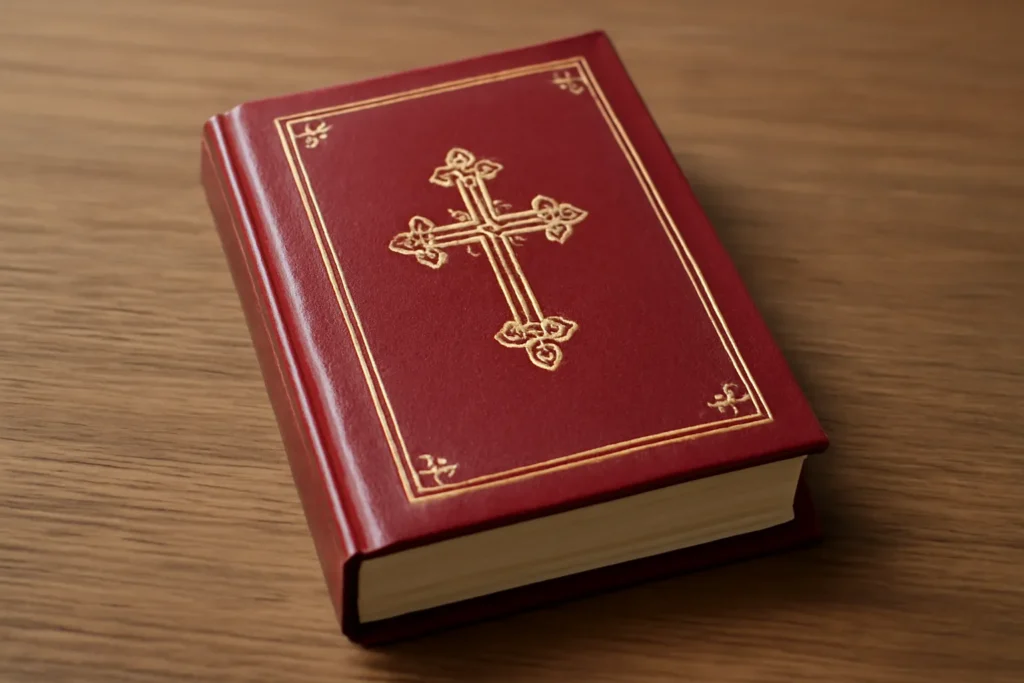
A Greek Orthodox prayer book is more than a collection of prayers. It is a structured companion for daily worship, spiritual formation, and a rhythm for life. In the Greek Orthodox tradition, prayer books serve as both liturgical guide and devotional resource. They connect laypeople with centuries of worship, the language of the ancient Church, and the lived experience of worshiping communities across Greece, Cyprus, and the global diaspora. Variations of the Orthodox prayer book exist—sometimes called a Greek liturgical book, a Orthodox Greek prayer collection, or simply a prayer book in the Greek tradition—but all share a common aim: to help the believer pray consistently, reverently, and with understanding.
In this guide we will explore the main categories of the Greek Orthodox prayer book, how to use them in daily life, and practical tips for beginners and seasoned readers alike. You will encounter terms such as the Horologion, the Euchologion, the psalter, and devotional services like the Akathist and the Paraklesis. We will also discuss how these sources relate to the Divine Liturgy, the daily cycle of prayer, and home worship. Whether you seek a traditional printed volume in English or a bilingual edition with Greek and English, this article offers practical guidance to navigate the world of Orthodox prayer books with confidence.
Core terms: core components of the Greek Orthodox prayer book ecosystem
A typical framework for the Greek Orthodox prayer tradition includes several interconnected books. Understanding their roles helps you choose the right volume and use it effectively in daily life.
Horologion (Book of Hours) – the central liturgical book containing the fixed order and hymns of the daily cycle of prayer. It provides the structure for morning and evening prayers and the various Hours (First, Third, Sixth, Ninth) that accompany the day.
Euchologion (Book of Prayers) – a collection of prayers, blessings, and services used by clergy, but whose contents are often referenced by laypeople in home worship and parish life. It includes numerous prayers for special occasions, sacraments, and intercessions.
Psalter (Book of Psalms) – the scriptural backbone of Eastern Christian prayer, featuring the Psalms arranged for liturgical use and personal recitation. The Psalter is often integrated into both the Horologion and home prayer practice.
Akathist and Paraklesis – devotional services devoted to the Theotokos (Virgin Mary) or to certain saints, widely included in many Greek Orthodox prayer books as stand-alone services or as appendices for special times of the year.
Troparia, Kontakia, Irmoi – short hymns, verses, and refrains that appear throughout the services, used for chant or spoken prayer as part of the daily cycle and special services.
Stichologia (sometimes present as part of a larger volume) – a collection of stichera and responses used in the daily cycle and vespers, matins, and other services.
Important variations and how they relate to “the Greek Orthodox prayer book” in different contexts
When people refer to a Greek Orthodox prayer book, they may be talking about different texts depending on context, region, and liturgical tradition. Some common distinctions include:
Household prayer books versus clerical service books – devotional editions designed for lay use typically emphasize morning and evening prayers, the Jesus Prayer, and selected psalms, with simplified language and practical guidance.
English-language editions versus bilingual Greek–English editions – editions designed for diaspora communities often include glossaries, transliteration, and annotations to facilitate understanding of Greek terms.
Liturgical text bundles versus personal prayer companions – some volumes primarily reproduce the texts for the Divine Liturgy and daily Offices, while others emphasize meditative prayers, saints’ lives, and seasonal devotions for personal use.
Medieval to modern editions – older prints may reflect more elaborate chant and rubrics, while modern editions aim for readability, clear translation, and practical usage in homes and small prayer groups.
How the daily cycle is expressed in the Horologion and related prayer books
The heart of the Greek Orthodox prayer tradition is the daily cycle of services, often grounded in the Horologion. This is sometimes referred to as the Book of Hours or, in some translations, the Orthodox Hours. The daily cycle includes several fixed elements:
First Hour, Third Hour, Sixth Hour, and Ninth Hour – short prayers and psalms recited at specific hours of the day, commemorating particular events in the life of Christ or invoking God’s mercy at different times.
Midnight Office (or nocturnal prayer) – a prior-night or early-morning cycle that prepares the faithful for the day ahead; depending on local practice, this can be a shorter or longer rite.
Vespers and Matins – evening and morning services that often bookend the day with expansive hymns, canticles, and readings. In many families and parishes, these services are celebrated in the church but also studied and prayed at home using the Horologion as a guide.
Little Hours – brief recitations integrated into the day, typically recited in connection with work or family routines, drawing on the psalms and troparia of the day.
For home use, the Horologion provides a compact yet comprehensive path through the daily rhythm. A lay reader or householder can follow the structure, chant or read the hymns, and connect with a shared tradition even when parish life is not immediately available. In addition to the fixed texts, many Greek Orthodox prayer books offer guidance on how to incorporate personal petitions, gratitude prayers, and intercessions for family, friends, and the world.
A practical prayer book for laypeople often integrates a balanced selection of prayers, psalms, and hymns drawn from the broader liturgical tradition. The following components are particularly relevant for daily home practice.
Morning prayers and a brief “Thanksgiving for the Day” to begin with a spirit of gratitude and focus.
Evening prayers that reflect on the day’s events, seek forgiveness, and entrust tomorrow to God’s mercy.
Jesus Prayer (the prayer of the heart) — a central practice for many Orthodox Christians, often repeated in the rhythm of a prayer rope, beads, or quiet repetition: “Lord Jesus Christ, Son of God, have mercy on me, a sinner.”
Trisagion prayers – “Holy God, Holy Mighty, Holy Immortal, have mercy on us,” a compact and powerful invocation used in many services and personal prayers.
Psalmody – selection of psalms set for morning and evening usage, often including canticles and responses from the Office.
Short prayers and petitions – intercessions for family, clergy, health, work, peace, and protection during travel or illness.
Prayers for the home – blessings for the home, meals, and family life; sometimes these are found in an appended section or a companion booklet.
Seasonal and feast-day prayers – prayers that mark Christmas, Pascha (Easter), Theophany, Eastertide, and other significant seasons in the liturgical year.
Special devotional services frequently included in Greek Orthodox prayer books
Beyond the daily and personal prayers, many prayer books incorporate longer services that are widely used in the life of families and parishes.
Akathist Hymn – a meditative hymn often dedicated to the Theotokos or Christ, recited over several days or during particular seasons of devotion.
Paraklesis (Supplication Service) – a Marian supplicatory service, traditionally offered during times of need or distress, invoking Mary’s intercession.
Kontakion and Ikos collections – short hymns used within the daily cycle or special services, providing reflective refrains for quiet contemplation or communal singing.
Canons – a sequence of devotional stanzas (usually sung during Matins) focusing on saints or the life of Christ; in a home setting, readers may encounter abbreviated canons and selected odes.
How to use a Greek Orthodox prayer book at home: practical steps
Bringing the Greek Orthodox prayer book into daily life requires a blend of intention, readability, and rhythm. The following practical steps can help you establish a sustainable practice, whether you are a beginner or returning to a more structured routine.
Choose the right edition for your language preference and liturgical familiarity. Look for translations that include glosses for Greek terms, transliterations of Greek prayers, and clear rubrics.
Create a dedicated space for prayer. A small table, icon corner, or shelf with a cross, a candle, and the prayer book can anchor your practice and reduce distractions.
Start with a realistic routine. Begin with a brief morning prayer sequence and a short evening prayer, gradually adding a Psalm or a Marian prayer as you grow more comfortable.
Use the psalter regularly. Reciting a few psalms each day can ground your practice in Scripture and align your prayers with the historical rhythm of Orthodox worship.
Incorporate the Jesus Prayer as a gentle, continuous thread through the day, especially during quiet moments, commuting, or work breaks.
Read, don’t rush. When you encounter unfamiliar terms or titles, pause to reflect on their meaning and significance. Use transliterations or glossaries if needed to maintain reverence and comprehension.
Adapt to your season. Different times of the year (Great Lent, Pascha, Advent-like periods in Orthodox practice, or ordinary time) invite different prayers and contemplations. Your prayer book should be a living guide, not a rigid rulebook.
Sample daily routine: a practical outline for home worship
The following routine is a gentle introduction to a daily practice that can be done in about 15–25 minutes, depending on depth and pace.
Opening prayer (short invocation, gratitude, and sanctification of the space).
Morning psalms (one or two Psalms or a brief selection from the Psalter).
Morning readings from a Gospel passage or a short homily excerpt, if included in your prayer book, followed by a brief reflection.
Jesus Prayer cycle (5–10 minutes of repetition with a prayer rope or counting beads).
Intercessions for family, friends, parish, community leaders, and needs in the world.
Lord’s Prayer and a closing doxology or blessing to end the session.
Evening reflection with a short renewal of petitions and gratitude for the day, if time allows.
Common mistakes to avoid and tips for beginners and seasoned readers
As with any prayer tradition, beginners may encounter a few pitfalls. Being aware of them can help you maintain a healthy, meaningful practice.
Rushing through prayers in order to “finish.” Take time to contemplate each phrase, especially when reciting liturgical hymns and psalms.
Overloading the practice with too many exercises at once. Start small, then gradually add more elements as you grow comfortable with the cadence.
Relying solely on memory and neglecting the text. Use the written prayers as a guide, and keep a corner for reading and reflection when needed.
Neglecting the role of silence. Silence is a legitimate and important part of Orthodox prayer; allow brief pauses for reflection and inner stillness between prayers.
Disregarding the sacral context. The prayer book sits within a living tradition that includes icons, church calendar, fasting, confession, and liturgical seasons. If possible, connect your personal practice to these broader elements.
Choosing a practical Greek Orthodox prayer book for personal use
When selecting a volume for home use, consider these practical criteria. A well-suited prayer book should be readable, accurate, and friendly to your routine.
Language and translation – choose a language you understand well. If you are comfortable with Greek, you might enjoy a bilingual edition that helps you learn prayer language. If English is preferred, ensure the translation is clear and not overly ornate.
Organization – look for a layout that groups morning prayers, evening prayers, psalms, and devotional services in a logical order. A beginner-friendly book may include a parallel edition with a concise table of contents and rubrics.
Glossaries and annotations – glossaries for Greek terms, saints’ feast days, and liturgical rubrics help you engage more deeply with the text.
Size and portability – for daily carry or bedside use, a compact edition is practical; for a dedicated prayer corner, a larger, illustrated volume might be comforting and helpful.
Supplementary materials – a companion booklet or a section with “home worship” prayers, seasonal services, and intercessions can enrich your practice.
Compatibility with your parish – if you own a prayer book used by your parish, you’ll find cross-references, rubrics, and common prayers easier to follow during church visits or when following together in church services.
Putting the prayers into practice: spiritual formation and community life
A Greek Orthodox prayer book can be a personal companion, but it also connects you with a living community of believers. Here are some ways to integrate individual practice with communal worship.
Family prayer time – a shared morning or evening session reinforces the faith for children and adults alike and builds a routine that becomes part of family life.
Parish participation – attending Matins or Vespers on designated days enhances the personal practice and invites you to join the wider prayer life of your local church.
Seasonal fasting and feasts – use the prayer book to prepare for the changing liturgical seasons, aligning your personal discipline with the rhythms of the Church year.
Spiritual guidance – consult with a priest or spiritual father or mother when adopting a new practice, especially when considering more advanced services like the Akathist or Paraklesis.
Digital and print options: making the most of modern resources
In today’s world, you can access a Greek Orthodox prayer book in multiple formats, each with its own strengths. Digital editions often come with search features, transliterations, and audio options that can guide pronunciation and intonation. Print editions provide a tactile, contemplative experience—reading, underlining, and keeping a physical copy on a prayer desk can foster a tangible sense of ritual.
Print books with clear typography, durable binding, and user-friendly rubrics remain a reliable choice for daily use and study.
Digital apps may offer daily reminders, reading plans, and audio recitations, which can be especially helpful for learners and younger readers.
Bilingual editions assist with pronunciation and understanding Greek terms, while offering English translations for comprehension and meditation.
Audio resources – some versions provide audio recordings of the daily prayers and hymns, useful for learning chant patterns and natural phrasing.
Historical context: how these volumes evolved and why they endure
The Greek Orthodox prayer tradition is deeply rooted in the ancient Church, with a layered history of liturgical books evolving over centuries. The Horologion emerged as a practical tool to organize the daily cycle of worship, enabling laypeople and clergy to join in a unified liturgical cadence, even when not all participants could attend a full church service. The Euchologion, with its prayers for the sacraments and blessing rites, reflects the priestly dimension of Orthodox worship while still providing material useful for lay people who wish to pray with the same theological themes at home. The psalter anchors the practice in the Psalms, a pillar of Orthodox piety that connects readers with the biblical heritage of the Church.
Over time, regional practices and local Church customs have shaped the exact contents of these prayer books. Yet the essential aim endures: to cultivate a disciplined, attentive, and reverent prayer life that harmonizes personal devotion with the liturgical life of the Church.
Frequently asked questions about the Greek Orthodox prayer book
What is the simplest “starter” prayer book for a beginner?
A compact devotional edition focusing on morning and evening prayers, a selection of Psalms, and a basic Jesus Prayer is a good starting point. Look for a beginner-friendly layout with clear sections and brief annotations.
Can I use a Greek Orthodox prayer book if I don’t speak Greek?
Yes. English or bilingual editions are widely available. Translations, glossaries, and transliterations can greatly help understanding and pronunciation while preserving the structure and beauty of the prayers.
Is it appropriate to use the Horologion at home?
Many laypeople use the Horologion for personal prayer, especially if they want to participate in the daily cycle. If you are new to it, start with the simpler sections and gradually incorporate more of the Hours as you grow comfortable.
How long should my daily prayer practice last?
Even 10–15 minutes can be meaningful. The goal is consistency and reverence, not duration. Gradually you may extend your time as your familiarity increases.
What if I can’t attend church regularly?
A well-chosen home prayer book can keep you connected to the Church’s rhythm, the saints, and the feasts. It becomes a bridge between personal devotion and communal worship, helping you stay grounded in the faith.
Concluding reflections: embracing the practice of prayer through the Greek Orthodox prayer book
A Greek Orthodox prayer book is not merely a reference work; it is a spiritual tool that invites you into a living conversation with God, guided by tradition and enriched by personal devotion. Whether you call it a Orthodox Greek prayer collection, a Horologion for home use, or a compact psalter and prayer companion, the core purpose remains the same: to help you cultivate a steady, humble, and transforming practice of prayer. By approaching these texts with patience, reverence, and curiosity, you join countless Christians who have walked this path for centuries—making your daily life a liturgical work of love.
Remember that the best prayer books serve as mentors: they teach you to observe, reflect, and respond to God’s presence in daily life. Treat the volume with care, keep the texts readable, and let the prayers become a language through which you speak to God, your family, and your world. In this way, the Greek Orthodox prayer book fulfills its enduring promise: to nourish the heart, shape the mind, and anchor the soul in the grace of God.







Leave a Reply