Introduction to a Practical Guide: What is the Eastern Orthodox Christian tradition?
This article provides a broad and accessible overview of Eastern Orthodox Christian belief, practice, and history. It is written for readers who want a practical sense of how the Orthodox Church understands God, salvation, worship, and the life of faith, as well as how this branch of Christianity has developed from the earliest centuries to the present day. In many places the terms Eastern Orthodox Church, Orthodox Christian, and Orthodoxy are used interchangeably in common speech, yet each phrase also carries its own nuance. The goal here is to illuminate the ideas that shape the life of the Orthodox believer while offering a clear map of its history and institutions.
The Eastern Orthodox tradition is rooted in the worship, theology, and communal life that grew up around the Christian centers of the eastern part of the Roman Empire and beyond. It is a tradition that emphasizes continuity with the apostolic church, the richness of liturgical life, the veneration of holy icons, and a theology centered on the mystery of God as Trinity. Throughout this guide, you will encounter a consistent emphasis on living faith expressed through worship, prayer, fasting, and charitable action.
Historical foundations: from the apostles to the Great Schism
The Orthodox Christian tradition traces its origins to the apostolic era. The apostles and theirImmediate successors shaped churches across major cities such as Jerusalem, Antioch, Constantinople, Alexandria, and Rome. As centuries passed, the early Church clarified its teaching through conciliar leadership and the shared life of local churches.
Early Christianity and the formation of the church’s common life
In the first several centuries, Christians gathered in local communities for baptism, the sharing of meals, and the celebration of the Eucharist. The early Christians confessed a common faith expressed in the Nicene Creed and sought to maintain unity in doctrine, discipline, and sacramental life. The Orthodox tradition emphasizes that the Church is the body of Christ in the world, and that the Holy Spirit guides it through the bishops in continuity with the apostles.
The Great Schism and its long shadow
A major turning point occurred in 1054, commonly called the Great Schism, when differences in liturgical practice, theology, language, and ecclesial authority led to a formal separation between the Eastern Orthodox Church and the See of Rome. The root issues include debates about the Filioque clause, papal authority, and jurisdiction. The result was a durable division between what is now known as the Orthodox Church in the East and the Roman Catholic Church in the West. The Orthodox tradition views this event not simply as a political split but as a break in ecclesial communion that has shaped relations to this day.
In the subsequent centuries, the Byzantine world and its successors faced waves of change—conquests, empire, and reform movements—yet the Orthodox Church preserved a distinctive continuity in worship, art, and theology. Even as national churches formed, such as the Russian Orthodox Church and the Greek Orthodox Church, they remained interconnected through shared faith, liturgical pattern, and sacramental life.
The core beliefs of Orthodox Christian faith
The doctrine of the Orthodox Church centers on the mystery of God as the Holy Trinity, the divine plan of salvation, and the life of the Church as the place where believers grow toward union with God. While every local church is self-governing within the larger fellowship, Orthodox Christians share a common theological framework that has been handed down through councils, creeds, and sacred tradition.
Key theological pillars
The Holy Trinity: One God in three persons—Father, Son, and Holy Spirit. The Father is the source, the Son is the Word incarnate, and the Holy Spirit proceeds from the Father. The mutual indwelling and communion within the Trinity is the pattern for human life and for the Church.
The Incarnation: The eternal Word became flesh in Jesus Christ, uniting divinity and humanity. This is the central event of salvation, making possible reconciliation with God and transformation of the world.
Salvation and theosis: The aim of the Christian life is theosis, often described as deification or union with God through grace and cooperation with the Holy Spirit. Salvation is not merely a future destination but a present process of growing into communion with God.
The Church as the Body of Christ: The Church is the visible sign and instrument of salvation, existing as a community of believers, set apart by baptism and nourished by the Eucharist. The local church is part of a larger, universal Church.
Holy Spirit and Tradition: The Holy Spirit inspires the Church, guides its life, and preserves apostolic teaching through Holy Tradition, which includes the Bible, liturgical life, and the consensus of the Fathers and ecumenical councils.
The Theotokos and the veneration of saints: Mary, the Theotokos, is honored as the mother of God, and the saints are remembered and asked to intercede. Icons are considered windows into the heavenly reality and are venerated as part of worship, not worshipped themselves.
The Orthodox Church teaches that God meets believers through a set of sacred acts often called the seven Mysteries (sacraments). These are not mere rituals but encounters with divine grace that shape the believer’s life.
Baptism and Chrismation (anointing with oil) as a single entry into the Christian life.
Eucharist (Communion) as the actual reception of the Body and Blood of Christ, often called the Holy Communion.
Confession (the sacrament of repentance) as a means of healing and forgiveness.
Marriage as a holy vocation within the Church.
Holy Orders (deaconate, priesthood, episcopate) for service in the Church.
Anointing of the Sick as a source of healing and grace for those who suffer.
Chrismation or Anointing after baptism for the gift of the Holy Spirit and continued sanctification.
In the Orthodox understanding, these sacraments are channels of grace that sustain the life of faith. The experience of grace is not a private matter alone but is lived out within a community of worship and service.
Liturgy, worship, and the daily life of prayer
The heart of the Orthodox Christian life is worship. The liturgical life of the Orthodox Church is characterized by beauty, reverence, and a sense of the eternal. The Divine Liturgy, as well as other services, forms the rhythm of the life of the Eastern Orthodox Christian.
Divine Liturgy: the central act of worship
The Divine Liturgy (the Eucharistic service) is the primary weekly celebration in most byzantine rite churches. Its structure typically includes:
The Proskomedia (the preparation of the bread and wine) offered in a quiet space by the clergy.
The Liturgy of the Word, including readings from Scripture and a homily or exhortation.
The Liturgy of the Faithful, culminating in the reception of Holy Communion.
Participatory singing, chants, and the occasional incense to accompany prayers and petitions.
In the Orthodox Church, participation is not limited to the clergy; the faithful actively join in by standing, bowing, making the sign of the cross, and singing. The mood is often contemplative, with a strong sense of mystery and reverence.
Icons, prayer, and the habit of devotion
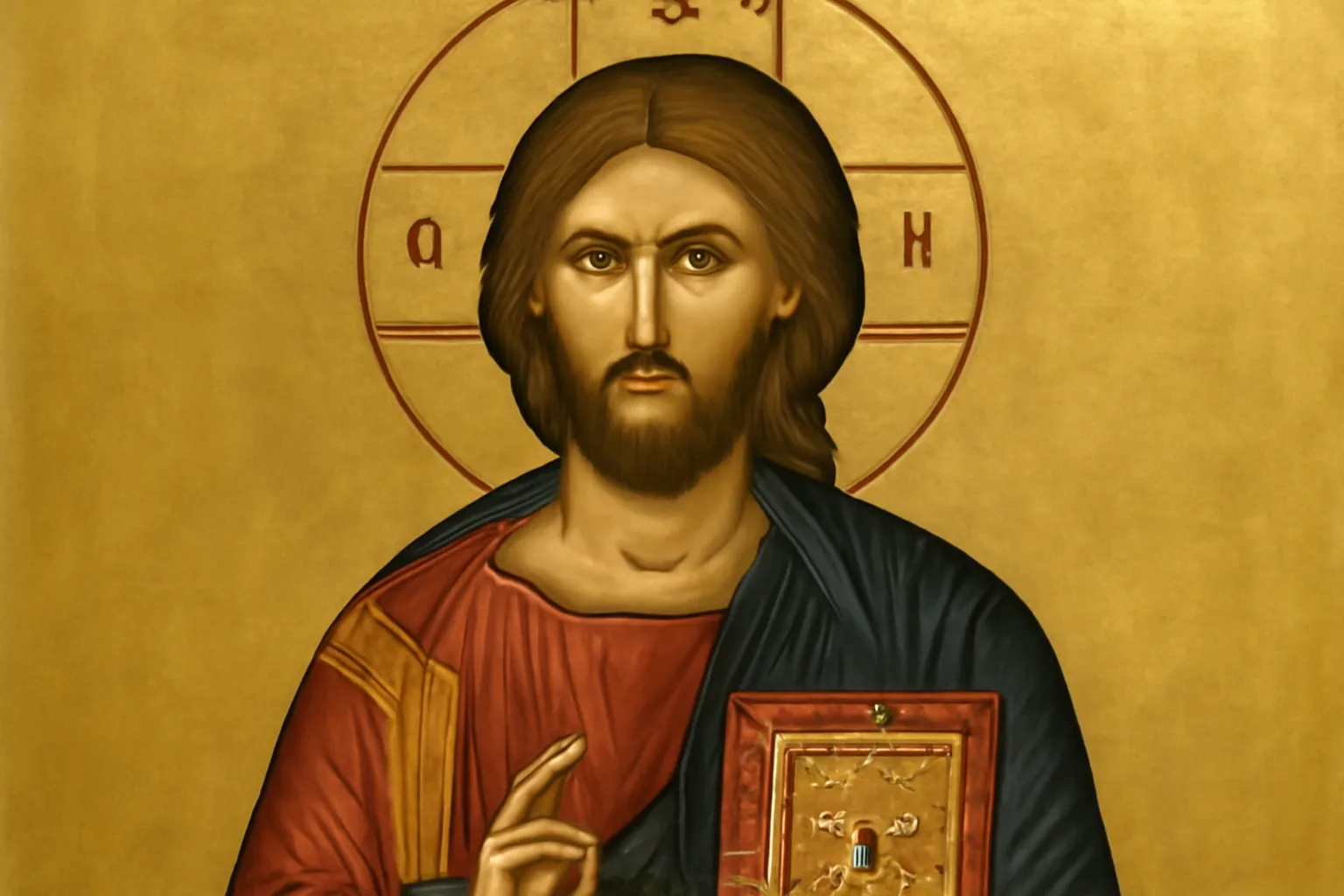
A distinctive feature of Orthodoxy is the use and veneration of ikonography. Icons are regarded as windows to the divine realities they represent and are treated with reverence as part of worship and catechesis. The faithful often have a personal or family icon corner and keep vigil with candles, incense, and prayers before icons.
Beyond the liturgical settings, Orthodox Christians cultivate a daily practice of prayer and fasting. A customary pattern may include morning and evening prayers, the recitation of the Jesus Prayer (often in the form of “Lord Jesus Christ, Son of God, have mercy on me, a sinner”), and regular remembrance of the saints who are considered companions on the Christian journey.
The liturgical calendar: feasts, fasts, and seasons
Great Lent and Holy Week mark a season of intensified fasting, prayer, and repentance leading to Pascha (Easter), the highest feast in the Orthodox year.
Pascha (or Easter) celebrates the resurrection of Christ with a distinctive midnight vigil, the renewal of baptismal vows, and the joyous Paschal feast.
Other major feasts include Nativity (Christmas), Theophany (Epiphany), Annunciation, and the feast days of the Theotokos and the saints.
During fast periods, the laity may observe specific dietary guidelines, limit certain foods, and increase acts of charity and prayer.
The Orthodox Church is a communion of autocephalous (self-governing) churches, each led by bishops and united in faith and sacramental life. While each national or regional church retains administrative autonomy, they share a common faith and are in dialogue with one another through synods and ecumenical conversations.
Hierarchy and jurisdiction
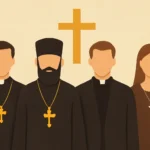
Bishops lead local churches, oversee sacraments, and teachthe faith in harmony with the tradition.
Priests preside at the Eucharist, administer sacraments, and shepherd the people in worship and service.
Deacons assist in liturgy and serve the needy, the poor, and those in counsel.
Major centers and autocephalous churches
Some of the most well-known branches of the Orthodox Christian family include the:
Ecumenical Patriarchate of Constantinople (historically influential for the wider Orthodox world, though not a single hierarchical authority over all churches).
Russian Orthodox Church (the largest in terms of adherents, with a significant historical and cultural footprint).
Greek Orthodox Archdiocese primarily in Greece and the diaspora, with a rich tradition of theology, philosophy, and liturgical music.
Church of Antioch, Church of Jerusalem, and Church of Alexandria—each with its own liturgical heritage and regional expression.
Other national and regional churches include the Serbian Orthodox Church, Romanian Orthodox Church, Bulgarian Orthodox Church, and many others across Europe, the Middle East, Africa, and the Americas.
Ecumenical relations and shared faith
While there are differences in practice and governance, the Orthodox Christian communities maintain shared faith through the seven sacraments, the apostolic succession of bishops, the common liturgical traditions, and the consensus of the early ecumenical councils. Dialogue with other Christian traditions continues in many places, with a focus on shared witness and mutual understanding.
Living the Orthodox life in daily practice
For many people, the practical aspects of being a member of the Eastern Orthodox Church involve a rhythm of worship, prayer, fasting, and service. This is not only a private spiritual exercise but a communal practice that shapes family life, education, and social responsibility.
Daily life and personal devotion
Adherents often cultivate a regular prayer rule, combining short daily prayers with longer contemplative sessions.
Participation in the Divine Liturgy on Sundays and feast days remains central, along with occasional weekday services as local communities permit.
Families may establish a routine of reading Scripture, praying the Jesus Prayer, and venerating icons in the home.
Fasting and feasting: the rhythm of the year
Orthodox Christians observe fasting periods and feasts that shape dietary practices and spiritual focus. Fasting is understood as a discipline that strengthens self-control and charity, rather than merely a set of rules.
Fasting rules vary by jurisdiction and individual health, but commonly involve periods of abstaining from meat, dairy, and other foods, with Wednesday and Friday as regular fasting days.
Feasts celebrate the life of Christ, the Theotokos, and the saints, with liturgical services, processions, and communal meals in many places.
Icons, music, and art
The arts—especially iconography and chant—play a central role in Orthodox worship. Iconography is not merely decorative; it is a form of theology in color and line, expressing truths about the incarnation, holiness, and the cosmos. Sacred music, often based on ancient chant traditions, aims to lead the faithful into deeper prayer and contemplation.
Historical milestones: a timeline for readers
Although the Orthodox Christian tradition spans many centuries and regions, certain moments stand out as especially influential for how the church understands faith and practice.
First centuries: The apostles and early church fathers lay the groundwork for apostolic succession, creeds, and liturgical worship in diverse languages and cultures.
Fourth to eighth centuries: The solidification of doctrine through ecumenical councils and the development of a distinct liturgical and theological character for the East.
Late antiquity and the Byzantine era: The Byzantine Empire fosters a mature liturgical life, theological reflection, and a network of monasteries that shapes Orthodox spirituality.
Schism and medieval evolution: The Great Schism marks a historical division from the Western Church, yet the East maintains continuity in faith and practice with its own development.
Ottoman and modern periods: The Orthodox tradition adapts to imperial rule, national awakenings, and global diaspora, maintaining its identity while engaging with modern society.
Contemporary era: The Diaspora communities spread worldwide, preserving tradition while addressing issues of modern life, ecumenical dialogue, and social service.
Across these centuries, Orthodox Christians have sought to tell the same story: God’s taking on humanity, Christ’s death and resurrection, and the invitation to grow in holiness through the Holy Spirit within the Church.
The Orthodox Christian experience in the modern world
In today’s global context, the Orthodox Church is a living, dynamic community in many nations. It features a vibrant array of customs, languages, and cultural expressions—yet it remains a unified spiritual family grounded in shared faith and sacramental life.
Diaspora and cultural diversity
Orthodox Christians live in North America, Europe, Africa, the Middle East, Asia, and beyond. The diaspora has created diverse Greco-Roman, Slavic, and Middle Eastern liturgical forms, each drawing on local languages and musical traditions while maintaining canonical norms and reverent worship.
Ecumenical dialogue and cooperation
The Orthodox Church participates in ecumenical conversations with other Christian communities and with other religions, seeking common ground where possible and respectful disagreement where necessary. The aim is to witness to the gospel while maintaining fidelity to the apostolic tradition.
Social and moral life
Orthodox Christians often emphasize charity, hospitality, and care for the vulnerable. Parishes run schools, charitable organizations, and outreach programs. The ethical emphasis in the Orthodox tradition centers on healing the whole person—body, mind, and soul—through grace and faithfulness.
Common questions and practical notes about the Orthodox Christian path
For readers new to the tradition, questions about church life, worship, and faith are natural. The following notes address a few frequent curiosities and practical aspects of belonging to the Orthodox Church.
How do Orthodox Christians pray?
Prayer often involves both personal devotion and communal worship, with emphasis on the Jesus Prayer and the intercession of the saints.
In many parishes, worship unfolds in a paced, sensory-rich style with icons, incense, chanting, and bells designed to lift the heart toward God.
What distinguishes Orthodox belief from other Christian traditions?
Continuity with the apostles, expressed through apostolic succession and the long-standing liturgical tradition.
A strong emphasis on divine grace in sacramental life and the goal of theosis—the transformation of the believer into greater union with God.
Is there a single global Orthodox authority?
There is no single global patriarch or pope who governs all Orthodox churches. Instead, the Orthodox Church cooperates through the synodal traditions of its national and regional churches. The Ecumenical Patriarchate of Constantinople is historically seen as a first among equals, but actual governance is distributed among the various autocephalous churches.
How should a newcomer participate in Orthodox worship?
Be open to standing, bowing, making the sign of the cross, and listening to the liturgy with reverence.
Participate in communion if you have been baptized and are appropriately instructed and prepared by a parish priest, as guided by local practice.
Ask a priest or catechist about fasting rules and the church calendar to learn how to participate meaningfully in the year’s rhythm.
A concise glossary of terms you may encounter
The Orthodox Christian tradition uses many specialized terms. Here are a few essential ones, with brief explanations to help readers new to the tradition.
Theosis — the process of growing toward union with God through grace and sanctification.
Icon — a sacred image used in worship and devotion, regarded as a window to the divine reality.
Liturgical year — the cycle of seasons, feasts, and fasts that structure worship and daily life.
Proskomedia — the preparatory rite for the Eucharist, performed by the clergy in the sanctuary.
Eucharist or Holy Communion — the central sacrament in which participants receive the Body and Blood of Christ.
Chrismation — anointing with sacred oil after baptism, often considered part of the same sacramental entry into the Church as baptism.
Conclusion: embracing the practical path of the Orthodox Christian
The Eastern Orthodox Christian tradition invites believers into a life of worship, solidarity, and deep spiritual formation. Its history is long and complex, but its core purpose remains simple: to behold God in Christ, to participate in the life of the Church through the Holy Spirit, and to become more fully human in communion with others. Whether you are exploring the faith, considering a conversion, or seeking to understand a friend or neighbor who belongs to this Orthodox Church, the guide above offers a practical map of beliefs and history that can illuminate the path ahead.
If you wish to learn more, consider visiting a local parish, reading primary sources from church fathers, or attending an introductory course in Orthodox theology and liturgy. The journey into Orthodox faith is not a sprint but a lifelong rhythm of learning, prayer, and service—an invitation to live out the gospel within a community that has preserved the ancient faith through many generations of Christians.

 Por Laura Jara