How to Become a Hospital Chaplain: A Step-by-Step Guide to Training, Education, and Certification
How to Become a Hospital Chaplain: A Step-by-Step Guide to Training, Education, and Certification
Embarking on a path to become a hospital chaplain is a journey that blends spiritual care with clinical settings. It requires a clear sense of calling, solid education, hands-on training, and ongoing commitment to professional development. Hospital chaplains offer support to patients, families, and staff across a wide range of beliefs and cultures, helping people find meaning, comfort, and resilience during times of illness, crisis, and end-of-life care. This article provides a comprehensive, step-by-step guide to training, education, and certification, with practical advice on how to pursue this vocation in today’s health care environment.
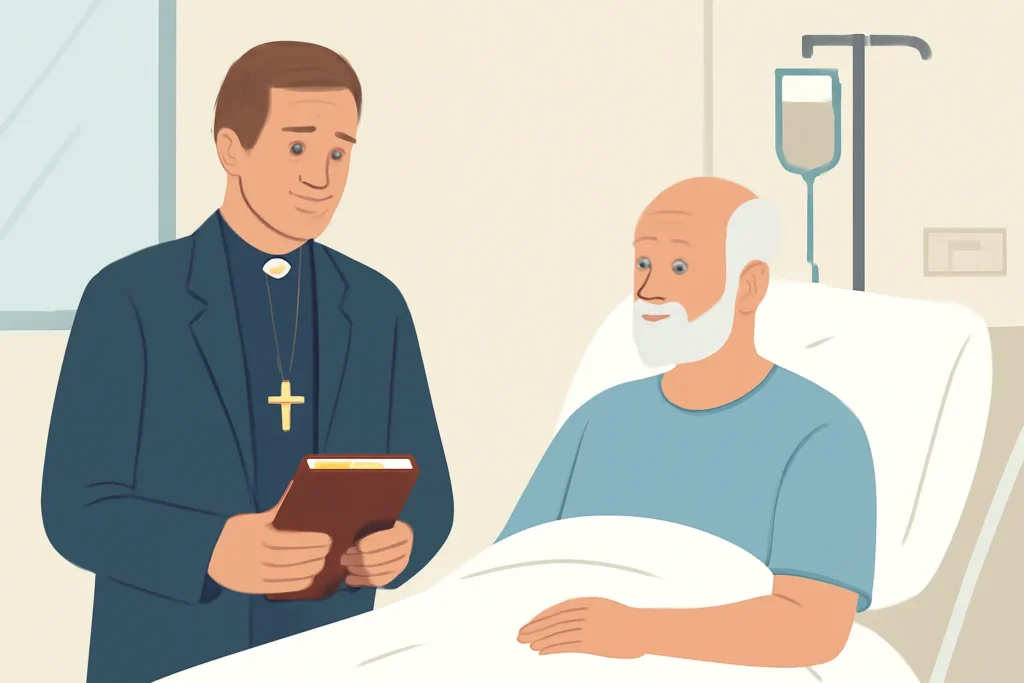
A hospital chaplain is a trained spiritual care professional who serves in a medical setting, providing pastoral counseling, emotional support, and religious rites as appropriate to patients’ beliefs. Chaplains work within interdisciplinary teams to support patients and families, assist with ethical decision-making, offer crisis intervention, and help navigate difficult medical and spiritual decisions. They also support hospital staff by addressing the stresses of caregiving, moral distress, burnout, and the need for reflective practice.
Key responsibilities and impact
Assess spiritual needs and provide individualized care plans in collaboration with physicians, nurses, social workers, and other professionals.
Provide pastoral care including prayer, sacraments, rituals, and rites of passage in line with patients’ beliefs or their expressed wishes.
Offer crisis intervention during trauma, accidents, or sudden illness, helping families cope with uncertainty and fear.
Support cultural and religious diversity by respecting different traditions, learning about customs, and advocating for inclusive care.
Navigate end-of-life decisions with sensitivity, including advance directives, family conversations, and spiritual reconciliation.
Educate staff on spiritual care and ethics, helping teams recognize spiritual distress and its impact on health outcomes.
Document spiritual assessments and interventions in health records as part of comprehensive patient care.
Engage in professional development and stay aligned with best practices in clinical pastoral education and chaplaincy ethics.
Common pathways into chaplaincy
Religious orders and ordination paths
Many hospital chaplains come to the role through religious orders, congregations, or denominations. In these paths, the candidate often undergoes formal seminary education, ordination, or ecclesiastical endorsement. The endorsement or ordination serves as a spiritual credential that hospitals may respect, especially in faith-based environments. The process typically includes:
Completion of a theological graduate degree or equivalent training.
Ordination or endorsement by a recognized religious authority.
Participation in clinical training and supervised ministry experiences.
Secular or interfaith routes
In public, secular, or multi-faith hospital settings, chaplains may be credentialed through professional associations rather than a particular denomination. These routes emphasize flexible spiritual care, cultural competence, and robust clinical training. Common elements include:
A master’s degree in theology, religious studies, ministry, or a related field.
Completion of clinical pastoral education (CPE) units and hospital internships.
Supervised practice and milestones that demonstrate readiness for hospital work.
Clinical Pastoral Education as a unifying component
Across pathways, Clinical Pastoral Education (CPE) is often the bridge between theological study and hospital practice. CPE provides structured, supervised clinical encounters in which students learn to counsel patients and families, reflect on their own beliefs and biases, and grow in professional identity as spiritual care providers. Most hospital chaplaincy tracks expect or strongly encourage CPE as part of the preparation for credentialing and employment.
Step-by-step roadmap to training, education, and certification
Clarify your calling and fit. Before investing heavily in education, take time to discern whether you are drawn to long-term spiritual care in high-stakes medical environments. Speak with current hospital chaplains, attend chaplaincy rounds, and volunteer in settings that expose you to patient care and spiritual support.
Research educational prerequisites. Most hospital chaplain positions require a graduate-level degree in theology, ministry, or a related field. Determine which degree aligns with your confessional background, your intended pathway (denominational vs. interfaith), and your long-term goals in chaplaincy.
Select a degree path. Common options include Master of Divinity (M.Div.), Master of Arts (M.A.) in Theology, Master of Arts in Pastoral Care, or other advanced degrees with emphasis on ministry and pastoral care. Consider program flexibility, residency options, and access to CPE placements.
Plan for field experience. Look for opportunities to shadow chaplains, participate in hospital volunteer programs, or secure internships in faith-based or secular health settings. Real-world exposure is essential for understanding hospital culture and patient needs.
Engage in Clinical Pastoral Education (CPE). Enroll in CPE units offered by accredited centers. The standard path often includes multiple units, each with supervised clinical work, written work, and reflective practice.
Obtain ecclesiastical endorsement or ordination if your pathway requires it. Coordinate with your faith community to secure the endorsement or ordination you will need for hospital chaplaincy, particularly in faith-based institutions.
Develop a robust reflective practice and ethics foundation. Chaplaincy demands ongoing reflection on personal beliefs, cultural humility, and sound ethics in healthcare. Build a habit of journaling, supervision, and peer consultation.
Seek hospital chaplaincy supervision and mentorship. Early in training, identify a supervisor who can guide pastoral practice, crisis response, boundary setting, and professional growth in clinical settings.
Pursue formal chaplaincy certification. Certification through professional organizations demonstrates competency and commitment to professional standards. Explore options that fit your denomination and career goals, whether denominational credentialing or non-denominational boards.
Apply for hospital chaplain roles. Prepare a compelling resume highlighting clinical experience, CPE units, educational background, and pastoral competencies. Prepare for behavioral and scenario-based interviews that test your crisis response and interprofessional collaboration skills.
Engage in ongoing professional development. Once in role, continue with annual training, specialty certifications (e.g., crisis debriefing, palliative care, pediatric spiritual care), and participation in professional associations.
Education options in more detail
Master of Divinity (M.Div.)
The M.Div. is a common degree for chaplains pursuing ordination and ecclesiastical endorsement. It typically combines biblical studies, theology, pastoral care, church history, and field education. For prospective hospital chaplains, an M.Div. with a track in pastoral care or clinical ministry can be especially practical. Programs may offer supervised ministry placements, including clinical internships that parallel CPE experiences.
Other graduate paths, such as a Master of Arts (M.A.) in Theology or Pastoral Care, can prepare you for hospital chaplaincy while offering flexibility for interfaith or secular settings. While these degrees may not always meet ordination requirements, they can be well-suited for clinical pastoral education and multi-faith care environments. When selecting a program, investigate how the curriculum supports clinical practice, ethical decision-making, and cultural competency.
Specialized certificates and diplomas
Some institutions offer post-graduate certificates or diplomas in spiritual care, chaplaincy, or clinical pastoral education. These programs can supplement your degree by focusing specifically on hospital care, crisis intervention, grief support, and spiritual assessments. They can be valuable if you are transitioning from another profession or pursuing an accelerated track to chaplaincy.
Clinical Pastoral Education is the cornerstone of clinical competence for hospital chaplains. CPE emphasizes hands-on pastoral care in real clinical settings under supervision. It helps you learn how to:
Conduct pastoral conversations with patients and families facing illness, trauma, or uncertainty.
Recognize and manage spiritual distress and refer to additional resources when appropriate.
Engage in interdisciplinary teamwork with doctors, nurses, social workers, and chaplaincy colleagues.
Develop reflective practice through supervision, journaling, and group study.
Document care and outcomes in patient records to support holistic care planning.
CPE programs typically require one to four units. Each unit includes supervised ministry hours, learning teams (peer groups that discuss cases), reflective papers, and a mentorship plan. For many hospital chaplaincy tracks, completing multiple CPE units is a graduation requirement, and some institutions prioritize or require CPE for employment consideration.
Certification and credentialing: pathways and options
Certification signals professional credibility and adherence to set standards. In hospital chaplaincy, there are several prominent avenues you may pursue depending on your faith tradition, the hospital's policy, and your career goals. The landscape includes denominational credentials, as well as non-denominational professional certifications.
Board certification and professional chaplaincy organizations
Many hospital employers recognize or require certification from established chaplaincy organizations. Common routes include:
Board certification through professional associations that oversee clinical pastoral education, ethics, and spiritual care practice. These boards typically require a combination of graduate education, accorded CPE units, supervisory hours, and passing a professional examination. Board certification demonstrates proficiency in clinical pastoral care, crisis response, and interprofessional collaboration.
Participation in interfaith or ecumenical certification programs that emphasize inclusivity, evidence-based care, and culturally competent practice.
Denominational and ecclesial credentials
For chaplains affiliated with a specific religious tradition, the denominational endorsement or ordination remains a central credential in many hospitals, particularly faith-based facilities. Requirements vary by tradition but often include:
Ordination or endorsement by a recognized religious authority.
Participation in continuing education and periodic renewal of credentials.
What hospitals typically look for in certification and experience
Clinical experience and evidence of effective patient-centered care.
Evidence of supervision and reflective practice (e.g., supervision hours, case consultations).
Interdisciplinary teamwork skills and the ability to communicate across disciplines.
Ethical and cultural competence to navigate diverse beliefs, rituals, and practices.
Strong communication and listening skills, especially in high-stress or end-of-life scenarios.
A demonstrated commitment to continuing education and keeping current with best practices in spiritual care.
Gaining practical experience before certification
Experiential learning is essential. In addition to degree programs and CPE, consider:
Volunteering with hospital chaplaincy departments or spiritual care departments in community hospitals.
Shadowing established chaplains to observe rounds, patient rounds, and family meetings.
Participating in crisis hotlines, bereavement support groups, and palliative care teams to broaden your exposure to different patient populations.
Engaging in language and cultural training to serve diverse patient populations more effectively.
Relational and cultural competencies for chaplaincy
Spiritual care in hospitals requires strong relational skills and cultural humility. Some of the key competencies include:
Active listening and empathetic presence, especially when patients confront illness or mortality.
Cultural humility—recognizing that beliefs and practices vary widely and avoiding assumptions.
Ritual literacy—understanding common religious and spiritual rites and how they may be observed in a hospital setting.
Boundary management—maintaining professional relationships while offering meaningful support.
Ethical discernment in medical decision-making and patient autonomy.
Practical steps to pursue hospital chaplaincy in your region
Regional differences matter, so tailor the plan to your country or local health systems. Here are pragmatic steps you can take regardless of locale:
Identify accredited CPE centers near you and inquire about unit availability, supervision models, and cost. If possible, choose centers with experience in hospital settings similar to your target institutions.
Connect with hospital chaplains in nearby facilities to learn about the hiring process, typical job descriptions, and the credentials they value most.
Seek mentors who can guide you through degree selection, CPE opportunities, and the certification path that aligns with your faith background and career goals.
Prepare a portfolio that highlights your pastoral care philosophy, case studies (while maintaining confidentiality), and evidence of interprofessional collaboration.
Career outlook, job settings, and compensation considerations
Hospital chaplaincy is a growing field in many healthcare systems, with demand driven by aging populations, the expansion of palliative and end-of-life care, and an emphasis on holistic patient care. Job settings may include:
Acute care hospitals, including tertiary medical centers.
Children’s hospitals, oncology centers, and trauma centers that require specialized spiritual care.
Long-term care facilities, hospices, and home-based care programs with integrated spiritual care teams.
Academic medical centers that combine clinical care with teaching and research in spiritual care.
Salary ranges vary widely depending on geography, hospital size, accreditation, and level of certification. Chaplains with board certification and extensive CPE experience commonly earn higher salaries and have access to additional professional development resources. Beyond monetary considerations, many chaplains report high job satisfaction due to meaningful work, opportunities to support patients and families during critical moments, and collaboration with a diverse team of healthcare professionals.
Continuing education, ethics, and ongoing professional development
The role of a hospital chaplain is dynamic, requiring lifelong learning and ethical vigilance. Consider these ongoing commitments:
Annual or biannual continuing education requirements through professional organizations or hospital-based training programs.
Participation in peer supervision and reflective practice groups to examine cases, biases, and professional boundaries.
Staying informed about ethical guidelines related to patient autonomy, consent, and confidentiality within the health care system.
Engagement with cultural competency training to better serve patients from diverse religious, spiritual, and cultural backgrounds.
Participation in research or quality improvement projects related to spiritual care, patient outcomes, and family satisfaction when possible.
Global and regional considerations
While the core concepts of hospital chaplaincy are universal, the regulatory and credentialing landscapes differ by country and region. Some hospitals may require specific national certifications, while others emphasize the combination of graduate study, CPE, and denominational endorsement. If you are outside the United States, look for:
National chaplaincy associations or health care ministries that provide standardized credentialing.
Recognition of clinical pastoral education programs within your health system.
Interfaith or multi-faith chaplaincy networks that offer cross-border training or exchange opportunities.
Real-world tips for aspiring hospital chaplains
Start early by exploring volunteer opportunities or part-time roles in campus ministries, hospital volunteer services, or hospice programs while you’re completing your degree.
Network with clinicians to understand the clinical language used in hospitals and to demonstrate how spiritual care contributes to patient outcomes.
Highlight adaptability—emphasize your ability to work across diverse belief systems, including non-religious perspectives, in crisis situations.
Create a robust resume that foregrounds CPE units, clinical hours, supervision reports, and any written reflections on cases (while preserving confidentiality).
Prepare for interviews with scenarios that test your crisis response skills, ethical reasoning, and your ability to collaborate with a multidisciplinary team.
Sample pathway narratives: variations in how people become hospital chaplains
Two illustrative narratives illustrate how diverse backgrounds can converge on hospital chaplaincy:
A candidate with a decades-long background in pastoral counseling completes an M.Div., earns multiple CPE units, secures an ecumenical endorsement, and earns APC board certification. The person then enters a hospital that prioritizes interfaith spiritual care, focusing on crisis intervention and family support during acute illness.
A candidate with a secular or non-denominational academic track earns an M.A. in Theology, completes CPE, and attends intercultural competency training. They pursue a hospital role in a large, diverse urban center where multi-faith sensitivity and patient-centered care are essential.
Key takeaways for aspiring hospital chaplains
Education matters: A graduate degree in theology, ministry, or a related field forms the foundation, complemented by specialized training in pastoral care and ethics.
CPE is essential: Clinical Pastoral Education is the practical bridge from theory to hospital practice and is often required for employment and certification.
Certification and endorsement: Seek the credentialing that aligns with your faith background and your target employers. Certification and endorsement signals preparedness and professionalism.
Interdisciplinary collaboration: The hospital environment requires teamwork with physicians, nurses, social workers, and chaplains of varied backgrounds. Communication and collaboration skills are critical.
Ongoing growth: The field evolves with evolving patient populations, ethics debates, and care models. Commit to lifelong learning and reflective practice.
Becoming a hospital chaplain is not a single, linear path. It is a concerted journey that integrates spiritual vocation with clinical competence, compassionate presence, and professional accountability. By understanding the major routes—from religiously affiliated ordination tracks to secular, interfaith pathways—prospective chaplains can design a plan that aligns with their beliefs, their educational strengths, and the communities they seek to serve. With careful preparation, mentoring, and diligent engagement with CPE and certification processes, you can build a fulfilling career that supports patients, families, and the healthcare teams that care for them.








Leave a Reply