A chaplain is a trained spiritual care professional who provides emotional support, religious guidance, and cultural sensitivity within diverse institutions. The core function of a chaplain is to offer compassionate presence and to help individuals navigate meaningful questions of life, suffering, meaning, and belonging. Across settings, the chaplain’s job description expands to cover pastoral care, interfaith dialogue, crisis intervention, and collaboration with other professionals in a holistic approach to well-being. When you read a chaplain job description, you should expect a blend of spiritual leadership, humanistic care, and administrative competence that adapts to patient, resident, student, staff, or community needs.
By design, the role is person-centered, oriented toward listening, discernment, and respect for diverse beliefs. A robust chaplaincy emphasizes ethical practice, confidentiality, and professional boundaries, while maintaining flexibility to address crisis moments, routine rituals, or ongoing spiritual conversations. The job description often varies by sector—hospitals, hospices, military organizations, correctional facilities, universities, and faith-based or community organizations—yet the underlying purpose remains consistent: to accompany people through life’s transitions with care that honors their values.
Key Duties and Daily Responsibilities
The following overview highlights core duties that commonly appear in chaplain job descriptions across settings. Variations may occur depending on institutional policy, organizational size, and patient or resident demographics.
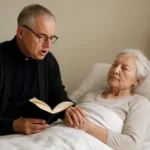
Provide spiritual care and pastoral support to individuals and families, listening attentively to concerns, fears, hopes, and questions about meaning. This includes offering presence during illness, end-of-life moments, bereavement, trauma, and major life changes.
Offer counseling and spiritual guidance that respects multiple faith traditions and personal beliefs. This extends to crisis intervention, grief work, and helping people articulate values and goals.
Conduct or coordinate religious rituals and rites as requested, including sacraments, prayers, blessings, or memorial services. Where appropriate, the chaplain supports communal worship and personal devotion.
Assess spiritual, emotional, and social needs through structured interviews, screening tools, and collaboration with other care professionals to inform care plans.
Advise and collaborate with healthcare providers, educators, administrators, or security personnel to ensure that care plans honor cultural and spiritual considerations while aligning with medical or organizational goals.
Advocate for patients, residents, or students whose beliefs, rituals, or end-of-life preferences require accommodation or negotiation within institutional constraints.
Provide grief and loss support to families and staff, including facilitating reflection groups, memorial activities, or individual support sessions.
Educate staff and volunteers about spiritual care, cultural humility, ethical boundaries, and trauma-informed approaches to care.
Document care activities and maintain appropriate records in compliance with privacy laws and organizational policies, ensuring documentation supports care planning and quality improvement.
Participate in interdisciplinary rounds and committees to advocate for spiritual and religious considerations within care plans and institutional programs.
Coordinate resources such as ecumenical or interfaith volunteers, community clergy, or chaplaincy externs, to expand access to spiritual care.
Engage in ethical reflection and consult with ethics committees when questions arise about consent, autonomy, and cultural or theological conflict.
Promote safety and confidentiality by adhering to professional boundaries, safeguarding information, and recognizing when risk of harm necessitates escalation to appropriate authorities.
Direct Counseling and Spiritual Guidance
In day-to-day practice, many chaplains dedicate a substantial portion of their time to one-on-one conversations and short-term therapeutic conversations with patients, residents, or staff. These sessions are often anchored in active listening, reflective questioning, and the use of spiritual-psychological frameworks that respect the individual’s belief system. It is common to employ mindfulness-based approaches, grief processing techniques, and meaning-centered dialogues. While not a substitute for licensed mental health care, chaplains provide a bridge to additional services when needed, and they coordinate care with psychologists, social workers, and psychiatrists as part of the care team.
Rituals, Worship, and Sacramental Support
Chaplains facilitate or support a range of religious and secular rituals based on the person’s preferences. This can include prayers, communion, blessings, blessings for the dying, and memorial rites, as well as offering access to sacred texts, religious artifacts, or clergy from a person’s own tradition. In secular environments, the emphasis may shift toward meaning-making ceremonies, blessing services for families, or non-denominational rituals that provide comfort and cohesion.
Crisis Intervention and Trauma-Informed Care
During emergencies, chaplains provide immediate crisis support, help stabilize emotional responses, and coordinate with responders. A trauma-informed approach emphasizes safety, trust, choice, collaboration, and empowerment, avoiding re-traumatization while recognizing the impact of trauma on beliefs and values.
Settings and Variation in the Chaplain Role
Chaplains serve in a variety of environments, and the job description often reflects the unique missions and constraints of each setting. While the core elements remain consistent, the day-to-day tasks can differ significantly.
Hospitals and Healthcare Facilities
In medical contexts, the chaplain is typically part of the clinical team, providing patient-centered spiritual care that supports informed decision-making, consent, and dignity at the end of life. They collaborate closely with nurses, physicians, social workers, and case managers to identify spiritual needs, support family communication, and assist with goals-of-care discussions.
Hospice and Palliative Care
For end-of-life care, the chaplain plays a pivotal role in preparing for death, aiding in legacy projects, and helping families process anticipatory grief. The job description often emphasizes comfort-focused care, resilience-building, and meaningful rituals that honor patient wishes.
Long-Term Care and Senior Living
In nursing homes or assisted-living facilities, chaplains support residents’ religious practices, lead worship services, and assist families during transitions, while coordinating with social services and medical teams to address spiritual and psychosocial needs.
In these settings, chaplains may encounter high-stress situations, crisis events, and security considerations. The job description often includes rapid response to traumatic incidents, ethical decision-making under pressure, and interdisciplinary collaboration with command staff or wardens, all while respecting constitutional rights and religious diversity.
In universities or community centers, chaplains may focus on campus spiritual life, interfaith dialogue, mentorship, and programming that fosters belonging for students, faculty, and staff from diverse backgrounds. The role can blend pastoral care with education, outreach, and social justice initiatives.
Interdisciplinary Collaboration and Ethics
A successful chaplain aligns with an institution’s mission while maintaining autonomy to honor a person’s beliefs. This requires ethical practice, confidentiality, and professional boundaries. Collaboration with other professionals is essential for comprehensive care, risk management, and program development.
Coordinate with physicians, nurses, social workers, psychologists, and pastoral care colleagues to understand patient goals and psychosocial factors.
Participate in ethics committees or bioethics discussions to address conflicts related to end-of-life decision-making, autonomy, or religious accommodation.
Engage with chaplaincy supervisors and pursue ongoing supervision to maintain professional growth and avoid burnout.
Implement trauma-informed care principles and cultural humility in all encounters to ensure respect for diverse identities.
The ethics of chaplaincy require an ongoing commitment to confidentiality, while also recognizing situations that legally or ethically require disclosure (for example, imminent risk of harm). A well-crafted chaplain job description will emphasize documentation standards, inclusive practice, and a clear policy on boundaries with patients and families.
Qualifications, Education, and Certification
Preparing for a chaplaincy career generally involves a combination of formal education, spiritual formation, clinical experience, and credentialing. The exact requirements can vary by country, denomination, and the type of institution. The following sections outline common pathways and the expectations that often appear in chaplain job descriptions.
Educational Pathways
Most organizations look for a solid academic foundation in religious studies or theology, followed by graduate-level professional training. Typical steps include:
Bachelor’s degree in a related field such as Religion, Theology, Philosophy, or Pastoral Studies.
Master’s degree in a field such as Master of Divinity (M.Div.), Master of Theological Studies, Master of Arts in Theology, or an equivalent professional degree from an accredited program.
Participation in supervised clinical training or pastoral formation programs that emphasize communication skills, ethics, and cultural competence.
Clinical Pastoral Education and Practical Experience
A cornerstone of chaplain preparation is Clinical Pastoral Education (CPE), which provides supervised clinical practice in real-world settings. CPE emphasizes customer-centered care, reflective practice, and interprofessional teamwork. Many chaplain job descriptions require a minimum number of CPE units or equivalent clinical hours, often at an accredited CPE center.
Institutional hiring managers often seek candidates with prior experience in roles such as religious education, youth ministry, chaplaincy internships, or counseling support in healthcare, education, or community settings.
Certification and Credentialing
Certification requirements differ by region and organization. Common credentials include:
Board certification or credentialing through a recognized chaplaincy association (e.g., Association of Professional Chaplains, Chaplains Association, or national equivalents).
Demonstrated completion of required ethics training, continuing education, and cultural competence programs.
Adherence to a code of ethics and ongoing supervision or mentorship as part of professional practice.
In many settings, holding a formal credential is not only a mark of expertise but also a prerequisite for chaplaincy roles. Some institutions may employ chaplains who are on track to certification or who hold alternative professional credentials with demonstrated experience and ongoing development.
Skills, Competencies, and Professional Development
Beyond formal degrees and certifications, a strong chaplain job description highlights a suite of skills and attributes that enable effective spiritual care and organizational impact.
Active listening and empathy to create safe spaces for sharing personal beliefs, fears, and hopes.
Effective communication with patients, families, and colleagues across cultural and religious spectra.
Cultural humility and interfaith competence to honor diverse worldviews.
Conflict resolution and negotiation skills to reconcile competing needs for rituals, space, and resources.
Spiritual assessment and the ability to translate religious or philosophical tenets into practical care plans.
Ethical discernment in complex scenarios, including patient autonomy, consent, and confidentiality.
Documentation and record-keeping aligned with privacy laws and institutional policies.
Self-care and resilience to sustain work in emotionally demanding environments.
Ongoing professional development is a key facet of the chaplain job description. This often includes attending workshops on trauma-informed care, reading current literature on spiritual care, participating in supervision or mentoring, and pursuing additional CPE units or theological study as needed.
Work Environment, Schedule, and Career Trajectory
The physical setting and schedule shape the chaplain’s daily life. Typical employment structures include full-time, part-time, on-call, or stipend-based roles, with varying expectations for weekend or holiday coverage depending on the setting.
Work Environment Characteristics
Chaplains often work within multidisciplinary teams in environments that may be fast-paced, emotionally intense, and ethically complex. A successful chaplain role requires flexibility, the ability to prioritize urgent needs, and sensitivity to resource limitations.
Career Progression and Advancement
Career trajectories can include moving from frontline chaplaincy to senior chaplain positions, program leadership, education and training roles, or consultancy for healthcare facilities and faith-based organizations. Some chaplains advance into ethics committee leadership, policy development, or clinical supervision for CPE students and new chaplains.
Compensation Considerations
Compensation for chaplains varies by setting, geographic location, experience, and credentialing. Salaries typically reflect level of responsibility, shift requirements, and the institution’s ability to support professional development and continuing education. In some settings, chaplains may also receive benefits such as health coverage, retirement plans, and paid leave, commensurate with other clinical or professional staff.
Key Challenges and Best Practices
Like any profession that intersects with personal identity, spirituality, and health, chaplaincy presents a range of challenges. A thoughtful job description will acknowledge these realities and outline expectations for best practices.
Balancing confidentiality with safety when there is risk of harm to self or others.
Managing emotional labor and preventing burnout through supervision, peer support, and self-care strategies.
Navigating cultural and religious diversity in a way that is respectful and authentic.
Respecting institutional policy while advocating for patient-centered care and spiritual needs.
Addressing resource constraints and ensuring that spiritual care remains accessible even in high-demand environments.
Best practices in chaplaincy emphasize cultural humility, trauma-informed care, and evidence-informed spiritual care. They also stress the importance of clear boundaries, supervision, and ongoing professional development to sustain high-quality care.
Job Descriptions: Framing the Chaplain Role for Hiring and Management
When organizations publish a job description for a chaplain, they typically outline a blend of pastoral care, program responsibilities, and professional requirements. The wording varies, but several recurring themes appear across postings:
Scope of care (patients, families, staff, residents, students, or community members) and the ethos of care (compassion, dignity, respect).
Clinical expectations such as conducting assessments, supporting decision-making, and coordinating with care teams.
Ritual and worship duties as appropriate to the setting, with attention to interfaith inclusion and religious accommodations.
Administrative duties including documentation, scheduling, program development, and quality improvement.
Compliance and ethics adherence, with specific references to privacy laws, professional codes, and risk management.
A well-crafted job description also notes expected interdisciplinary collaboration, the ability to work with diverse populations, and a commitment to continuous learning. It may specify required or preferred credentials, such as a graduate degree in theology or ministry, CPE, and board certification or membership in a professional chaplaincy association.
Practical Guidance for Prospective Chaplains
If you are pursuing a role as a chaplain, consider the following practical guidance to align your preparation with common job descriptions and expectations.
Engage in clinical training and seek opportunities for supervised practice in hospital, hospice, or community settings.
Develop interfaith and cultural competence through study, dialogue, and exposure to diverse belief systems.
Build a portfolio of case studies or reflective journals that demonstrate your approach to spiritual assessment, crisis intervention, and ethical reflection.
Gain experience with documentation and electronic medical records or institutional record systems in order to meet accountability standards.
Networking with credible chaplaincy associations and seeking mentorship from experienced chaplains can help you understand how to translate your theological education into practical clinical work, while also enhancing your credentials for future opportunities.
Frequently Encountered Competencies by Setting
Different institutions prioritize competencies differently. Here are some examples of competencies that frequently appear in chaplain job descriptions by setting:
Healthcare environments: patient advocacy, family conference facilitation, advance care planning support, and palliative care collaboration.
Correctional facilities: security awareness, crisis management, and the ability to work within strict institutional policies while respecting individual conscience and belief.
Military or public safety: rapid response capabilities, debriefing after critical incidents, and an understanding of service members’ unique spiritual needs.
Academic or campus settings: campus ministry programming, student advising, interfaith dialogue, and ethical leadership education.
Regardless of the setting, the ability to build trust quickly, demonstrate reliability, and honor diverse beliefs remains central to the chaplain’s professional identity.
Conclusion: Understanding the Chaplain Job Description
A comprehensive chaplain job description serves as a blueprint for the role’s expectations, responsibilities, and opportunities for growth. It communicates the essential functions of spiritual care, emotional support, and interdisciplinary collaboration while emphasizing the importance of ethical practice and professional development. Whether your interests lie in hospital chaplaincy, hospice care, campus ministry, or community-based spiritual care, the core competencies outlined in these postings guide newcomers and seasoned professionals toward meaningful work that respects the dignity and beliefs of every person they serve.











Leave a Reply