Pastoral Care in Hospitals: A Practical Guide for Providers
In contemporary health care, pastoral care is recognized not only as a spiritual service but as an essential component of holistic patient care. Hospitals are places where physical illness, emotional distress, and existential questions converge, and trained spiritual care providers work alongside clinicians to nurture resilience, dignity, and meaning. This guide offers a practical, provider-centered overview of how spiritual care functions in hospital settings, how to engage it respectfully, and how to integrate it into clinical workflows for better patient and family outcomes.
Foundations of spiritual care in clinical environments
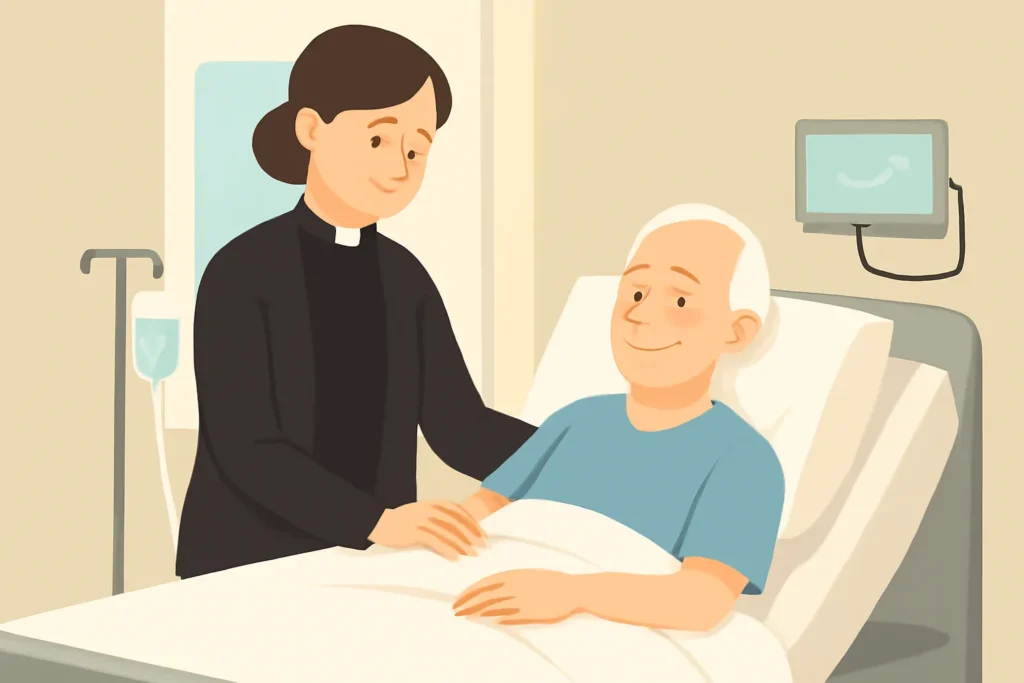
Pastoral care in hospitals encompasses more than religious rites. It is a patient- and family-centered service that attends to beliefs, values, relationships, and hopes that influence decision making and coping. Hospital chaplains and other spiritual care professionals serve as interdisciplinary partners who can help clarify goals of care, mediate conflicts, support bereavement, and connect people with their communities. In many health systems, the term clinical spiritual care emphasizes the integration of spiritual assessment and intervention into standard care pathways.
Core concepts include:
Presence as a therapeutic act: listening, bearing witness, and offering a compassionate, nonjudgmental space.
Resource orientation: helping patients access inner strengths, community supports, and meaning-making practices.
Ethical sensitivity: maintaining autonomy, confidentiality, and cultural humility in conversations about beliefs and values.
Team collaboration: aligning spiritual care with medical plans, palliative strategies, and family dynamics.
For providers, understanding these foundations helps you recognize when to involve a chaplain, how to introduce spiritual care to patients and families, and how to participate in a care plan that honors diverse belief systems.
Roles and responsibilities within the hospital chaplaincy and spiritual care teams
The ecosystem of hospital-based spiritual support includes certified chaplains, spiritual care associates, and volunteers who bring diverse faith traditions and secular perspectives. While chaplains are the lead figures, spiritual care teams work closely with physicians, nurses, social workers, and palliative care specialists to ensure that patients’ inner lives are acknowledged as an integral part of healing.
Key roles include:
Chaplains who offer theological consultation, ritual support, and bereavement care, adapting to a wide spectrum of beliefs.
Meaning-centered care specialists who help patients find purpose in suffering and navigate existential distress.
Spiritual care coordinators who organize rounds, triage requests, and maintain documentation within the electronic health record (EHR).
Volunteer companions who provide non-clinical presence and practical support under supervision.
For clinical teams, it is essential to know when spiritual care consultation is indicated. Situations may include advanced illness discussions, end-of-life planning, family conflict around care choices, intercultural or interfaith concerns, and occasions of trauma or loss.
When to involve pastoral care professionals
Unresolved questions about meaning, values, or faith following a serious diagnosis.
Requests for rites or sacramental needs, including baptism, communion, anointing, or burial readiness.
Ethical or spiritual distress impacting decision making or adherence to medical plans.
Communication challenges among family members or between families and the care team.
Preparations for death, memorials, or bereavement support for survivors.
Practical steps for Providers to engage spiritual care effectively
Engaging pastoral care services should be seen as an part of patient-centered care rather than an auxiliary service. Here are actionable steps to collaborate efficiently with chaplains and spiritual care professionals.
Recognize needs: Listen for spiritual or existential cues in patient or family conversations, such as questions about meaning, fears about death, or conflicts with cultural or religious values.
Request consults: When appropriate, initiate a formal spiritual care consult through the patient’s electronic health record or the hospital operator. Include a brief note about the clinical context and goals for the conversation.
Clarify goals: Use the initial contact to align expectations—what outcomes would be meaningful for the patient and family (e.g., comfort, reconciling values, or specific rites).
Respect diversity: Be mindful of different religious traditions, secular worldviews, and personal belief systems. Do not assume beliefs based on appearance or prior affiliation.
Coordinate with the care plan: Share relevant information with the interdisciplinary team (within confidentiality boundaries) so spiritual care supports medical decisions and psychosocial care.
Involve family deliberately: With consent, include family members in conversations to reduce isolation, address relational dynamics, and support shared decision making.
Document thoughtfully: Note the patient’s spiritual preferences, significant symbols or rituals, and any advance care planning discussions in the EHR for continuity of care.
Evaluate outcomes: After encounters, assess whether the visit met the patient’s expressed goals and whether follow-up is needed.
For clinicians, this sequence emphasizes timeliness and appropriateness. Quick checks, such as a one-sentence inquiry about spiritual well-being during rounds, can prompt a deeper encounter when needed.
Communication strategies with patients, families, and care teams
Clear and compassionate communication is at the heart of effective spiritual care. The aim is not to persuade someone toward a belief but to accompany them in their journey with integrity and respect. The following strategies help clinicians and spiritual care providers maintain productive dialogues.
Open-ended questions: Invite patients to share what matters most to them, for example, “What matters most to you at this moment?”
Active listening: Reflect back what you hear, validate emotions, and avoid offering untimely or paternalistic reassurances.
Nonjudgmental stance: Accept beliefs and expressions even when they differ from your own worldview.
Boundary awareness: Recognize when spiritual care should pause (e.g., if it conflicts with medical safety or patient autonomy) and defer to the patient’s preferences.
Ritual sensitivity: If a patient requests a rite, assist in facilitating access to a chaplain or spiritual leader who can perform or coordinate the experience respectfully.
Documentation discipline: Record essential preferences, the date of the visit, and any follow-up actions to ensure continuity of care.
When addressing families, consider cultural humility and the emotional load of caregiving. Family-centered spiritual care recognizes that family members may have different beliefs or expectations about treatment goals and end-of-life care.
Integrating spiritual care with clinical pathways and palliative care
The integration of spiritual care services into clinical pathways strengthens the hospital’s ability to deliver holistic care. Collaboration with palliative care teams is a common and effective arrangement, as both disciplines focus on comfort, values, and quality of life. Some institutions formalize this through routine spiritual assessments at admission or during critical decision points.
Practical integration strategies include:
Screening for spiritual distress as part of symptom management assessments.
Embedded rounds where chaplains participate in interdisciplinary rounds to discuss patients’ goals and concerns.
Joint care planning for decisions about code status, resuscitation preferences, and withdrawal or withholding of life-sustaining treatments.
Bereavement pathway alignment to ensure families receive consistent support before and after loss, reducing the risk of complicated grief.
Hospitals that adopt these practice patterns tend to report improved patient satisfaction, greater alignment between patient values and care decisions, and more respectful handling of religious and spiritual diversity.
Ethical considerations, boundaries, and safety in spiritual care
Ethical integrity is central to hospital spiritual care. Providers must balance respect for patient autonomy with professional boundaries, ensure informed consent for spiritual conversations, and protect confidentiality. Clarifying roles and limits helps prevent coercion or imposition of beliefs.
Core ethical principles include:
Autonomy: Patients control who participates in conversations about beliefs and rituals, and they may decline spiritual care at any time.
Beneficence: Actions aim to relieve spiritual suffering and promote well-being without causing harm.
Non-maleficence: Avoid imposing beliefs, pressures to convert, or intrusions into personal faith practices.
Confidentiality: Respect patient privacy in spiritual matters, especially in shared rooms or public spaces.
Understanding that chaplains are advocates for the patient’s values, not ambassadors for a specific religion unless requested.
Respecting religious symbols, dietary restrictions, and ritual schedules, while being mindful of hospital policies and patient safety.
Leveraging cultural humility to navigate intercultural or interfaith conversations with sensitivity and curiosity rather than assumption.
Documentation, privacy, and quality improvement in spiritual care
Documentation in electronic health records ensures continuity of care and supports quality measurement. It is important for spiritual care notes to be concise, clinically relevant, and accessible to the care team while safeguarding privacy.
Assessment notes: Briefly summarize spiritual concerns, patient goals, religious/spiritual preferences, and any immediate needs.
Intervention notes: Document the modality of care used (e.g., listening, prayer, ritual facilitation, bereavement support) and the patient’s response.
Follow-up plans: Record what the team agrees to do next, including any referrals or scheduled visits.
Outcome indicators: Track indicators such as alignment of care with patient values, patient/family satisfaction, and reduced spiritual distress scores where applicable.
From a quality improvement perspective, hospitals can monitor:
Consultation response times and triage efficiency to ensure timely access to spiritual care.
Equity of access to chaplaincy services across departments, shifts, and patient populations.
Impact on care planning: the frequency with which spiritual care involvement correlates with documented goals of care and family satisfaction.
Regular audits, staff feedback, and patient surveys can drive improvements in how spiritual care is integrated into hospital operations.
Education, training, and professional development for providers
The effectiveness of pastoral care in hospitals depends partly on the quality of training that chaplains and spiritual care staff bring to the bedside, but also on how non-spiritual care providers understand and participate in spiritual care. Hospitals invest in ongoing education to foster cultural humility, communication skills, ethical practice, and clinical integration.
Training themes commonly offered include:
Spiritual assessment tools and how to interpret their findings within the clinical context.
Interdisciplinary communication strategies for collaborating with nurses, physicians, social workers, and palliative care specialists.
Ritual facilitation basics for common rites across faith traditions and for secular rituals that may provide comfort.
Grief and bereavement support methods for families and staff after loss.
For providers seeking to expand their own competence, consider:
Participating in department rounds that include spiritual care perspectives.
Engaging in workshops on culturally responsive communication.
Exploring online courses on meaning-centered approaches to care.
Attending interfaith and intercultural training sessions to better understand diverse belief systems.
Institutional education should also emphasize self-care for clinicians and spiritual care staff, recognizing that navigating suffering and loss can take an emotional toll.
Cultural humility and diversity in hospital spiritual care
Hospitals serve patients from a wide range of religious traditions, spiritual worldviews, and secular beliefs. The guiding principle in diversity-aware care is respect for patient autonomy and the right to practice or forego belief practices according to personal conscience.
Approaches that honor difference
Ask respectfully about beliefs and rituals without assuming alignment to any particular tradition.
Provide options: offer resources across faith groups and secular spiritual practices, including mindfulness, meditation, or quiet reflection spaces when requested.
Adapt rituals: modify or defer rites to accommodate medical needs while preserving meaning for the patient or family.
Collaborate with cultural liaisons or hospital chaplains trained in intercultural ministry to bridge gaps.
Recognize that some patients may identify as non-religious or spiritual but not affiliated with a religious institution. For these individuals, the value of spiritual care lies in accompanying them through existential questions, fears, and the search for purpose.
Common scenarios and practical case examples
Below are representative situations that highlight how pastoral care teams collaborate with clinical providers to support patients and families.
New diagnosis with uncertainty: A patient is newly diagnosed with a serious illness. The chaplain helps explore questions about meaning, treatment preferences, and the alignment of care with personal values while clinical teams discuss medical options.
End-of-life planning: Families face conflicting opinions about goals of care. The spiritual care provider facilitates dialogue, clarifies values, and supports the emotional process of letting go or choosing a path that sustains dignity.
Bereavement support after loss: A patient dies unexpectedly, leaving survivors in shock and grief. The hospital team coordinates bereavement follow-up, memorial resources, and referrals to community supports.
Conflict resolution: Cultural or religious misunderstandings affect decision making. The chaplain or spiritual care leader offers mediation, bridging differences with sensitivity and clarity.
During trauma or disaster assignment: In high-stress units, such as the emergency department or ICU, spiritual care providers offer real-time presence and assist staff in coping with collective distress.
These examples demonstrate how pastoral support contributes to meaningful care experiences, resilience, and better alignment between patient preferences and the care plan.
Building a sustainable, patient-centered pastoral program
For hospitals seeking to strengthen their spiritual care infrastructure, a sustainable model blends leadership, collaboration, and measurable impact. A well-developed program should address governance, funding, staffing, and integration into patient care pathways.
Elements of program development include:
Clear governance: Establish roles, reporting structures, and policies that define how spiritual care integrates with medical care and ethics committees.
Volunteer management: Create credentialing, supervision, and continuing education for volunteers who staff visitor programs or offer companionship.
Resource allocation: Ensure adequate staffing levels for peak times, including nights and weekends, to maintain availability of chaplaincy services.
Community partnerships: Build connections with local faith communities, chaplain networks, and secular mindfulness groups to broaden resources for patients.
Quality metrics: Track access, timeliness, patient and family satisfaction, and clinical impact to demonstrate value and secure ongoing support.
Leadership commitment is essential to sustain spiritual care programs through staffing changes, budget cycles, and evolving hospital priorities. A culture that values the spiritual dimension of care supports both patient well-being and team morale.
Measuring impact and outcomes of pastoral care in hospitals
Evaluating the impact of hospital chaplaincy and spiritual care requires a balanced approach that considers patient experience, clinical outcomes, and organizational learning. While spiritual care outcomes are sometimes harder to quantify than typical clinical metrics, several indicators can illuminate value.
Patient-reported outcomes related to meaning, peace, and existential comfort.
Family satisfaction with communication, support, and involvement in decision making.
Alignment of care with patient values, including concordance between preferences and documented goals of care.
Reduction in conflict around ethical decisions and treatment choices.
Staff well-being: Perceived support for handling moral distress and burnout through spiritual care partnerships.
Positive outcomes emerge when spiritual care is visible as part of the care continuum, not as an afterthought. Regular reviews of consultation patterns, patient feedback, and care-team experiences help refine services and demonstrate the tangible benefits of pastoral care in hospitals.
If you are a clinician, administrator, or student looking to learn more or implement improvements in spiritual care, consider the following steps:
Map your current services: Identify how chaplains, spiritual care associates, and volunteers are deployed throughout the hospital and what gaps exist.
Establish referral pathways: Create a standardized process for requesting spiritual care consultation that is accessible to all departments.
Develop care pathways: Integrate spiritual care into key clinical pathways such as palliative care, critical care, obstetrics, geriatrics, and pediatrics.
Foster cultural competence: Invest in ongoing training that helps staff engage respectfully with diverse beliefs and practices.
Celebrate success: Share stories of meaningful encounters and patient-centered decision making to build awareness and support.
Beyond hospital walls, engage with community partners to extend the reach of spiritual care through education, outreach, and collaborative events. A robust network enhances both patient experience and staff growth, reinforcing the value of pastoral presence in healing.











Leave a Reply