The Mothers of Bethlehem in Matthew 2: Women of Faith and Sacrifice
The Mothers of Bethlehem in Matthew 2: Women of Faith and Sacrifice
New Testament Women | Symbolic Figures
The Mothers of Bethlehem in Matthew 2: Women of Faith and Sacrifice
📅 1st century BCE/CE (around 4 BC, time of Jesus' birth) · 📜 The name 'Bethlehem' derives from Hebrew 'Beth-Lehem' meaning 'House of Bread,' symbolizing nourishment and life.
BethlehemMatthew 2MotherhoodFaithSacrifice
A voice was heard in Ramah, weeping and great mourning, Rachel weeping for her children and refusing to be comforted, because they are no more.— Matthew 2:18
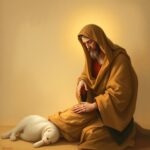
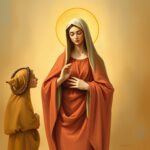
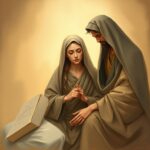
The Mothers of Bethlehem are anonymous women referenced in Matthew 2:16-18, mourning the innocent children slaughtered by King Herod in his attempt to kill the newborn Jesus. Their profound grief symbolizes the righteous suffering and the tragic cost of evil ambition in pursuit of power. These women serve as a poignant reminder of the maternal grief that accompanies loss and injustice, highlighting the human cost behind the Christmas story. Their tears echo through Scripture as a representation of both personal pain and collective loss, reminding believers of the real suffering that often accompanies God’s redemptive plan. Though unnamed, their silent mourning holds profound theological weight, illustrating themes of mourning, justice, and the fulfillment of prophecy. Their story encourages reflection on the cost of salvation and the compassion needed to respond to suffering. They exemplify faith amidst despair and serve as a collective voice crying out for justice in the chaos of history.
🏛️ Cultural & Historical Context
In the ancient Near East, women’s roles were predominantly centered around family, motherhood, and community care. Mothers were regarded as the emotional backbone of families, often bearing the burden of grief silently. The massacre of innocent children by Herod shocked societal norms, highlighting the vulnerability of women and children during times of political turmoil. Women’s mourning was often expressed through communal lamentations, emphasizing their vital role in bearing witness to tragedy. Despite limited political agency, women’s emotional resilience and spiritual strength were vital in preserving cultural and moral values amid violence, making their silent grief a powerful act of faith and resistance. Their mourning underscores the human toll of geopolitical conflicts in biblical times, reflecting the enduring importance of maternal identity and societal memory.
👨👩👧 Family Connections
The specific family details of the mothers are not provided in the biblical text; they are collectively represented as mourning mothers in Bethlehem, symbolizing collective grief and suffering.
The Mothers of Bethlehem symbolize innocent suffering and the tragic human cost embedded in salvation history. Their silent mourning anticipates the suffering of the innocent ties between Christ’s own sacrifice and the pain endured by humanity. They embody the theme of collective grief that fuels divine justice and mercy, illustrating how Jesus’ birth and the subsequent events fulfilled Old Testament prophecies. Their mourning foreshadows the Passion of Christ, emphasizing that suffering is part of God's redemptive plan. The women represent faithfulness amidst despair, standing as a testament to righteous sorrow that leads ultimately to hope and salvation. Their silent grief also calls believers to empathy and justice, reminding us that God's salvation often involves the suffering of the innocent.
📖 Lessons for Today
📖 Lesson 1
In times of loss and suffering, faith can provide comfort even when words fail. Like the mothers, we can find hope through trust in God's plan amid grief.
Silent witness to injustice can be a powerful act of faith and resistance. Standing with those who mourn demonstrates compassion and the pursuit of righteousness.
📖 Lesson 3
God sees the suffering of the innocent and uses it to fulfill His divine purposes. Our pain can be part of a larger story of hope and salvation.
Like Hannah and Anna, the Mothers of Bethlehem exemplify women who grieve deeply yet remain faithful to God's purposes. Unlike women celebrated for active leadership, their silent mourning highlights the power of faith through suffering. Their story contrasts with women like Mary, whose grief transforms into obedience and hope, emphasizing different responses to divine callings. Together, these women reflect the diverse expressions of faith, hope, and sacrifice in biblical history.
📜 Scripture References
Reference
Matthew 2:16-18
❓ Frequently Asked Questions
Are the Mothers of Bethlehem named in the Bible?
No, the Mothers of Bethlehem remain unnamed in Matthew 2; they are collective figures representing the grieving mothers of Bethlehem during Herod’s massacre.
What is the significance of their mourning?
Their mourning highlights the innocence lost due to evil actions and serves as a prophetic foreshadowing of Christ’s own suffering, emphasizing the cost of salvation.
How do the Mothers of Bethlehem relate to Jesus' story?
They symbolize the innocent victims whose suffering foreshadows Jesus’ sacrifice, illustrating the profound grief that accompanies God's redemptive actions and emphasizing the importance of justice and compassion.
✨ Did You Know?
The phrase about Rachel mourning echoes the Old Testament, specifically Jeremiah 31:15, linking the biblical narrative of suffering and hope. Historically, this mourning scene has influenced Christian art and liturgy, inspiring countless depictions of maternal grief tied to divine prophecy.








Leave a Reply