NIV Bible for Journaling: A Practical Guide to Scripture Journaling
In the practice of daily devotion and reflection, many readers turn to NIV Bible for journaling as a practical companion. The New International Version of the Bible is renowned for its balance of readability and accuracy, making it a popular choice for those who want to capture thoughts, prayers, and insights in a personal journal. This article offers a comprehensive, practical guide to using the NIV translation for journaling, including format considerations, proven journaling techniques, and step-by-step workflows that fit busy schedules. Whether you call it an NIV journal Bible, an NIV Bible journal, or an NIV translation for journaling, the goal is the same: to help you engage Scripture more deeply and keep track of your spiritual growth over time.
Why choose the NIV for journaling?
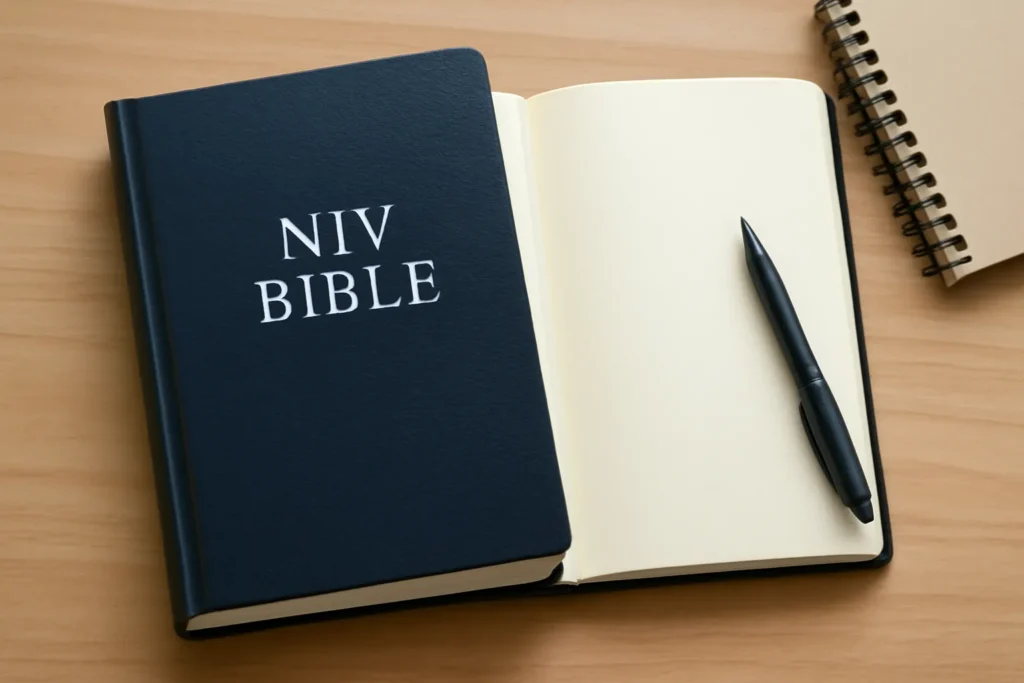
The NIV Bible for journaling stands out for several reasons. First, the NIV translation emphasizes contemporary, natural English while preserving faithful meaning from the original languages. This makes verses easier to recall and reference when you are documenting your observations and applications in a journal. Second, many people use a journaling Bible in the NIV format, which comes with wide margins, ruled lines, or blank pages designed specifically for notes, reflections, and art. The combination of readable text and ample space invites you to slow down, copy a verse, paraphrase it, or sketch an insight without feeling crowded.
When you adopt the NIV Bible journal approach, you are choosing a practice that supports:
Retention of Scripture through writing, doodling, or diagramming key ideas.
Personal application by recording how a verse speaks to your life, relationships, and decisions.
Consistency through a repeatable routine, which is easier to sustain with a reliable translation and a friendly journaling format.
Creativity in presenting thoughts, such as color-coded notes, symbols, or quick sketches tied to a verse.
What makes the NIV Bible advantageous for journaling?
The NIV Bible supports journaling in several practical ways. The translation’s balance of clarity and meaning helps you translate what you read into what you write and pray. For many readers, the NIV Bible for journaling also pairs well with common journaling methods such as the SOAP method (Scripture, Observation, Application, Prayer) and verse mapping, both of which produce actionable reflections in your journal.
Readability and flow
The NIV translation uses natural sentence structure that mirrors everyday speech, which makes it easier to paraphrase or summarize in your notes. When you record a verse in your NIV journal, you are more likely to understand and internalize it, rather than simply memorize it.
Versatility for journaling formats
A NIV Bible journal can support several journaling formats, including verse mapping, thematic journaling, prayer journaling, and art journaling. The readability of the NIV fosters quick paraphrases, memory aids, and cross-references that enrich your entries.
Getting started: tools, setup, and a basic routine
Beginning a NIV Bible for journaling practice is less about having perfect materials and more about establishing a simple, repeatable workflow. Below is a practical starter kit and a straightforward routine that you can customize to your schedule.
Essential tools for a NIV Bible journaling setup
One NIV Bible with wide margins or a dedicated journaling Bible in NIV format to accommodate notes and artwork.
Quality pens or pencils that won’t bleed through pages, such as fineliners or archival ink pens.
Colored pencils, markers, or highlighters to differentiate themes, topics, and applications.
Ruler or washi tape for clean margins or decorative elements if you enjoy layout design.
Notebook or digital companion for long-form reflections or planning if you prefer to document beyond the page.
Suggested beginner routine
Choose a verse from the NIV text for your journaling session.
Observe what the verse says in context and what stands out to you in the moment.
Apply what the verse teaches to a current situation, decision, or relationship.
Pray through your reflections, asking for guidance and discernment.
A simple daily rhythm—even 10–15 minutes—is often enough to maintain momentum. If you have more time, you can expand into verse mapping or thematic journaling to deepen the practice.
Verse mapping is a practical technique that pairs well with the NIV Bible for journaling. It helps you labor through a verse by breaking it into components and linking ideas.
Write the verse in your own words beneath the text.
Identify the subject, verb, and objects to understand the structure and meaning.
Note cross-references that come to mind or appear in the NIV text margins.
Capture applications by writing one concrete way you will apply the verse in daily life.
Pray through your insights and seal the entry with a short prayer.
Thematic journaling with the NIV
In thematic journaling using the NIV, you track recurring topics—like compassion, patience, or faith—and gather verses that illuminate those themes.
Choose a theme, such as trust in God, and collect several NIV verses related to it.
Record a short note on how each verse expands your understanding of the theme.
Construct a concluding reflection that connects the theme to current life circumstances.
Praying through your NIV notes
Prayer journaling with the NIV integrates Scripture into your conversation with God. After you observe and apply Scripture, write a prayer that aligns with your reflections and asks for guidance, strength, or wisdom.
Turn a verse into a personal prayer, using language you would use in everyday conversation with God.
Include a request for help in specific situations where the verse applies.
Finish with gratitude for God’s presence and guidance.
Art and doodling in an NIV journaling Bible
For many people, art journaling with the NIV helps embed Scripture in memory and deepen meaning. Simple drawings, icons, borders, or color blocks can accompany verses without distracting from the text.
Keep drawings small and purposeful—rainbow highlights for joyful verses, a symbol for an invitation to action, etc.
Use light lines to map ideas; you can color them later if you prefer to keep the text readable.
Choose a consistent symbol system (e.g., a heart for love, a mountain for faith) to reinforce recall.
Choosing a NIV Bible for journaling: features to look for
Not all Bibles labeled as a NIV journaling Bible are created equal. When selecting a Bible for your journaling practice, consider several practical features that impact daily use and long-term satisfaction.
Margins and space
A core requirement for the NIV Bible journal is space to write. Look for wide margins, ruled margins, or blank pages that won’t feel cramped after you add notes, reflections, or drawings.
Paper quality and compatibility with media
The ability to use pens, pencils, and light markers without excessive bleed-through is important. Check the paper weight (measured in GSM) and test if possible. If you plan heavier art, you may want a NIV journaling Bible with thick pages or be prepared to place a blotter page between leaves.
A comfortable font size and clear line spacing reduce eye strain during longer journaling sessions. Choose an NIV Bible with clear typesetting that remains legible when you copy verses into your notes.
Durability and binding
Since journaling involves daily handling, consider the binding quality and overall durability. A lay-flat binding or a spine that resists wear will fare better in a daily routine.
Digital vs. physical NIV Bible journaling
Some readers prefer a physical journaling Bible for the tactile experience, while others opt for a digital approach to capture reflections, search verses quickly, or back up notes.
Physical NIV Bible journaling advantages
tactile engagement with the text—turning pages, underlining, and artwork feel tangible and memorable.
Limited screen time, which some find beneficial for focused reflection and reduced distractions.
Personal aesthetic—the look of your notes and margins can be a source of encouragement over time.
Digital journaling advantages
Searchability and easy cross-referencing across multiple NIV translations or study resources.
Backup and synchronization across devices, ensuring your notes are preserved.
Flexible formatting with templates, fonts, and colors to suit your process.
Some practitioners even blend both worlds: write on paper using the NIV Bible for journaling in the morning and capture a short summary or reflections in a digital journal later in the day, linking the two formats for easy retrieval.
Maintaining consistency and growth in NIV journaling
A sustainable practice with the NIV translation for journaling requires a gentle but consistent approach. The goal is not to produce perfect pages but to cultivate ongoing engagement with Scripture and daily life.
Establish a realistic cadence
Set a routine that fits your schedule—whether daily, every other day, or a few times per week.
Keep a minimal, flexible format for busy days; you can always expand entries later.
Use bookmarkable prompts
What does this NIV verse teach me today about God’s character?
Whether this verse challenges or comforts me, how does my action reflect my faith?
Who could benefit from this verse, and how can I share wisdom with them?
Reflect and archive
Create an easy triage process: retire old notes you have truly integrated into life, keep the rest for ongoing reflection, and periodically review past entries to notice growth, patterns, or recurring questions.
Common prompts and templates for NIV journaling
If you’re new to NIV journaling or seeking fresh inspiration, using prompts can keep your practice lively and meaningful. Below are practical prompts tailored for the NIV Bible journal experience.
Verse response prompt: Write a one-sentence response to the verse in your own words, then a practical application.
Character study prompt: Observe how God or biblical figures respond in a passage and compare it to your own response.
Problem-and-solution prompt: Identify a challenge in your life and map how the verse suggests a solution or approach.
Gratitude prompt: Connect a verse to something you’re grateful for today.
Prayer prompt: Turn a verse into a focused prayer for specific people or circumstances.
Template ideas
SOAP with NIV (Scripture, Observation, Application, Prayer) adapted for the NIV text.
ACGT method (Alleys of Context, Goals, Themes) to track context, intent, and takeaways.
Memory verse cards: Copy a verse in larger font, add a single word or phrase that stands out, and memorize it over a week.
Common mistakes to avoid in NIV journaling and how to fix them
As you cultivate a habit of journaling with the NIV Bible, you may encounter common pitfalls. Recognizing and addressing them early can help you sustain a healthy, blessed practice.
Overloading pages with notes can feel overwhelming. Instead, keep a focused margin for one or two main insights per verse.
Judgmental language in your reflections can hinder honesty. Aim for transparent, humble observations that invite growth.
Rushing through verses to finish quickly. Slow down, even if you read only a few verses, letting the NIV’s cadence shape your reflections.
Neglecting cross-references—the NIV often illuminates connections. Take a moment to note at least one cross-reference and its relevance.
Disregarding boundaries between Scripture, interpretation, and application. Distinguish what the text says, what you observe, and how you will act in response.
Ethics, respect, and practice when journaling with the NIV
A thoughtful NIV journaling practice honors the sacredness of Scripture. It should be a space of honesty, gratitude, and growth that respects theological perspectives, and it should avoid weaponizing journal entries in ways that harm others.
Respect for Scripture: Approach NIV verses with reverence and a learner’s attitude.
Privacy considerations: If you journal in shared spaces, consider options for keeping personal entries private.
Community discernment: When sharing insights, welcome different interpretations with humility and courtesy.
Frequently asked questions about the NIV Bible for journaling
Is the NIV a good translation for journaling?
Yes. The NIV Bible for journaling is a good choice for many because its language is accessible, its structure supports comprehension, and its popular margins and journaling-friendly formats make recording reflections convenient.
Not always. If you prefer to work with a traditional NIV text, you can still journal by adding margins, sticky notes, or a separate notebook. A dedicated NIV journaling Bible with wide margins can enhance the experience, but it is not strictly required.
How long should a journaling session last?
Start with as little as 10-15 minutes and adjust as you grow more comfortable. The key is consistency rather than duration.
Conclusion: embracing a practical NIV journaling practice
A disciplined approach to NIV Bible journaling can transform the way you engage Scripture. The NIV translation for journaling offers a compelling combination of readability and depth, inviting you to observe, interpret, apply, and pray. Whether you adopt a NIV journal Bible with wide margins or integrate the NIV Bible journal approach into your existing Bible-reading routine, the central aim remains the same: to become more aware of God’s presence, more thoughtful about daily life, and more intentional in your spiritual growth.
By embracing the practical strategies outlined in this guide—verse mapping, thematic journaling, prayer-focused entries, and gentle art—your NIV Bible for journaling can become a trusted companion on your journey of faith, growth, and daily discipleship.










Leave a Reply