Overview of the Feast of Tabernacles and Its Biblical Roots
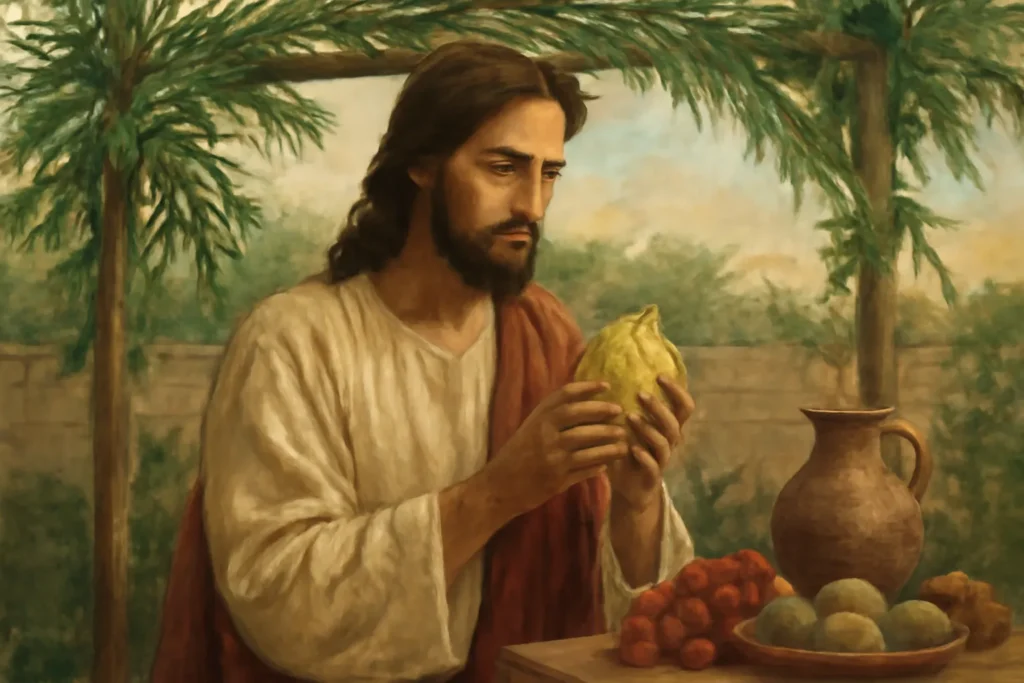
The Feast of Tabernacles, also known as the Festival of Sukkot or the Feast of Booths, stands among the most vivid annual pilgrim celebrations in ancient Israel. It commemorates two intertwined realities: the historical memory of God’s guidance during the wilderness wanderings and the agricultural rhythm of the autumn harvest. In biblical terms, this festival is a time for gratitude, worship, and renewed trust in the God who sustains people in both the desert and the land. When we explore the Feast of Tabernacles, we encounter a festival that is, at heart, about presence—God’s presence among his people and the people’s presence before God. In the Gospel accounts, this festival becomes a stage on which the person of Jesus is shown to embody the fulfillment of the festival’s deepest hopes.
Names and timing
The festival is referred to in multiple ways throughout the Hebrew Bible and the New Testament. In Hebrew, it is commonly called Sukkot, a term that reflects the booths or shelters (sukkot) that Israelites would live in during the feast. In English translations you will also see the Feast of Tabernacles and the Feast of Booths. The celebration takes place in the autumn, during the seventh month of the biblical calendar, shortly after the culmination of the harvest. The seven-plus days of ceremony and fellowship culminate in a dramatic moment on the final day, a day that has often carried special liturgical and symbolic resonance in Jewish and early Christian memory.
A festival of worship, remembrance, and harvest
The Feast of Tabernacles blends several themes: the memory of God’s leading presence in the wilderness, a public expression of gratitude for the harvest, and a hopeful expectation that God’s provision will continue into the future. In the biblical narrative, these themes converge in a single annual season that invites God’s people to dwell with him, celebrate his faithfulness, and anticipate his coming kingdom. For readers and interpreters, the festival remains a fruitful lens through which to read the Gospel narratives, where Jesus’ teaching and actions intersect with the festival’s motifs of light, water, and divine presence.
Within the biblical storyline
The Feast of Tabernacles is not a solitary or isolated ritual; it sits within the broader framework of Leviticus 23, which outlines a calendar of holy assemblies and sacred seasons. The command to observe tabernacles regularly expresses a rhythm of worship and memory: God is the God who brings people out of bondage, guides them through wilderness, and sustains them in the land. When the prophets speak of the festival, they often place it within a larger narrative of peace, justice, and divine refreshment for all nations. In this sense, the Feast of Tabernacles invites readers to reflect on God’s acts in history while looking forward to the day when all nations will recognize his rule.
How the festival functioned in daily life
In ancient times, worshippers would construct temporary shelters (booths) and dwell in them during the festival. They would bring offerings, celebrate together, and process to the temple in Jerusalem for special sacrifices. The outward practice of living in humble shelters became a powerful symbol of dependence on God’s protection and provision. For modern readers, that outward symbol can still evoke a posture of trust, humility, and hospitality—qualities that Jesus repeatedly models and invites others to embody in the life of faith.
Sukkot in the Hebrew Bible: Leviticus 23 and the Wilderness
Foundational scriptural framing
The core commands for the Feast of Tabernacles appear in Leviticus 23, where the festival is set within a calendar of appointed times. In Leviticus, the emphasis is on presence, worship, and remembrance: the people shall dwell in sukkot for seven days, so that future generations will know that God brought Israel out of Egypt. The ritual’s structure points toward a future reality in which God’s people live under his care and his rule—no longer as wanderers in the wilderness but as inhabitants of a restored creation.
Relational and liturgical dimensions
Beyond the harvest cycle, the festival becomes a liturgical theater for praising God as the provider and protector. The ritual acts—acclamation, sacrifice, feasting, and communal memory—create a shared identity among participants. The emphasis on temporary dwellings underscores a spiritual truth: earthly home is provisional, while God’s presence is enduring. In the biblical imagination, the Feast of Tabernacles thus gifts believers with a symbol-laden framework for contemplating divine hospitality, imperfect human shelter, and the hope of eternal habitation with God.
The messianic horizon in the festival’s symbolism
While Leviticus grounds the festival in ancient memory, later prophetic and intertestamental literature begins to interpret Sukkot through the lens of eschatological expectation. Some strands of Jewish tradition looked for an era when God would bring healing, peace, and universal worship through the Messiah. In Christian interpretation, these expectations are re-read in light of Jesus’ ministry, presenting him as the living fulfillment of the festival’s deepest longings—presence, blessing, light, and life for all nations.
Sukkot in Jesus’ Day: The Festival in the Gospel of John
John’s portrayal of Jesus and the festival atmosphere
The Gospel of John places Jesus at the center of several major Jewish feasts, including the Feast of Tabernacles. The narration emphasizes that the festival provides a dramatic backdrop for Jesus to reveal his identity and to disclose the nature of his mission. In the crowds and in the temple precincts, the living Word makes statements and performs signs that connect the history of Israel to the person and work of the Son of God.
In John 7, the timeline is crucial: the festival begins, Jesus and his brothers encourage him to go public, and Jesus declines at first, then later travels secretly to the festival. The chapter foregrounds two key features: a crowd that debates who Jesus is and a series of exchanges in which Jesus uses the occasion to reinterpret the festival’s signs. The festival setting amplifies the tension between secrecy and revelation, obedience and dispute, as Jesus moves from hidden presence to public declaration.
John 7:37-39: the climactic invitation on the last and greatest day
On the climactic last day of the festival, Jesus speaks a watershed invitation: “If anyone is thirsty, let him come to me and drink” (paraphrase of John 7:37-39). This moment reframes the festival’s water ritual as a personal offer of living water—an image that the Gospel writer will unfold in the next chapter as the Spirit given after Jesus’ glorification. The symbolism here is deliberate: the water-drawing ceremonies associated with Sukkot, which celebrated God’s provision in the wilderness and during harvest, become an opportunity for Jesus to claim himself as the source of spiritual refreshment and eternal life.
John 8:12 and the festival’s light imagery
Another pivotal moment occurs when Jesus proclaims, “I am the light of the world”, a statement that intersects powerfully with the festival’s after-dark illumination rites and the broader festival imagery of radiance and divine presence. The Gospel presents this proclamation during the festival frame, inviting readers to see Jesus as the true source of illumination—one who dispels darkness, guides truth, and reveals God’s glory in a world that longs for spiritual sight.
Jesus as the Fulfillment of Tabernacles Messages
The central claim of Christian interpretation is that Jesus fulfills the deepest longings encoded in the Feast of Tabernacles. Fulfillment here does not erase the festival’s original meanings; rather, it completes them by revealing the person and work of Christ as the divine presence among humanity, the source of living water, and the true light that shines in the darkness. In this sense, the festival’s symbolic economy—dwelling with God, receiving nourishment, celebrating provision—finds its most explicit embodiment in Jesus, whose incarnate presence makes God with us tangible in a new and transformative way.
Immanuel and the Word dwelling among us
A foundational biblical link is found in John 1:14, which says that “the Word became flesh and made his dwelling among us.” The Greek verb translated as “dwelling” (skenoo) carries semantic weight similar to “tabernacling.” By inserting himself into the human story, Jesus embodies the festival’s hope: God living in human history in a tangible, accessible way. The phrase invites readers to consider the deeper biblical pattern—God’s desire to tabernacle, to pitch a tent of presence, not merely as a location in the ancient wilderness but as a present, personal reality in the person of Jesus.
Water and life: the ongoing irrigation of salvation history
The water imagery that accompanies the festival is reinterpreted in Jesus’ conversations and miracles. In the encounter where Jesus offers “living water,” readers encounter a reconfiguration of the festival’s irrigation symbolism. The water ritual, historically associated with God’s care and preservative power during the droughts and the wilderness, is reframed as a pathway to eternal life through faith in Christ. The living water image ties together hospitality, nourishment, and spiritual vitality, signaling that salvation is not only a future hope but a present, life-sustaining gift.
Key Episodes: Water, Light, and Dwelling Among People
The water ritual reinterpreted
In the setting of the festival, Jesus’ invitation to all who are thirsty takes on emphatic theological weight. The phrase points to a deeper experience of trust in the Messiah—an offering of spiritual refreshment, forgiveness, and the renewal of the inner life. The water motif in John 7 and the surrounding Gospel narrative invites readers to reflect on how faith in Jesus transforms the very way a person encounters God: not only through ritual acts but through a living, ongoing relationship with the giver of life.
The light that shines in the darkness
The festival’s liturgical environment—a space often illuminated by lamps and torches—amplifies Jesus’ declaration as the light of the world. The claim in John 8:12 situates Jesus within the festival’s luminous ambiance and casts him as the decisive revelation of God’s truth. The symbolism extends beyond clarity and vision; it points to moral and spiritual discernment, transforming ignorance into knowledge and fear into courage for those who follow him.
When the Gospel speaks of Jesus “dwelling among us,” it echoes the festival’s core memory of God’s presence with his people. The incarnational claim—Jesus as God with humanity—invites believers to consider how the church today participates in tabernacle-like life: living as a community where God’s presence is made manifest through love, service, and truth. The interplay of dwelling, water, and light fosters a holistic picture of salvation that encompasses communal life, worship, and public witness.
Theological Significance and Eschatological Attachments
Presence as the core of salvation history
Theologically, the Feast of Tabernacles centers on divine presence. The festival’s narrative arc—from desert tents to temple or sanctuary—mirrors the biblical claim that God desires intimate fellowship with his people. In the person of Jesus, the present-tense reality of God’s dwelling with humanity reaches its most explicit expression in the New Covenant. This reframing strengthens the connection between the festival and the gospel: God’s presence is not a past memory but a present reality through faith in Christ.
Harvest, ingathering, and the nations
The harvest component of Sukkot invites reflection on the broader biblical motif of ingathering. The prophetic and apocalyptic strands that mingle with the festival’s memory anticipate a time when peoples from every nation are drawn near to worship the God of Israel. Christian interpretation often reads this as fulfilled in the universal scope of Jesus’ mission, where the church participates in the in-gathering of all nations through the proclamation of the gospel and the transformation of lives by the Spirit.
Christological and ecclesial implications
The connection between the Feast of Tabernacles and Jesus’ work has ecclesial significance as well. If the festival’s primary sign is presence, then the church’s vocation is to embody God’s presence in a broken world. This can translate into hospitality, justice, and reconciliation as tangible expressions of tabernacling life. In this sense, the festival serves as both a historical memory and a living theology for how Christians inhabit their communities—being tents, so to speak, through which God’s life and grace are visible to a watching world.
Practical Implications for Believers Today
Re-centering worship around God’s presence
The Feast of Tabernacles calls modern readers to re-center worship around the idea of God’s nearness. Churches can translate this ancient practice into contemporary spiritual disciplines that cultivate a sense of God’s presence in daily life—through prayer, scripture reading, corporate worship, and service to neighbors. Reflecting on Jesus as the true presence helps believers imagine a faith that is not merely doctrinal but incarnational: God with us in a tangible, transformative way.
Hospitality as a spiritual discipline
The temporary shelters used in Sukkot can inspire Christians to practice radical hospitality—welcoming strangers, sharing meals, and cultivating a community that reflects God’s generosity. Hospitality becomes more than entertainment; it is a visible sign of the Gospel, a reflection of the way God has drawn near to humanity and invited us to draw near to one another in faith and love.
Living water and a thirsty world
The living water imagery invites believers to view evangelism and discipleship as sources of ongoing nourishment for others. Sharing one’s faith is not merely a set of propositions but a lifelike, relational experience in which the love of Christ becomes a wellspring that sustains and refreshes people who are spiritually thirsty.
The festival’s emphasis on light translates into a practical call to be ambassadors of truth, mercy, and justice. Christians are urged to be people who bring clarity to ethical questions, illumination to spiritual confusion, and guidance to those navigating moral darkness. The mission is not only personal conversion but the transformative impact of a community that reflects Christ’s light together.
Within Jewish interpretive traditions, the festival remains a crucial annual act of remembrance, praise, and supplication for divine rain in the coming season, as well as a celebratory acknowledgment of God’s bounty. Some strands emphasize the historical memory of the wilderness and the Exodus, while others foreground messianic expectations and the eventual universal worship of God from Jerusalem.
Christian perspectives
In Christian readings, the Feast of Tabernacles becomes a focal point for articulating Christological claims about Jesus as the fulfillment of biblical symbolism. The Gospel of John, in particular, presents Jesus as the living fulfillment of water and light motifs, tying the historical festival to the church’s experience of salvation and the Spirit’s transformative work in the life of believers.
Across Christian traditions, the interpretation of the festival’s significance can vary. Some communities emphasize the Jewish roots and continuity with Israel’s story, while others explore broader themes of divine presence and eschatological hope. Regardless of specific doctrinal emphases, the central claim remains: Jesus’ person and work deepen and redefine what it means for God to dwell with humanity.
Textual nuances and translation
The language of the New Testament narratives (e.g., the terms used for dwelling, light, and water) invites careful linguistic and historical study. The translations may shape how readers perceive Jesus’ statements in the festival context. Engaging with the original Greek terms and their semantic range can illuminate how early readers understood Jesus’ identity in relation to the festival imagery.
The narrative weave surrounding the Feast of Tabernacles and Jesus offers a compelling case for how biblical symbolism can illuminate the person and work of the Messiah. The festival’s themes—presence, provision, and hope—are cast in new light as Jesus speaks of living water, proclaims himself as the light of the world, and reveals the depth of God’s dwelling among humanity. For scholars, clergy, and lay readers alike, this interweaving of festival memory with gospel proclamation invites a richer understanding of how the biblical story unfolds, how divine promises converge in Christ, and how the church can embody the timeless reality of God’s presence in the world today.
In reflection, the Feast of Tabernacles Jesus relationship is not merely about a historical festival turned into a narrative backdrop. It is about the ongoing meaning of God’s presence in the ordinary and extraordinary moments of life—the moments when we thirst, long for truth, or seek shelter from life’s storms. It is about how the church, through the life of Jesus and the power of the Spirit, becomes a space where God’s people dwell with him, share his provision, and bear witness to his light in a world that deeply needs both.
Final reflections: as readers engage with the Feast of Tabernacles and its connection to Jesus, they encounter a narrative that invites trust, gratitude, and courageous witness. The festival’s ancient rhythms meet the Christian gospel in a way that invites contemporary faith communities to embrace the divine invitation: to be places where God’s presence is seen, his life is shared, and his hope is proclaimed to every nation.





Leave a Reply