Rachel: The Beloved Wife and Matriarch in the Bible
Rachel: The Beloved Wife and Matriarch in the Bible
Old Testament Women | Deuterocanonical Women | Symbolic Figures
Rachel: The Beloved Wife and Matriarch in the Bible
📅 circa 19th–18th century BCE (Patriarchal period) · 📜 Rachel's name means 'ewe' or 'ewe lamb' in Hebrew, symbolizing innocence, purity, and nurturing nature.
RachelBiblical WomenMatriarchsOld Testament
God listened to her and opened her womb. So she conceived and bore a son, and she said, 'God has taken away my disgrace.' Therefore she called his name Joseph, saying, 'May the Lord add to me another son.'— Genesis 30:22-24
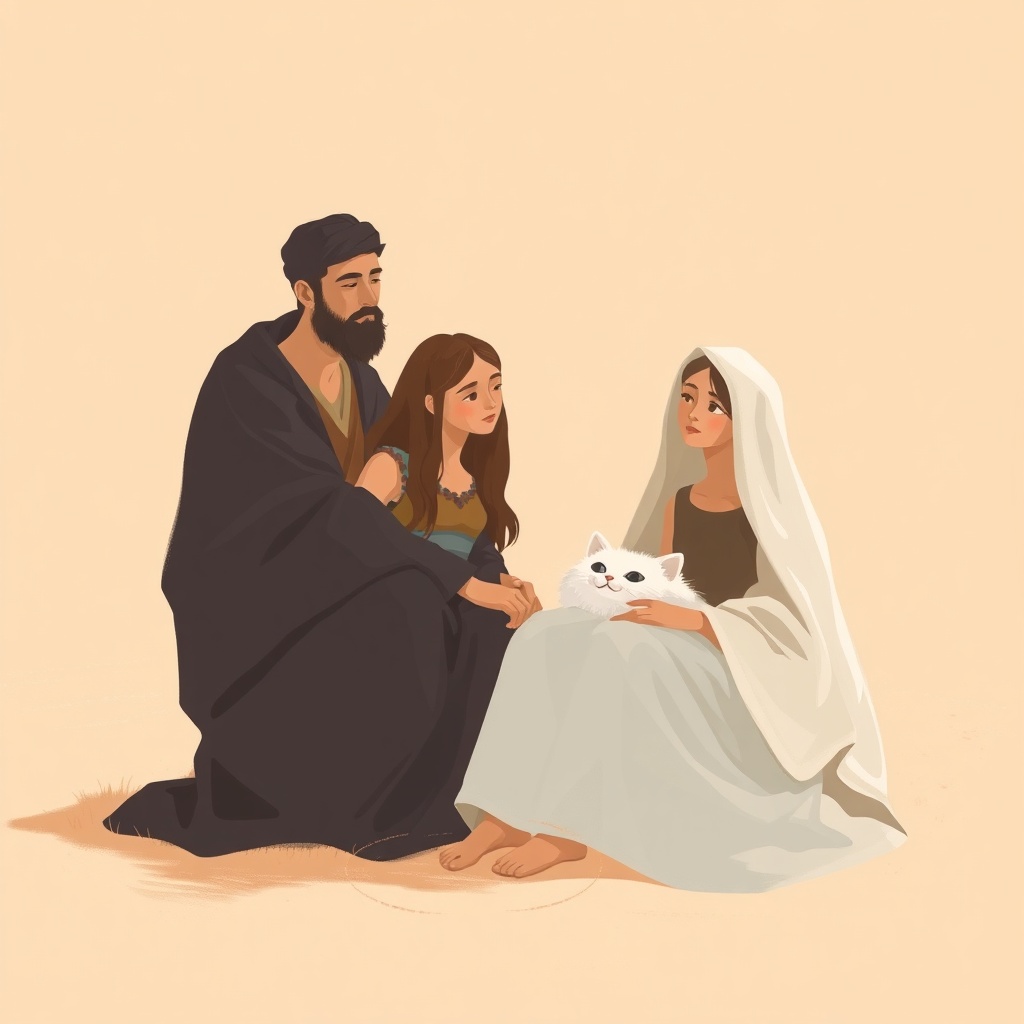
Rachel's story begins in Genesis, where her beauty and kindness attract Jacob’s affection. She initially works for her father Laban, and Jacob falls in love with her, agreeing to serve Laban in exchange for her hand. Rachel's deep love for Jacob is evident, yet her life is marked by longing, rivalry, and pain—particularly due to her jealousy of Leah and her own infertility struggles. Despite her sorrow, she eventually bears Joseph, Jacob’s favored son, and later Benjamin. Rachel’s death occurs during childbirth, making her a tragic but nurturing figure. Her life exemplifies themes of love, sacrifice, and perseverance, and she plays a crucial role in the patriarchal narrative, symbolizing hope and divine blessing amidst hardship.
🏛️ Cultural & Historical Context
Rachel lived in a nomadic, patriarchal society where women’s roles centered around family and childbearing. Influenced by cultural values that prized fertility and beauty, she experienced intense rivalry and longing for a son to secure her status. Marriage was arranged, and women’s identities were often linked to their roles as mothers and wives. Her story reflects the complexities faced by women seeking love and security within a male-dominated culture, emphasizing themes of perseverance and divine providence amid societal constraints.
👨👩👧 Family Connections
Rachel was the daughter of Laban, wife of Jacob, and mother of Joseph and Benjamin. She was sister to Leah, and her descendants became the tribes of Israel.
Rachel represents faithfulness and divine blessing in God's covenant with Israel. Her story underscores themes of love, perseverance through hardship, and God's sovereignty in fulfilling promises through imperfect but faithful individuals. As the mother of tribes, her legacy signifies hope and the divine plan unfolding in history. Her life reminds believers that God’s purposes can be fulfilled through perseverance and faith in His timing, highlighting His compassion and sovereignty in salvation history.
📖 Lessons for Today
📖 Lesson 1
Patience and faith in God's timing can bring fulfillment even amid hardship and longing. Rachel’s perseverance teaches us to trust in divine plans beyond our understanding.
Love and sacrifice often involve pain, but faithfulness to God's promises can lead to blessing and legacy. Her story encourages trusting God through emotional trials.
📖 Lesson 3
Competing and jealousy can cause pain, but God's grace can transform our struggles into blessings. Rachel’s life invites us to rely on God’s grace amid personal challenges.
Rachel's story contrasts with Leah’s, highlighting themes of love versus obligation. Both women exemplify faith amid hardship and play vital roles in Israel’s genealogy, illustrating shared experiences of longing, rivalry, and divine blessing within biblical matriarchs.
📜 Scripture References
Reference
Genesis 29–35
❓ Frequently Asked Questions
Why is Rachel considered a significant matriarch in the Bible?
Rachel is regarded as a key matriarch because she was the mother of Joseph and Benjamin, whose descendants formed the tribes of Israel. Her story embodies faith, perseverance, and divine promise fulfillment.
What does Rachel’s life teach about faith and God's plan?
Rachel’s life demonstrates that faith and perseverance amid hardship can lead to divine blessings. Her story encourages believers to trust God's timing and sovereignty in fulfilling His promises.
How does Rachel’s story influence biblical themes of love and sacrifice?
Rachel's unwavering love for Jacob and her sacrifices highlight themes of devotion and faithfulness, illustrating that God's plan often involves personal hardship turned into divine blessing.
✨ Did You Know?
The name Rachel, meaning 'ewe,' emphasizes her gentle yet resilient character in biblical tradition. Linguistically, her name connects to the pastoral imagery used throughout Israel’s history, symbolizing innocence and divine nurturing.








Leave a Reply