Leah: The Betrothed Wife of Jacob and Matriarch in the Bible
Leah: The Betrothed Wife of Jacob and Matriarch in the Bible
Old Testament Women | Deuterocanonical Women | Biblical Matriarchs
Leah: The Betrothed Wife of Jacob and Matriarch in the Bible
📅 Circa 20th century BCE (Bronze Age) · 📜 Leah's name derives from the Hebrew root 'lara' meaning 'weary' or 'tired,' possibly reflecting her feelings or the biblical narrative of her life.
LeahBiblical WomenMatriarchsOld TestamentFaith
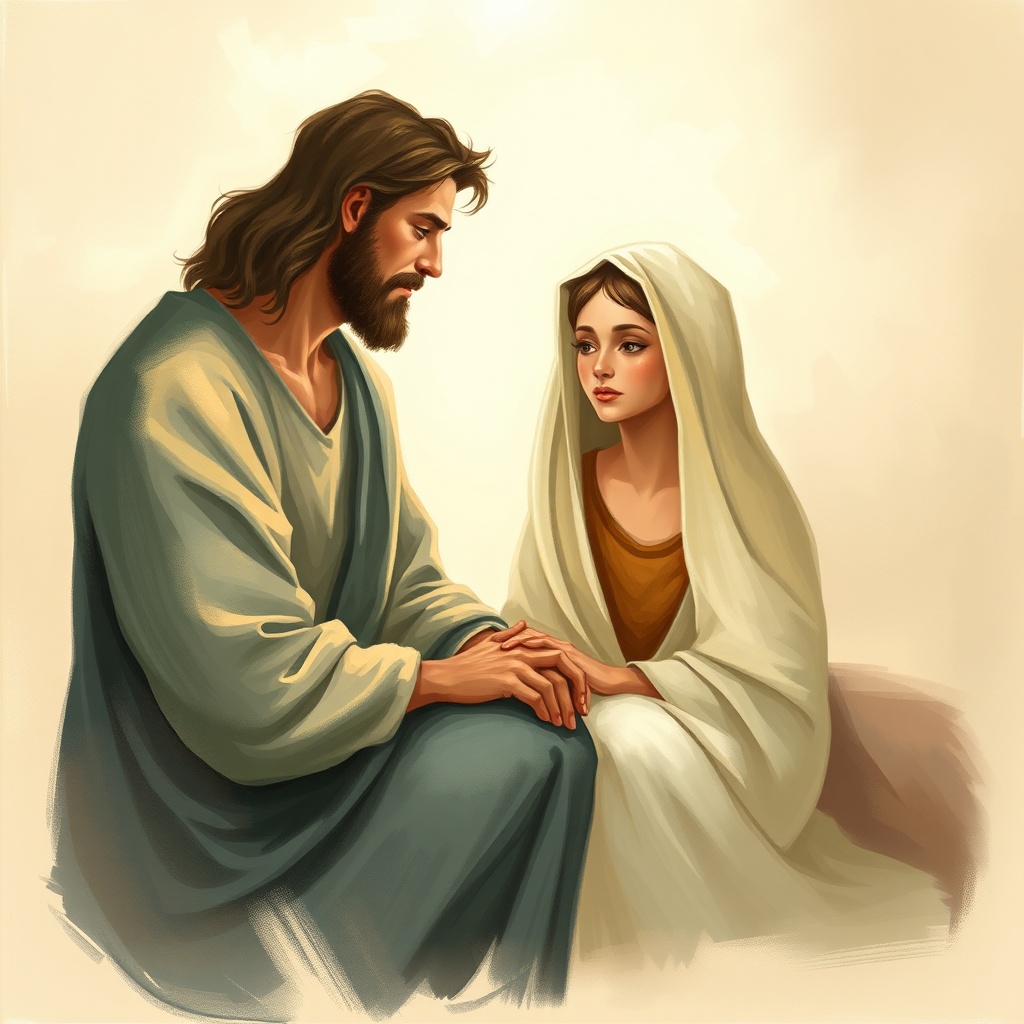
When the Lord saw that Leah was unloved, he enabled her to conceive, but Rachel remained childless. Leah became pregnant and bore a son, and she named him Reuben, for she said, 'Because the Lord has seen my misery. Surely my husband will love me now.'— Genesis 29:31-32
Leah's story begins with her being chosen as a wife for Jacob through Laban's deception. Although she was less loved than Rachel, Leah's perseverance and faith played a vital role in the biblical narrative. She initially experienced feelings of rejection but ultimately became the mother of many tribes of Israel. Her struggles for love and acceptance highlight her resilience and dedication to God's plan. Leah's lineage includes important descendants, such as King David and ultimately, Jesus Christ through her son Judah. Her story underscores themes of divine sovereignty, redemption amid hardship, and the importance of faithfulness. Her life reminds believers that God's purposes prevail even through emotional pain and societal challenges.
🏛️ Cultural & Historical Context
Leah lived in a patriarchal society during the Bronze Age, where women's roles were primarily centered around family and childbearing. Marriages often reflected social and economic arrangements, with women expected to bear children to secure familial lineage. Despite societal limitations, women like Leah demonstrated resilience through their perseverance and faith. Birthrights and inheritance were significant, influencing her status and her children’s futures. Her story offers insight into the complex social dynamics of ancient Near Eastern cultures, highlighting themes of favoritism, rivalry, and divine intervention. Leah's experiences reflect the broader struggles and resilience of women in biblical history, capturing their vital but often overlooked roles in shaping biblical and historical narratives.
👨👩👧 Family Connections
Leah was the daughter of Laban, sister to Rachel; wife to Jacob; mother to six of the twelve tribes of Israel, including Reuben, Simeon, Levi, Judah, Issachar, and Zebulun.
Leah symbolizes God's sovereignty in transforming moments of pain into blessings. Her life demonstrates that divine purpose often emerges amid human shortcomings and societal injustice. As an ancestress of the tribes of Israel and through her son Judah, Leah plays a critical role in the lineage leading to Christ, emphasizing God's preference for humility and faithfulness. Her story highlights the themes of divine grace, perseverance, and redemption. Leah's life serves as a reminder that God's plans extend beyond human expectations, and His blessings often come through struggle and perseverance. Ultimately, she embodies trust in God's sovereignty in the midst of personal and social challenges, making her a powerful figure in salvation history.
📖 Lessons for Today
📖 Lesson 1
Perseverance in difficult circumstances can lead to divine blessings; Leah's story encourages patience and faith amidst hardship.
Leah's story contrasts with her sister Rachel’s desire for love and fulfillment, illustrating different responses to societal expectations. Unlike other women like Ruth or Hannah, Leah's acceptance of her situation highlights resilience amid hardship. Her role emphasizes that divine blessing can come through perseverance, contrasting with women whose narratives focus on faith and prayer. Together, these women collectively portray the diverse ways women participate in God's redemptive plan across biblical history.
📜 Scripture References
Reference
Genesis 29:16-35
Genesis 30:9-21
Genesis 49:31
❓ Frequently Asked Questions
Why was Leah less loved than Rachel?
Jacob's affection was directed more towards Rachel, possibly due to her beauty, leading to Leah feeling unloved. Despite this, Leah was still favored by God, and her lineage was vital for Israel's future (Genesis 29:30-31).
What is Leah's significance in biblical history?
Leah is an important matriarch, the mother of six tribes of Israel, and an ancestor of King David and Jesus Christ, symbolizing God's purpose through hardship.
What lessons can modern women learn from Leah?
Leah teaches the importance of perseverance, faithfulness, and trusting God's plan despite life's hardships. Her story encourages resilience and hope through difficult circumstances.
✨ Did You Know?
Leah’s name, meaning 'weary' in Hebrew, reflects her personal struggles and societal perceptions. Interestingly, despite her feelings of neglect, she played a crucial role in God's redemptive lineage, highlighting that divine purposes often emerge through hardship and overlooked figures.






Leave a Reply