How to Get Baptized Catholic: A Step-by-Step Guide to Becoming Catholic
How to Get Baptized Catholic: A Step-by-Step Guide to Becoming Catholic
If you are exploring the Catholic Church, baptism is a foundational and transformative step. This guide explains how to get baptized Catholic, whether you are an adult who wants to enter the Church or a family preparing an infant for Baptism. You will find practical steps, explanations of terms, and a realistic timeline that can help you navigate the process with clarity and confidence.
Baptism is the sacrament through which a person becomes a member of the Catholic Church. It is the visible sign of an interior grace, cleansing from original sin, and initiation into the life of faith that is nourished by the other Sacraments. Through baptism, a person is welcomed into the Body of Christ and receives a new life in the Holy Spirit. For Catholics, baptism is the first of the Sacraments of Initiation, which also include Confirmation and the Eucharist.
Who Can Be Baptized in the Catholic Church?
In general, the Catholic Church teaches that those who have not yet been baptized can receive the sacrament, including infants, children, and adults. The process varies depending on age and prior faith experience. Here are common pathways:
Infant Baptism
Parents or guardians typically initiate the process by contacting the parish and scheduling a meeting with the pastor or a designated catechetical leader.
Godparents are chosen to support the child’s life of faith. At least one Godparent must be a practicing Catholic; others may be Christians from other denominations if allowed by the diocese, but they do not replace the role of a Catholic Godparent.
The baptism date is often arranged after preparation sessions for the family and a brief catechesis about the meaning of baptism in the Catholic faith.
Adult Baptism and Becoming Catholic
Adults who wish to join the Catholic Church typically enter the RCIA process—Rite of Christian Initiation for Adults.
During RCIA, catechumens (those not yet baptized) and candidates (those already baptized in another Christian tradition) participate in instruction, prayer, and discernment.
Adults can be baptized at the Easter Vigil, though baptisms can occur at other times when appropriate and pastoral officials approve.
Becoming Catholic: The RCIA Process
RCIA is the standard pathway for adults who want to become Catholics. It is a journey of initiation, study, prayer, and community formation. The process is designed to help you understand Catholic beliefs, grow in prayer, and prepare for the sacraments of initiation.
Inquiry: A period of listening, questions, and discerning whether to proceed toward baptism or reception into full communion with the Catholic Church.
Catechumenate: For those who are not yet baptized, this phase provides formal instruction in the faith, moral formation, and spiritual growth. For those already baptized in another tradition, this phase adapts to reception as a Catholic.
Purification and Enrichment: Closer preparation through prayer, liturgical rites, and deeper catechesis as the individual approaches the sacraments.
Initiation: The actual celebration of the Sacraments of Initiation—Baptism (if not yet baptized), Confirmation, and the Eucharist—usually at the Easter Vigil or another appropriate liturgical moment.
Preparing to Enter the Church: Practical Steps
Whether you seek how to be baptized in the Catholic Church as an adult or you are guiding a family toward infant baptism, these practical steps can help you organize the journey.
Step 1: Locate a Parish and Make an Inquiry
Contact the parish that serves your home or the community you plan to join. The parish office can connect you with a priest, catechetical director, or RCIA team.
Ask about the timeline, expectations, and what documents you may need. You will often be asked to provide a baptismal certificate if you were baptized previously, or to discuss your baptism status if you were raised in another tradition.
Attend an inquiry session or welcome meeting to learn about the process and to decide if this parish is the right fit for you.
Step 2: Choose Your Path: Infant Baptism vs. Adult Initiation
For infant baptism, coordinate with the pastor and the parents to complete the required preparation, select godparents, and schedule the baptism date.
For adult initiation, begin RCIA. You will typically be assigned a sponsor and begin weekly or biweekly gatherings for instruction, prayer, and community formation.
Step 3: Find a Sponsor or Godparents
A sponsor (for RCIA) accompanies you through the journey, attends meetings, prays with you, and supports your faith life.
For infant baptism, Godparents must meet certain Church requirements: usually practicing Catholics, in good standing with the Church, and ready to support the child’s faith life. At least one Godparent must be a Catholic; the other may be a Christian of another denomination depending on local norms.
Step 4: Engage in Catechesis and Prayer
Participate in structured catechesis, Scripture study, and liturgical preparation.
Develop a practice of daily prayer, scripture reading, and attendance at Mass when possible, even during the RCIA period.
Ask questions, take notes, and seek the guidance of priests, deacons, and catechists as you deepen your faith.
Step 5: Participate in Liturgical Rites
You may encounter several liturgical rites, such as the Rite of Acceptance (for those entering the catechumenate) or the Rite of Welcome (for those joining the Church as a Candidate).
These rites mark important milestones and are celebrated within Mass. They reinforce your readiness to continue toward baptism, Confirmation, and the Eucharist.
Step 6: Sacraments of Initiation
The culmination of the journey is the reception of the Sacraments of Initiation: Baptism (if not yet baptized), Confirmation, and the Eucharist.
The exact order and timing may vary by diocese and parish, but the Easter Vigil is a traditional and highly meaningful time for adult initiates to celebrate all three sacraments together.
What Happens on the Day of Baptism
The day you are baptized is a sacred moment. For infants, it is a family-focused ceremony; for adults, it is typically part of a larger liturgical celebration. Here are elements you can expect:
Profession of faith: The catechumen or candidate publicly professes the Catholic faith, often alongside the parents and Godparents in the case of infant baptism.
Renunciation of sin and profession of faith: The celebrant asks you to renounce sin and to profess belief in God, the Father, Son, and Holy Spirit.
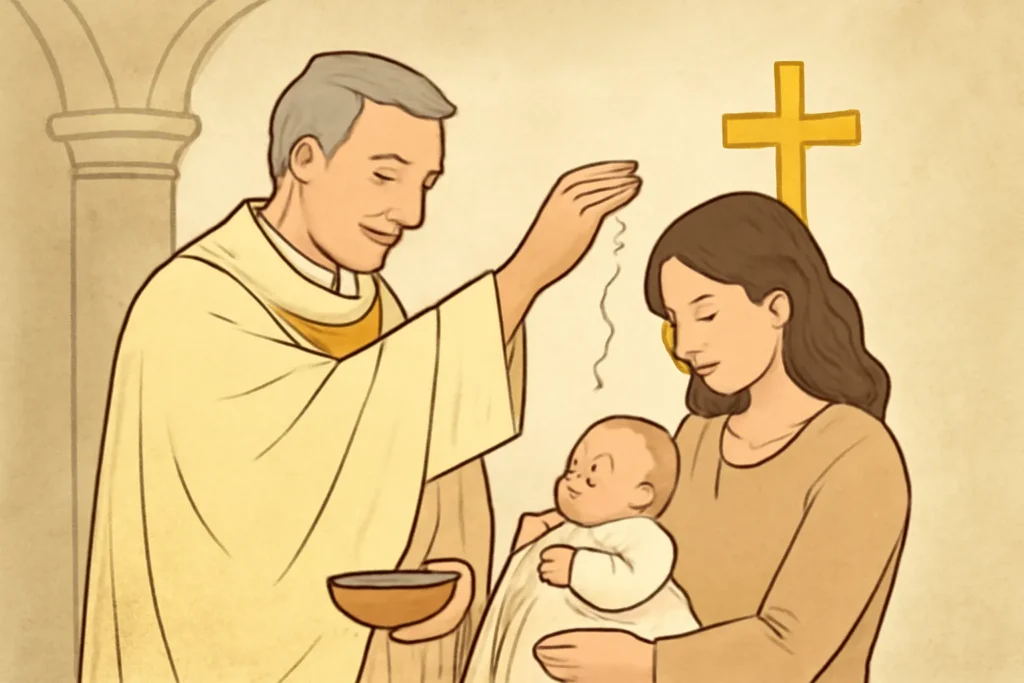
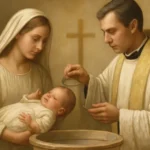
Water baptism: The essential rite is the pouring of water or immersion, done in the name of the Father, and of the Son, and of the Holy Spirit.
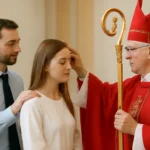
Anointing with sacred chrism: The baptizand may be anointed with chrism on the crown of the head as a sign of sharing in the mission of Christ the priest, prophet, and king.
White garment: The newly baptized person is clothed in a white garment, symbolizing new life in Christ.
Candle: A lit baptismal candle is given, representing the light of Christ shining in the believer’s life.
In infant baptisms, Godparents often accompany the child, but parents maintain their pivotal role in ongoing catechesis and faith formation.
Roles and Responsibilities: Godparents, Sponsors, and Parents
Family and community support is central to the baptismal journey. Each role has unique responsibilities that help sustain a life of faith beyond the ceremony itself.
Commit to raising the child in the Catholic faith, providing religious formation, and ensuring regular participation in the sacraments as the child grows.
Engage in the preparation process, attend baptismal or RCIA sessions, and reinforce the meaning of baptism in daily life.
Godparents
Provide spiritual guidance, pray for the child, and serve as an example of Catholic living.
Assist in faith formation and be present to support the child and family in their Catholic journey.
Sponsor (for adults in RCIA)
Walks with the candidate through instruction, prayer, and liturgical participation.
Offers encouragement and accountability in the journey toward the sacraments.
After baptism, the work of formation continues. The Church invites new Catholics to deepen their relationship with God and participate actively in parish life.
Join a parish community, attend Mass regularly, and participate in ongoing catechesis.
Continue preparation for Confirmation and the Eucharist if you joined during RCIA or as an infant who is now of age to receive these sacraments.
Engage in sacramental life, including frequent confession when available, and grow in prayer, Scripture reading, and service to others.
Special Considerations for Non-Baptized Adults and Converts
If you have been baptized in another Christian tradition but wish to join the Catholic Church, you are often received into full communion rather than having a baptism again. In this case, the process typically involves:
A review of your baptism certificate to ensure it was validly administered,
Completion of the RCIA journey or a shortened pathway tailored by the diocese,
Participation in Confirmation and the Eucharist as your first full reception of these sacraments in the Catholic Church.
Frequently Asked Questions
Below are common questions people ask about how to be baptized Catholic and related topics. If your question isn’t listed here, your parish staff can provide guidance tailored to your situation.
How long does the RCIA process take? The duration can vary from several months to a year or more, depending on individual preparation, parish schedules, and the pace of formation.
Is baptism possible outside Easter? Yes, baptism can occur at other times, but Easter Vigil is traditional because it emphasizes initiation into the Church as a lasting commitment.
What documents are required? You may need a baptismal certificate from previous churches, proof of eligibility for Catholic rites, and moderation by the parish priest. Requirements vary by diocese.
What if I was baptized as an infant in another tradition? You may be received into the Catholic Church through a rite of reception, rather than a new baptism, if your prior baptism was valid according to Catholic understanding.
Can I participate in Mass before baptism? Yes. Active participation in the parish community through prayer, study, and liturgy is encouraged during RCIA or preparatory periods.
Resources and Next Steps
Embarking on this journey is a meaningful commitment. Here are practical resources and next steps to help you move forward with confidence:
To summarize the path you may take to receive the Catholic baptism, here are the core elements you will encounter as you pursue entry into the Church:
Discernment about whether you are ready to commit to the Catholic faith and community.
Ament to participate in catechesis and prayer, with a community that supports your growth.
Engaging in the appropriate liturgical rites that mark milestones along the way.
Receiving the Sacraments of Initiation at the right moment in your journey, typically Baptism, Confirmation, and the Eucharist.
Post-baptism formation in Catholic life, including regular Mass attendance, confession, and ongoing catechesis.
Whether you are starting with the question “how to get baptized Catholic?” or you are guiding a family through infant baptism, remember that the Church’s invitation is one of welcome, formation, and ongoing support. The parish community, priests, deacons, catechists, and sponsors work together to help you grow in faith and live the baptismal call.
Final Thoughts on Your Path to Baptism
The decision to join the Catholic Church through baptism is deeply personal and spiritually meaningful. While the exact steps may differ by parish and country, the underlying principles are consistent: conversion of heart, adherence to Catholic teaching, participation in the liturgical life of the Church, and a community of faith that sustains you along the way. If you are still discerning, take the next step by reaching out to a local parish, asking to speak with the pastor or RCIA coordinator, and attending an inquiry session. The journey toward becoming Catholic through baptism is a profound gift—one that invites you into a lifelong relationship with God and a community united in faith, hope, and love.





Leave a Reply