The Assemblies of God is a Christian Pentecostal denomination that bases its teaching on the Bible and centers its faith on Jesus Christ. Its churches generally believe in salvation through faith in Jesus, baptism in water, baptism in the Holy Spirit, divine healing, the second coming of Christ, and the importance of sharing the gospel.
The denomination is also known for teaching that the initial physical evidence of baptism in the Holy Spirit is speaking in tongues. Assemblies of God congregations commonly practice lively worship, prayer for healing, spiritual gifts, and missions. Beliefs can differ in emphasis from one local church to another, but the denomination’s official teaching is summarized in its Statement of Fundamental Truths.
What the Assemblies of God is and how it developed
The Assemblies of God is a worldwide fellowship of Pentecostal churches. In the United States, it was organized in 1914 by ministers and church leaders who wanted to cooperate in evangelism, missions, education, and the developing Pentecostal movement.
“Pentecostal” refers to Christian beliefs associated with the events of Pentecost in Acts 2. Assemblies of God teaching emphasizes that the Holy Spirit continues to work actively in the church through spiritual gifts, empowered witness, prayer, prophecy, healing, and other expressions of faith.
The movement grew from earlier Pentecostal revivals that stressed a personal experience with God, prayer, holiness, and missionary work. It remains part of the broader evangelical Protestant tradition while retaining distinctive Pentecostal convictions, especially concerning the baptism in the Holy Spirit and speaking in tongues.
Assemblies of God churches are not governed as a single congregation under one pastor. The U.S. fellowship includes local churches, district organizations, and a national organization. Local congregations have room to shape their worship and ministries, provided they remain consistent with the denomination’s core beliefs and governance.
A useful distinction: The Assemblies of God is not the same as every Pentecostal church. Pentecostal congregations may share beliefs about the Holy Spirit while differing on baptism in the Spirit, church leadership, spiritual gifts, or particular moral questions.
What Assemblies of God churches believe about the Bible
Assemblies of God churches affirm the Bible as the inspired, authoritative Word of God. They believe Scripture is the primary standard for Christian faith, doctrine, and conduct. The Bible is read as the central source for understanding God, humanity, salvation, the church, and the future.
This belief does not mean every passage is interpreted in exactly the same way by every pastor or member. Congregations may differ on questions such as worship style, the timing of end-time events, or how particular passages should be applied. Still, official Assemblies of God teaching treats the Bible as the final authority for defining core Christian doctrine.
Assemblies of God Christians generally read the Bible through a Christ-centered and evangelical framework. They affirm the importance of both the Old and New Testaments, while recognizing the New Testament as the revelation of Jesus Christ and the foundation for the church’s mission.
When teaching from Scripture, Assemblies of God pastors often connect biblical truth with personal discipleship. Bible study is expected to shape belief, character, prayer, relationships, and service, rather than remain only an intellectual exercise.
What Assemblies of God churches believe about God and Jesus
The Assemblies of God teaches that there is one true God who exists eternally as Father, Son, and Holy Spirit. This is the Christian doctrine of the Trinity. The Father, Son, and Holy Spirit are distinct persons, yet they share one divine nature.
God is understood as eternal, holy, loving, just, all-powerful, and active in creation and human history. Assemblies of God worship is directed to the triune God, and prayer may be addressed to the Father through Jesus Christ in the power of the Holy Spirit.
Jesus Christ is believed to be fully divine and fully human. Assemblies of God teaching affirms his virgin birth, sinless life, miracles, death on the cross, bodily resurrection, ascension into heaven, and present authority. Jesus is the only Savior and the mediator between God and humanity.
The cross is central to the gospel. Assemblies of God Christians believe that Jesus died for human sin and that people receive forgiveness and reconciliation with God through him. His resurrection is understood as a historical and spiritual foundation of Christian faith, not merely a symbol of hope.
The Holy Spirit is the third person of the Trinity. He convicts people of sin, brings new life, lives in believers, helps them understand God’s truth, produces spiritual character, and empowers them to serve and witness.
What Assemblies of God churches believe about human sin and salvation
Assemblies of God doctrine teaches that human beings were created in God’s image but became separated from God through sin. Sin affects every part of human life and leaves people unable to restore their relationship with God through personal effort, morality, religious rituals, or good works alone.
Salvation is offered by God’s grace through faith in Jesus Christ. A person responds through repentance and faith: repentance means turning away from sin and rebellion, while faith means trusting Jesus Christ as Savior and Lord. Salvation includes forgiveness, spiritual rebirth, reconciliation with God, and the beginning of a transformed life.
Assemblies of God churches generally teach that people should experience a personal conversion rather than rely only on family tradition, church membership, baptism, or cultural identity. A Christian life begins with trust in Christ and continues through obedience, prayer, worship, fellowship, and growth in holiness.
Many Assemblies of God believers describe salvation using the language of being “born again,” based on Jesus’ teaching in John 3. The phrase refers to a work of the Holy Spirit in which a person receives new spiritual life and begins a restored relationship with God.
The denomination also teaches that Christians should persevere in faith. Its official position emphasizes God’s grace and the believer’s responsibility to continue following Christ. Churches may explain the relationship between assurance, human freedom, and perseverance in slightly different ways, but Christian discipleship is treated as an ongoing commitment rather than a one-time statement with no change afterward.
Repentance: turning from sin and turning toward God.
Faith: trusting Jesus Christ rather than relying on personal merit.
Regeneration: receiving new spiritual life through the Holy Spirit.
Justification: being counted righteous before God because of Christ.
Sanctification: growing in holiness and becoming more like Christ.
Glorification: sharing in the final resurrection and completed redemption.
What Assemblies of God churches believe about water baptism and Communion
Assemblies of God churches practice two ordinances: water baptism and the Lord’s Supper, also called Communion. These practices do not earn salvation. Instead, they express faith and obedience to Jesus.
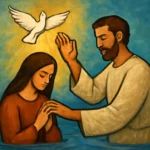
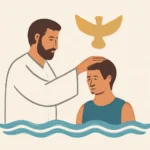
Water baptism is usually practiced by immersion after a person has personally repented and believed in Christ. It publicly identifies the believer with Jesus’ death, burial, and resurrection. Baptism also represents the believer’s decision to leave an old way of life and live as a follower of Christ.
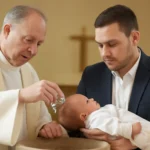
Because Assemblies of God churches generally emphasize personal faith, they usually practice believer’s baptism rather than treating infant baptism as the normal expression of Christian faith. Parents may dedicate children to God in a church service, while baptism is reserved for someone who can personally confess faith.
Communion is observed in remembrance of Jesus’ death and in fellowship with other believers. Bread and the cup point to Christ’s body and blood and invite Christians to examine their lives, give thanks, and renew their commitment to him. Assemblies of God churches do not generally teach that the elements physically become Jesus’ body and blood.
What the Assemblies of God believes about baptism in the Holy Spirit
The baptism in the Holy Spirit is one of the denomination’s most distinctive teachings. Assemblies of God churches believe that every Christian receives the Holy Spirit in relation to conversion, but that believers may also experience a distinct empowering work of the Spirit for witness and ministry.
This teaching is based especially on passages in Acts that describe Jesus’ followers receiving power from the Holy Spirit. The purpose is not simply a private emotional experience. The Spirit empowers Christians to bear witness, pray, serve, and participate in God’s mission.
The Assemblies of God teaches that speaking in tongues is the initial physical evidence of baptism in the Holy Spirit. “Speaking in tongues” means speaking in a language given by the Spirit rather than learned by ordinary study. Some Pentecostal Christians describe this as glossolalia.
Assemblies of God teaching distinguishes this initial sign from the broader gift of tongues used in congregational ministry. In public worship, tongues may be accompanied by interpretation according to the New Testament pattern described in 1 Corinthians 12–14. Personal prayer in tongues and a public message in tongues are not treated as exactly the same practice.
Not every church service will include tongues, prophecy, or healing in the same way. Congregations may vary in worship style and how often spiritual gifts are emphasized. The official belief, however, is that the gifts of the Spirit remain available to the church and should be exercised in a way that honors Scripture and builds up believers.
For visitors: You do not have to pretend to have a spiritual gift or imitate another person’s prayer. A healthy congregation should explain its practices, allow you to ask questions, and treat spiritual experiences as a work of God rather than a performance.
What Assemblies of God churches believe about spiritual gifts
Assemblies of God churches believe the Holy Spirit gives spiritual gifts to believers for ministry. These gifts are not badges of spiritual superiority. They are intended to serve others, strengthen the church, communicate God’s truth, and support the mission of the gospel.
Commonly discussed gifts include tongues, interpretation of tongues, prophecy, healing, miracles, words of wisdom, words of knowledge, discernment, faith, teaching, leadership, service, giving, mercy, and administration. Different churches may organize or name these gifts in slightly different ways based on their reading of passages such as Romans 12, 1 Corinthians 12, and Ephesians 4.
Prophecy is generally understood as Spirit-enabled speech that communicates encouragement, correction, direction, or insight consistent with Scripture. Assemblies of God churches do not place personal prophecy above the Bible. Prophetic words should be weighed carefully, and no claim of spiritual revelation should be used to control another person or excuse conduct that conflicts with Scripture.
Healing is also an important part of Pentecostal belief. Assemblies of God Christians believe God can heal today and encourage prayer for the sick. They also generally recognize the value of doctors, medicine, counseling, and other forms of responsible care. A person who is not healed is not automatically considered to lack faith.
Spiritual gifts are meant to operate with love, order, humility, and accountability. The teaching of 1 Corinthians 13 is especially important: impressive spiritual activity without love does not represent Christian maturity.
What Assemblies of God churches believe about divine healing
The denomination teaches that divine healing is provided through Jesus Christ and remains available through prayer. This belief is connected to Jesus’ compassion toward the sick and to the New Testament accounts of healing in the early church.
Churches may invite people to receive prayer during worship services, small groups, or personal ministry appointments. Prayer can include anointing with oil, laying on of hands, or simply asking God for mercy and restoration. The exact practice varies by congregation.
Assemblies of God teaching does not require Christians to reject medical treatment. Seeking medical care and praying for healing are generally viewed as compatible. Faith does not guarantee a particular timetable or outcome, and pastors should avoid blaming sick people for their suffering or making unsupported promises.
When healing does not occur, believers may continue to pray while also receiving practical, emotional, and medical support. The denomination’s belief in healing is meant to encourage trust in God, not to shame people who remain ill or to discourage them from consulting qualified health professionals.
What Assemblies of God churches believe about Christian living
Assemblies of God Christians are called to live in a way that reflects the character of Jesus. This includes love for God and neighbor, honesty, sexual integrity, generosity, humility, forgiveness, self-control, and concern for people who are vulnerable or in need.
Sanctification is the process of being set apart for God and growing in holiness. Assemblies of God teaching usually presents sanctification as both an act of God’s grace and an ongoing process. Believers are expected to cooperate with the Spirit through prayer, Scripture, worship, repentance, fellowship, and practical obedience.
Local churches commonly encourage regular participation in worship, Bible study, small groups, prayer meetings, and service. They may also teach Christians to avoid habits and entertainment that encourage exploitation, addiction, violence, dishonesty, or sexual immorality.
Specific applications can differ among congregations and generations. For example, churches may use different language when discussing alcohol, entertainment, dress, tattoos, or social media. The underlying concern is usually whether a choice honors God, harms others, controls the believer, or weakens Christian witness.
Common mistakes when evaluating an Assemblies of God church
Assuming every Pentecostal practice is mandatory at every service: Worship styles and the frequency of spiritual gifts vary by congregation.
Confusing emotional worship with the entire belief system: Music and worship expression matter, but doctrine also includes salvation, Scripture, Christian character, and service.
Assuming speaking in tongues means someone is more loved by God: The denomination teaches a particular role for tongues, but spiritual gifts are not a measure of human worth.
Expecting healing to replace medical care: Assemblies of God churches encourage prayer while generally accepting responsible medical treatment.
Treating one pastor’s opinion as the denomination’s complete position: Ask whether a statement comes from official doctrine, a local policy, or an individual interpretation.
Judging a church only by its worship style: Also examine its teaching, financial transparency, treatment of people, leadership accountability, and care for the community.
What Assemblies of God churches believe about the church’s mission
The church exists to worship God, make disciples, proclaim the gospel, care for people, and live as a witness to Jesus Christ. Assemblies of God churches place strong emphasis on evangelism and missions, both locally and internationally.
Evangelism means communicating the good news about Jesus and inviting people to respond in faith. It can happen through preaching, personal conversations, children’s ministries, outreach events, community service, media, and relationships. Churches are expected to help new believers grow rather than merely seek decisions without long-term support.
Missions is a major part of Assemblies of God identity. Churches support missionaries, plant congregations, train ministers, translate Christian resources, provide humanitarian assistance, and serve communities in many countries. The denomination’s Pentecostal understanding of Spirit-empowered witness is closely connected to this missionary focus.
Many local churches also operate food distributions, counseling ministries, recovery groups, disaster-relief efforts, youth programs, schools, or partnerships with community organizations. These activities differ from church to church, but the goal is to express Christian love while pointing people toward reconciliation with God.
What Assemblies of God churches believe about church leadership
Assemblies of God churches generally recognize pastors, evangelists, missionaries, teachers, and other ministry leaders. Women and men serve in many ministry roles throughout the denomination, including pastoral and leadership positions. Local policies and personal views can differ, but the Assemblies of God has ordained women for ministry.
Leadership is intended to equip the church for service rather than create a spiritual class above ordinary believers. Members are encouraged to use their gifts, participate in ministry, and contribute to the church’s mission.
Healthy leadership should include moral standards, financial responsibility, pastoral care, and accountability. Because local churches have significant responsibility for their own ministries, people evaluating a congregation should ask how leaders are selected, supervised, and held accountable.
What Assemblies of God churches believe about marriage, family, and moral conduct
Assemblies of God churches generally teach that marriage is a covenant between one man and one woman and that sexual intimacy belongs within marriage. They encourage faithfulness, mutual care, responsibility, and protection from abuse. The denomination’s official position is traditionally conservative on sexual ethics and abortion.
At the same time, churches differ in how they discuss these subjects and how they care for people whose lives include divorce, infertility, sexual trauma, addiction, or other painful circumstances. A biblical position should be accompanied by compassion, truthfulness, and practical support rather than humiliation.
Assemblies of God congregations generally affirm the value of every human being as made in God’s image. That conviction should shape how Christians treat immigrants, racial and ethnic communities, people with disabilities, the poor, the elderly, and those who disagree with them.
If you are considering a particular church, review its published beliefs and ask direct questions about marriage, divorce, sexuality, gender, abortion, counseling, and the treatment of LGBTQ people. Local application and pastoral practice can be significant, even when churches share the same denominational statement.
What Assemblies of God churches believe about Jesus’ return and the future
Assemblies of God doctrine teaches that Jesus Christ will return personally and visibly. Christians look forward to the resurrection of the dead, the final judgment, and the establishment of God’s eternal kingdom.
The denomination traditionally teaches a premillennial view of Christ’s return, meaning Christ’s second coming is understood in relation to a future millennial reign described in Revelation 20. It also teaches the expectation of a pre-tribulation rapture, in which believers are taken to be with Christ before a period of tribulation.
These end-time teachings are important in the denomination, but Assemblies of God Christians may differ over the timing and interpretation of particular prophetic events. The central hope is that Jesus will defeat evil, judge rightly, renew creation, and bring God’s people into eternal life.
Future hope is meant to influence present conduct. Christians are encouraged to remain faithful, share the gospel, care for others, and live with readiness rather than attempt to calculate an exact date for Christ’s return.
How to find out what a local Assemblies of God church believes
Denominational identity gives you a useful starting point, but a local congregation may have its own personality, priorities, and policies. Two Assemblies of God churches in the same region can differ significantly in worship, preaching, size, community involvement, and expectations for members.
Before attending regularly, read the church’s statement of faith and listen to several sermons. Pay attention not only to its claims about the Holy Spirit but also to how it presents Jesus, salvation, Scripture, money, leadership, suffering, and people who are different from the congregation.
Ask what the church teaches about salvation. Confirm that it clearly presents salvation as God’s grace through faith in Jesus Christ.
Ask how the church explains speaking in tongues and prophecy. Find out whether gifts are taught with biblical limits and pastoral care.
Ask what happens when someone is sick. A responsible church should support prayer and avoid condemning people who need medical treatment.
Ask about membership and baptism. Learn whether baptism, classes, financial giving, or volunteer service are expected and how the church explains them.
Ask how leaders are accountable. Look for clear processes involving finances, misconduct reports, pastoral supervision, and conflicts of interest.
Ask how the church treats visitors and vulnerable people. Notice whether people are pressured, ignored, or welcomed with appropriate boundaries.
You can also compare a congregation’s public teaching with the Assemblies of God’s official fundamental truths. A church does not need to use a particular worship style to be authentically Pentecostal, but its teaching should be recognizable within the denomination’s doctrinal framework.
The central answer to “What do the Assemblies of God believe?” is therefore broad but clear: they are Bible-centered, evangelical Pentecostal Christians who proclaim salvation through Jesus, expect the Holy Spirit to empower believers today, practice water baptism and Communion, pray for healing, pursue holy living, and look forward to Christ’s return.
Frequently asked questions
Are Assemblies of God Christians considered evangelical?
Yes. The Assemblies of God is generally considered part of the evangelical Protestant tradition. It emphasizes the authority of the Bible, salvation through personal faith in Jesus Christ, the need for conversion, the call to share the gospel, and the importance of Christian discipleship. Its distinctive Pentecostal beliefs concern the present work of the Holy Spirit, including spiritual gifts and baptism in the Holy Spirit.
Do all Assemblies of God Christians speak in tongues?
No. The denomination teaches that speaking in tongues is the initial physical evidence of baptism in the Holy Spirit, but individual members may not have had that experience or may not discuss it publicly. Tongues are not supposed to be used to rank believers or pressure people into imitating an experience. Local worship practices also vary considerably.
Do Assemblies of God churches believe in predestination?
Assemblies of God teaching generally emphasizes human responsibility to respond to God’s grace and the genuine offer of salvation through Jesus Christ. It does not usually follow the strict Calvinist understanding that God unconditionally predestines some people to salvation and others to condemnation. Individual pastors may explain divine sovereignty, free will, and perseverance in different ways.
Can someone attend an Assemblies of God church without being Pentecostal?
Yes. Visitors are generally welcome, and you do not need to identify as Pentecostal to attend a service, ask questions, or join a Bible study. You may encounter expressive worship, prayer for healing, or speaking in tongues, so asking the pastor to explain unfamiliar practices can help you decide whether the congregation’s beliefs and worship style suit you.







Leave a Reply