Pentecostal Baptism Beliefs: Key Teachings, Practices, and FAQs
Pentecostal Baptism Beliefs: Key Teachings, Practices, and FAQs
This article provides a comprehensive survey of Pentecostal baptism beliefs, tracing the key teachings, common practices, and frequently asked questions that arise in Pentecostal and charismatic circles. While there is a central core shared by many Pentecostal communities, there is also notable diversity across denominations. The aim here is to present a balanced, informative overview that helps readers understand how water baptism and the baptism of the Holy Spirit function within Pentecostal theology and worship life.
In Pentecostal theology, baptism is understood in two primary dimensions that work together to form a believer’s experience and public witness: water baptism by immersion and the baptism of the Holy Spirit. These two distinct acts have different meanings, times, and purposes, yet both are considered essential for a full Christian life in the Pentecostal tradition. Water baptism is typically viewed as an outward expression of inward faith—an affirmative public confession that a person has turned from sin and trusted in Jesus Christ. The baptism of the Holy Spirit, by contrast, is perceived as a separate empowering encounter that equips believers for service, witness, and a life characterized by spiritual gifts and fervent devotion.
Among Pentecostal communities, the following core ideas are frequently emphasized:
Believer’s baptism (often by immersion) as a conscious response to faith in Jesus Christ.
Water baptism as a sacred step of obedience that publicly identifies a person with the crucified and risen Christ.
Baptism of the Holy Spirit as a distinct, subsequent experience that confers spiritual empowerment for ministry and holy living.
Continuing gifts of the Spirit (often called the charismatic gifts or sign gifts)—prophecy, speaking in tongues, healing, miracles, discernment—available to believers through the Spirit’s work.
A generally evangelical emphasis on salvation by grace through faith, with baptism as a faithful response to that salvation rather than a means of earning salvation.
Biblical Foundations and Theological Themes
Pentecostals anchor their baptismal beliefs in a constellation of scriptural passages that emphasize conversion, public confession, and Spirit-empowered living. Key texts include the baptism of Jesus in Matthew 3:13-17, where Jesus is baptized as the Messiah who inaugurates his public ministry; Acts 2 (the Day of Pentecost) and Acts 10:44-48, which describe the Spirit’s outpouring on believers and the sign of speaking in tongues; and the Great Commission in Matthew 28:19-20, which is often cited in connection with the baptismal formula used in water baptism, depending on denominational tradition.
Theologically, Pentecostals typically hold these strands together:
Water baptism is an ordinance—an act of obedience commanded by Jesus and modeled in the early church. It represents the believer’s identification with Christ’s death, burial, and resurrection.
The baptism of the Holy Spirit is a separate, subsequent work of God that empowers believers for effective witness, sanctification, and service in the church and world.
Kingdom advance through spiritual gifts—when the Holy Spirit fills a believer, gifts are enabled to build up the church and reach the lost.
Trinitarian versus Oneness considerations—within Pentecostalism, most churches affirm the traditional Trinitarian formula (the Father, the Son, and the Holy Spirit) at water baptism, while a smaller subset—often labeled Oneness Pentecostals—emphasize baptism in Jesus’ name, with distinctive Christological formulations. This variance illustrates the breadth within Pentecostal practice and belief.
Modes and Practices of Baptism
Practices surrounding baptism in Pentecostal churches are shaped by a combination of biblical interpretation, ecclesial tradition, and contemporary pastoral care. While there is broad agreement on the importance of both water baptism and Spirit baptism, the practical expressions show diversity in mode, timing, and ecclesial expectations.
Water Baptism by Immersion
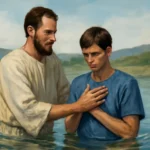
Across most Pentecostal churches, water baptism by immersion is the normative mode. Immersion is seen as the most faithful symbol of death to the old life and rising to new life in Christ, paralleling the imagery of Romans 6 and Colossians 2-3. Baptism by immersion is often performed in a baptismal tank in a church building or outdoors in a body of water.
Put differently, immersion is frequently described as entering rhythm with the gospel drama: dying to self, being buried with Christ, and rising to walk in newness of life.
In some Pentecostal streams, adult-only baptism is emphasized; infant baptism is rare and typically not practiced as a norm, given the emphasis on personal decision and confession of faith. Nevertheless, there are exceptions in the wider Pentecostal family, where exceptions may occur for young children in specific contexts or missionary settings.
Fees of belief aside, many Pentecostal pastors stress that material water itself does not save; rather, the grace of God received by faith is the decisive factor, and baptism is a subsequent step of obedience and identity with the church.
Infant Baptism and Believer’s Baptism
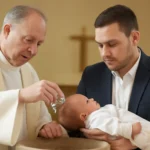
In the broad Pentecostal landscape, the question of infant baptism is debated. The majority of Pentecostal denominations teach believer’s baptism, meaning baptism is reserved for individuals who have made a personal confession of faith in Christ. This stance is rooted in the conviction that baptism follows an informed, voluntary profession of faith. A smaller subset within Pentecostalism—often associated with more liturgical or historic-church influences—practices infant dedication or, in rare cases, infant baptism, but they usually distinguish these practices clearly from the traditional Pentecostal understanding of baptism as a public declaration of personal faith.
Where infants are dedicated, the focus is on the child’s future faith journey and church community support rather than an immediate sacrament that conveys grace apart from personal faith.
Believer’s baptism is typically performed after a person has clear testimony of repentance and faith—often following a period of catechesis or baptismal instruction.
Some Pentecostal churches encourage candidates to participate in a baptismal class, provide testimony, and affirm the church’s faith and mission before baptism is administered.
Gifts, Spirit Baptism, and Empowerment
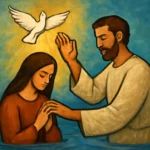
A defining feature of Pentecostal baptism thinking is the baptism of the Holy Spirit, which is believed to impart spiritual gifts that enable believers to live out their faith with power and to minister to others. The Spirit’s work is often described as both inward renewal and outward empowerment, aligning with the Pentecostal expectation of ongoing spiritual gifts in the life of the church.
Initial evidence debate: Many Pentecostals historically have taught that speaking in tongues is the initial evidence of Spirit baptism. In this view, after a person believes in Christ, a subsequent experience occurs whereby the believer begins to speak in unknown tongues as the Spirit gives utterance. This sign is seen as proof of the Spirit’s filling and empowerment.
Open or varied evidences: Other Pentecostal groups acknowledge that tongues can be present but emphasize that the fruit of Spirit baptism includes a broader range of manifestations (prophecy, wisdom, discernment, love, boldness in witness) and may be shown in different ways according to God’s sovereign will and the needs of the church.
Practically, Spirit baptism often occurs in close proximity to water baptism, during or after a baptismal service, or in a separate service focused on revival, prayer, or laying-on-of-hands. In many local churches, once a believer is baptized in water, a prayer for the Holy Spirit’s fullness and gifts becomes a normal, expected step in the ongoing life of discipleship. It is important to recognize that not every individual experiences dramatic manifestations, and Pentecostal theology emphasizes the holiness and fruit of the Spirit as the ultimate indicators of genuine Spirit-fueled life, rather than any single sign alone.
Practical Implications for Churches and Individuals
In congregational life, baptism is not merely a ritual; it shapes identity, doctrine, and mission. Pentecostal pastors and writers frequently highlight several practical dimensions of baptism for individuals and churches:
Church membership and discipline: In many Pentecostal settings, baptism is the gateway to church membership, leadership eligibility, and participation in the life of the congregation. Some churches require baptism before taking communion or before participating in governance or ministries.
Pastoral care and instruction: Baptism often occurs within a context of faith formation—conversion testimony, catechesis, or baptismal classes—so that new believers understand what they are professing and committing to in Christ.
Public witness and evangelism: A baptismal event is a powerful public testimony that communicates the gospel message to the community—“the old has died, and the new life has begun.”
Holistic discipleship: Spirit baptism is typically linked with ongoing discipleship: prayer, devotion, study of Scripture, and the exercise of gifts in ministry, evangelism, and service to others.
In pastoral practice, there is also a strong pastoral emphasis on humility, discernment, and unity within a diverse Pentecostal landscape. Leaders often provide doctrinal teaching about the nature of baptism and the gifts to help maintain unity without compromising essential beliefs. This careful balance—holding to a high view of Spirit empowerment while respecting the variety of expressions—helps many Pentecostal churches navigate tensions that arise with other Christian streams.
Historical Development and Denominational Variations
Pentecostalism emerged in the early 20th century with a strong emphasis on the baptism of the Holy Spirit and the continuing operation of spiritual gifts. Since then, a wide range of Pentecostal denominations and networks have formed, each with its own nuances of baptism theology and practice. Some of the most influential strands include:
Assemblies of God (AoG): Generally uphold the traditional two-stage model—water baptism by immersion and a subsequent baptism of the Holy Spirit evidenced by speaking in tongues at times, with a strong emphasis on evangelism, holiness, and ongoing gifts.
Church of God in Christ (COGIC): A historically African American Pentecostal denomination with a robust emphasis on Spirit empowerment for holy living, social engagement, and community transformation, including clear baptismal practices aligned with the broader Pentecostal framework.
Pentecostal Holiness Church: Emphasizes sanctification as a second work of grace alongside Spirit baptism, with baptism by immersion as standard and a strong focus on holiness in daily living.
United Pentecostal Church International (UPCI) (Oneness): Represents a distinct theological approach within Pentecostalism, emphasizing baptism in the name of Jesus only rather than the traditional Trinitarian formula. This position reflects a different Christology and ecclesiology that sets it apart from many other Pentecostal groups.
Foursquare Church and other networks: Typically affirm a Trinitarian baptismal formula and a two-stage experience—salvation, water baptism, and Spirit baptism—while maintaining a strong emphasis on missions, healing, and spiritual gifts.
Across these and other communities, the core conviction remains: personal faith in Christ is the starting point, and baptism—whether water baptism, Spirit baptism, or both—serves as a divinely oriented means of grace that strengthens individuals and churches for mission. The variations illustrate the breadth within Pentecostalism, yet the shared emphasis on the Holy Spirit’s activity keeps many of these communities united around common aims: revival, holy living, and bold proclamation of the gospel.
Frequently Asked Questions
What is the difference between water baptism and the baptism of the Holy Spirit?
Water baptism is a public declaration of faith and a symbol of dying to sin and rising to new life in Christ. The baptism of the Holy Spirit is believed to empower believers for witness and service, often accompanied by spiritual gifts. In many Pentecostal churches, these are distinct experiences, though they can occur in close succession or even be perceived as overlapping in individual lives.
Is baptism necessary for salvation?
Most Pentecostals teach that salvation comes by grace through faith in Jesus Christ, not by water baptism. Baptism is an act of obedience following faith, not a meritorious act that earns salvation. However, baptism is typically viewed as an essential next step in the life of a believer and a public profession of faith.
Most Pentecostal groups practice believer’s baptism rather than infant baptism, stressing that baptism should follow a personal decision to trust in Christ. A minority may engage in infant dedication or other rites, but these are not commonly equated with the water baptism that follows personal confession.
Is speaking in tongues required as evidence of Spirit baptism?
Many classic Pentecostal churches have held that speaking in tongues is the initial evidence of Spirit baptism. However, there is a movement within Pentecostalism that allows for varying manifestations of Spirit empowerment or emphasizes the fruit of the Spirit (love, joy, peace, etc.) as the ultimate indicators of Spirit-filled living. Individuals should be aware of this spectrum within the broader tradition.
Can someone be baptized again?
In many Pentecostal contexts, baptism is not repeated unless a person moves into a different faith community with different baptismal theology, or if there is a clear break in fellowship. Some traditions may request re-baptism if there has been a significant doctrinal shift or if the original baptism was not performed in keeping with the church’s understanding. Always seek pastoral guidance in such cases.
What about baptism by immersion vs sprinkling?
Immersion is the preferred mode in most Pentecostal churches because it most closely aligns with the symbolic meaning of burial and resurrection. Sprinkling or pouring may be used in certain circumstances (for example, infant dedication in cases where infant baptism is practiced in other traditions, or in emergency situations), but immersion remains the normative practice for believers’ baptism.
How soon after conversion should baptism occur?
The timing varies by church and community, but the pattern in many Pentecostal churches is to baptize soon after a clear confession of faith—often within days or weeks of conversion—allowing space for a personal testimony, baptismal preparation, and community affirmation.
In many Pentecostal churches, baptism is a prerequisite or strongly encouraged step for membership and participation in certain ministries. It is seen as symbolic participation in the church’s life and identification with the body of Christ.
How do Pentecostals view the gifts of the Spirit in relation to baptism?
Spirit baptism is typically linked to ongoing gifts of the Spirit, which believers may exercise in church life and ministry. While tongues are commonly associated with Spirit baptism in classical Pentecostal theology, many communities affirm a broader spectrum of gifts, emphasizing discernment, prophecy, healing, and miraculous works as expressions of the Spirit’s presence and power.
Practical Guidance for Those Exploring Pentecostal Baptism
If you are considering baptism in a Pentecostal context, here are practical steps that many churches recommend:
Seek personal faith by exploring the gospel, meeting with a pastor or a baptismal class, and sharing your testimony of faith in Christ.
Learn about baptism in your church’s tradition—its meaning, how it is performed, and what the church expects of the candidate.
Prepare for water baptism by understanding the symbolism of dying to sin and rising to new life, and by preparing a brief personal testimony to share with the congregation.
Pray about Spirit empowerment and be open to praying for a fresh filling or measure of the Spirit, recognizing that Spirit baptism is a gracious gift that God distributes according to his will.
Engage in ongoing discipleship after baptism—participate in worship, prayer, Bible study, and service—so that the baptismal experience bears lasting fruit in daily life.
In sum, Pentecostal baptism beliefs center on a holistic vision of baptism as both a personal conversion statement and a divine invitation to a Spirit-filled life. The twin tracks of water baptism and baptism of the Holy Spirit work together to form believers who are not only saved by grace but also empowered to live out the gospel with courage, spiritual gifts, and enduring faith.
Whether you are evaluating Pentecostal practice for personal interest, or you are researching for a broader understanding of Christian baptism traditions, recognizing the core distinctions and the practical expressions can help you engage with Pentecostal communities more confidently. The conversation around baptism is not only about a ritual; it is about the ongoing work of God in the life of a believer and the church’s mission in the world.








Leave a Reply