29 Temple Place Boston MA: The Definitive Address Guide
29 Temple Place Boston MA: The Definitive Address Guide
29 Temple Place Boston MA is more than just a street address. It serves as a gateway to understanding how a single city block can reflect decades of urban development, architectural trends, and the evolving tapestry of commerce in one of America’s oldest municipalities. This article offers a comprehensive, evidence-based guide to locating, interpreting, and appreciating the address known as 29 Temple Place in Boston, Massachusetts. Throughout, you will see variations of the address—from formal mail formats to common shorthand used by locals—because accurate addressing is both practical for readers and revealing of local usage.
Understanding the geographic context of 29 Temple Place
To truly appreciate the address, it helps to place 29 Temple Place within Boston’s urban fabric. Temple Place sits in a historically dense downtown corridor that has long functioned as a hub for law, finance, and professional services. The area surrounding this address blends commercial warehouses, office buildings, and landmark institutions. When planning a visit or a delivery, you will find that the surrounding streets and avenues—tremendous arteries like Tremont Street and nearby pedestrian-oriented zones—shape how people approach Temple Place.
Historical thread: how a single address can tell a city story
Even without deep archival research, readers can appreciate that 29 Temple Place belongs to a lineage of Boston addresses that grew up during phases of rapid urban expansion in the late 19th and early 20th centuries. In that era, Temple Place and neighboring streets often hosted offices for lawyers, bankers, architects, and other professionals who needed convenient access to the city’s core institutions. The evolution of the block—from modest early structures to more ambitious steel-and-brick facades—mirrors Boston’s broader shift toward modernization while preserving street-scale charm.
Architectural profile: what you might observe around 29 Temple Place
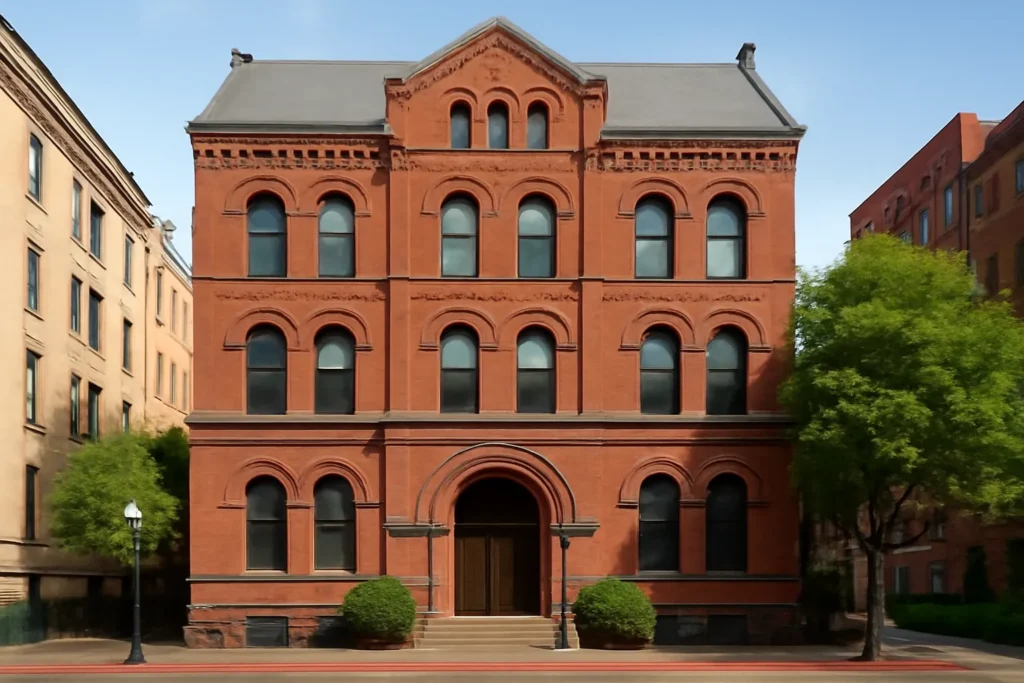
Buildings in this part of downtown frequently exhibit the architectural vocabulary of late 19th and early 20th-century American commercial design. Expect to encounter elements such as brick and stone facades, decorative cornices, and vertically oriented window openings. In the broader district, you may notice beaux-arts influences and touches typical of Boston’s commercial architecture, including robust entrances, terracotta ornaments, and ironwork on street-level doors. While the exact details at 29 Temple Place may vary by current tenant and renovation history, the surrounding streetscape often conveys a consistent sense of historic urban fabric.
Current use and tenancy: what you can expect at the address today
As with many downtown addresses, the composition of tenants at 29 Temple Place can shift over time. Modern offices, professional services firms, and small business suites are common occupants in ground-floor storefronts and upper-floor offices. The property may host law firms, consulting practices, financial services, or creative agencies. While we cannot reliably enumerate every tenant here, the address functions as a professional hub for those who rely on proximity to Boston’s core institutions and transportation arteries. If you are seeking specific tenants or current occupancy, consult a property listing service or the building’s property manager for the latest roster.
Verifying the address: how to confirm 29 Temple Place Boston MA
Because there can be variations in how addresses are recorded or displayed, it’s wise to verify 29 Temple Place against official sources when accuracy matters (for mail, deliveries, or legal documents). Useful verification steps include:
Consulting the United States Postal Service (USPS) address lookup tool to confirm the standard mailing format for this location.
Checking the Massachusetts Secretary of the Commonwealth or the local city assessor’s records for the current property listing and parcel information.
Reviewing city maps and modern GIS platforms that show block numbers, street names, and parcel boundaries around Temple Place.
Contacting the property management company or the building’s administrative office for the most up-to-date details on access, occupancy, and hours.
Variations of the address: how people write and say it
Because city addresses are used in multiple contexts—legal documents, mail, navigation apps, and casual conversation—people naturally adopt a few variations. Here are common and acceptable forms you may encounter:
29 Temple Place, Boston, MA
29 Temple Place, Boston MA
29 Temple Place Boston, MA
No. 29 Temple Place, Boston, MA
No 29 Temple Place, Boston, Massachusetts
29 Temple Place, Boston, MA ZIP (where ZIP is the correct postal code for that address)
When writing for formal invitations or legal documents, you may want to include the city and state in full and, if required, a ZIP code. For quick reference in emails or internal notes, you might simply say “29 Temple Place, Boston”. If you are coding a database or delivering mail, ensure your format aligns with the recipient’s preferred convention and the postal standards for that ZIP code.
Transit access: getting to 29 Temple Place efficiently
The downtown location of 29 Temple Place usually means strong access to public transit and a variety of last-mile options. Typical transit considerations include:
Nearby MBTA subway lines and bus routes that connect to major hubs like Park Street, Downtown Crossing, and Government Center.
Easy walking access from major city streets, with sidewalks designed for urban pedestrians and accessibility features where available.
Limited on-site parking in many downtown buildings; consider street parking regulations, nearby garages, or public transit as practical alternatives.
When planning a visit, it’s wise to check current schedules and quick-access points from your starting location. If you are delivering packages or visiting for a meeting, coordinate with the property manager to identify the best loading zones and access points near Temple Place.
Nearby landmarks and contextual anchors
To orient yourself, you can think of 29 Temple Place in relation to well-known urban anchors in Boston’s core. The surrounding area often features a mix of legal offices, financial institutions, and cultural or civic buildings. If you are guiding someone to the address, you might reference nearby streets, such as Tremont Street or Washington Street, and well-known civic spaces or transit entrances. Understanding these nearby anchors helps visitors appreciate how Temple Place functions as a node within the wider city network.
Practical considerations for visitors and researchers
Whether you’re visiting for a meeting, conducting archival research, or simply exploring Boston’s architectural heritage, a few practical notes can save time and improve the experience around 29 Temple Place:
Check business hours for the building and tenants if you plan a visit to a specific office suite.
Bring a map or digital navigation tool to confirm the exact entrance locations—some downtown buildings have separate entrances for different floors or tenants.
Be aware of street-level entrances and accessibility options; older structures sometimes have steps or require elevator access from a separate lobby.
Respect signage and building rules when photographing facades or entryways, especially if you are documenting architecture for research or journalism.
Historical records and the address as a data point
From a research perspective, a precise address like 29 Temple Place can function as a concise data point in urban studies, real estate analysis, and historical mapping. Researchers often cross-reference an address with:
Historical fire insurance maps to understand construction material and usage over time.
Property deed histories to trace ownership, transfers, and parcel changes.
City building permits that reveal renovations, expansions, or compliance with building codes.
Architectural inventories that describe stylistic elements present in the structure and neighboring blocks.
In all cases, the address serves as a stable identifier that helps researchers thread together disparate sources into a coherent narrative about urban growth and architectural expression in Boston.
Address etiquette: writing, mailing, and digital references
As a practical guide, consider the following recommendations when you work with 29 Temple Place in professional or official documents:
Use consistent formatting across documents to reduce confusion—choose either with the ZIP code or without, but be consistent.
When emailing, you can present the address in a single line or split by commas, depending on the style guide you follow.
For legal documents, verify the exact legal parcel designation and the preferred mailing format with the relevant authority or counsel.
In metadata or data-entry contexts, standardize the address with fields for street, city, state, and ZIP separately to enable reliable search and indexing.
What makes the address memorable: a synthesis of factors
There are several factors that endow 29 Temple Place with a memorable presence in Boston’s urban landscape:
Historical continuity: The address is part of a block that has witnessed centuries of change while retaining a distinct street-level character.
Proximity to professional life: The surrounding ecosystem supports legal, financial, and consulting activities, making the address a practical pivot point in daily commerce.
Architectural resonance: The area’s design language—brick facades, cornices, and well-proportioned window openings—offers a tactile link to the past for visitors and students of architecture.
Navigational clarity: Short, numeric street addresses in dense urban areas can simplify wayfinding when combined with modern mapping tools and public transit data.
For researchers and enthusiasts: how to deepen your study of the address
If you are motivated to learn more about 29 Temple Place in an academic or hobbyist context, consider these avenues:
Consult city planning archives and historic map collections for the block’s evolution and the building’s role within it.
Explore real estate records to track ownership changes, tenancy trends, and renovation cycles.
Review newspaper archives for contemporary mentions of the address during key historical moments (corporate activity, court cases, or notable events).
Connect with local historical societies or preservation groups that may hold photos, architectural drawings, or narratives related to the building and its block.
Safety, accessibility, and inclusivity around the address
Across any urban address, inclusive access and safety are essential considerations. For 29 Temple Place, expect standard downtown safety practices and building-specific accessibility features. If you are organizing an event, meeting, or tour, coordinate with building management to understand:
Access routes for people with mobility challenges.
Loading zones and delivery hours to avoid congestion on narrow downtown streets.
On-site security or guest registration requirements that may apply to visitors.
Future outlook: what might come next for 29 Temple Place
Urban addresses in city centers are subject to ongoing development pressures, zoning updates, and market changes. For 29 Temple Place, the future could involve a mix of adaptive reuse, refreshed interiors to accommodate modern workstyles, or partnerships with firms seeking a compact, centrally located office footprint. While the exterior may preserve historical character, the interior spaces can be reimagined to support contemporary work, sustainability goals, and enhanced accessibility. Observers should monitor planning notices, property disclosures, and leasing announcements to understand how this address may evolve in the coming years.
Frequently asked questions about 29 Temple Place
To cap this definitive guide, here are concise answers to common questions people ask when they first encounter 29 Temple Place:
Where is 29 Temple Place located? It is in downtown Boston, in a district that combines professional services offices with historic urban fabric and easy transit access.
What is the architectural style of the building at this address? The surrounding area reflects late 19th/early 20th-century commercial design; exact stylistic details for the building at 29 Temple Place can vary by renovation and ownership.
What should I call the place when writing an address? Common forms are “29 Temple Place, Boston, MA” or “29 Temple Place, Boston, MA ZIP” with ZIP added if required for mail.
How do I verify this address for a delivery? Use the USPS address lookup, check city property records, and confirm with the building management for precise entrance instructions and tenant-specific delivery policies.
Summary: why this address matters in a broader context
In the end, 29 Temple Place Boston MA serves as a compact yet meaningful example of how a single street address can encapsulate urban history, architectural aspiration, and the practical realities of modern city life. Whether you approach it as a mail stop, a meeting point, a study subject, or a piece of a larger archival puzzle, the address acts as a reliable reference point that anchors a range of activities in Boston’s dynamic downtown core. By exploring the variations of the address, the surrounding geography, and the ways people interact with it, you gain deeper insight into how cities function—one block, one building, and one address at a time.
Conclusion
The definitive address guide to 29 Temple Place Boston MA is not just a set of directions. It is a lens into the layered reality of urban space: how streets were laid out, how buildings were designed to support commerce, how people navigate, and how records keep a city’s memory alive. By understanding the address in its original context and across contemporary use, readers can better appreciate the continuity and change that define Boston. If you plan to engage with this address in practice—whether for mail, business, or research—remember to verify details with authoritative sources and to respect the evolving nature of urban space as it continues to grow and adapt.










Leave a Reply