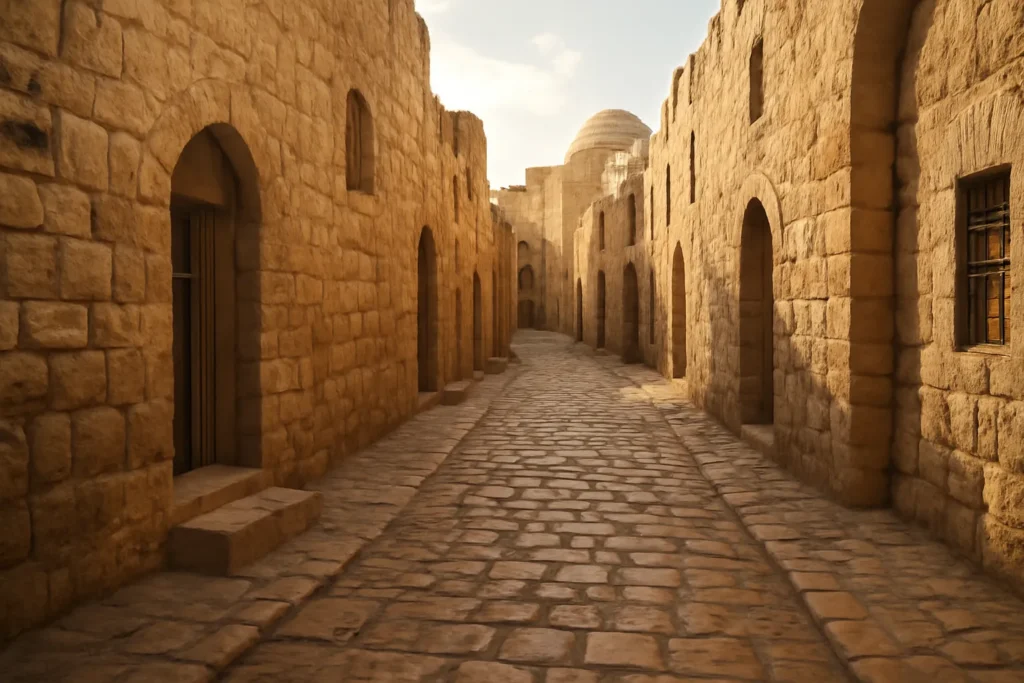
Bible Street is both a metaphor and a practical framework for understanding how faith, history, and culture intersect in everyday life. It invites readers to imagine a city block where sacred texts, religious communities, libraries, museums, and public spaces come together in conversation. In this guide, the phrase bible street will appear in several forms—the street of scripture, biblical boulevard, or simply the route of revelation—to reflect variations in language and context. The guiding principle is simple: faith is not only a private belief but a public practice that inhabits streets, stories, and shared spaces.
As you explore the Bible Street itinerary, you will encounter tenets of faith that span traditions, a chronicle of history that connects people across ages, and vibrant culture that shapes music, art, food, and daily rituals. This article frames a practical guide to exploring that intersection responsibly and fruitfully—whether you are a curious visitor, a student, or someone seeking to deepen your own spiritual life.
A Historical Overview
Much like real-world streets, bible street routes have histories that reflect broader movements in society. In many cities, streets bearing names drawn from sacred literature or religious institutions indicate layers of meaning: missionary activity, scholarly centers, or housing for congregations. The idea of a dedicated route through religious life is not new; it resonates with ancient sites where markets, prayer houses, and libraries stood side by side. In modern contexts, the history of the street often reveals a series of moments when communities sought to learn, to protest, to celebrate, or to heal.
When you consider the historical arc of any bible street experience, you may encounter several recurring phases:
Foundational period — early congregations and schools establish spaces for study, worship, and service.
Educational expansion — libraries, seminaries, and literary societies amplify the street’s intellectual life.
Interfaith and intercultural exchange — diverse communities contribute to a richer, more nuanced cultural landscape.
Contemporary integration — civic institutions, museums, and community centers reframe the street as a public good.
For readers today, the historical lens helps ground personal reflection in shared memory. It is a reminder that history is not a museum display but a living conversation with voices from the past who still inform present practice.
The cultural texture of a bible street is rich and diverse. Along its length, you may encounter ecclesiastical architecture, secular libraries, and venues that host performances rooted in biblical or scriptural themes. Across traditions—Christian, Jewish, Muslim, Hindu, Buddhist, and secular humanist communities alike—the street becomes a stage for dialogue, shared meals, and collaborative service.
Culture on the street is expressed through more than just buildings. It appears in:
Art inspired by sacred narratives—paintings, sculpture, music, and dance.
Literary culture—translations, commentaries, and poetry that illuminate scripture for new audiences.
Foodways—from temples’ feasts to interfaith potlucks—that cultivate hospitality and understanding.
Public education initiatives—lectures, tours, and community courses that invite participation from all ages.
Public memory and commemoration—festivals and observances that mark significant moments in faith histories.
A practical approach to cultural literacy on the street encourages curiosity without presumption. It invites visitors to notice how spaces are designed for public life: where quiet contemplation is possible, where conversations unfold, and where the sounds of worship blend with the sounds of urban life. The result is a dynamic mosaic that honors tradition while inviting fresh interpretations.
Practical Ways to Engage on Bible Street
If you are planning a visit or a deeper study, consider a structured approach that balances reverence with inquiry. The following ideas are designed to be actionable, adaptable, and respectful of local communities.
Guided Walks and Self-Guided Itineraries
Choose a route that includes at least two houses of worship, a public library or archive, and a nearby museum or gallery.
Prepare a short, respectful introduction for each stop, noting what you hope to learn and how you plan to listen.
Record impressions in a journal or notes app, focusing on what the place communicates about faith, history, and culture.
Study and Reflection on the Street
Bring a compact edition of a common scripture translation, or access a trusted online resource to compare passages and notes.
Use a simple framework for study: Observation, Interpretation, Application, and Reflection (OIAR).
Host a small, informal study group with clear guidelines on listening and time limits to ensure everyone has space to speak.
Community Service and Interfaith Projects
Volunteer at a food pantry, shelter, or literacy program supported by one or more street institutions.
Collaborate on a project that serves a shared need—for example, a street-cleanup organized with input from diverse faith communities.
Co-host an event that highlights multiple traditions’s charitable practices, emphasizing practical service over polemics.
Art, Music, and Public Dialogue
Attend or organize open-mill exhibitions, choral performances, or readings featuring biblical or scriptural themes interpreted through diverse lenses.
Facilitate moderated conversations about how sacred texts inspire ethical action in contemporary life.
Respect the spaces and permissions of artists and organizers; always seek consent before recording performances or sharing images publicly.
Literacy, Study, and Interpretation
A central aim of engaging with bible street is to develop literacy—both of the texts that shape many traditions and of the lived experiences of communities along the street. Interpretation is inherently contextual; it grows when we compare translations, consult commentaries, and listen to diverse voices.
Some guiding principles for thoughtful study include:
Be explicit about context: historical, linguistic, and cultural factors influence meaning.
Seek multiple perspectives: different communities may illuminate different facets of a passage or event.
Acknowledge the limits of one’s own frame: humility invites better questions and more generous dialogue.
Distinguish between beliefs about a text (doctrine) and the text itself (scripture): both can inform ethical living without assuming uniform interpretation.
In practice, you might compare a verse in a familiar translation with a paraphrase or a scholarly note. You might visit a library repository to read historical commentaries or view artifacts that illustrate how a scriptural narrative has been understood across centuries. The aim is not to win a debate but to deepen understanding and broaden empathy.
A key dimension of the bible street experience is interfaith dialogue. When communities with different beliefs share spaces, it becomes possible to practice listening as a form of worship in itself. Dialogue is not about sameness; it is about recognizing shared values, such as justice, compassion, and the pursuit of truth.
To cultivate constructive engagement:
Invite representatives from nearby faith communities to speak about their traditions in a respectful, structured format.
Organize moderated forums where participants discuss common ethical questions—care for the vulnerable, care for the earth, the meaning of mercy.
Develop joint community service initiatives that address real needs while honoring doctrinal differences.
On the street, interfaith effort often leads to rich cultural exchanges: shared meals that feature familiar dishes from multiple traditions, collaborative art projects, and inclusive celebrations of seasonal events. The result is a tangible expression of community and respect that transcends doctrinal divides.
Ethical Considerations on Bible Street
Engaging with sacred spaces and communities requires careful attention to ethics. The following considerations help ensure that exploration remains respectful, constructive, and safe for all involved.
Consent and privacy matter: obtain permission before entering private worship spaces or recording ceremonies.
Non-proselytizing as a default: focus on listening and learning rather than conversion or persuasion unless invited.
Respect for sacred spaces: observe dress codes, silence when appropriate, and follow local norms about photography.
Acknowledgment of power dynamics: listen to voices from minority or marginalized communities and center their leadership in conversations.
Careful representation: avoid reducing a tradition to a single stereotype; seek authentic, diverse voices.
The ethical framework above helps transform a walk down the street into a responsible learning journey, one that honors the dignity of every participant and recognizes the street as a shared public good.
Accessibility, Safety, and Practical Logistics
Anyone who explores bible street should plan with accessibility and safety in mind. The street can be crowded, unpredictable, and busy with traffic, events, and services. Practical considerations include:
Check hours of operation for houses of worship, libraries, and museums.
Wear comfortable footwear and bring water, especially in hot or cold climates.
Carry a simple map or use a trusted digital guide to avoid getting lost in the urban landscape.
Be mindful of the needs of locals who rely on public spaces for work, transit, and rest—from shopkeepers to street performers to neighbors.
Respect accessibility needs: look for ramps, elevators, seating areas, and signage that accommodate all visitors.
By prioritizing safety and inclusivity, a visit to the street becomes a model of responsible engagement that can be replicated in other contexts.
Travelers’ Tips and Etiquette for Bible Street
If you are embarking on a longer journey along the bible street, here are practical tips to make the experience smoother and more meaningful.
Introduce yourself succinctly at each stop and be transparent about your purpose (learning, listening, or service).
Carry a small notebook or digital device to jot down observations and questions.
Always thank hosts, volunteers, and staff for their time and hospitality.
Dress modestly where required and follow local customs regarding interaction with worship spaces.
Share your experiences in a respectful, constructive manner when you return to your community.
Variations and Variants of “Bible Street”
Throughout this guide, you will notice the flexible use of the phrase bible street, which serves as a semantic umbrella for different contexts. Depending on your goal, you might refer to:
Scripture Street as a route designed to explore sacred texts, their translations, and their interpretations.
Scriptural Corridor for a broader cultural corridor that includes universities, archives, and cultural centers alongside religious spaces.
Biblical Boulevard when the street emphasizes historical narratives connected to biblical times and their impact on modern life.
Faith Path or Religion Row to acknowledge a pluralistic setting where many traditions reside side by side.
Each variation highlights a facet of the same overarching project: to cultivate faith that is informed, compassionate, and engaged with the wider world.
Case Studies: imagined and real-world examples
To illustrate how the ideas in this guide can come alive, consider two brief case studies that reflect common patterns on a Bible Street experience.
Urban interfaith alliance — In a diverse metropolis, a group of congregations, a secular library, and a local cultural center collaborate on a yearly festival. The festival includes a panel on scriptural ethics, a street fair with foods from several traditions, and a concert series exploring sacred music across faiths. Participants leave with a broader sense of shared humanity and concrete volunteer opportunities in the community.
Educational pilgrimage — A university runs an optional field study through a historical district containing churches, synagogues, and a museum with biblical artifacts. Students compare ancient manuscripts, learn about preservation challenges, and discuss how narratives shape modern social norms. The experience deepens critical thinking and fosters respectful dialogue among classmates with diverse beliefs.
Resources for Further Exploration
If you want to extend your journey beyond this article, here are categories of resources that can support deeper learning and engagement on the theme of faith, history, and culture on a street-inspired itinerary.
Primary texts — different translations or editions of scriptures, with scholarly introductions to context and language.
Scholarly commentaries — academic volumes that address historical settings, literary genres, and interpretive traditions.
Library and archive catalogs — digital archives and local collections that document the religious, civic, and cultural history of a city or region.
Community organizations — interfaith groups, cultural associations, and service organizations that sponsor programs along the street.
Public programs — lectures, guided tours, and museum exhibitions that illuminate the history and culture associated with sacred texts and their communities.
When using any of these resources, remember to approach sources with critical thinking and empathy. The goal is not to triumph in debate but to broaden understanding and contribute to a more inclusive public square.
Conclusion: The Living Practice of Bible Street
Bible Street is a living idea that invites people to walk together through spaces of faith, memory, and shared life. It is not a destination but a practice—one that blends faith, history, and culture into a meaningful itinerary. By approaching the street with curiosity, humility, and respect, you become a participant in a broader conversation about what it means to live well in a diverse world.








Leave a Reply