Baptism Prep: The Ultimate Guide to Preparing for Baptism
Baptism is a milestone in the life of a believer, a family, or a church community. The journey leading up to this sacrament or ceremony—often called baptism preparation or baptismal preparation—is about more than memorizing words or completing a checklist. It is a process of formation, reflection, and shared commitment. Whether you are a parent preparing for your infant, a sponsor walking with a candidate, or an adult seeking believer’s baptism, thoughtful preparation helps ensure that the experience is meaningful, informed, and transformative.
What baptism prep is and why it matters
At its core, baptism preparation helps illuminate the theological meaning of baptism and aligns expectations among the person being baptized, their family, and the church community. It is an invitation to explore questions such as: What is baptism? What commitments are involved? How does baptism relate to faith, grace, and community? The preparation period gives space for honest dialogue, catechesis, and spiritual practice that support a durable, life-giving experience beyond the ceremony itself.
Important ideas that commonly shape baptism prep include:
Understanding the meaning of baptism in your tradition (e.g., washing away sin, new birth, entry into the church, or public profession of faith).
Learning the vows or commitments associated with baptism—whether they pertain to personal faith, parental responsibilities, or sponsor roles.
Connecting with a spiritual community that will support ongoing growth, prayer, and accountability.
Aligning actions and beliefs through worship, study, and service opportunities.
Different paths: infant baptism, child baptism, and adult/believer’s baptism
Different Christian traditions approach baptism prep in ways that reflect their theology, liturgy, and pastoral goals. Here are some common patterns and how they shape preparation:
Infant and toddler baptism prep
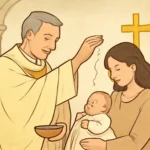
In many churches, infant baptism is paired with baptism classes or parent catechesis. The focus is often on:
Spiritual parenting and the roles of parents, godparents, and sponsors.
Understanding the covenantal language of baptism and the church’s promises.
Ways to foster faith formation in daily family life, such as prayer routines, Scripture reading, and Christian education for children.
Child baptism prep
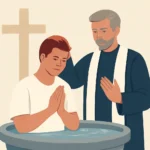
Children who are old enough to participate in some learning may engage in age-appropriate catechesis. The goals typically include:
Clear explanations of what baptism means for a developing faith.
Encouraging questions about grace, sin, forgiveness, and following Jesus.
Involvement in small rituals or commitments that parents and church can support together.
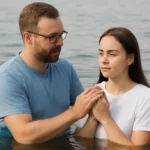
Adult or believer’s baptism prep
For adults pursuing baptism as a conscious choice, preparation often resembles a structured course in Christian doctrine and spiritual discipline. Common features include:
Foundational instruction on the gospel, faith, and church membership.
Opportunity to reflect on life story, conversion experience, and calling.
Mentorship or sponsorship that accompanies the candidate through learning, worship, and the baptism day.
Across these paths, the guiding principle is intentional formation; the form of preparation adapts to the age, maturity, and faith background of the participants, all with the intent of presenting them to the church and to God with clarity, humility, and joy.
Step-by-step guide to baptism preparation
The following structured outline can serve as a practical roadmap. Adapt the timing and emphasis to fit your tradition, local church calendar, and personal circumstances. The steps are designed to foster spiritual readiness, not just compliance with a ritual.
Clarify your motivation. Reflect on why baptism matters to you or your family at this stage of life. Consider questions like What do you hope baptism will symbolize in your faith journey? and What commitments feel meaningful and feasible?
Meet with church leadership. Schedule conversations with a pastor, priest, or baptism coordinator to understand the specific requirements, schedules, and commitments in your community.
Choose the path that fits. Decide whether you are pursuing infant, child, or adult baptism, and identify the roles of sponsors or godparents if applicable.
Participate in foundational instruction. Join a baptism class, catechesis group, or study series. Engage with core topics such as the meaning of grace, the nature of the church, and the responsibilities of being a baptized member.
Explore the vows. Learn the exact language of the baptismal vows or statements of faith you will affirm and discuss what those vows mean in daily life.
Grow through spiritual practices. Begin or deepen routines such as daily prayer, Scripture reading, journaling, and worship participation to cultivate inner readiness.
Engage in community life. Attend worship regularly, participate in a small group, and seek opportunities to serve. Baptism is also a commitment to ongoing discipleship in community.
Choose mentors and sponsors. If your tradition uses godparents or sponsors, select individuals who will support your faith journey and model Christian living.
Address questions and doubts. Create space for honest conversations about your beliefs, doubts, and expectations. Don’t hesitate to ask questions or request clarification.
Prepare the practical details. Coordinate with the church regarding date, time, wardrobe, baptismal font or immersion space, and any post-baptism reception or celebration plans.
Participate in the baptism ceremony. On the day itself, engage with the liturgy, respond to vows, and receive the community’s blessing and support.
Begin the post-baptism journey. After the ceremony, identify ongoing opportunities for growth, such as faith formation classes, service projects, and ongoing prayer life.
Practical components of a solid baptism prep program
A robust preparation plan typically includes a combination of study, reflection, prayer, and community engagement. Here are practical components you can expect or request from your church:
Catechetical sessions or classes that explore core beliefs, sacraments, and church identity.
Prayer resources such as guided prayers, short devotions, and memory verses to support daily practice.
Scripture-focused learning with passages that illuminate faith, grace, baptism, and discipleship.
Question-and-answer time where candidates can voice concerns and receive truthful explanations.
Practice of vows or affirmations to help candidates speak their faith with confidence.
Mentor or sponsor involvement to provide ongoing support and accountability.
Service or mission opportunities that connect baptism with practical living and community care.
Family involvement plans to encourage daily faith formation in homes with infants or young children.
What to expect in baptism class or catechesis
Expect a welcoming environment where questions are invited and faith is explored with care. Typical expectations and experiences include:
Structured curriculum covering the meaning of baptism, grace, the church, and life after baptism.
Small-group discussion to share perspectives, stories, and ways of applying faith in daily life.
Practice sessions for reciting vows, prayers, or statements of faith, often with gentle coaching.
Mentor pairing with someone who has walked a similar path and can offer guidance.
Family-friendly activities designed to involve children, spouses, and extended family in the preparation process.
Assessment of readiness—this may be informal (a conversation) or formal (a short written reflection or quiz), depending on tradition.
Remember that baptism prep is as much about formation as it is about ceremony. The aim is genuine understanding and committed participation in the life of faith that follows the baptism.
Role of parents, guardians, and sponsors
In infant and child baptism, the roles of parents and guardians are central. In believer’s baptism, sponsors or godparents may accompany the candidate. Here are some core responsibilities typically associated with these roles:
Parents/guardians: commit to nurturing faith at home, establishing routines that nurture prayer and Scripture; participate in church life; model lifelong learning and repentance.
Sponsors or godparents: offer spiritual mentorship, stand with the family during baptism, and commit to supporting the child or adult in their faith journey.
Church community: provides a welcoming environment, resources, and ongoing growth opportunities; offers accountability and encouragement.
Clear communication about expectations helps prevent misunderstandings and strengthens the sense of solidarity within the church family. If you are unsure about what is expected in your tradition, ask your baptism coordinator for a written outline or checklist.
Spiritual practices to support baptism prep
Alongside formal instruction, personal spiritual practices can deepen readiness and deepen the sense of meaning surrounding baptism. Consider incorporating these habits into your routine:
Daily prayer focused on gratitude, confession, and trust in God’s grace.
Scripture meditation on passages related to baptism, faith, and new life (for example, selections from the Gospels, Romans 6, or Colossians 2).
Journaling to record questions, insights, and moments of spiritual clarity.
Worship participation through weekly services, hymns, or liturgy that resonate with the baptismal theme.
Community service as an expression of faith in action and a way to live out baptismal vows.
These practices help shape a life that corresponds to the promises made during the baptismal rite and create a sense of continuity between the preparation period and post-baptism life.
Questions to ask your pastor, priest, or church leadership
Having a clear list of questions improves preparedness and reduces anxiety. Consider bringing up:
What are the specific requirements for baptism in this church?
What is the format of the preparation class (in-person, online, duration, and frequency)?
Who can be a sponsor and what responsibilities do they hold?
What vows or statements will be made during the baptism, and how are they taught or rehearsed?
What support is available after baptism (faith formation, small groups, service opportunities)?
What changes may occur post-baptism in terms of church participation, membership, or expectations?
Common challenges and how to overcome them
Preparation can bring up questions, doubts, or practical hurdles. Here are common challenges and strategies to address them:
Time constraints: Look for flexible class schedules, weekend options, or recorded sessions that you can complete at your own pace.
Doubt or skepticism: Engage in open dialogue with mentors, ask for clarifications, and give yourself permission to explore beliefs gradually.
Family logistics: Involve family members early, coordinate babysitting, or combine baptism prep with family devotion time.
Language or cultural differences: Request translations, culturally inclusive explanations, or mentorship that respects your background.
Fear of ceremony: Practice the liturgy, rehearse with sponsors, and remind yourself that baptism is about grace and new life, not perfection.
Preparing for the baptism day
The day of baptism is a culmination of months of preparation. Practical tips help ensure the experience feels sacred and welcoming:
Arrive early to settle nerves, meet the ministers, and review the order of service.
Dress thoughtfully for the occasion; modest, comfortable attire that suits the ceremony’s format (immersion, pouring, or sprinkling).
Bring necessary documents (proof of eligibility, sponsor letters, and any class completion certificates) as requested by the church.
Participate fully in the liturgy, including responses, prayers, and the sign of the cross if it is part of your tradition.
Invite family and friends to witness the moment and to support ongoing faith formation after the ceremony.
After the ceremony, many churches offer a brief reception or a sharing of testimonies. Embrace the communal joy and the sense of being welcomed into a wider faith family.
Baptism is not the end of a journey but a beginning of a lifelong pathway. Ongoing formation helps sustain the spiritual momentum created during baptism prep. Consider these ongoing steps:
Membership and involvement: Explore church membership, volunteer opportunities, and ongoing faith formation programs.
Regular worship: Maintain a rhythm of weekly or regular worship to reinforce community ties and spiritual nourishment.
Discipleship relationships: Continue with a mentor or small group to support accountability, prayer, and encouragement.
Continued catechesis: Enroll in advanced study or Bible study groups to deepen doctrinal understanding and practical faith.
Service and mission: Engage in service projects, outreach, or global mission efforts as a lived expression of baptismal vows.
Families often find that creating a baptism-to-discipleship plan helps keep faith formation coherent—from the moment of baptism forward into daily life.
Variations across denominations and how to navigate them
Baptism prep can vary widely by denomination, liturgical tradition, and local practice. Here are common distinctions and tips for navigating them respectfully:
Mode of baptism: Some traditions emphasize immersion, others pour, and some allow sprinkling. Ask about the format and its significance in your church.
Age and eligibility: The age at which baptism is offered and the criteria for eligibility can differ. Clarify expectations for your situation.
Role of vows and confirmation: Some churches connect baptism with confirmation or first communion. Understand where baptism stands in that sequence.
Parenting and sponsor requirements: Requirements for parents or sponsors may include catechesis, ethical commitments, or attendance thresholds.
Membership implications: Some communities require formal membership or public profession of faith after baptism. Check the church policy.
Approach these differences with curiosity and respect. The goal is to participate in a meaningful spiritual practice that aligns with your beliefs and your community’s values.
Conclusion: embracing a thoughtful baptism prep journey
Baptism prep is most valuable when it is more than a prerequisite. It is a vital period of discernment, education, and spiritual formation. By engaging deeply with the meaning of baptism, collaborating with sponsors and church leaders, and integrating faith into daily life, you enter the baptism as a well-prepared participant who can testify to God’s grace and participate fully in the life of the church. Whether you are preparing for an infant, a child, or an adult, this journey invites you into a broader community of faith, a shared language of grace, and a future shaped by the promises you are about to declare. May your baptism prep be a blessing to you, your family, and your entire faith community.







Leave a Reply