Bible Covering Head: A Practical Guide to Biblical Head Covering
Bible Covering Head: A Practical Guide to Biblical Head Covering
In many Christian communities, the practice of a biblical head covering—often described simply as a head covering or a woman's veil—has stood as a visible sign of worship, modesty, and theological interpretation. This article explores bible covering head concepts in a practical, down-to-earth way: what the Bible says, how different traditions understand it, and how individuals today can approach the topic with clarity and sensitivity. Whether you encounter the topic in a church service, a home Bible study, or a personal devotional, this guide aims to be informative, balanced, and actionable.
Understanding the Practice: What Does It Mean to Cover the Head?
The phrase head covering in Scripture refers to a physical garment or cloth worn over the head as part of worship, ceremony, or daily practice. In many traditions, a head covering is specifically required or encouraged for women during corporate worship, while men may be instructed not to cover their heads in that same setting. The core idea is that a modest, orderly appearance communicates reverence, roles, and the cultural norms of the biblical text.
To readers new to the topic, it can be surprising how varied the practice is across denominations and cultures. Some communities emphasize a formal veil or mantilla, while others prefer a simple scarf or shawl. Still others teach that hair itself can serve as a natural covering in certain contexts, while others advocate broader use of a textile covering. This diversity reflects differing emphases on authority, modesty, and interpretation of the same biblical passages.
When you read about the bible covering head concept, you will frequently see references to personal devotion versus public worship, and to the distinction between roles within a faith community. The practical takeaway is not only about what to wear, but also about the heart posture of worship: reverence, submission to biblical guidance, and respect for the gathering of believers.
Biblical Foundations and Historical Context
The central scriptural anchor for the practice of head covering in many churches is the Apostle Paul’s discussion in 1 Corinthians 11. In this passage, Paul speaks to norms around prayer and prophesying with or without a head covering, and he pairs that guidance with a broader argument about order, creation design, and cultural symbols. Different interpreters emphasize different aspects:
Authority and symbolism: A covering on the head is described as a sign of living in submission to God-ordained order within worship.
Gender and adornment: The text connects modesty and decorum with the use of a head covering, particularly for women in communal prayer or prophecy.
Cultural backdrop: The practice is often read in the context of first-century Greco-Roman norms, where veiling and public appearance carried specific social meanings.
Some traditions also point to additional scriptural threads, such as verses that speak to hair length for women or Peter’s exhortations about beauty being “in the hidden person of the heart.” These passages are sometimes cited to support a broader understanding that modesty and submission to God’s design are the underlying principles behind the practice.
It is important to note that not all Christian groups interpret 1 Corinthians 11 in exactly the same way. Some read the passage as a timeless command, others see it as a cultural instruction that pointed to a particular historical moment, and still others view it as a principle that continues to be relevant for certain communities but not mandatory for all. When engaging with this topic, readers benefit from distinguishing between what is universally commanded (principles of modesty, order, and reverence) and what is culturally conditioned (specific forms of covering).
Across the wide landscape of Christian practice, the bible head covering options vary from formal to informal. Here are common categories you’ll encounter:
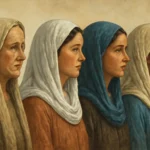
In some traditions, a veil or mantilla is worn as a visible symbol in worship. These coverings often drape over the head and shoulders and may be decorated for special services. The mantilla, in particular, has historic resonance in Catholic and Orthodox contexts, while other groups adopt similar styles as a sign of reverence and a sense of continuity with the past.
Scarves, Shawls, and Headscarves
A practical and widely used option is a simple scarf or shawl. This approach emphasizes modesty and order without invoking a specific liturgical form. For many believers, a textile covering that can be easily put on or taken off serves well for Sundays and for home worship alike.
Hats and Headwraps
Some communities permit or prefer a wrapped headcovering, while others view hats as inappropriate during certain worship moments. The choice often reflects local custom, clergy guidance, and congregational practice.
Hair as a Natural Covering
A minority of interpreters argue that hair itself can function as the covering in certain settings, especially where a textile covering is impractical. This view is more common in communities that emphasize liberty in dress, provided it aligns with the broader principles of modesty and reverence.
Practical Guide: How to Choose and Wear a Head Covering
If you are exploring whether to adopt a head covering, or you want to better understand how to wear one, consider the following practical steps. The goal is to honor the intent behind the practice while remaining sensitive to your context.
Reflect on motive: Why are you considering a head covering? Seek to honor God, respect your church’s teaching, and consider your community’s norms.
Consult your tradition: If you belong to a denomination or local church, ask leadership about expectations and guidance. Some communities require a covering on Sundays; others encourage discretion.
Choose a material and style: Start with a simple cotton scarf or shawl if you are new to the practice. For formal services, you might opt for a delicate lace veil or a more structured mantle. Choose materials that feel comfortable, breathable, and easy to manage.
Consider color and care: Neutral colors (black, white, navy, beige) are versatile and understated. If your community uses color symbolism, align with those norms. Cotton and silk blends are easy to care for and durable for regular use.
Practice at home: Practice wearing the covering to get comfortable with the fit. Check how it stays in place during movement, prayer, or singing.
For many readers, practicality matters as much as symbolism. The most important considerations are intention, modesty, and respect for the scholarly and historical context of the biblical head covering practice.
Context shapes application. Here are common scenarios and how people approach them:
Church services: In many congregations that practice head coverings, women wear a veil or scarf even during intercessory prayer, announcements, or the singing of hymns. The goal is a unified appearance that signals reverence for God and orderly worship.
Home worship and study: Some families maintain a more casual approach at home, using a simple scarf or even choosing not to wear a covering outside formal gatherings. The focus remains on humility and godliness rather than a formal requirement.
Special events: Weddings, funerals, and rites of passage may call for a more formal covering or mantle, depending on tradition. The choice often reflects ritual significance and the solemnity of the moment.
Public and cross-cultural settings: In global or interdenominational settings, be mindful of cultural norms. Some communities may misinterpret a head covering as a political or cultural symbol, so clarify your intention as a faith practice rather than a cultural statement.
For men, the conversation is usually different. In many traditions, men do not wear a head covering in worship, or they remove it during prayer as a sign of respect for creation and leadership. This distinction between male and female practice is not universal, so it is important to know the expectations of your specific church or study group.
Maintaining and Caring for Head Coverings
A practical aspect of this practice is the care and longevity of the coverings themselves. Proper maintenance helps preserve modesty and dignity while ensuring the garment remains wearable for many seasons.
Washing: Most scarves and veils wear well with gentle washing. Follow fabric care labels; hand washing is often safest for delicate materials like lace or silk blends.
Storage: Store coverings in a clean, dry place to prevent creases and mold. Use a dedicated drawer or a soft bag to protect them from dust and snagging.
Repair: If a seam unravels or a button loosens, mend it promptly to extend the life of the garment and maintain a dignified appearance when wearing it in worship or study.
A well-maintained head covering communicates care and intentionality, reinforcing the sense of order and reverence that many communities seek in their worship practices.
Addressing Common Questions and Misconceptions
As with many biblical practices, questions and disagreements arise. Here are answers to common inquiries you might encounter:
Is head covering required for women in every church? Not universally. Some traditions teach a timeless, mandatory practice; others view it as a cultural illustration of biblical principles. In many cases, local church teaching, pastor guidance, and denominational norms shape what is expected.
What about men and head coverings? In the New Testament, there is a distinctive emphasis that men should not be the ones covering the head in worship, while women traditionally do. Some communities observe this as a universal rule; others interpret it as situational or cultural.
Do I have to wear a head covering all the time? Most people who practice a head covering do so primarily during worship, study, or formal events. Some extend it to private prayer, but many keep it optional outside sacred contexts.
Is hair length a substitute for a covering? Some interpretations allow long hair to fulfill part of the symbolism, while others insist on a separate cloth covering. The key distinction is how a community understands modesty, gender roles, and the text’s purpose within worship.
How should I choose a color or style? Start with modest, unobtrusive colors if you are new to the practice. If your church has specific conventions for colors or patterns, follow those guidelines and use the covering as a sign of reverence rather than fashion.
Historical Insights: How the Practice Has Evolved
The history of head coverings in Christian worship is rich and varied. In the early church, women often wore veils as a sign of modesty and propriety in mixed gatherings. Over the centuries, regional customs evolved: some eras favored elaborate veils and mantillas, while others emphasized simpler cloths or even no covering in certain settings. The 16th to 19th centuries saw denominational shifts that aligned head covering practice with broader understandings of gender roles, modesty, and authority structures. In modern times, many communities embrace a spectrum of expressions—from traditional veils to everyday scarves—while focusing on the same underlying principles: demeanor of worship, respect for biblical wisdom, and sensitivity to local culture.
When studying the biblical head covering question, readers benefit from engaging with primary texts, historical commentaries, and contemporary guidance from their tradition. By appreciating the historical trajectory, you can better discern which elements remain consistent and which are culturally conditioned.
Wearing a head covering can be a meaningful personal practice, but communities often have etiquette that helps maintain unity and respect. Consider the following guidelines:
Ask before teaching: If you are part of a ministry team or guest speaker, clarify expectations about head coverings in your setting. Some groups may welcome discussion, while others prioritize established norms.
Respect local customs: In international or multicultural contexts, a visitor’s choice to wear or not wear a head covering should be understood within the host community’s cultural norms.
Balance modesty and personal conscience: If you personally feel strongly about the practice, discuss it with church leadership to align with the broader mission and decorum of the gathering.
Creating a Personal Practice: A Step-by-Step Plan
If you are considering beginning a personal practice of wearing a head covering, here is a simple, thoughtful plan to help you get started without feeling overwhelmed.
Study the passages: Read the relevant Bible sections (for example, 1 Corinthians 11) in multiple translations. Note the language about covering, hair, and glory.
Seek counsel: Talk with a pastor, elder, or trusted mentor in your church. Learn how your community interprets and applies the teaching.
Choose a practical starting point: A lightweight cotton scarf or a small veil is a gentle starting point for warm-weather services; a shawl or mantle may be appropriate for cooler seasons.
Practice at home: Wear the covering during a study session or a family prayer time to gauge comfort and adjust fit.
Evaluate and reflect: After several weeks, reflect on what the practice communicates to you and to those around you. Consider journaling your observations about reverence, focus, and community response.
Conclusion: Navigating the Topic with Clarity and Grace
The conversation about bible covering head is ultimately about more than fabric and fashion. It is a conversation about reverence, order, and the ways a faith community communicates biblical values across time and culture. For some, a head covering is a timeless command; for others, a meaningful symbol that expresses devotion in a particular context. For still others, it is a personal choice that rests on a blend of conscience, cultural sensitivity, and scriptural interpretation.
By approaching this topic with an emphasis on modesty, intention, and respect, individuals can engage with the practice in a way that honors both Scripture and the diverse expressions of faith within the broader Christian family. Whether you adopt a formal veil, a simple scarf, or choose not to wear a covering in certain settings, the ultimate aim remains the same: to honor God, to serve Christ, and to love others through a worship posture that reflects truth, humility, and grace.











Leave a Reply