The phrase anointing from God appears in many Christian traditions as a way of describing a divine empowerment for service, a special designation, or a deep inner work of the Spirit. It can refer to a ceremonial act—such as the consecration of a leader with oil—as well as to a living reality—the ongoing presence and activity of God’s Spirit in a believer’s life. Because the term carries both concrete ritual imagery and rich spiritual meaning, it is useful to explore its biblical foundations, its varied expressions across traditions, and practical guidance for those who seek to live under such anointing today. Ultimately, the anointing from God is about more than feeling special; it is about being set apart for a purpose, equipped for ministry, and sustained by divine power for ongoing obedience to Christ.
Meaning and foundations: unpacking the concept
Old Testament foundations: consecration and commissioning
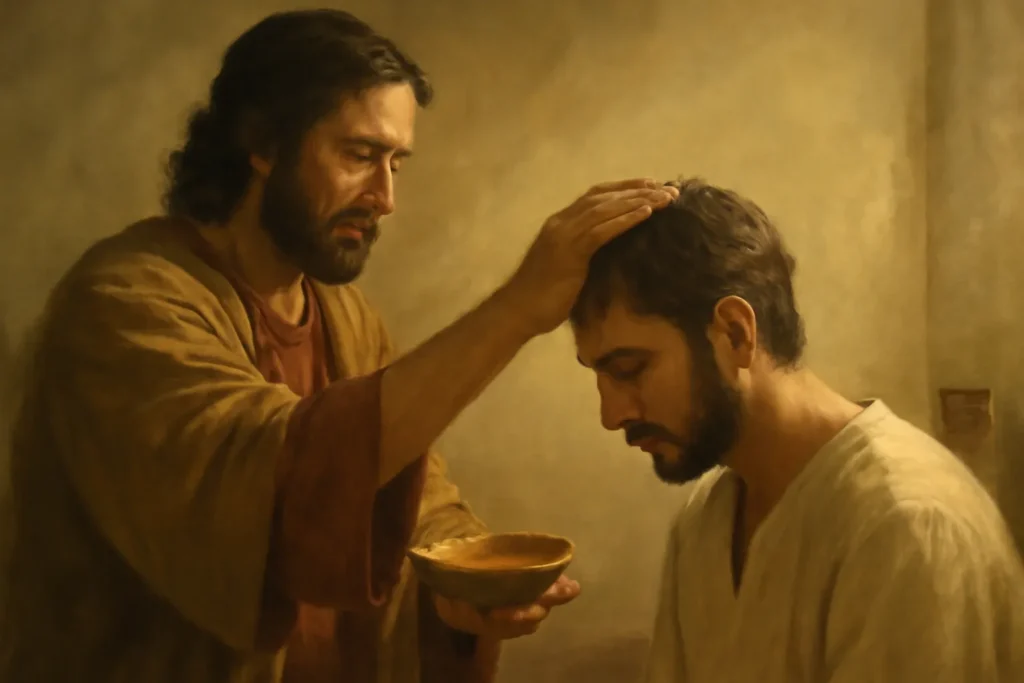
In the Old Testament, the act of anointing was a tangible sign that someone was set apart for a sacred role. Priests, prophets, and kings were anointed with oil as a visible symbol of God’s choice and presence. This ceremonial oil announced a transition from ordinary life to holy duty, and it signified the Spirit-given authority that accompanied that responsibility. Think of how the prophet Samuel anointed David, signaling that the future king was chosen by God even before the public proclamation of his office. In these moments, the anointing signaled both a calling and a source of empowerment beyond human capability.
Oil in itself did not confer wisdom or courage; rather, it was a sign that the Spirit of the Lord would rest on the chosen one. The symbolism carried a trajectory: the believer is marked, commissioned, and equipped by God to fulfill a mission that cannot be accomplished by strength alone. This pattern—calling, anointing, empowerment—continues to illuminate how many Christians understand the anointing from God in their own lives today.
New Testament perspective: the Messiah and the Spirit-filled life
In the New Testament, the concept of anointing expands from a ceremonial action to a dynamic work of the Holy Spirit. Central to Christian faith is the confession that Jesus is the Christ—the Hebrew term for the Anointed One. Jesus embodies the perfect fulfillment of all Old Testament types of anointing, and his ministry demonstrates what it means to live under God’s empowering presence. After his death and resurrection, the early Christians spoke of being anointed by the Holy Spirit, a reality that enabled the early church to proclaim the gospel, perform signs, and endure persecution with steadfastness.
One of the key biblical affirmations is found in the Epistles, where believers are told that they have received an anointing from the Holy One and that this anointing abides in them (for example, in the Johannine letters). This inner unction provides discernment, teaching, and assurance of truth. Unlike a purely external rite, the New Testament sense of the anointing emphasizes an ongoing reality—an inner empowerment that continues to shape how believers think, speak, and act in the world.
Forms and manifestations: what constitutes the anointing?
Anointing with oil: a symbolic sign
Across many traditions, anointing with oil remains a powerful symbol of being marked by God. It is often associated with blessing, healing, and commissioning for service. In communities that value sacramental life, oil is used in rites such as baptism, confirmation, ordination, and certain kinds of healing prayer. The oil itself is not magical; its meaning lies in the recognition of God’s presence and the faith that God acts in and through human hands.
Anointing of the Holy Spirit: inward empowerment
A more interior and ongoing form of the anointing from God is the indwelling and empowering work of the Holy Spirit. This unction enables believers to bear witness, steward spiritual gifts, and grow in holy character. In Romans 8 and other New Testament passages, the Spirit’s presence confirms our identity as children of God and enables us to live in ways that honor Jesus. This form of anointing is less about a one-time act and more about a continuous relationship—an ongoing sponsorship by God’s Spirit in daily life, decision-making, and mission.
Unction, commissioning, and spiritual gifts: broader expressions
Some writers and teachers speak of a divine unction that enables particular ministries—preaching, teaching, healing, prophecy, or transformative service. Others describe commissioning rites in which leaders are publicly recognized for their role, supported by prayer and affirmation from the community. Alongside these, the gifts of the Spirit—wisdom, faith, healing, prophecy, discernment, and more—are often seen as manifestations of the same underlying reality: God’s empowerment releasing fruit and power for ministry. Taken together, these facets form a holistic picture of the anointing from God as both a personal encounter with God and a public authorization for service.
Signs that the anointing is at work
Inner transformation and outward fruit
Character growth: love, joy, peace, patience, kindness, goodness, faithfulness, gentleness, and self-control increasingly characterize a believer’s life.
Bold witness: a new confidence to share the gospel and stand firm in trials, not relying on human strength alone.
Discernment: a heightened ability to recognize truth, deception, and God’s leading in complex situations.
Humility and service: a posture of servanthood that prioritizes others and honors God above personal gain.
Gifts and signs of empowerment
Spiritual gifts manifested for building up the church and serving the needy.
Prophetic insight or meaningful, timely words that strengthen or encourage others (when tested against Scripture and community wise discernment).
Healing and wholeness in body or relationships, when God moves through prayer and faith.
Authority in ministry—a sense of direction, purpose, and anointing that accompanies leadership or specialized service.
It is important to note that signs are not arbitrary proofs of being favored by God nor are they a guarantee of exemption from difficulty. In Scripture, even those who are anointed face trials. The biblical pattern emphasizes fidelity, obedience, and ongoing reliance on God rather than the pursuit of dramatic signs for their own sake.
How to receive or invite the anointing from God
Prepare your heart: humility, faith, and repentance
Confess and turn toward God: acknowledge your need for God’s help, renounce sin, and seek Christ’s lordship in every area of life.
Ask in faith: approach God with honest desire and trust that He is gracious to answer according to His will.
Cultivate holiness: pursue righteousness, reject patterns of harm or deceit, and align yourself with the character of Jesus.
Seek the Holy Spirit actively
The New Testament invites believers to seek the Holy Spirit and to live in the Spirit’s companionship. Practical avenues include:
Regular prayer focused on openness to God’s guidance.
Engagement with Scripture, asking the Spirit to illuminate truth for daily life.
Worship and confession that sustain sensitivity to God’s presence.
Participating in a faith community that models accountability, encouragement, and mature discernment.
Prayers and practices that accompany reception
Consider these suggestions as helps, not guarantees:
Pray for empowerment to fulfill your calling, not merely for personal comfort or prestige.
Invite others to discern with you after prayer, especially mature believers who can provide wise feedback.
Submit to testing and accountability—the fruit of the Spirit and alignment with Scripture should be evident in what you do.
Be open to the Spirit’s timing—sometimes preparation occurs quietly, and other times God acts decisively in a moment.
Roles of community and ministry teams
In many traditions, the reception of anointing is not a solitary event. Lay leadership, elders, pastors, or bishops may participate through prayer, blessing, and the laying on of hands. This collective affirmation serves to confirm the individual’s calling and to steward the responsibility responsibly. Even when an individual experiences a profound sense of God’s presence, healthy communities emphasize accountability, prayerful oversight, and continuous growth in love and truth.
Variations across Christian traditions
Charismatic and Pentecostal streams: emphasis on Spirit baptism and signs
In these communities, the anointing from God is often linked to an initial experience of being baptized in the Holy Spirit, accompanied by visible signs such as prophecy, healings, or tongues in worship. The belief is that this Spirit-filled life equips believers for dynamic ministry, especially in evangelism and practical service. While the language of the Spirit’s overflow is central, there remains an emphasis on discernment and testing—ensuring that manifestations align with Scripture and are for building up the body rather than drawing attention to the individual.
Evangelical and Reformed traditions: emphasis on empowerment for service
Many evangelical communities view the anointing as God’s powerful enabling for ministry and witness, without necessarily requiring dramatic outward signs. The focus tends to be on obedience to Christ, the authority of Scripture, and the fruits of the Spirit as evidence of divine work. The unction that believers experience is often described as a sustainable inner witness and a daily dependence on the Spirit to live out the gospel in ordinary life.
Catholic and Orthodox perspectives: sacramental oil and sacred chrism
In the Catholic tradition, oil is used in several sacraments (baptism, confirmation, Holy Orders) and in rites of healing. The oil called chrism is consecrated by a bishop and symbolizes the Holy Spirit’s anointing for mission. In the Orthodox Church, anointing with oil (myrrh or chrism) accompanies several sacraments, marking believers as participants in God’s life. These traditions emphasize the holiness of objects and rites while maintaining that the true source of empowerment is God’s grace mediated through the church, Scripture, and the Spirit.
Living under the anointing: practical guidance for daily life
Habits that sustain the anointing
Daily prayer and Scripture: cultivate a rhythm of hearing from God and aligning your life with His Word.
Worship and praise: regularly lift your heart in adoration, inviting the Spirit to renew your strength.
Healthy community: remain accountable within a community that loves, corrects gently, and prays faithfully for one another.
Service and compassion: let the anointing flow toward others in practical acts of mercy, justice, and encouragement.
Humility and integrity: guard against pride or manipulation; seek to steward the anointing for God’s glory, not personal fame.
Guardrails: discernment and testing
Scripture counsels believers to test all things. In the pursuit of divine empowerment, it is wise to:
Compare experiences with Scripture to ensure alignment with God’s revealed will.
Seek corroborating testimony from mature Christians who observe your life over time.
Avoid sensationalism—not every genuine encounter will be dramatic, and not every dramatic event is God’s will.
Maintain ethical boundaries in ministry settings to protect vulnerable people and preserve integrity.
Common myths and misconceptions about the anointing
Myth: The anointing guarantees success or exemption from suffering
The reality of God’s anointing is not a shield from hardship. The biblical pattern often includes testing, refining, and courage in the face of trials. The anointing equips for faithfulness, not for comfort or status.
While leaders and prophets in Scripture were anointed, the New Testament teaches that all who follow Christ have a share in the Spirit’s indwelling. The anointing from God is available to every believer, shaping character and ministry through humble obedience.
Myth: The sign defines the person
Signs or gifts can accompany the Spirit’s work, but they do not define a person’s identity in Christ or their worth before God. The true measure is faithfulness to Jesus, love for neighbors, and alignment with the gospel.
Conclusion: a lifelong journey of receiving and stewarding the anointing
Across traditions, the core vision remains consistent: God’s anointing is a gracious invitation to participate in his mission, empowered by the Holy Spirit to love, serve, and witness to the world. It is not merely a momentary experience but a continual relationship—an ongoing divine commissioning and a daily dependence on God’s strength. Whether described through the imagery of oil, the inward witness of the Spirit, or the formal rites of church life, the anointing from God ultimately points us to a life conformed to Christ and lived for his kingdom. If you desire this empowerment, begin with surrender to Jesus, seek the Spirit’s guidance, test everything against Scripture, and join with a community that encourages, corrects, and prays with you. May your journey toward the anointing lead to greater love for God, deeper obedience to Christ, and a fruitful ministry that reflects the mercy and power of the triune God.







Leave a Reply