Bible Feast: A Comprehensive Guide to Sacred Feasts in the Bible
Bible feasts—often described as the sacred days on Israel’s calendar—form one of the most
enduring threads in the biblical narrative. Across Scripture, these festival days function not only as moments
of remembrance or celebration but also as teachers of faith: they recount God’s deliverance, proclaim God’s
provision, reflect on sin and atonement, and point forward to redemptive truths fulfilled in Christ. In this guide,
we will explore the landscape of these festivals, distinguish the spring (first half) feasts from the autumn (second
half) feasts, and consider how the ancient festival calendar continues to illuminate Christian worship and spiritual
formation today.
This article uses terms such as biblical feast, sacred festival, and festival
calendar to describe the same underlying reality: appointed times designated by God for his people to
worship, learn, and anticipate. Whether you refer to them as biblical feasts, Levitical festivals,
or festival days, the core rhythm remains: God acts first, invites a response, and calls his people to
live in dependence on him. Below you will find a structured overview, followed by a closer look at each major feast
and its biblical symbolism, then transitions to how these ancient celebrations resonate in the life of the church
today.
The Sacred Calendar of Bible Feasts: An Overview
The biblical festival calendar is traditionally divided into two seasons. The spring festivals celebrate
deliverance, harvest, and gratitude in the wake of the Exodus story, while the autumn festivals focus on
sacred remembrance, atonement, and the hope of people dwelling with God. The following sections provide a concise map
of the sacred days and their typical timing in the Hebrew lunar calendar. Note that the dates are given in the context of
biblical instruction (Leviticus 23; Exodus 12) and reflect the historical understanding of the calendar.
Spring Festivals: Passover, Unleavened Bread, Firstfruits, and Weeks
The spring festival cycle tells the story of deliverance, purification, and the first harvest. Each festival has a
distinct focus, yet together they form a cohesive narrative of God’s faithfulness and people's response in worship and
obedience.
Autumn Festivals: Trumpets, Atonement, and Tabernacles
The autumn festival cycle centers on preparation for and experience of God’s presence among his people, through
repentance, rededication, and joyful remembrance as pilgrims and sojourners who live in expectant faith.
Individual Feasts in Focus
The following sections offer a closer look at each sacred day, including its biblical basis, practical observance
elements, and theological significance. For each feast, you will find a short summary, a note on the timing, and
key symbols that appear repeatedly in Scripture.
Passover (Pesach)
Passover is the first and most foundational of the biblical festivals. Instituted during the last
plague in Egypt, it commemorates the night when the children of Israel were spared from the final judgment through the
blood of the lamb on the doorposts (Exodus 12). The event marks Israel’s deliverance from bondage and sets the arc for
the entire festival calendar.
The core elements of the Passover observance include:
Blood on the doorposts as a sign of protection and salvation (Exodus 12).
Lamb symbolism pointing to the sacrificial substitute who bears the people’s sins.
Seder meal featuring symbolic foods such as bitter herbs, unleavened bread, and charoset, which teach
about hardship, haste, and blessing.
Connection to the life of Jesus in the New Testament, who is described as the lamb of God (John 1:29; 1
Corinthians 5:7) and whose last supper is framed by a Passover context (Matthew 26; Luke 22).
In biblical scholarship and devotional life, Passover becomes more than a historical memory; it is a living
invitation to trust in God’s deliverance, to remember that salvation comes by grace, and to anticipate the
ultimate redemptive work fulfilled in Christ. The Passover season remains a key lens through which
Christians understand salvation history and the person and work of Jesus.
Feast of Unleavened Bread
The Feast of Unleavened Bread runs immediately after Passover, lasting seven days. It emphasizes
the need for purity and haste in leaving Egypt: the Israelites did not have time for leaven to rise, which became a
defining symbol of national repentance and readiness for God’s presence (Exodus 12; Leviticus 23).
Practices associated with this sacred festival include:
Eating unleavened bread for seven days as a sign of purity and obedience.
Continued memory of the exodus narrative and the people’s journey from bondage toward covenant life.
Reflection on sin and its removal, paralleling the biblical emphasis on holiness as a people set apart for God.
The unleavened bread festival is sometimes treated together with Passover in popular discourse, but
the biblical text treats them as distinct, connected, and complementary celebrations that together mark the
liberation and holiness of God’s people.
Firstfruits
The Feast of Firstfruits occurs on the day after the Sabbath following Passover, forming part of the
early harvest festival pattern. It honors the first portion of the barley harvest and involves the offering of a
wave offering to God (Leviticus 23; Numbers 28). In agricultural terms, it expresses gratitude for God’s provision and
faithfulness at the outset of the season.
Theological significance often highlighted in Christian interpretation includes:
The idea of a firstfruits offering as a pledge of the whole harvest to come.
In the New Testament, Jesus is described as the firstfruits of those who rise from the dead (1
Corinthians 15:20-23), linking the festival to the resurrection narrative.
The springtime frame of firstfruits invites believers to anticipate God’s ongoing work of growth, renewal, and
gathering in the fullness of the harvest that he will bring.
Feast of Weeks (Shavuot/Pentecost)
Weeks, also known as Shavuot (the Feast of Weeks) in the Jewish calendar and Pentecost in Christian tradition, occurs 50 days after Firstfruits. It completes the counting of the
Omer and marks the giving of the Law at Mount Sinai in biblical history, aligning with themes of covenant,
instruction, and blessing (Leviticus 23; Exodus 19-24).
In the New Testament, Pentecost takes on added significance when the Holy Spirit is poured out on the early church (Acts 2),
empowering believers to bear witness to Jesus in multiple languages and to begin the mission of expanding the Gospel
to every nation. The two loaves offering during this feast traditionally symbolize the inclusion of diverse
peoples in God’s redemptive plan.
Counting of days from Firstfruits to Pentecost, expressing expectancy and faithfulness in God’s timing.
Thanksgiving for harvest and the Law as a guide for life within the covenant community.
In Christian interpretation, a foretaste of the Spirit-filled life and the universal scope of the Gospel.
Feast of Trumpets (Rosh Hashanah)
The Feast of Trumpets, also known as Rosh Hashanah, marks the beginning of the civil
year in the biblical calendar. It is characterized by the sounding of the shofar, a call to reflection, repentance, and
rededication before God (Leviticus 23). It inaugurates a 10-day period of repentance that leads to the Day of Atonement.
The symbolism of the trumpets in the biblical text is rich:
A call to gather, awaken, and prepare for God’s judgment and mercy.
A reminder of the sovereignty of God over time and history.
In Christian interpretation, some traditions view trumpets as a foreshadowing of eschatological events, though
the primary biblical emphasis remains responsive worship and moral renewal.
Day of Atonement (Yom Kippur)
Considered the holiest day in the biblical calendar, the Day of Atonement centers on atonement for sins and the
purification of the sanctuary and the people. In Leviticus 16, the high priest performs ritual acts, including the
sending of the scapegoat into the wilderness, as a symbol of sin being borne away from the camp.
Key practices associated with this sacred day include fasting, confession, repentance, and solemnity. The high priest
enters the Most Holy Place to make atonement for the people, and the ritual underscores the seriousness of sin and the
need for divine mercy. The Day of Atonement calls for a renewed commitment to righteousness and alignment with God’s will.
Feast of Tabernacles (Sukkot)
The Feast of Tabernacles, also known as Sukkot, is a joyful pilgrimage festival that culminates
the agricultural year. Beginning on the 15th day of Tishrei and lasting seven days (with some traditions adding an eighth
day, Shemini Atzeret), participants dwell in booths or tabernacles to recall God’s protection during the wilderness journey.
Prominent elements of this festival include:
Booths or tents (sukkot) constructed to symbolize the temporary dwellings of the Israelites in the wilderness.
The waving of the lulav and etrog as agricultural signs and expressions of gratitude for God’s bounty.
A season of communal worship, rejoicing, and gratitude for God’s provision and faithfulness across the year.
In Christian reflection, Sukkot has been linked to the incarnation and God dwelling among humanity (for example,
the Gospel uses imagery of God dwelling with his people in Christ), and to the ongoing hope of dwelling with God in
eternal fellowship.
Theological Threads Across the Biblical Festivals
Across these sacred days, several consistent themes emerge. They are not merely historical observances but
pedagogical tools that shape the people’s relationship with God.
Remembrance and gratitude for God’s mighty acts of salvation and provision.
Holiness and separation from sin, often expressed through ritual purity and obedience.
Pilgrimage and gathering in community, recognizing that faith thrives within shared worship and mutual
encouragement.
Hope in God’s promises, including a future fulfillment that Christians see as rooted in Christ.
Typology—the feasts often function as signposts pointing forward to the person and work of Jesus the Messiah.
A note on typology: many scholars emphasize how the festival calendar serves as a narrative framework that foreshadows
God’s redemptive work in history. For example, Jesus’ life and ministry are frequently read through the lens of these
sacred days—the Passover lamb, the Feast of Weeks at Pentecost, and the spiritual harvest associated with Firstfruits and
Tabernacles all receive reflective interpretation in the New Testament.
New Testament Connections and Early Christian Witness
The bible feast days do not fade away with the advent of the New Covenant; rather, they are reinterpreted
and reoriented around the person of Jesus and the mission of the church.
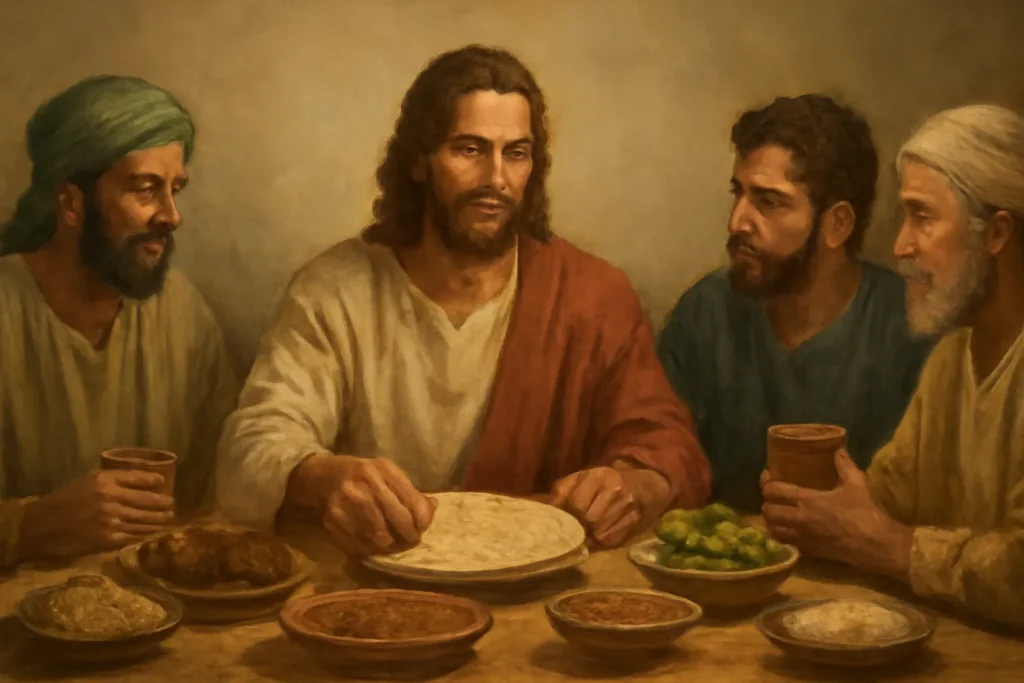
Jesus’ ministry unfolds within the Passover framework, and the Last Supper is widely understood as a Passover meal with
a new gospel meaning. The cry, “This is my body” and “This cup is the new covenant in my blood” (Luke 22:19-20),
reframes the Passover into a present reality: Jesus becomes the fulfillment of the sacrificial lamb and the means of
deliverance for God’s people. Christian readers see the blood of the lamb as pointing to the atoning death of Christ and the
deliverance from sin as described in the New Testament epistles.
Pentecost and the Spirit’s Outpouring
The event of Pentecost in Acts 2 marks a transformative moment in the history of the church: the Holy Spirit
empowers believers for witness, equips communities for mission, and inaugurates a new phase of God’s gatherings of people
from every nation. In this sense, the festival of Weeks is reinterpreted as the birth of the Christian church
and the ongoing presence of God with his people through the Spirit.
Atonement and the High Priest in Hebrews
The book of Hebrews draws explicit connections between the ancient Day of Atonement and the once-for-all work of Christ. The
high priestly figure is fulfilled in Jesus who sacrificially removes sin and purges the conscience (Hebrews 9–10). In this
light, the sacred ritual becomes a powerful typology for believers who live under a new covenant, enjoying direct access to
God through Christ, who makes atonement not through annual rites alone but through his ongoing intercession.
Tabernacles and the Word Becoming Flesh
The gospel of John uses Tabernacles-inspired language to describe the incarnation: The Word became flesh and dwelt among us (John 1:14).
The idea of dwelling with humanity resonates with the festival’s theme of God’s presence among his people in temporary shelters,
now fulfilled in the incarnation and the Spirit-filled life of the church.
Engaging with these sacred days in the modern era can deepen one’s understanding of Scripture, enrich personal devotion,
and strengthen communal worship. Here are practical ideas for individuals, families, and congregations who want to explore
the biblical feasts with sensitivity, reverence, and clarity.
Study plans: select one feast per season and read Leviticus 23, Exodus 12, and relevant New Testament passages to see
the full arc of the festival within salvation history.
Family observances: create a family Seder-style meal for Passover, use simple symbols to teach the themes of
deliverance, and discuss how Jesus fulfills those themes in the New Covenant.
Prayer and confession: on the Day of Atonement, lead a guided time of confession, repentance, and renewed
commitment to walk in holiness and grace.
Worship and music: incorporate psalms and hymns that echo the themes of remembrance, praise, and trust in God’s
faithfulness across the festival calendar.
Seasonal calendars: organize your church’s or family’s year around the festival rhythm, highlighting the move
from remembrance and deliverance to atonement and dwelling with God.
While modern practice may vary widely—from liturgical observance in some traditions to symbolic reminders in others—the
underlying message of these sacred days remains consistent: God acts in history, invites faith, and calls his people
to live in dependence on him.
Below are a few questions people often ask about the biblical feasts. They touch on timing, symbolism, and
their place in Christian faith:
Why were these feasts given in Leviticus? The Levitical instructions provide a structured rhythm for the covenant
community, shaping both worship and daily life around the remembrance of salvation, holiness, and God’s provision.
Do Christians have to observe these feasts today? Observance varies among Christian traditions. The biblical
feasts remain spiritually formative as types and shadows that point to Christ, but practical observance is often decided
by church heritage, grace-centered interpretation, and personal conscience.
How do New Testament authors relate to the festival calendar? They reinterpret or fulfill many festival themes
in Christ—fulfillment language is common in Hebrews, Romans, and Paul’s writings—while the Spirit’s work at Pentecost
signals the dawning of a new era for God’s people.
What is the practical takeaway for believers? The takeaway is robust: remember deliverance, pursue holiness, live with
expectancy for God’s future, and participate in God’s mission with gratitude for his steadfast love.
Conclusion: Richness in the Bible Feast Tradition
The sacred feast days in the Bible form more than a historical calendar; they are a living pedagogy that invites
believers to join with Israel in remembering God’s acts, to reflect on personal and communal repentance, and to
anticipate God’s redemptive purposes in Christ. Whether you think of them as biblical festivals, biblical
feasts, or festival days, these occasions illuminate the narrative arc of Scripture: rescue,
holiness, worship, and hope.
For readers who desire a deeper connection to the sacred calendar, a patient study of each feast—its historical setting,
its biblical symbolism, and its Christ-centered interpretation—offers a rich path for spiritual formation. The bible feast
tradition invites every generation to participate in a story that has shaped faith communities for millennia: a story
of God’s saving work, a life of obedience in response, and a future promise of dwelling with him in perfect peace.





Leave a Reply