Bible Holidays: A Practical Guide to Biblical Feasts and Celebrations
Bible Holidays: A Practical Guide to Biblical Feasts and Celebrations
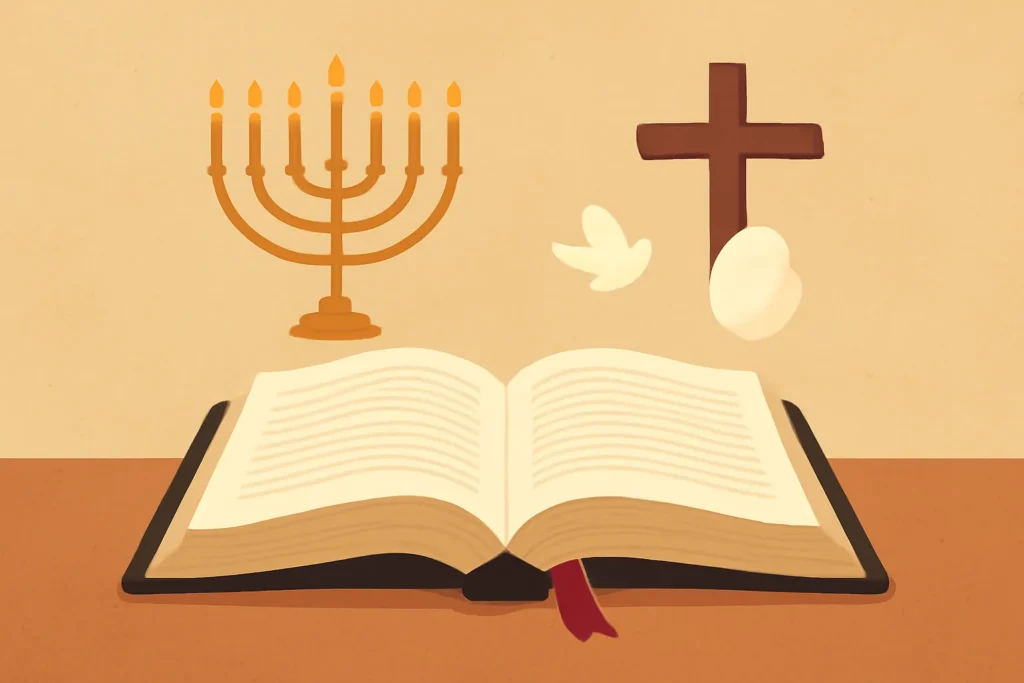
In many faith communities, biblical holidays—also known as the feasts of the Lord or appointed times—function as a rhythm for worship, remembrance, and spiritual formation. These celebrations originate in the Hebrew Bible and later Jewish tradition, and they have been observed in various forms by Christians, Jews, and Messianic communities through the centuries. This guide aims to present a practical, accessible overview of the major biblical holidays, how they were observed in ancient times, and how modern households, congregations, and small groups can engage with them in ways that are meaningful, balanced, and grounded in their biblical roots.
Whether you call them biblical feasts, holy days, or simply the appointed times, these celebrations provide a framework for recalling God’s actions in history, reflecting on our lives today, and anticipating future fulfillment. This article uses the phrase Bible holidays interchangeably with biblical feasts and festivals to maintain semantic breadth while staying true to the scriptural concept.
Overview: The framework of the biblical calendar
The classic list of appointed times is found in Leviticus 23. It divides the year into a series of sacred assemblies and harvest festivals that center around the grain and grape seasons, as well as the calendar of worship. Broadly speaking, these holidays fall into two categories:
Spring feasts, often associated with the Exodus narrative and agricultural cycles—these include Passover and the Feast of Unleavened Bread, followed by the Feast of Firstfruits and the Feast of Weeks (Pentecost).
Fall feasts, which celebrate harvests, national repentance, and dwelling with God—these include the Feast of Trumpets, the Day of Atonement, and the Feast of Tabernacles, with a later addition called Shemini Atzeret in some traditions.
A central feature of these holidays is the combination of commemoration (remembering events and divine acts) and liturgical practice (sacred meals, sacrifices, readings, and symbolic actions). The weekly Sabbath (Shabbat) sits alongside the annual feasts as a regular, enduring rhythm in the lives of God’s people.
In contemporary practice, different communities emphasize different aspects of these celebrations. Some observe many of the biblical rituals literally, including Seder-like Passover meals, tabernacle booths during Sukkot, or special prayer rhythms. Others focus on the spiritual themes—redemption, covenant, holiness, and anticipation of God’s kingdom—without every ceremonial detail. The key is to honor the intent of the biblical holidays: to worship, to learn, to grow in gratitude, and to align life with God’s purposes.
Below you’ll find concise explanations of each major biblical holiday, along with practical ideas for observing them today. For each festival, you’ll see dates anchored in the biblical calendar, but note that many communities convert these into the civil calendar for practical observance. Always approach the dates with sensitivity to your tradition and local community guidelines.
Passover (Pesach) and the Feast of Unleavened Bread
Passover commemorates the Exodus from Egypt, when the LORD passed over the Israelite households marked by the blood of a lamb. It is a remembrance of deliverance, covenant faithfulness, and salvation through grace. The accompanying Feast of Unleavened Bread emphasizes purity and urgency—God’s people left Egypt in haste, so bread without leaven symbolized readiness and faith.
Date: Nisan (also called Abib) 14–15 in the biblical calendar; observed on different civil dates in modern communities.
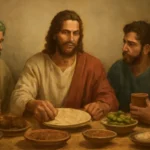
: A traditional Seder meal retells the exodus story with symbolic foods (mason jars of parsley for spring, bitter herbs for hardship, roasted lamb or a meat substitute, unleavened bread, and a sweet date-based dessert). In many households, the Seder serves as a structured family time for storytelling, prayers, and shared memory.
: The Passover narrative foreshadows deliverance and points toward a redemptive plan in later biblical interpretation.
Modern families may honor Passover by hosting a Passover meal, reading selected scriptural passages (Exodus 12 and related texts), and reflecting on personal and communal deliverance from sin and fear. The Feast of Unleavened Bread can be observed by focusing on cleanliness, repentance, and a symbolic removal of leaven from the home for the festival period.
The early harvest festival of Firstfruits marked the recognition of the season’s earliest produce as belonging to God. It is typically linked with the barley harvest and prayers for future harvests. The following festival, the Feast of Weeks (also known as Shavuot in Jewish tradition and Pentecost in Christian tradition), extended the celebration to seven weeks (50 days) after Firstfruits, culminating in an offering of the harvest’s fullness and the giving of the Torah at Mount Sinai in biblical memory.
Date: Firstfruits occurs during the early spring harvest; Weeks occurs 50 days later, counting the Omer from the morrow after the sabbath following Passover.
: In many traditions, Shavuot includes studying Torah, nocturnal learning, bread with dairy symbolism, and festive meals. In Christian circles, Pentecost emphasizes the coming of the Holy Spirit (Acts 2) and the birth of the Church era.
: These feasts celebrate divine provision and spiritual gifting. They invite communal gratitude and readiness for the next harvest and mission.
Practical observance for modern households can include a family Bible study tracing the covenantal arc from Passover to Shavuot, a study on the giving of the Law or the Spirit’s work, and a communal meal that features seasonal foods (early grains, fresh fruits) as a seasonal reminder of God’s provision.
Trumpets (Yom Teruah) and the Day of Atonement (Yom Kippur)
The sequence of Trumpets and Day of Atonement forms a high point of the biblical year—a call to awakening, repentance, and restoration. The shofar blasts associated with Yom Teruah herald a season of sincere self-examination. The subsequent Day of Atonement calls the people to repent, confess sins, and seek reconciliation with God and neighbor.
Date: Yom Teruah occurs on the first day of the seventh month, Tishrei; Yom Kippur falls on the tenth day of the same month.
: In many traditions, Yom Teruah involves special prayers, trumpet or shofar blowing, and introspective services; Yom Kippur is marked by fasting, extended worship, confessional prayers (the Vidui), and communal acts of mercy. Some communities also practice a day-long fast from all food and water or a partial fast, depending on custom and health considerations.
: These days emphasize the gravity of sin, the possibility of forgiveness, and the renewal of covenant relationship with God.
For contemporary readers, observing Rosh Hashanah-like themes can involve a personal or family day of reflection, a time to review life goals, and a commitment to pursue reconciliation and holiness. If fasting isn’t feasible, consider a day of voluntary disciplines—scripture reading, extended prayer, and acts of mercy.
The Feast of Tabernacles (also called Sukkot) is a joyful, harvest-focused celebration that recalls the wilderness wandering when Israel dwelt in booths (sukkot). The fall festival rhythm often includes sukkah building, dwelling in temporary shelters, and processional readings. The calendar can culminate with Shemini Atzeret, a distinct day of assembly and worship in some traditions.
Date: Sukkot begins on 15 Tishrei and lasts seven days, with a separate day for Shemini Atzeret on 22 Tishrei in some calendars.
: Common observances include building a sukkah, sharing meals in the booth, waving the Four Species (in some traditions), and special prayers of thanksgiving. In many Jewish communities, there are additional water-drawing ceremonies and celebratory processions at the temple or synagogue.
: Sukkot emphasizes God’s provision during wandering and the relief of dwelling with God among his people—an expression of gratitude and trust for ongoing daily needs.
In modern settings, families may build a simple sukkah in the yard or balcony, invite guests, and read Scripture that emphasizes God’s faithfulness and care. For Christian communities, Sukkot can become a rich symbol of God dwelling with humanity in Jesus (the Word made flesh) and of spiritual hospitality.
In addition to the annual feasts, the Sabbath—a weekly day of rest and worship—forms a foundational element of biblical religion. Historically observed from Friday evening to Saturday evening in many Jewish communities, Shabbat sets apart time for worship, family, and cessation from regular labor. The Sabbath mirrors creation and anticipates the ultimate rest of God’s kingdom.
Date: Every seventh day in the solar week, starting Friday evening to Saturday evening in practice for many communities.
: Lighting candles, blessing God, sharing a festive meal, and engaging in worship, study, and acts of mercy. Some families add short readings or prayers and avoid work or secular activities to preserve the sacred character of the day.
: Rest and worship become a countercultural practice, inviting dependence on God and deepening family and community life.
For households seeking a practical approach, begin with a simple Sabbath routine: candle-lighting, a peaceful shared meal, and a short Scripture reading. From there, expand with family discussions, song, or a time for service to others as a way to embody the rest that God offers.
Other related notes on the biblical calendar
Interpreting the calendar: The biblical calendar is lunar-based, with some months adjusted to align with solar seasons. In practice, communities translate the biblical dates to a modern civil calendar, with variations among Jewish, Christian, and Messianic groups.
Historical context: The feasts began as public ordinances for the national community of Israel, including sacrifices, pilgrimages, and ritual purity rites. In the New Testament era, some foundations shifted toward Christ-centered meanings for Christian readers, while the original spiritual intent remains a source of reflection.
Grace and freedom: Observance is not framed as legalistic obligation for all believers. Rather, it is an opportunity to reflect on God’s past deeds, his present faithfulness, and the hopeful future he promises. Communities are encouraged to adapt practices in ways that foster genuine devotion rather than ritual rigidity.
Practical guidelines for observing Bible holidays today
If you want to introduce or deepen Bible holiday observance in your home or church, here are practical steps to consider. The goal is to cultivate reverence, learning, and shared experience while avoiding legalistic performance.
Plan ahead: Use a shared calendar to mark the major feasts (Passover, Shavuot, Sukkot, Yom Kippur, etc.). Begin preparing meals, study guides, and small-group curricula weeks in advance.
Family-centered approach: Build family traditions around each festival—storytelling for Passover, a gratitude-focused meal for Sukkot, a morning of reflection for Yom Kippur, and a mid-year gathering for Pentecost.
Education first: Use age-appropriate readings and activities to teach children about the biblical themes—redemption, covenant, holiness, and hope. Visual aids, crafts, and storytelling help make the content memorable.
Meals and symbolism: Food often carries symbolic meaning (bread and unleavened bread, bitter herbs, dairy foods for Shavuot, etc.). Adapt menus to fit your culture while retaining the symbolic language where possible.
Community participation: Invite neighbors, friends, or coworkers to join a feast or a study session. A shared table communicates hospitality and inclusion, which aligns with the spirit of the feasts.
Balance and accessibility: Some families may fast or abstain from particular activities during Days of Atonement or other solemn days. Always consider health and local guidelines; participation should be voluntary and inclusive.
A practical approach also includes resource planning—gather a few core devotional books, a Torah or Bible with commentary, and a simple guide to the liturgical elements you want to include. Over time, your practice may evolve from simple celebrations to a richer, more daily welcome of God’s presence in your life.
Theological reflections and how to interpret the holidays today
People approach Bible holidays from different theological perspectives. Some read them as prophetic foreshadowing of Jesus Christ and the New Covenant; others emphasize historical memory and covenantal identity for the people of Israel; yet others focus on spiritual formation—the ways in which regular rituals shape character and community life.
Consider these guiding questions as you reflect on the biblical holidays in your setting:
What themes recur across the feasts (deliverance, covenant, worship, gratitude, surrender) and how can you emphasize them in your context?
How do the feasts point to Christ in the New Testament—whether through typology, fulfillment, or spiritual meaning—and how does that affect your observance?
What practices best serve your family or congregation without leading to performance or legalism?
How can you involve diverse age groups, cultures, and abilities in meaningful participation?
A balanced approach respects tradition while allowing for adaptation. Even if your community doesn’t implement every ancient rite, embracing the overarching intent—remembrance, gratitude, repentance, and a life oriented toward God—can yield profound spiritual fruit.
Practical sample plan: a year of Bible holidays in a family calendar
If you’d like a tangible blueprint, here is a simple, flexible plan that families or small groups can adapt. It avoids rigidity and emphasizes learning and fellowship.
Enter Passover with a family Seder or a simple retelling of the Exodus story.
Observe the Feast of Unleavened Bread by removing leaven from the home for a focused period and sharing stories of purity and readiness.
Celebrate Firstfruits and Shavuot with a dessert featuring dairy and a study on God’s provision and the giving of the Law or the Spirit.
Summer-to-fall transition:
Begin a season of self-examination around Yom Teruah, culminating in Yom Kippur—a day of prayer, confession, and reconciliation within families and communities.
Move into Sukkot with the building of a simple sukkah, sharing meals in the booth, and expressing gratitude for God’s ongoing care.
Ongoing rhythm:
Maintain the Sabbath rhythm weekly with established routines of worship, rest, and family time.
Incorporate occasional study evenings focusing on the biblical texts behind the feasts (Leviticus 23; Deuteronomy 16; Psalms of praise and repentance).
This plan can be scaled up for a church or small-group setting by adding collaborative meals, shared readings, and outreach opportunities that align with the themes of the feasts.
It is common for communities to include other observances associated with the biblical holidays, such as Purim or Hanukkah in Jewish practice or the Pentecost emphasis in Christian circles. While these celebrations are not part of the core Levitical list in the Torah, they can enrich a community’s spiritual life by providing historical context, teaching moments about faith under trial, and opportunities for outreach and education. If you choose to include these, maintain clarity about their status in your tradition and avoid conflating them with the biblical commandments.
Some readers may be curious about how these holidays intersect with Christian worship, especially regarding the claim that Christ fulfills or completes the feasts. This perspective is widely discussed in theological literature and may influence how you interpret the appointed times in your personal faith journey. Regardless of your theological stance, the underlying purposes—worship, remembrance, gratitude, and longing for God’s kingdom—remain accessible and valuable.
Resources for further study
If you’d like to deepen your understanding or expand your practice, consider these categories of resources. The following suggestions are broad and secular-friendly enough to be approachable for curious readers from various backgrounds:
Scriptural study guides: Commentaries on Leviticus 23, Exodus, and related passages; introductions to the feasts and their biblical context.
Historical and cultural background: Books or articles on ancient Near Eastern customs, temple worship, and the calendar systems used by Israel.
Practical devotionals: Family devotion guides for the feasts, with simple prayers, activities, and discussion prompts.
Interfaith and inter-tradition perspectives: Resources that explore how different faith communities understand these holidays and adapt them to contemporary life.
When selecting resources, prioritize works that emphasize spiritual formation over rigid ritual, and look for materials that encourage inclusivity and thoughtful application in your own cultural setting.
Conclusion: embracing Bible holidays with purpose
The bible holidays and their appointed times invite believers into a longstanding rhythm of worship, memory, and hope. By engaging with the major feasts—Passover, Unleavened Bread, Firstfruits, Weeks, Trumpets, Atonement, Sukkot—along with the cadence of the Sabbath, families and communities can cultivate a faith that is grounded in history and alive in the present. The goal is not legal perfection but a joyful, transformative journey toward greater trust in God, greater love for neighbor, and a clearer expectation of the future fulfillment of all God has promised.
Whether you approach these Bible holidays as a Jewish-rooted tradition, a Christian-liturgical practice, or a personal devotion, the essentials remain the same: to remember God’s acts of redemption, to celebrate God’s provision, to repent where needed, and to live in anticipation of God’s coming kingdom. With intentionality, flexibility, and grace, the biblical feasts can enrich your spiritual life and deepen your communal bonds as you practice faith through the annual cycle God has established.





Leave a Reply