In the Catholic Church, certain days are designated as holy days of obligation, occasions on which the faithful are expected to participate in the celebration of Mass. These days are not arbitrary; they reflect the Church’s desire for the faithful to sanctify time with communal worship, prayer, and reverence. The most familiar obligation is the weekly Sunday Mass, but the Church also designates additional days throughout the year on which Catholics are called to gather for liturgical worship, to receive the Eucharist, and to grow in grace.
The term Catholic obligation days (often simply called holy days of obligation) encompasses a constellation of feasts and solemnities that are considered especially important in the life of the Church. Observing these days helps believers participate in the mystery of Christ and the communion of saints, and it reinforces a rhythm of prayer that complements personal devotion with a communal, liturgical identity.
It is important to note that the obligation is not automatic in every place and for every person. The law recognizes legitimate exceptions—situations of illness, caregiving duties, grave care for others, danger, or other serious impediments. In such cases, a dispensation or a suitable alternative is allowed, and the faithful should consult their local pastor or diocesan guidelines if they are unsure how to fulfill or excuse the obligation.
Historical and canonical foundations
The concept of a liturgical calendar punctuated by days of obligation has deep roots in Christian tradition. It grows out of both scriptural patterns of worship on the Lord’s Day and the Church’s evolving understanding of the glory of God expressed through the liturgy. In Catholic teaching, the obligation to participate in the Mass on Sundays and on certain holy days reflects the obligation of all baptized believers to be formed by the Eucharist and to enact in their lives the mystery celebrated at the altar.
Scriptural and liturgical roots
The Sunday duty to worship follows the resurrection narrative and the early Christian practice of gathering for the breaking of the bread. Beyond Sunday, the Church recognizes specific feasts as profoundly significant for faith formation—feasts that highlight the Incarnation, the Virgin Mary, the apostles, martyrs, and other central mysteries. These days are celebrated with special rites, readings, and prayers that illuminate the character and mission of the Church.
Canon law and disciplinary practice
The universal discipline of the Latin Church expresses this obligation in canonical terms. The Code of Canon Law teaches that “the obligation of the faithful to participate in the Mass is to be observed on Sundays and holy days of obligation” (often cited as canons around 1247). The law also recognizes that the faithful may be excused for a grave reason, and they may fulfill the obligation by participation in the Mass at another time if allowed by the diocesan norms or liturgical guidelines.
Local practice is shaped by the bishops’ conferences, which may adjust or supplement the universal norms to reflect regional pastoral needs. As a result, the exact list of holy days can vary from country to country, and even within regions of a single country. The interplay between universal law and local adaptation is a hallmark of how the Church preserves the unity of faith while acknowledging cultural and pastoral diversity.
Typical holy days of obligation around the world
Although the details differ by locale, there are several core themes that recur across calendars: devotion to Christ in the mystery of the Nativity, reverence for Mary, and gratitude for the communion of saints. Below are the common categories and examples you are likely to encounter, with notes on regional variation.
Christmas (often December 25) — The nativity of Jesus is the central celebration of the Catholic year, and a holy day of obligation in many places.
Name of Mary feasts — Mary’s pivotal roles are celebrated on several feasts:
Mary, Mother of God (January 1) — A major Marian solemnity that is typically a holy day of obligation in many regions.
Immaculate Conception (December 8) — Honoring Mary’s sinless conception; commonly a holy day of obligation.
Assumption of Mary (August 15) — The belief that Mary was taken body and soul into heavenly glory is observed as a solemnity in many countries.
All Saints’ Day (November 1) — A day to honor all the saints, known and unknown, celebrated as a holy day in many places.
Other Marian or Jesus-focused feasts — Depending on the country, other Marian feasts or feasts honoring Jesus’ infancy, passion, or glory may be designated as holy days of obligation.
Regional and national variations
The exact list of holy days can differ significantly. In some countries, Epiphany (January 6) or the Ascension are counted as holy days of obligation, while in others these feasts are observed on Sundays or are not obligatory at all. The local bishops’ conference and the diocesan calendar determine whether a particular feast qualifies as an obligation day in a given region.
For instance, in North America and parts of Western Europe, a subset of the traditional feasts is emphasized as obligatory, with the rest celebrated liturgically but not always binding as an obligation. In Latin America, parts of Africa, and other regions with strong Marian devotion, more Marian feasts may appear on the calendar as holy days of obligation. This spectrum reflects the Church’s universal reach while honoring local devotion and pastoral needs.
Practical examples
In a country where Christmas and Mary’s feasts are obligatory, families often make a special effort to attend Mass for both the Christmas celebration and the solemnity of Mary.
In another region where Ascension is observed on the Sunday following Easter, the obligation may still be felt as the people participate in the liturgy as a communal expression of faith.
Where Epiphany is observed as a separate day, parishes may incorporate special Masses that emphasize the revelation of Christ to the Gentiles, especially for children through creche or catechesis activities.
How Catholics observe these days and fulfill the obligation
Observing a holy day of obligation is not merely about checking a box; it is an invitation to participate in the Church’s worship, receive the Eucharist, and grow in the life of grace. The Church encourages a spirit of active participation, reverence, and conversion.
Primary obligation: attending Mass
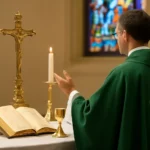
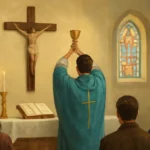
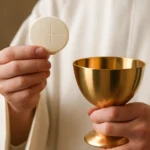
The central requirement is to participate in the Mass on the holy day, unless excused for a grave reason. Participation includes being present for the liturgy, listening attentively to the readings, and receiving the Eucharist if in a state of grace and prepared to do so.
When the day falls on a weekday or is inaccessible
If a holy day falls on a day when it is difficult to attend a Mass—due to illness, caregiving responsibilities, distance from a church, or other serious impediments—the Church allows for a reasonable degree of flexibility. Some dioceses permit celebrating the Mass on the evening before the holy day, or on the following day, to fulfill the obligation. In cases where attendance is truly impossible, one should seek guidance from a priest to determine the appropriate way to participate in the Church’s life on that day.
Additional practices that can accompany observance
Confession or a penitential act around the holy day to prepare for the Eucharist.
Prayerful preparatory and post-communion devotions, such as the Rosary or other Marian prayers on Marian feast days.
Participation in community or parish activities that align with the feast’s themes (for example, catechesis for children during Epiphany or Christmas services).
Why these days matter: spiritual and communal significance
Holy days of obligation serve several important purposes within Catholic life. They connect individual worship with the universal Church, highlight the mysteries of faith, and cultivate a shared identity rooted in the liturgical year.
Spiritual nourishment and formation
Attending Mass on these days places believers at the heart of the Eucharistic celebration, which Catholics regard as the source and summit of Christian life. The liturgical readings, prayers, and the sacrament of the Eucharist nourish the soul, deepen faith, and strengthen the willingness to imitate Christ in daily life.
Communion with the universal Church
The Church is a universal body with a common calendar. By observing the same holy days, Catholics around the world share in a single rhythm of worship. This unity of liturgical life reinforces fellowship with Christians everywhere, including martyrs, saints, and holy men and women who have borne witness to the Gospel across cultures and centuries.
Many holy days celebrate the Blessed Virgin Mary and other pivotal figures in salvation history. This emphasis fosters a particular form of devotion that centers on Christ and invites the faithful to imitate the virtues exemplified by Mary, the apostles, and the saints.
Pastoral rhythm and moral formation
A calendar that marks holy days helps believers structure time in a way that invites contemplation, repentance, gratitude, and service. The rhythm of feasts and memorials can shape choices—supporting family life, charitable works, and a more regular Eucharistic life.
Whether you are a family planning meals and travel around a holy day, a student balancing studies with liturgical observances, or a retiree seeking deeper participation, practical steps can help you honor these days with intention.
Planning ahead
Check your local parish calendar and diocesan guidelines for the specific holy days of obligation in your region.
Mark the dates in family calendars and plan for gift-free time or shared meals around Mass attendance.
Arrange transportation or childcare early to ensure you can participate in the Mass without undue stress.
Participation strategies
Arrive early for Mass to participate in the rites with full attention and reverence.
Read the readings ahead of time to engage more deeply with the liturgy.
Spend time in prayer before and after Mass—perhaps a brief reflection, the Our Father, and a Marian prayer on Marian feasts.
Family catechesis
Use age-appropriate materials to teach children why these days matter and how to participate with reverence.
Plan simple ways to incorporate the feast’s themes into home discussions, crafts, or service projects.
Encourage children to accompany parents to Mass and to receive the Eucharist if they are prepared to do so.
Common questions and myths about obligation days
Do all Catholic countries observe the same holy days?
Not exactly. While the underlying concept—participation in Mass on Sundays and certain holy days—exists universally, the specific days considered obligatory can vary by country and by bishops’ conferences. Always consult your local diocese or parish for the precise list applicable to your region.
No. The obligation exists for most faithful, but it is qualified by grave reasons for exemption. If you have a serious impediment, you should seek guidance from your pastor and, if appropriate, receive a dispensation. In some cases, attending a vigil Mass on the preceding evening can fulfill the obligation.
The Church recognizes the limitations of illness and age. If someone cannot physically attend Mass, they may participate in other forms of worship and receive spiritual communion when appropriate. Local pastoral leaders can provide practical guidance in these cases.
Do Holy Days of Obligation apply to children and families?
Yes. The obligation belongs to the faithful according to their state in life. Families, including children, are expected to participate as appropriate for their age and preparation. Catechesis and parish programs often help families learn how to celebrate these days together in a meaningful, age-appropriate way.
What if I miss a holy day because of work or travel?
When circumstances prevent attendance on the date, one should consult with their pastor to determine whether a vigil Mass on the previous evening or a Mass on the following day can fulfill the obligation. The goal is not to create legalistic pressure but to foster genuine participation in the Church’s worship.
How should we approach these days if our parish offers multiple Mass times?
Take advantage of multiple opportunities to participate. Attending a Mass that fits your schedule while maintaining reverence and active participation is a good practice. It also demonstrates a communal desire to join the Church in worship on these important days.
Conclusion: the value of a liturgical rhythm
Holy days of obligation are more than a legal requirement; they are a invitation to enter more deeply into the life of Christ, to gather with the people of God in worship, and to allow grace to shape daily choices. By participating in these days, Catholics across the globe join together in a timeless tradition that binds individual faith to the universal mission of the Church.
Whether you live in a country with a long-established calendar of obligations or in a place where the list changes with pastoral needs, the central aim remains the same: to sanctify time through the Eucharist, to grow in faith, and to participate in the life of the Church in a way that transforms both personal devotion and community service. For those who are new to Catholic practice, these days can become anchors in a busy life—moments to pause, reflect, and recommit to living as a disciple of Christ.





Leave a Reply