Catholic Church Holy Days: A Guide to Feasts and Observances
The Catholic Church calendar is a living map of faith, memory, and proclamation. Holy days—also called holy days of obligation in many places—mark moments when the universal Church gathers to celebrate the mysteries of Christ, to honor the Mother of God and the saints, and to reflect on the virtues that shape Christian living. These days fall into different families within the liturgical year: some are fixed on the calendar, some move with the seasons, and others come from the devotion to the Blessed Virgin Mary or to particular apostles and martyrs. This guide explains how these feasts and observances are organized, what they celebrate, and how they affect worship and daily life in parishes around the world.
Understanding Holy Days in the Catholic Church
A holy day is not merely a date on the calendar. It is a time set apart to recall, re-enact, and respond to a mystery of faith. In Catholic usage, the term encompasses:
Solemnities — the highest rank of feast days, which celebrate the core mysteries of the faith or the principal patrons of the Church.
Feasts — important celebrations that recall events in the life of Jesus, Mary, or the saints, though not as extensive as solemnities.
Memorials — observances that honor saints or important events; some memorials can be celebrated with or without obligation depending on the local calendar.
Another key distinction is fixed versus movable holy days. Fixed feasts occur on the same calendar date every year (for example, Christmas on December 25). Movable feasts depend on the liturgical season or lunar/seasonal calculations (for example, Easter Sunday, which changes dates each year). The interplay between fixed and movable celebrations gives the Catholic year its rhythm, from the solemn season of Lent to the joyous celebration of Easter.
Fixed Holy Days of Obligation and Movable Observances
The concept of holy days of obligation refers to days on which Catholics are required to attend Mass, barring serious reasons. The exact list of obligatory days can vary by country and region, reflecting pastoral decisions and liturgical adaptation. Nonetheless, several core celebrations are widely recognized across the Latin Rite and are often considered part of the backbone of the Church’s annual memory.
Christmas Day — The Nativity of the Lord, December 25. A primary solemnity that commemorates the incarnation of Jesus Christ, celebrated with Masses that begin the night before (the Christmas Vigil) and continue through the day.
Immaculate Conception — December 8. Honors Mary’s sinless conception, a doctrine proclaimed in Catholic tradition and celebrated as a holy day of devotion and gratitude for Mary’s role in salvation history.
Mary, Mother of God or The Nativity of Mary — January 1 (solemnity in the calendar in many places; in some regions it is observed as the World Day of Prayer for Peace or celebrated under the title “Mary, Mother of God”).
Assumption of Mary — August 15. Commemorates Mary being taken body and soul into heavenly glory, a feast of high dignity in the Marian calendar.
All Saints — November 1. Honors all the saints, known and unknown, whose lives witness to Christ and who intercede for the Church.
All Souls — November 2. A day to remember the faithful departed and to pray for their eternal rest.
Saint Joseph — March 19. A feast honoring the foster father of Jesus and a model of humble service and family life.
Apostles and Saintly Fathers — Certain feast days celebrate the apostles (e.g., Peter and Paul on June 29) and other foundational figures in the Church’s life.
Other regional or ecclesial feasts — The calendar often includes additional holy days of obligation or solemnities on specific days for particular countries or rites (for example, the Feast of Saint Francis or Saint Anthony in some places).
In addition to these HDOs, there are numerous celebrated feasts throughout the year that enrich Catholic devotion, even when attendance at Mass is not legally required. These include the great solemnities of Christmas and Easter, and a wide array of Marian and saintly commemorations that shape Catholic spirituality and devotion.
Major Holy Days: A Practical Guide to Celebrations
The Catholic calendar centers around a few anchor feasts that structure the year and invite the faithful into contemplation and prayer. Here are the major holy days and how they function in the life of the Church.
Christmas and the Nativity Season
Christmas is the feast of the Nativity, the birth of Jesus Christ, celebrated on December 25. It is followed by the Octave of Christmas, a period of eight days that culminates on the Feast of the Baptism of the Lord, which marks the manifestation of Christ to the world. In many parishes, the Christmas season is a radiant period of carols, Nativity scenes, and readings from the Gospel of Luke and the prologue of John. The focus is on the mystery of God becoming man, the Incarnation, and the light entering human history.
The most central set of holy days in the Catholic year is the series of events known as the Paschal Mystery. It begins with Ash Wednesday, which marks the start of Lent, a penitential season of fasting, prayer, and almsgiving. Holy Week then unfolds with:
Palm Sunday (or Passion Sunday): Jesus’ triumphant entry into Jerusalem.
Holy Thursday (the Mass of the Lord’s Supper): The institution of the Eucharist and the priesthood, commemorated with foot-washing in some parishes.
Good Friday: The Passion and crucifixion of Jesus, observed with contemplative prayer and the veneration of the Cross.
Holy Saturday (Easter Vigil): The Church’s most solemn celebration, welcoming new members and proclaiming Christ’s Resurrection.
Easter Sunday: The day of Jesus’ Resurrection, the triumph of life over death, and the centerpiece of the Christian liturgical year.
During this season, the Church recalls the suffering, death, and Resurrection of Christ, inviting believers to participate in the mystery of salvation. The days from Ash Wednesday through Holy Saturday are sometimes described as a continuous journey toward Easter joy.
Eastertide and Pentecost
Easter continues through the season of Eastertide, culminating in Pentecost, which commemorates the sending of the Holy Spirit upon the Apostles. Pentecost is often described as the birthday of the Church because it marks the empowerment of Christ’s followers to evangelize and witness to the faith. The days after Pentecost move toward the liturgical end of the season and into Ordinary Time, a period focused on Jesus’ teachings and the growth of the early Church.
Marian Feasts and Devotional Observances
Mary, the Mother of Jesus, has a central place in Catholic devotion and in the liturgical calendar. A number of feasts bear her name, celebrate her role, and invite the faithful to imitate her faith and reliance on God.
Annunciation — March 25. Commemorates the angel Gabriel’s announcement to Mary that she would conceive the Son of God. This date highlights the moment of the Incarnation in Mary’s yes to God.
Assumption — August 15. The belief that Mary was assumed body and soul into heaven is celebrated with great solemnity in parishes around the world.
Immaculate Conception — December 8. Honors Mary’s sinless conception in her mother’s womb, a doctrine of profound significance for Catholic Mariology.
Feasts of the Nativity of Mary and other Marian memorials — September 8; various places celebrate other titles such as Our Lady of Lourdes, Our Lady of Fatima, and Our Lady of Guadalupe on specific dates with regional devotion and parish celebrations.
Marian feasts serve to form the spiritual imagination of the faithful: they point to Mary as a model of faith, prayer, and obedience, and they deepen the sense of the Church as the family of God under Mary’s maternal care.
The Catholic calendar also highlights the saints and apostles who bore witness to the Gospel with courage and charity. Some important themes include:
Apostolic feasts — Celebrations of the apostles, such as the feast of Saints Peter and Paul on June 29, which honors the leadership and mission of the early Church.
Saints of the local church — Local patron saints may have feast days that are particularly significant for a region or parish and are celebrated with special Masses and processions.
Martyrs and doctors of the Church — Feasts of recognized saints who contributed to Catholic doctrine, spirituality, and pastoral care.
These memorials are not merely historical remembrances; they offer models of holiness for daily life and a reminder that Christians are part of a larger communion that transcends time and geography.
Regional Variations and Local Calendars
Even though the Catholic Church maintains a universal core, local calendars differ in practice. The decision to observe certain holy days as obligatory can vary by country, region, and rite. Some highlights of regional variation include:
National and diocesan differences — Some countries observe additional HDOs or celebrate certain Marian feasts with greater emphasis due to local devotion and culture.
Eastern Catholic rites — In the Eastern Catholic Churches (which are in communion with Rome but follow distinct liturgical traditions), there are different calendars and liturgical languages, yet the same faith in the Trinity and the Incarnation.
Liturgical calendars vs. pastoral realities — Parishes adapt to local needs, which can influence how solemnities are celebrated (for example, choosing to celebrate a great feast on the nearest Sunday to accommodate attendance).
When visiting a parish in a new diocese or country, it is helpful to consult the local bulletin or pastoral staff for the exact list of HDOs and the recommended Mass schedule for that year. The concept of holy days of obligation remains a unifying thread, even as the list varies by place.
A Guide to Worship, Prayer, and Practice on Holy Days
These holy days have practical implications for Catholic worship and daily life. They guide the rhythm of parishes and schools, influence the pace of ordinary work in many Catholic countries, and shape the personal prayer life of the faithful. Here are some common ways these sacred days are lived out in the life of the Church:
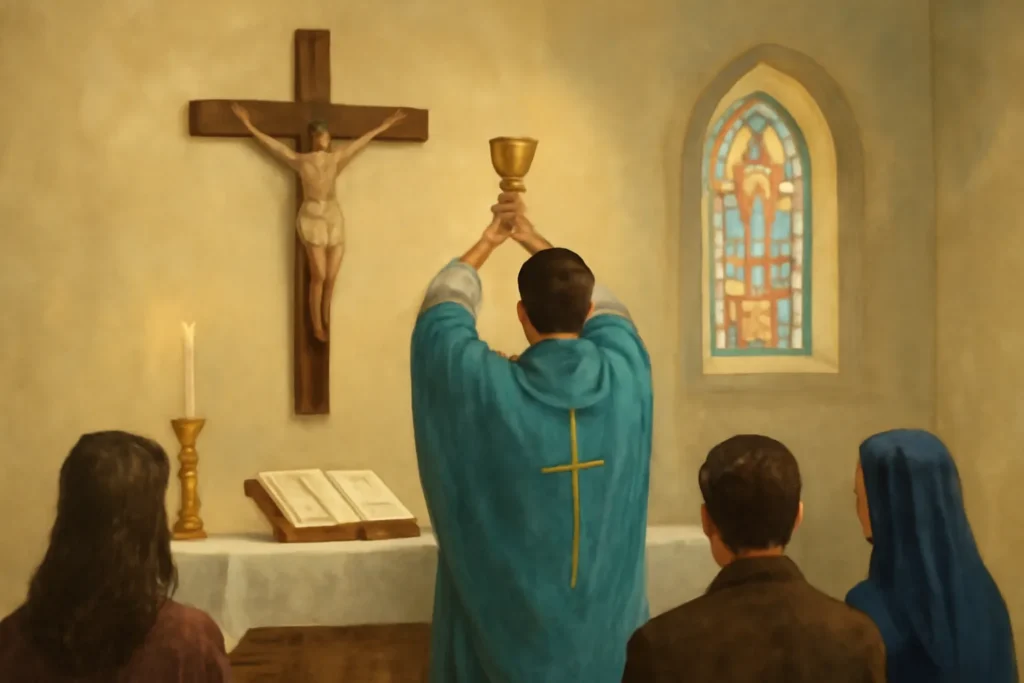
Liturgy — Mass is the central act of worship on holy days, often enhanced by solemnities, processions, and vibrant music. The readings are chosen to highlight the day’s mystery and its connection to the liturgical season.
Prayer and Devotion — Many holy days are accompanied by novenas, processions, rosaries, and special devotions to Mary or the saints connected with the feast.
Charitable works — Some days emphasize almsgiving and acts of mercy, encouraging the faithful to translate contemplation into concrete care for the vulnerable.
Education and Catechesis — Parishes and schools may offer catechesis or lectures about the theology behind the feast, helping people understand its significance beyond outward celebrations.
In practice, this means that a holy day is not merely a day off from ordinary life; it is a moment to deepen faith, reorient priorities, and join with the Church universal in worship and witness.
Participation in holy days is best prepared with intentional spiritual practices. Here are some practical tips to make the most of these sacred days:
Check the calendar — Before the feast, review the local parish schedule to know the times of Mass, confessions, and any special ceremonies.
Join the liturgy with intention — Enter the Mass as a personal encounter with Christ, listening to the readings, praying the prayers, and sharing the Eucharist with the community.
Read and reflect — Read the Gospel passage or a short meditation related to the day’s feast, and reflect on how it calls you to live differently.
Pray for others — Especially on memorials or feast days dedicated to saints, pray for the intercession of the saint or to emulate their virtues in your own life.
Engage in service — If the feast inspires, translate devotion into action by volunteering, donating, or helping a neighbor in need.
Across diverse Catholic communities, holy days are celebrated with cultural richness and liturgical diversity. Some common expressions include:
Vigils — The night before a major feast may feature a vigil Mass or a time of candlelight prayer, inviting the faithful to prepare with quiet reflection.
Processions — Especially on Marian or parish patron feasts, outdoor processions with statues, banners, and songs can be a powerful way to witness faith in the community.
Cathechesis and catechetical events — In many places, holy days are accompanied by lectures, panel discussions, or catechesis aimed at all ages.
Marian devotions — May and October are often rich with prayers like the Rosary, the Litany of the Blessed Virgin Mary, and contemplative recitations of Mary’s titles.
Despite differences in local practice, the underlying aim remains the same: to enter more deeply into the mystery of God’s saving work in Christ and to be formed as a more faithful disciple of Jesus.
Holy days of the Catholic Church are not merely historical commemorations; they are invitations to ongoing spiritual transformation. They connect memory with faith, tradition with personal conversion, and communal worship with daily life. The rhythm of feasts and seasons helps Catholics:
Know the core mysteries — Such as the Incarnation, the Paschal Mystery, and the communion of the saints.
Grow in devotion — Through Marian prayers, veneration of saints, and reverent liturgical life, believers are drawn into deeper relationship with God.
Community formation — Shared celebrations strengthen the bonds within parishes and dioceses, knitting local worship into the universal Church.
Pastoral renewal — Holy days provide opportunities for renewal in faith through preaching, catechesis, and acts of service.
In this sense, every holy day is a doorway into the mystery of Christ and a chance to be mindful of how God’s grace is at work in the world today.
From the quiet reverence of Ash Wednesday to the triumphant joy of Easter and the luminous feast days honoring Mary and the saints, the Catholic Church’s holy days form a rich tapestry of memory, doctrine, and prayer. They invite the faithful to recognize God’s presence in everyday life and to respond with worship, service, and fidelity. Whether you participate in a grand procession, a solemn Mass, a quiet moment of prayer before a statue, or a family act of charity, the holy days of the Catholic Church are meant to draw you closer to Christ and to the living body of the Church—the communion of believers throughout the world. In a world that moves quickly, these sacred times offer a steady rhythm, a reminder of what is most true, good, and beautiful in the Christian life.
Key terms to remember:
Solemnity — the highest nature of a feast in the Church’s ranking.
Feast — a celebration of significant events or persons in the life of Christ, Mary, or the saints.
Memorial — a remembrance of a saint or important event, often observed regionally.
Holy Days of Obligation — days on which Catholics are ordinarily obliged to attend Mass.
Movable feast — a feast whose date changes each year (e.g., Easter).
Fixed feast — a feast celebrated on the same date every year (e.g., Christmas).





Leave a Reply