Bible from Beginning to End: A Comprehensive Guide to Its Books, Timeline, and Core Themes
Bible from Beginning to End: A Comprehensive Guide to Its Books, Timeline, and Core Themes
Welcome to The Bible from Beginning to End: A Comprehensive Guide to Its Books, Timeline, and Core Themes. In this article, we survey the sacred writings known as the Bible in Christian traditions, while also acknowledging the related corpus often called the Hebrew Bible or Tanakh in Jewish traditions. We will explore how the Bible is organized, the major books and their genres, a broad chronological arc from creation to the early church, and the enduring ideas that shape its messages. Whether you approach this sacred collection as Scriptures, Holy Writ, or simply the Canon, you will find a roadmap that helps readers understand the whole from its beginnings to its final form.
What is the Bible? Names, Forms, and How It Is Used
The Bible is not a single book but a library of texts written across many centuries and contexts. Its parts are diverse in genre—narrative history, poetry, law, wisdom literature, prophecy, gospel narratives, letters, and apocalypse. The term Bible itself comes from the Greek ta biblia, meaning “the books.” Different Christian traditions designate slightly different collections, and Jewish readers refer to the sacred writings as the Tanakh (Torah, Nevi'im, Ketuvim). Across these variations, the core idea remains: a body of sacred writings that shapes faith, worship, ethics, and identity.
Across the centuries, people have used this material in varied ways: for devotion and worship, for instruction in law and moral conduct, for communal memory, and for reflection on human existence before and before God. The Holy Scriptures invite readers to encounter God’s promises, commands, and redemptive plans, while also challenging them to live justly in their communities. In this guide, we will emphasize the structure, the major sections, and the themes that recur from Genesis to Revelation, while noting important differences among traditions.
How the Bible Is Organized: From Genres to Canons
The Old Testament / Hebrew Bible: A Canon with Diverse Genres
In the traditional Christian arrangement, the Old Testament comprises books written before and during the life of Jesus, reflecting a long arc of history, covenant, and wisdom. In Jewish usage, these materials are read as the Tanakh, arranged differently and divided into three sections: the Torah (Law), the Nevi'im (Prophets), and the Ketuvim (Writings). The Christian Bible often subdivides the Old Testament into four broad groups:
Law (Pentateuch / Torah) — Genesis, Exodus, Leviticus, Numbers, Deuteronomy. These five books lay the creation narrative, the patriarchs, the exodus from Egypt, and the giving of the law at Sinai.
Historical Books — Joshua through Esther, which narrate Israel’s conquest, settlement, monarchy, exile, and return.
Wisdom Literature — Job, Psalms, Proverbs, Ecclesiastes, Song of Songs (Songs). These works explore life with God through poetry, proverbs, and philosophical reflection.
Prophetic Writings — The Major Prophets (Isaiah, Jeremiah, Lamentations, Ezekiel, Daniel) and the Minor Prophets (the twelve shorter books from Hosea to Malachi).
Within this broad layout, the canon—the collection regarded as authoritative—varies by tradition. Some Christian Bibles include the Apocrypha or Deuterocanonical books (such as Tobit, Judith, Wisdom of Solomon, Sirach, and 1–2 Maccabees) in a separate section or as part of the Old Testament, while others place these books in a separate intertestamental section. In short, while the core books are largely shared, the precise contents and order reflect theological choices made by communities over time.
The New Testament: Gospels, Letters, and Revelation
The New Testament focuses on the life, teaching, death, and resurrection of Jesus, as well as the spread of his followers and the interpretation of his message in the early Christian communities. It is generally divided into four major types of literature:
The Gospels — Matthew, Mark, Luke, and John. These four accounts offer varying perspectives on Jesus’ life and mission, with similarities in core events and themes.
Acts of the Apostles — A narrative of the early church’s growth, mission, and the spread of the gospel after Jesus’ ascension.
Epistles / Letters — Early Christian letters (Pauline and General) that address church life, theology, ethics, and disputes in communities across the Mediterranean world.
Apocalyptic / Revelation — A prophetic and symbolic culmination of the biblical story, focusing on divine justice, hope, and the ultimate renewal of creation.
In most Christian canons, the New Covenant writings are set alongside the Hebrew Bible, presenting the belief that Jesus fulfills, completes, or inaugurates the promises of the older scriptures. The exact order and inclusion of books can differ, but the core purpose remains: to announce good news, teach discipleship, and offer guidance for faith communities.
Versions, Manuscripts, and the Canon
The Bible exists in thousands of manuscripts and translations. This multiplicity arises from the long history of copying by hand, the discovery of ancient manuscripts, and the interpretation practices of different communities. Important notes include:
The Masoretic Text is the traditional Hebrew text of the Old Testament used in most Jewish and some Christian Bibles.
The Septuagint is a Greek translation of Hebrew scriptures that circulated widely in the ancient world and influenced early Christian usage.
Translations range from formal equivalents (closely following original wording) to dynamic equivalents (emphasizing natural readability) and paraphrases (broadly conveying meaning).
There is no single “perfect” manuscript; scholars compare texts to reconstruct original wording, while communities choose canons that reflect their beliefs and worship practices.
Readers today often encounter study Bibles, commentaries, and concordances that help interpret the text. It is common to find different arrangements, captions, and cross-references depending on the edition, but all aim to illuminate God’s communications across time and culture.
The Bible Timeline: From Creation to the Early Church
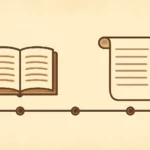
Because the Bible covers vast spans of time, scholars present a broad timeline rather than precise historic dates for most events. The following outline highlights major phases and turning points commonly discussed in scholarship and teaching:
Creation and the Primeval Narrative — The opening chapters of Genesis present a frame for the human condition, the goodness of creation, and the introduction of sin and brokenness into the world.
Early Patriarchs and Covenants — The stories of Abraham, Isaac, and Jacob establish God’s call, promises, and the formation of a people set apart for blessing and witness.
Sojourn in Egypt and the Exodus — The deliverance from slavery under Moses, the wilderness journey, and the formation of a people who would become a nation under God’s law.
Sinai, Law, and Settlement — The giving of the Law, the construction of a covenant community, and the ascent into a historical period of judges and later monarchs.
The United Monarchy — A unified kingdom under kings such as Saul, David, and Solomon, with temple worship, expansion, and national identity.
Division, Exile, and Return — The kingdom splits, prophets call for fidelity, the people face conquest and exile, and a remnant returns to rebuild under Persian sponsorship.
Intertestamental Period — Four centuries of cultural and religious development between the Old and New Testaments, setting the stage for the world in which Jesus lived.
Life, Death, and Resurrection of Jesus — The central event of the Christian narrative, interpreted by communities as the decisive act of redemption and reconciliation with God.
The Early Church — The apostles and early believers carry the message outward, write letters to communities, and establish practices that shape Christian worship and ethics.
Formation of the New Testament Canon — The process by which communities recognized authoritative writings that bore witness to Jesus and guided faith and conduct.
Today, readers explore this timeline with reference to archaeological findings, ancient Near Eastern literature, and the evolving interpretations of communities around the world. The broad arc—from creation to the church—highlights themes of covenant, faith, obedience, and hope that recur throughout both testaments.
Though the Bible spans many genres and voices, several themes emerge with striking continuity. The following motifs recur from Genesis through Revelation, guiding interpretation and practice in diverse communities.
Covenant and Promise — The language of covenant marks key commitments between God and humanity, establishing a framework for trust, obedience, and divine blessing.
Creation, Fall, and Restoration — The narrative arc begins with creation, proceeds through human rebellion, and points toward restoration and renewal promised by God.
Law and Wisdom — The law shapes community life, while wisdom literature invites discernment, humility, and practical living under God’s order.
Prophecy and Fulfillment — Prophets call for justice, repentance, and faithfulness, while later texts interpret these messages in light of the coming Messiah and God’s kingdom.
Sin, Salvation, and Grace — The human condition is depicted as brokenness healed through divine mercy, mercy that invites transformation and trust in God’s provision.
Public Justice and Personal Piety — The Bible calls for ethical action in society—care for the vulnerable, honesty in business, and justice rooted in righteousness—while also inviting personal devotion and worship.
Kingdom of God / Kingdom of Heaven — A central motif in Jesus’ teaching, pointing to God’s sovereign rule breaking into human history and transforming reality in surprising ways.
Faith, Hope, and Love — The trio that resolves much of the New Testament’s instruction, culminating in the ethical and eschatological visions of the church.
Worship and Prayer — From psalms to liturgical prayers, the Bible models and commands disciplines of prayer, praise, and corporate worship.
Identity and Community — The text repeatedly forms a people—whether Israel, the church, or both—as a witness to the world through worship, ethics, and mission.
These themes are not isolated to one section of the Bible; they weave a coherent but complex conversation across centuries. When you read a prophetic oracle, a psalm, or a gospel parable, you are engaging with strands of a much larger tapestry that centers on God’s relationship with creation and the invitation to participate in that relationship.
Guided Reading: How to Engage with the Bible from Beginning to End
Practical Approaches to Reading the Sacred Text
Approaching the Bible as a whole can be rewarding if you use a steady, thoughtful method. Here are practical steps that help readers engage deeply without getting overwhelmed:
Set a manageable plan. Consider reading a thematic overview first (e.g., major sections and genres) and then commit to a steady pace, such as a chapter a day or a few chapters per week.
Know the genres. Recognize when you are reading history, poetry, prophecy, gospel narrative, or epistolary writing. Each genre has its own rules and means of interpretation.
Pay attention to historical context. Understanding where, when, and why a text was written helps you interpret its messages more accurately.
Use a reliable study Bible or commentary. A good guide helps explain difficult passages, cultural references, and textual variants.
Compare translations. Reading a passage in a couple of translations can illuminate nuance and meaning that a single version may obscure.
Cross-reference themes. Track repeated motifs — covenant, justice, mercy, transformation — across books to see how the Bible develops its core ideas.
Practice reflective reading. Journaling insights, questions, and applications can deepen understanding and spiritual formation.
Different readers may pursue various ends: devotion, academic study, or spiritual formation. Regardless of the path chosen, the aim is to enter more fully into the narrative of faith, love, and service that the Scriptures invite.
The Bible in History and Culture: Its Impact and Reach
Beyond its religious significance, the Holy Scriptures have profoundly influenced law, ethics, art, literature, music, and politics. Historical notions of justice and human dignity have roots in biblical stories and commandments; poetic expression has been shaped by biblical imagery; and the practice of reading aloud in communal worship has helped preserve languages and cultures. The Church and other faith communities have relied on the Scriptures to articulate creeds, shape moral norms, and guide charitable work. In many societies, the Scriptures have inspired reform movements, social services, and educational institutions founded on principles of mercy, truth-telling, and care for the vulnerable.
Common Questions and Clarifications
As readers explore this wealth of literature, certain questions frequently arise. Here are concise answers to a few common concerns:
Why are there different canons? Different communities affirmed different books as authoritative based on religious experiences, theological emphases, and historical usage. This is why Catholic, Orthodox, and Protestant canons have some variances, especially regarding the Deuterocanonical books.
What about the order of the books? The order varies by tradition. The sequence often reflects an overarching narrative arc—from creation and covenant, through history and wisdom, to the life of Jesus and the church, and finally to prophecy and expectation of God’s rule.
How should I interpret difficult passages? Start with genre awareness, seek historical context, consult credible study resources, and consider the broader themes that emerge across the canon. Prayerful discernment and discussion with others can also aid understanding.
Is the Bible scientifically or historically definitive? The Bible contains historical narratives, poetry, and theology. It is not a science textbook, but it engages with history and geography in meaningful ways. Reading it alongside historical and archaeological scholarship can enrich comprehension.
Conclusion: A Lifelong Journey Through Sacred Texts
The Bible—from its earliest narratives in Genesis to the hopeful visions of Revelation—offers more than a checklist of stories. It presents a living conversation about what it means to know God, to belong to a community, and to participate in a just and merciful world. By approaching the Scriptures as a coherent yet diverse library, readers can appreciate how the Canon unfolds a remarkable drama: creation, fall, restoration, and the ongoing work of redemption that continues in communities across the globe today.
Whether you refer to it as the Bible, the Holy Scriptures, the Sacred Text, or the Good Book, engaging with these writings invites personal reflection, communal study, and moral imagination. The journey from Genesis to Revelation is not merely an academic exercise; it is a pathway that many people walk to discern faith, hope, and love in the ordinary and extraordinary moments of life. May this guide help you navigate the breadth of biblical literature and discover how its timeless themes resonate in your own life and in the life of the world today.








Leave a Reply