Bible Unleavened Bread: Meaning, History, and Significance in Scripture
Bible Unleavened Bread: Meaning, History, and Significance in Scripture
This article explores bible unleavened bread from meaning to history and its significance in scripture. By examining the biblical use, festivals, practical preparation, and later Christian interpretations, we gain a clearer picture of how this simple food became a powerful symbol in both ancient and modern faith life. We will use variations like bible unleavened bread, unleavened bread in the Bible, matzah, bread without leaven, and related terms to map the breadth of the topic.
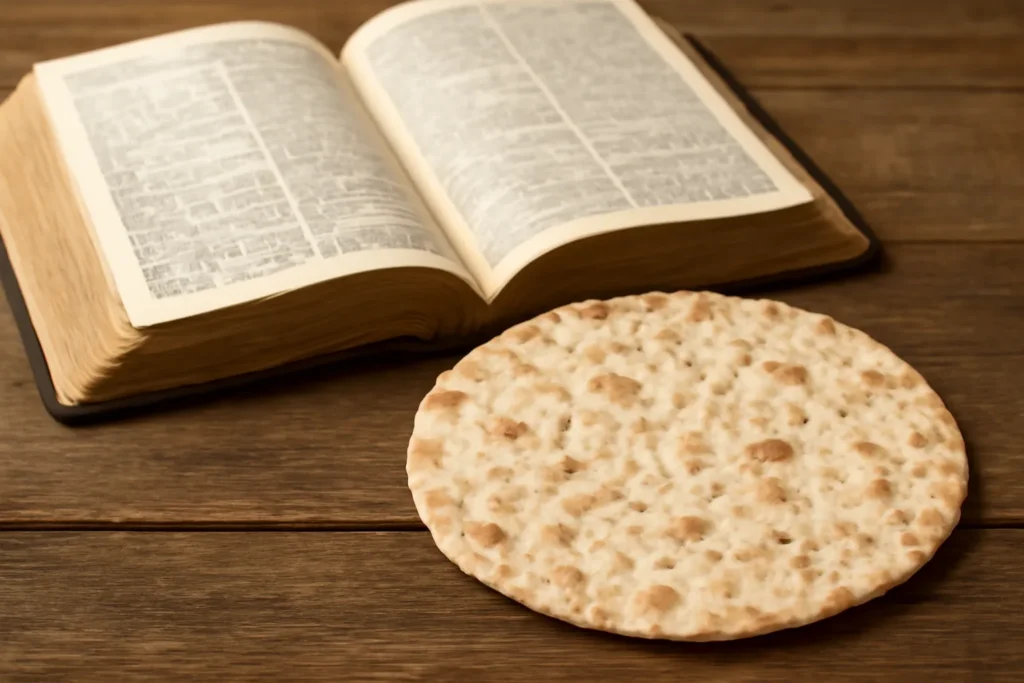
Unleavened bread is bread made without leaven or yeast. In biblical usage, it often accompanies instructions tied to immediate obedience, hurried travel, or ritual purification. The absence of leaven is not merely a culinary preference; in many contexts it signals a particular ceremonial or symbolic purpose. In the Hebrew Bible, the phrase lachmei matzah (bread of affliction) and the broader concept of leaven (hametz) carry theological as well as dietary weight.
Across biblical translations, you will encounter references to bread without leaven, unleavened wafers, and flat bread without risen dough. All these phrases point to dough that has not risen because there is no time for fermentation, or because the leavening agent has been avoided for religious reasons. In the biblical world, such bread was not an oddity but a deliberate choice tied to the rhythm of festival seasons, law, and memory.
Two broad strands emerge when we study bible unleavened bread as a concept: (1) ritual and festival bread used in worship and commemoration, and (2) the broader symbolism of bread that is not leavened—often linked to purity, haste, and deliverance. The same physical loaf can function in multiple ways depending on the text and the occasion.
Terminology and variations
To understand bible unleavened bread more precisely, it helps to note the vocabulary and cultural flavors involved. Some of the most common terms you will encounter include:
Matzah (or matzah) — the Hebrew term for unleavened bread, especially in the Passover context.
Lechem (bread) with qualifiers such as lachmei matzah (bread of matzah) and lechem oni (bread of affliction or poverty).
Bread of the Presence or Showbread — the twelve loaves set before the Lord in the sanctuary, a term that appears in Leviticus and related passages; some traditions treat these loaves as unleavened or as a form of holy bread.
Bread of Affliction — a phrase linked to the symbolism of the Passover and to the experience of slavery in Egypt, especially in biblical poetry and liturgy.
Unleavened wafers or flat bread — descriptive terms used in various translations when the bread is explicitly not risen.
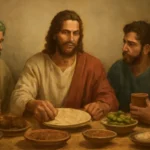
In Christian discussions, you will also see references to unleavened bread in the Last Supper or Eucharistic bread, where the bread is interpreted as a symbol of Jesus’ body. The linguistic question—whether the bread at the Last Supper was unleavened or not—often reflects broader historical and denominational views about first-century Jewish customs and early Christian practice.
Historical background and origins
The emergence of bible unleavened bread as a central symbol is tightly linked to the biblical narrative of deliverance from Egypt. The Israelites’ escape in haste during the first Passover implied bread that did not have time to rise. In Exodus 12, the instructions explicitly connect the Passover sacrifice with the eating of unleavened bread for seven days. The historical and agricultural backdrop includes:
The springtime date of the Passover season, aligning with the barley ripening cycle in ancient Canaan and Egypt’s calendar.
Symbolic associations with speed and readiness—the people had to depart quickly and could not permit dough to rise.
A ritual that later became codified in the Law, ensuring that households removed all leaven from their homes during the Feast of Unleavened Bread (Leviticus 23:5–6; Exodus 12:15–20).
In ancient Near Eastern practice, flatbaked breads were common in many communities due to the lack of time for fermentation or the absence of a reliable leavening process. The biblical authors, however, emphasize moral and liturgical significance that goes beyond cuisine, linking the food to covenant faithfulness and communal memory. The bible unleavened bread tradition is thus both a practical staple and a symbolic instrument in worship and identity formation.
Modern scholars also consider the political and social dimensions: the prohibition of hametz during Passover could serve to distinguish the people of Israel from neighboring groups and to rehearse the liberation story in a tangible, edible form. The simple loaf, eaten in households or in the temple precincts, became a recurring reminder of freedom, covenant, and the call to trust in God’s deliverance.
Old Testament background: Passover and the Feast of Unleavened Bread
The most explicit biblical framework for bible unleavened bread is tied to two major calendar events: the Passover feast and the Feast of Unleavened Bread. These are not merely dietary rules; they shape Israel’s memory of redemption and moral exhortations to personal purity.
Passover (Pesach) and unleavened bread
In Exodus 12, God commands the Israelites to slay the Passover lamb and to eat it with bread without leaven and bitter herbs. The timing—eating these foods at twilight, with readiness to depart—emphasizes immediate obedience and divine salvation. The ritual also includes the tradition of marking doorposts with the blood of the lamb, a sign of protection and group identity. The unleavened bread is part of a tightly choreographed set of practices that sanctify the moment of deliverance and bind the people to a shared narrative.
Feast of Unleavened Bread
Following Passover, the Feast of Unleavened Bread lasts for seven days. The biblical injunctions (Leviticus 23:6–8) require the people to eat unleavened bread during this period and to remove leaven from their homes. The festival is both a time of remembrance and ongoing holiness, blending memory with ritual discipline. In this way, bible unleavened bread becomes a liturgical rhythm that punctuates the year and reinforces communal fidelity to the covenant.
Unleavened bread in the tabernacle and temple context
In early Israelite worship, bread had a central place in sacrificial and liturgical life. The Bread of the Presence (also known as the Showbread) was placed on a table in the sanctuary. While the biblical text emphasizes the holiness of this bread and its rotation on the Sabbath, many scholars debate whether these loaves were strictly unleavened. Some translations and commentators treat them as unleavened offerings; others leave the matter open to interpretation based on ritual purity laws. Regardless of the precise leavening status, the showbread symbolizes daily divine proximity and the sustenance of the covenant community.
Other biblical passages point to the broader pattern of using unleavened bread in sacred contexts, including offerings that accompany the priestly service and certain festival rites. The overarching pattern is that bread in sacred spaces is recognized as more than sustenance; it is a material sign of fellowship with God, shared table fellowship, and a visible sign of covenant membership.
Symbolism and theological significance in scripture
Across biblical authors, bible unleavened bread becomes a rich symbol carrying several layers of meaning. The primary strands include deliverance, purity, obedience, and identity, with rich theological color added by later Christian reflections.
Deliverance and haste: The bread’s unleavened character reflects the haste of Israel’s departure from Egypt. It is a tangible reminder that God’s salvation comes swiftly and requires a responsive faith.
Poverty and vulnerability: The simple, unleavened loaf can symbolize the people’s vulnerability and dependence on God, as well as their shared memory of affliction.
Covenant faithfulness: Eating unleavened bread within the festival framework reinforces the people’s commitment to the covenant and to remembering God’s acts in history.
Purity and separation: The prohibition of leaven in certain contexts serves as a symbol of moral and ritual purity, separation from former practices, and a focus on holiness.
Jesus’ interpretation in Christian tradition: In Christian theology, the bread becomes an emblem of Jesus’ body given for believers. Passages such as Luke 22:19 and 1 Corinthians 11:23–26 connect the meal to a redemptive memory that transcends its original Jewish context.
In biblical poetry and prophetic literature, imagery of unleavened bread can appear in calls for repentance or in prophetic contrasts between fidelity and rebellion. The bread is thus a versatile symbol that anchors both daily life and cosmic horizon in the biblical imagination.
New Testament reflections and how Christians interpret unleavened bread
In the New Testament, the topic of bible unleavened bread becomes central in discussions of the Last Supper and the practice of the Eucharist. The Gospels describe Jesus sharing bread with his disciples as part of the Passover meal, and Paul’s letters develop the theological significance of this act for Christian worship.
Key verses include:
Luke 22:19 — Jesus takes bread, gives thanks, breaks it, and gives it to the disciples, saying, “This is my body given for you; do this in remembrance of me.”
Matthew 26:26 — a parallel account of Jesus instituting the Lord’s Supper with bread at the Passover meal.
1 Corinthians 11:23–26 — Paul recounts the communal practice, emphasizing remembrance of Christ’s sacrifice and the proclamation of his death until he comes.
Different Christian traditions treat unleavened bread in different ways. Some communities prefer unleavened wafers or flat bread as a symbol of Jesus’ sinless, perfect life and his sacrificial death. Others use ordinary bread (leavened or unleavened, depending on local custom) as the symbol in the sacramental meal. The theological thread common to all is that bread serves as a visible sign of grace and a means of community identity around the central event of salvation.
Scholars also note that Jesus’Passover setting would have reflected Jewish ritual practice of the time. The precise practice around leaven at the Last Supper is debated, but the connection between Passover, bread, and memory is clear. For Christians, the symbolism extends beyond a single historical event to a continuous practice of remembrance and proclamation of faith in Christ’s death and resurrection.
Practical aspects: what modern readers should know about unleavened bread
Today, bible unleavened bread appears in both Jewish and Christian contexts, as well as in secular discussions about biblical nutrition and ancient foodways. Here are some practical notes that help readers understand how unleavened bread is produced and used in contemporary settings:
Historical preparation: In ancient times, unleavened dough was often made from flour ground from grains such as wheat or barley, mixed with water, and baked quickly on hot stones or in simple ovens. The lack of leavening agent meant a flat, crisp loaf or a soft, cracker-like bread, depending on the method.
Modern formats: Contemporary matzah, commonly associated with Passover, is typically unleavened and can be very dry or crisp. Some communities produce matzah that is soft or lightly crisp, but the defining feature is the absence of fermentation.
Non-ritual contexts: Outside of festival or sacramental settings, many people simply use flat or tortilla-like breads labeled as unleavened for meals or cultural education about biblical traditions.
Scholarly cautions: When reading biblical passages about unleavened bread, it is important to distinguish between ritual instructions, historical practice, and symbolic interpretation, as these layers often overlap but do not always align perfectly across texts.
For households observing Passover, the ceremonial removal of leaven from the home, the prohibition of chametz (leaven), and the consumption of unleavened bread are all part of a carefully observed ritual that spans generations. For Christians, the symbolism of bread as a sign of life and sacrifice often translates into liturgical practice that emphasizes remembrance and thanksgiving.
Common questions about unleavened bread in the Bible
Readers frequently ask practical and interpretive questions about bible unleavened bread. Here are brief answers to some of the most common inquiries:
Was Jesus’ Last Supper unleavened bread? Answer: Many scholars contend the Last Supper was a Passover meal, where unleavened bread would be customary, but some argue that not all households used strictly unleavened bread at every Passover. The key point in Christian interpretation is the association of the bread with Jesus’ body and his command to remember him.
Is all biblical bread unleavened? Answer: No. The Bible uses bread as a broad term and describes various kinds of bread in different contexts. Unleavened bread is emphasized in the Passover narrative and in ritual settings, but other biblical passages mention regular bread as well.
What does hametz mean in biblical terms? Answer: In Hebrew, leaven (hametz) is not only a culinary agent but a symbol with moral and ritual associations. The removal of hametz during Passover signifies purification, renewal, and obedience to God’s law.
Why is unleavened bread a significant symbol for Jews? Answer: It marks deliverance from oppression, covenant faithfulness, and the ritual memory of freedom—fundamental themes in Jewish identity and theology.
Conclusion: the enduring significance of unleavened bread in scripture
Across the bible unleavened bread tradition, we discover a modest ingredient that carries extraordinary symbolic power. The loaf’s flat, simple form echoes the ancient people’s experience of escape, covenant, and daily dependence on God. It binds the material world—the bread on the table or the home’s doorstep—with the spiritual world of divine action and communal memory. Whether observed in the Passover Seder, during the Feast of Unleavened Bread, in temple liturgy, or in Christian sacramental life, unleavened bread functions as a tangible sign of faith: a reminder of God’s saving acts, of obedience and purity, and of the fellowship that sustains a people in covenant with their God.
For readers today, the study of bible unleavened bread invites careful reading of biblical passages, attention to historical context, and sensitivity to how different traditions interpret sacred meals. It also invites a broader reflection on how ordinary foods can become extraordinary symbols when placed in the service of communal memory, faith, and worship. In sum, the humble unleavened loaf stands as a sturdy thread through the biblical narrative—a reminder that God’s deliverance often comes through simple, faithful acts performed in trust and remembrance.







Leave a Reply