Unleavened Bread — Biblical Significance and Meaning Explained
elementos Unleavened Bread
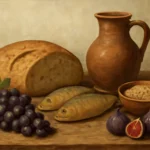
Unleavened bread is bread prepared without yeast or leavening agents, symbolizing purity, haste, and humility in biblical contexts. It is prominently associated with the Passover, representing the Israelites' quick departure from Egypt. In scripture, unleavened bread signifies holiness, simplicity, and the urgent need for spiritual readiness. Its use underscores themes of deliverance and divine intervention throughout biblical history.
The term 'unleavened bread' derives from Hebrew and Greek roots; in Hebrew, 'matzot' refers to unleavened cakes, emphasizing the quick preparation without leaven. The Greek equivalent, 'azymon,' also means unfermented, highlighting the absence of yeast. Over time, the concept evolved from a simple food item to a symbol of purity and divine obedience in biblical tradition, especially during Passover commemorations.
Key Bible Verses
Exodus 12:15
God commanded the Israelites to eat unleavened bread during Passover to remember their quick escape from Egypt, symbolizing haste and obedience.
This verse is key because it establishes the origin and significance of unleavened bread in the context of liberation and divine command.
Leviticus 23:6
Leviticus describes the festival of unleavened bread as a seven-day period during which no leavened bread is to be eaten, emphasizing holiness and purity.
This verse highlights the ceremonial aspect and its role in Israelite religious practices.
1 Corinthians 5:7-8
Paul refers to Christ as our Passover lamb and urges believers to keep the feast with unleavened bread, symbolizing sincerity and truth.
This helps connect the Old Testament practice to New Testament spiritual symbolism and Christian life.
Theological Significance
Unleavened bread carries deep theological significance, representing purity, holiness, and the approach to divine perfection. In the Old Testament, it symbolizes Israel's deliverance and God's holiness, while in the New Testament, it points to Christ as the unblemished Lamb who sanctifies believers. The concept underscores themes of redemption, renewal, and spiritual readiness, integrating the story of salvation from slavery to freedom. Its use bridges the Old and New Covenants, emphasizing God's ongoing plan of salvation and sanctification for His people.
Across Christian Traditions
Catholic and Orthodox traditions observe unleavened bread in the context of the Eucharist, especially during Passover, emphasizing its symbolic connection to Christ’s sacrifice. Many Protestant denominations see unleavened bread as a symbol of purity and the sinless nature of Jesus, often used during communion ceremonies. Evangelicals may stress its historical-biblical roots, while emphasizing personal faith and obedience. Each tradition recognizes its significance but may differ in ritual practice and theological emphasis regarding its meaning.
Application in Christian Life
Christians can apply the concept of unleavened bread by seeking purity in their daily lives, avoiding sin and hypocrisy. It calls believers to live with sincerity and humility, reflecting Christ's holiness. Practically, it can inspire fasting, spiritual discipline, and mindful reflection during communion. Additionally, it reminds believers to act quickly in obedience to God's commands and to maintain spiritual readiness at all times.
Unleavened bread is one of the oldest forms of bread known, dating back thousands of years, and was so central that it was the primary bread during the earliest Passover celebrations. Its significance as a symbol of haste and purity has persisted across millennia, influencing religious rituals worldwide.
Frequently Asked Questions
Why did the Israelites eat unleavened bread during Passover?
Because they left Egypt quickly and did not have time to let bread rise, symbolizing haste and obedience (Exodus 12:39).
What does unleavened bread symbolize in Christianity?
It symbolizes purity, sincerity, and Christ's sinless nature, especially during the Lord’s Supper (1 Corinthians 5:8).
Can unleavened bread be used in modern Christian rituals?
Yes, many churches use unleavened bread during communion to reflect its biblical roots and symbolic meaning of purity and sacrifice.

 Por Laura Jara