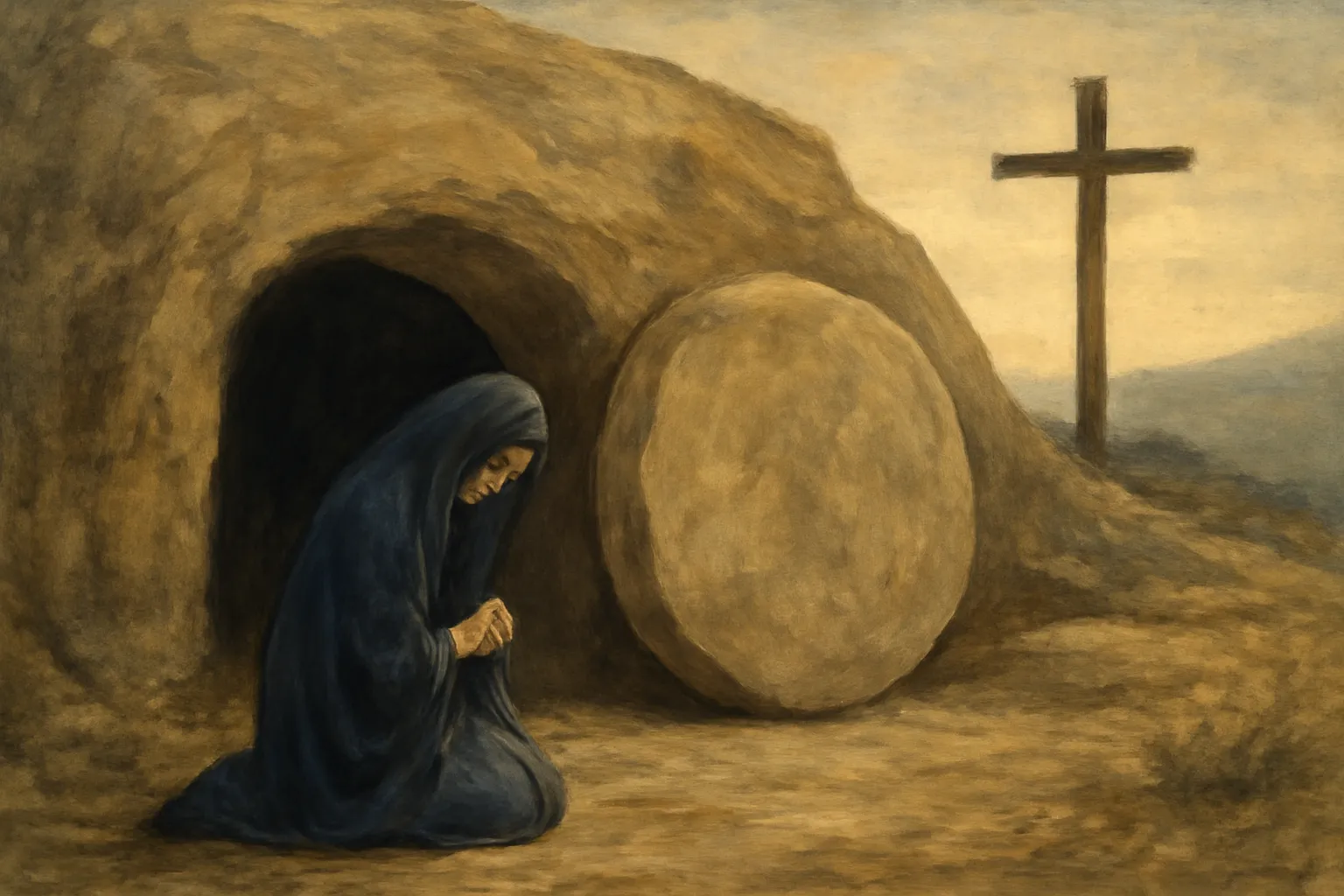
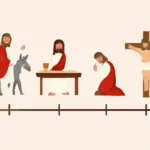
Holy Saturday, sometimes called the Sabbath of Holy Week, marks a unique pause in the arc of the Christian narrative: the sorrow of the crucifixion has passed, but the triumph of the Resurrection has not yet dawned. It is a day steeped in reverent anticipation, a time of reflection on the mystery of salvation, and an invitation to enter into silence, prayer, and preparation. Across Christian traditions, this day is observed with variations that reflect a shared theology: that the Son of God descended into the realm of death, conquered death, and prepared the way for the joy of Easter. This article explores the significance, meanings, and diverse observances of Holy Saturday, offering a window into how believers across the world commemorate the calm between the cross and the empty tomb.
At its core, the holy Saturday significance lies in the liminal space between betrayal and triumph, between Good Friday and Easter Sunday. It is a day that invites believers to contemplate:
Awaiting the Resurrection: The day is not merely a shadow of sadness; it is a deliberate pause in which the Church anticipates grace made manifest at the vigil and at dawn on Easter. The waiting itself becomes a form of prayer, a discipline of hope.
Descent into Hell (Harrowing of Hell): In traditional Christian theology, Christ’s death opened the gates of death for all humanity. On this day, scholars and faithful alike reflect on the mystery that Christ “descended to the dead” to set captives free and to wage a cosmic victory over sin and death.
Silence and sanctity: The world here is called to be still, to listen for God, and to remember that life’s most profound transformations often begin in quietness and reverence rather than in loud triumph.
Preparation for baptism and renewal: For communities that celebrate baptisms at Easter, Holy Saturday is the time when catechumens prepare to receive the waters of rebirth, and existing believers renew their baptismal promises as a sign of ongoing conversion.
Across traditions, the language of Holy Saturday significance emphasizes how darkness prepares the heart for light. The day frames a theological continuum: suffering is not the end, but a precursor to new life, and sorrow is transfigured by the promise of resurrection.
Traditional observances in Western Christianity
In the Western Christian tradition—including the Roman Catholic Church and many Protestant churches—the day culminates in the Easter Vigil, the great service that ushers in Easter Sunday. However, Holy Saturday itself remains a day of solemnity and liturgical movement, moving from afternoon into evening through several symbolic actions.
The Easter Vigil and the lighting of the Paschal candle
One of the most defining practices associated with this period is the lighting of the Paschal candle and the propagation of light into darkness. The sequence often unfolds as follows:
The night begins in darkness, a reminder of the tomb.
The priest blesses the new fire and lights the Paschal candle, a symbol of the Risen Christ, who is the source of light that overcomes darkness.
From this single flame, the lamps of the church are gradually lit, and the processional hymn Exsultet—the Easter Proclamation—shines as an ancient declaration of the Resurrection.
The candle is then carried into the darkened church, illuminating the faces of the faithful, signaling that Christ’s light has entered the world and shines in the hearts of believers.
In many communities, the Paschal candle remains lit throughout Easter Sunday, a visual reminder of the day when the light of Christ conquers death. The symbolism extends beyond the church building: families may carry small candles to symbolize their own reception of the light and their commitment to live as people of the Easter message.
Scripture readings and the Alleluia
Another central feature is the transformation of the liturgical vocabulary. The Alleluia, which has been set aside during Lent, is restored with exuberant joy at the Easter Vigil. The readings typically include salvation history—from creation, through the exodus, to the prophets’ longing for a new covenant, and ultimately to the Resurrection. For many worshippers, these proclamations are a catechesis in faith, tracing how God acted in history to bring about liberation and life.
Old Testament readings that anticipate liberation and fulfillment
Epistles that highlight the impact of Christ’s death and resurrection on the life of the Church
The Gospel account of the Resurrection and the life it imparts to all who believe
Baptismal renewal and reception into the Church
Holy Saturday and the Easter Vigil often feature the reception of new members or the renewal of baptismal vows for existing members. The immersion of catechumens into water or the sign of the cross with oil symbolizes being clothed with Christ and sharing in the death and resurrection. For those who have already been baptized, the vigil becomes a moment of recommitment, a conscious decision to live in the light of the Resurrection in the days ahead.
Prayers, hymns, and the spirit of vigil
Prayers during this time emphasize vigilance, gratitude, and trust in God’s promises. Hymns may speak of sleep and wakefulness, of the night that holds the world in prayer, and of the dawn when Christ rises as the firstfruits of life. The mood is contemplative yet hopeful, combining reverence for the crucifixion with anticipation of the Resurrection.
Practical aspects of observance in communities
In some parishes, the Easter Vigil unfolds after sunset on Holy Saturday, while in others it begins in the late afternoon and extends into the night. The order of service can vary, but the overarching arc remains: from darkness to light, from death to life. Some communities also arrange on Holy Saturday a quiet day of retreat or a period of fasting or abstinence to honor the day’s solemn character.
Observances in the Eastern Christian tradition
Holy Saturday is observed with its own distinctive rhythm in Eastern Orthodoxy and related Eastern Churches. The day is often described as Great Saturday, a title that signals its gravity and significance within the Holy Week cycle.
Silent hours and preparation for Pascha
In many Eastern communities, the day unfolds with prolonged periods of prayer, scripture reading, and devotional chanting. The focus is less on drama and more on solemn anticipation: the faithful sit with the mystery of death and the hope of life without yet declaring Christ’s victory publicly until the moment of Pascha (Easter). The preparations include careful liturgical pacing, with readings and hymns that direct the heart toward the sunrise and the coming resurrection.
A key doctrinal theme linked to Holy Saturday in Eastern theology is the Descent into Hades—the belief that Christ’s crucifixion and death not only resolved humanity’s broken relationship with God but also reached into the realm of the dead to liberate the righteous who had awaited salvation. This event is celebrated conceptually through iconography and liturgical mood rather than a dramatic public action during the day itself, but it informs the mood of the service and the heart’s hope in the community.
The midnight or early morning Paschal Liturgy
The climax in the East typically arrives at or near midnight when the Paschal Liturgy is celebrated. The Resurrection is proclaimed, often with the famous phrase “Christ is Risen!” proclaimed in many languages, followed by the distribution of light and the sharing of the paschal greeting. In many Orthodox churches, this moment is preceded by an exultant cry of victory and the “Leba dya” or similar liturgical shouts that accompany the liturgical renewal of life.
Symbolism that threads through Holy Saturday
Across the Christian world, several symbols anchor the meaning of holy saturday significance, creating a shared language that transcends individual traditions.
Darkness and light: The day’s emphasis on moving from darkness to light embodies the theological arc from death to life.
Silence and waiting: Silence is not emptiness but a deliberate spiritual posture that prepares the heart for the gift of grace.
Rituals of welcome: The lighting of the Paschal candle and the sharing of light across the assembly symbolize welcome into the life of the risen Christ.
Water and rebirth: Baptismal rites highlight the Liberating mystery of being joined to Christ’s death and resurrection.
Proclamation of the Resurrection: The joyful proclamation at Easter Vigil or Paschal celebrations asserts that death has been conquered and life restored.
Every Christian tradition has its own way of rendering the themes of Holy Saturday. These variations illuminate a common core: the day is about preparation, contemplation, and anticipation of the Resurrection.
In the Catholic Church, the Easter Vigil is the centerpiece of Holy Saturday, uniting Liturgy of the Word, the Sacrament of Baptism if needed, the Liturgy of the Eucharist, and the reception of the Baptismal candle. The vigil is a catechetical experience for the community, a dramatic pedagogy of salvation history that culminates in the Eucharist. In many Anglican and some Protestant communities, Holy Saturday is observed with a service of reflection and prayer and a vigil or meditative service, sometimes followed by an Easter Eve celebration. Across these traditions, the central motif is the interruption of ordinary time by a night of worship that culminates in the sunrise of Easter.
Eastern Christian communities emphasize the solemn unity of Holy Saturday with the entire Paschal cycle. The liturgical mood is intimate and solemn, often with long periods of chant and contemplation. The midnight or early morning Paschal Divine Liturgy is a high point, bringing together the themes of victory over death, the joy of the empty tomb, and the proclamation of the Resurrection in the face of night’s darkness. The day is also seen within the broader context of Holy Week as a continuous journey toward the Paschal feast, not a separate event.
Many Protestant traditions honor Holy Saturday as a day to practice repentance and hopeful expectation. Some communities hold a quiet service, a time for personal confession, and a reading of scripture tied to the crucifixion narrative and the promise of life beyond death. In Lutheran and Reformed circles, the day can be framed around the ongoing call to live out the implications of the cross and to anticipate the assurance of the Resurrection.
Liturgy, sacraments, and the renewal of the heart
The Paschal mystery—the core belief in Christ’s death and resurrection—receives fresh emphasis on Holy Saturday and the Easter Vigil. The sacraments associated with this time, especially Baptism and Baptismal renewal, reinforce the Christian identity as a people formed by grace and joined to Christ in his death and resurrection.
Liturgy of light, readings, and creed
The liturgical sequence, from the light of the Paschal candle to the proclamation of the Resurrection, binds readers to an ancient practice: hearing the story of salvation and confessing belief in the resurrected Lord. The Creed, recited or proclaimed in many communities, anchors the faith in the triune God and in the profession of the church’s faith across generations.
For candidates awaiting baptism, Holy Saturday provides a powerful moment of transition from catechesis to incorporation into the Body of Christ. Even when no new members are received, existing believers often renew their baptismal promises, reaffirming the commitment to live as children of the light and agents of grace in the world.
The cultural resonance of Holy Saturday
Beyond the liturgy, the day has a rich life in art, music, and family practice. Across cultures, communities express the themes of stillness, expectation, and new life in ways that reflect local traditions and languages.
Art and iconography: Images of tombs, gardens, and dawns illustrate the mystery of death and life and help worshippers picture the unseen realities of faith.
Music and chant: Hymns and chant sequences on Holy Saturday emphasize quiet longing and the transition to celebration, guiding the heart from lament to joy.
Fasting and feasting: Some communities mark Holy Saturday with a lighter fasting schedule or with a preparatory meal that ends with the Easter feast, echoing the rhythm of fasting before feasting in the Resurrection.
Family devotion: Families may light candles, recite scripture, and share prayers, weaving the day’s significance into daily life and family memory.
Contemporary reflections: making Holy Saturday meaningful today
In modern life, the spiritual invitation of Holy Saturday significance invites believers to cultivate stillness amid a noisy world, to practice hope when despair presses in, and to remember that life often emerges most vividly after moments of apparent interruption. People bring this ancient rhythm into present-day practice through:
Quiet time for prayer and Scripture reading, allowing space to inhabit the mystery of the tomb and the waiting of the faithful.
Acts of service: Small acts of mercy or volunteer work can reflect the resurrection’s call to new life in tangible ways.
Vigil and watch: Some households or communities hold personal vigils, staying awake in prayer in solidarity with the faithful in ages past who kept watch as the Lord slept in the tomb.
Reflection on mortality and hope: Holy Saturday offers a lens to contemplate mortality while anchoring hope in the reality of the Resurrection.
Whether you are part of a formal liturgical community or practicing personal devotion, here are practical ways to honor the day with depth and reverence:
Set aside time for stillness: Create a window of quiet in the afternoon or evening for prayer and contemplation.
Read scripture related to the day: Passages about Jesus’ death and the anticipation of the Resurrection help anchor the day’s mood.
Light a candle and reflect on Christ as light breaking into darkness.
Pray for the renewal of your baptismal vows or, if applicable, prepare for baptism at Easter.
Discuss the meaning of hope and transformation with family or faith community, connecting ancient beliefs to contemporary life.
This section clarifies common questions about the day, its date, and its relationship to other Holy Week events.
Why is Holy Saturday considered a day of preparation? Because it sits between the crucifixion and the Resurrection, inviting believers to reflect on the mystery of salvation and to anticipate the joy of Easter.
What is the difference between Holy Saturday and Easter Sunday? Holy Saturday is the day of waiting and liturgical preparation, culminating in the Easter Vigil and the celebration of the Resurrection on Easter Sunday.
Do all Christian traditions observe Holy Saturday? Most Christian traditions honor Holy Saturday in some form, though the specific rites and emphasis vary widely between Western and Eastern churches.
Is baptism required on Holy Saturday? Not required, but many communities celebrate baptism or renewal of baptismal vows during the Easter Vigil, making Holy Saturday a particularly meaningful time for initiation and renewal.
The enduring gift of holy saturday significance lies in its invitation to endure the night with faith that dawn will come. It is the quiet that prepares the heart for a proclamation that transcends human limits: life conquers death, love overcomes fear, and grace awakens all creation to a new chapter. In every tradition, the day calls Christians to participate in the mystery of the Resurrection—first in prayer, then in worship, and finally in the renewed living that Easter bestows. The day’s paradox—mourning and expectant joy—remains a powerful reminder that the Christian story is not a momentary triumph but a transformed existence, made possible by the life, death, and resurrection of Jesus Christ.

 Por Laura Jara