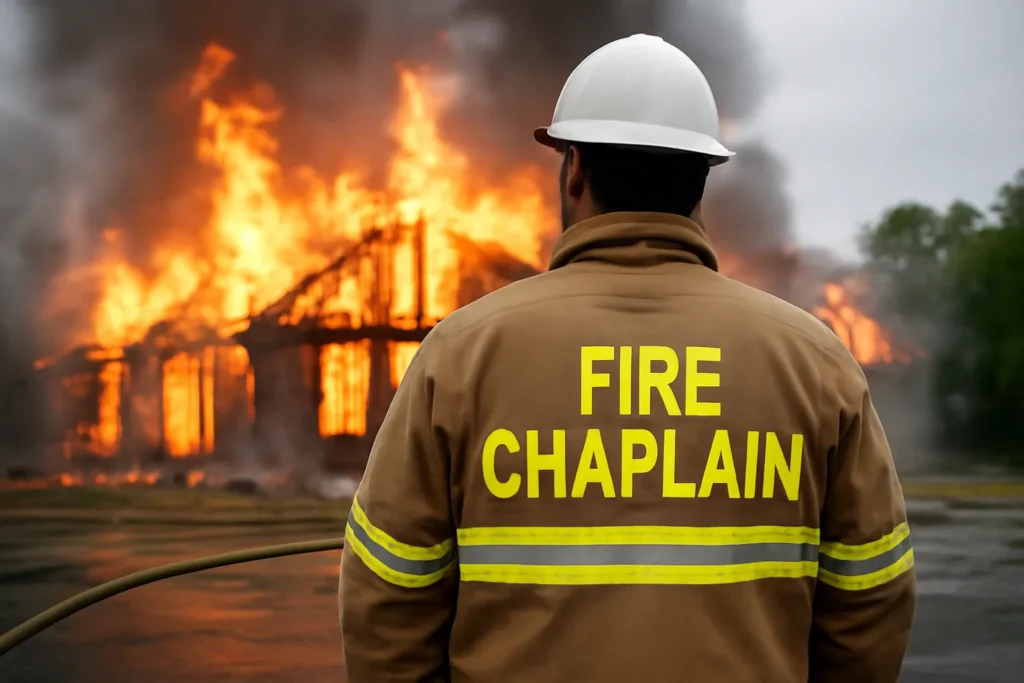
The fire chaplain role represents a unique intersection of faith, mental health, and public safety. In many fire departments and emergency medical systems, chaplains are integrated as trusted members of the incident response and humanitarian care framework. They are not the primary responders to technical fires or medical crises, but they provide a critical human dimension to the work of firefighters, rescue squads, and other emergency responders. Across jurisdictions, the on-scene presence of a trained chaplain can help sustain crew morale, assist families touched by disaster, and coordinate spiritual or emotional support that respects a broad spectrum of beliefs. This role, often referred to as the fire service chaplain, the emergency services chaplain, or the department chaplain, emphasizes compassionate care, ethical practice, and collaborative problem solving in high-stress environments.
In the setting of a modern fire department, the fire department chaplain does not replace clinical mental health professionals or religious leaders in their own domains. Instead, the purpose-built function focuses on pastoral care, crisis intervention, grief support, and community outreach. The role is designed to be adaptive: a chaplain may respond to a single critical incident, serve ongoing spiritual care in a firehouse, or coordinate resources for families in the wake of tragedy. Whether the context is a routine station visit, a major disaster response, or a ceremonial farewell for a fallen firefighter, the chaplaincy within the fire service aims to embody presence, listening, and practical assistance tailored to the needs of responders and civilians alike.
Duties and responsibilities
The core duties of the fire chaplain role span on-scene support, in-house care, and community engagement. Responsibilities are intentionally multidisciplinary, reflecting the collaborative nature of emergency services. The following subsections highlight primary areas where the chaplain’s skills are mobilized.
On-scene spiritual and emotional support
On-scene chaplains provide immediate spiritual care and emotional first aid to responders and victims. They offer a calm, nonjudgmental presence, listen actively to fears and grief, and help triage immediate psychosocial needs. Key elements include:
Providing calm reassurance and a stabilizing presence during chaotic scenes.
Facilitating brief, practical discussions about coping strategies and immediate needs.
Assisting with family liaison when a loved one is injured, missing, or deceased, including notification and next steps.
Coordinating with other responders to ensure that spiritual or cultural practices are respected where possible.
Post-incident care and crisis response
After a critical incident, the emergency services chaplain or fire service chaplain often participates in debriefings, critical incident stress management (CISM) processes, and referrals to mental health resources. Roles in this phase may include:
Offering trauma-informed care that recognizes the impact of trauma on responders and families.
Conducting follow-up check-ins with individuals or units most affected by the event.
Providing or arranging grief counseling and memorial planning support for families and crews.
Documenting needs and coordinating with fire department leadership on wellness initiatives.
Pastoral care and confidential counseling
A prime responsibility of the fire department chaplain is to offer confidential, non-threatening counseling that respects diverse beliefs. While a chaplain may come from a particular faith tradition, the on-duty role is often to provide interfaith spiritual care or secular existential support as requested. Typical activities include:
One-on-one conversations with firefighters, EMS personnel, and their families.
Assistance with moral and ethical questions arising from difficult calls or work-life balance challenges.
Guidance on building resilience, coping strategies, and healthy self-care routines.
Brief non-judgmental conflict mediation when interpersonal tensions emerge within teams.
Family liaison and community engagement
Fire chaplains often serve as a bridge between the department and the community. Their duties in this domain can include:
Serving as a trusted point of contact for families during crises, including hospital visits and notification of outcomes.
Coordinating with funeral homes, memorial services, and commemorations for fallen members.
Organizing or supporting community outreach programs that address trauma, fire safety, and resilience.
Participating in interagency exercises and public safety education that emphasize human-centered care.
Administrative duties and program development
In many departments, the fire chaplain role includes administrative and programmatic tasks. These may involve:
Maintaining confidential records and ensuring compliance with legal and ethical standards.
Developing and delivering wellness programming, training for responders, and ignition of peer-support networks.
Collaborating with peer support teams, mental health professionals, and faith community leaders to expand services.
Participating in budgeting, resource allocation, and evaluating mission impact.
Interagency collaboration and ethics
Collaboration with other first responders, hospitals, law enforcement, and disaster agencies is a hallmark of the fire service chaplain function. Ethical practice requires:
Respecting confidentiality while complying with mandatory reporting when safety concerns arise.
Maintaining professional boundaries and transparency in roles with both responders and families.
Providing services equitably and without discrimination across faiths, cultures, and backgrounds.
Engaging in ongoing professional development to stay current with best practices in crisis intervention and spiritual care.
Training, education, and credentials
Preparation for the fire chaplain role typically involves a blend of religious formation, secular counseling training, and department-specific readiness. While paths vary by jurisdiction and organization, several common elements describe a robust pathway toward serving as a department chaplain.
Religious or spiritual leadership foundations
Most chaplains come from a background in theology, ministry, or pastoral care. Typical prerequisites include:
A degree from an accredited seminary or divinity school (Master of Divinity is common).
Candidacy for ordination or credentialing within a religious tradition, or demonstrated spiritual leadership in a lay capacity.
Strong grounding in ethical conduct and confidentiality.
Clinical and crisis-intervention training
Because the work intersects with mental health and crisis response, formal training in counseling and trauma is highly valued. Key components often include:
Coursework or certification in trauma-informed care, grief counseling, and crisis intervention.
Participation in or certification through programs like CISM (Critical Incident Stress Management) or equivalent local frameworks.
Practical experience in listening skills, de-escalation techniques, and referral protocols.
Fire service orientation and departmental integration
A chaplain entering a fire department environment often completes specific training to ensure effective integration with responders and adherence to department policies:
On-site ride-alongs or observation shifts to understand daily routines and hazards faced by crews.
Fitness, safety, and operational briefings that align with fire service culture and protocols.
Familiarization with incident command systems, radio communications, and standard operating procedures.
Training in confidentiality, record-keeping, and ethical decision-making in emergencies.
Ongoing professional development
The field values continuous learning. Ongoing pursuits may include:
Annual or biennial retreat and reflective supervision with peers or senior chaplains.
Workshops on multifaith support, cultural competence, and inclusive care.
Specialized courses on managing grief for firefighters, rescuers, and families affected by disasters.
Participation in national or regional chaplain associations to share best practices and resources.
Certification expectations and credentialing
While not every jurisdiction requires a formal chaplain certification, many departments prefer or require recognized credentials. Typical pathways include:
Certification from a recognized chaplain association or board tailored to emergency services.
Verification of denominational or ecumenical endorsement, when applicable.
Evidence of ethics training and a clear record of professional conduct.
Career paths and progression
The career arc for someone pursuing the fire chaplain role can vary significantly across jurisdictions, but several common trajectories emerge. Many chaplains begin as volunteers or part-time staff before moving into full-time, integrated positions within a fire department, EMS system, or disaster response organization.
Entry points: volunteer and adjunct chaplaincy
Many people begin their journey as volunteer chaplains, offering limited hours to gain experience and establish credibility. This early phase emphasizes:
Building rapport with local fire stations and responders.
Participating in community outreach and support initiatives.
Gaining familiarity with the rhythms of emergency services and the cadence of shifts.
Paid employment and department integration
A common progression involves securing a paid position as a fire department chaplain or as part of an emergency services spiritual care team. Responsibilities expand to:
Regular on-site coverage, including after-hours responses for critical incidents.
Strategic involvement in wellness programs, peer support, and fitness for duty initiatives.
Leadership in crisis response planning and family assistance services.
Senior roles: leadership, coordination, and program management
With experience, a chaplain may transition into roles such as regional chaplain supervisor, director of chaplaincy programs, or training and outreach coordinator. In these capacities, the professional:
Oversees multiple stations or agencies, ensuring consistent care standards and protocols.
Designs and implements wellness initiatives that address burnout, moral injury, and resilience.
Represents the program in interagency meetings and public safety planning sessions.
Alternative pathways and related roles
The fire chaplain role is often interconnected with other care professions and community service roles. Some alternates include:
Serving as a hospital chaplain with a focus on trauma and critical care, then bridging to emergency services.
Working as a disaster response chaplain deployed by faith-based organizations or government programs.
Engaging in academic or professional writing, teaching, or consulting on crisis intervention and spiritual care in public safety contexts.
Interdisciplinary collaboration and ethical practice
A defining feature of the fire service chaplain is collaboration. The role requires working alongside firefighters, EMS personnel, police investigators, hospital staff, and social services. Ethical considerations are central to maintaining trust and effectiveness.
Collaborative workflows
Chaplains integrate into incident command structures when needed and support unit-level welfare efforts. Typical collaboration includes:
Coordinating with peer support teams and mental health professionals for ongoing care.
Participating in after-action reviews to identify wellness needs and opportunities for improvement.
Partnering with community faith leaders and organizations to extend support networks.
Confidentiality, boundaries, and professional ethics
Ethical practice is foundational. The chaplain must balance confidentiality with safety obligations and legal requirements. Core ethical principles include:
Respecting confidentiality while recognizing exceptions where mandated by law or safety concerns.
Maintaining clear boundaries to preserve trust and prevent role confusion between spiritual guidance and clinical advice.
Providing services with cultural competence and sensitivity to diverse religious and secular worldviews.
Respectful care across diverse communities
The fire chaplain’s work often takes place in communities with varied religious beliefs, secular worldviews, and culturally specific practices. An effective emergency services chaplain demonstrates:
Active listening that accounts for different faith traditions and secular values.
Adaptability in offering pluralistic, inclusive support options.
Advocacy for access to resources that reflect community needs and preferences.
Case studies: real-world scenarios illustrating the fire chaplain role
To illustrate how the fire chaplain role functions in practice, consider a few representative scenarios. These vignettes highlight typical responsibilities, ethical choices, and collaboration patterns.
Scenario 1: On-scene crisis at a residential fire
A residential fire forces a family to evacuate abruptly. The on-scene fire service chaplain offers immediate emotional comfort to the family and coordinates with responders to ensure safe, private space for discussions. They may:
Provide crisis counseling to distraught family members and help with temporary housing referrals.
Assist with notifying relatives and arranging transportation to the hospital if a loved one is injured.
Document immediate needs and connect with social services for follow-up support.
Scenario 2: Post-incident debrief and crew wellness
After a major incident with multiple fatalities, the department calls on the emergency services chaplain to facilitate a CISM session and follow-up care for responders. In this role, the chaplain:
Leads a structured debrief focusing on emotional processing and resilience.
Coaches peer supporters and identifies responders who would benefit from one-on-one counseling.
Ensures resources are available for ongoing wellness activities and reduces stigma around seeking help.
Scenario 3: Community outreach and youth engagement
Beyond responses to emergencies, a fire chaplain may lead community wellness initiatives, such as school visits, youth programs, or faith-based partnerships that enhance fire safety and resilience. Activities may include:
Delivering talks about stress management, healthy coping strategies, and safety planning.
Collaborating with local congregations and organizations to provide after-care resources for families affected by fires.
Facilitating dialogues about moral injury, ethics in emergency work, and the role of spirituality in recovery.
Impact, benefits, and long-term value
The fire chaplain role delivers a range of benefits that extend beyond individual care. When integrated effectively, chaplaincy programs contribute to:
Resilience and mental health preservation among responders, reducing burnout and turnover.
Enhanced crew cohesion and morale through consistent, compassionate leadership in high-stress moments.
Improved community trust and collaboration with public safety institutions.
Holistic post-incident recovery pathways for families and communities affected by crises.
While the role is deeply rewarding, it also carries demands. The on-call nature of many shifts, exposure to trauma, and the need to navigate diverse belief systems require ongoing self-care, supervision, and professional growth. A well-supported fire service chaplain culture emphasizes peer support, reflective practice, and a commitment to ethical standards that honor both responders and the communities they serve.
As you explore the fire chaplain role, familiarity with core terms helps communicate expectations and responsibilities across teams. Some frequently used concepts include:
Pastoral care: The provision of spiritual support, comfort, and guidance tailored to individual beliefs and needs.
Trauma-informed care: An approach that recognizes the impact of trauma and emphasizes safety, trust, and empowerment.
Confidentiality: Maintaining privacy about discussions with responders and family members, with legally defined exceptions.
Critical Incident Stress Management (CISM): A structured response to traumatic events designed to minimize the psychological impact on responders and bystanders.
Multifaith and secular care: Services that honor diverse religious traditions while also providing meaning-centered support for non-religious individuals.
Practical considerations for departments and communities
Implementing a successful fire chaplain program requires thoughtful planning, resource allocation, and ongoing evaluation. Departments considering the addition or expansion of a chaplaincy program should reflect on several practical factors.
Program design and scope
Decisions about who serves, how often, and in what settings determine the program’s impact. Important elements include:
Defining the scope of services (on-scene care, in-house support, community programs, memorials, etc.).
Establishing clear boundaries and referral pathways to mental health professionals when needed.
Ensuring access to resources for families and responders across shifts and stations.
Budgeting, staffing, and sustainability
A sustainable model depends on funding, staffing, and governance structures. Considerations include:
Budgeting for compensation, training, travel, and continuing education.
Staffing models that balance full-time, part-time, and volunteer contributions.
Performance metrics, outcomes tracking, and regular program reviews to demonstrate impact.
Community relations and transparency
Transparency with the public and stakeholders helps communities understand the value of spiritual and emotional support within emergency services. Best practices include:
Public information about the availability of chaplain services in emergencies and disasters.
Collaboration with faith communities, schools, and civil society organizations for outreach and resilience-building.
Respect for religious diversity and the rights of individuals to decline spiritual care if they prefer.
Frequently asked questions about the fire chaplain role
Here are some common queries that arise when considering the fire chaplain role or evaluating such positions within a department.
What distinguishes a fire chaplain from other chaplains?
The difference lies primarily in the integration with emergency services, the on-scene and operational context, and the focus on responder wellness alongside family support and community outreach.
Is formal clergy required?
Not always. Some programs require clergy or pastoral credentials, while others may accept lay leaders with sufficient training in pastoral care and crisis intervention.
How is confidentiality handled in emergency settings?
Confidentiality is essential but may be subject to legal and safety considerations. Chaplains are trained to navigate these boundaries carefully and ethically.
What career opportunities exist beyond serving as a department chaplain?
Potential pathways include regional leadership roles, disaster response coordination, academic teaching, clinical chaplaincy in hospitals, or national program development for emergency services.
The fire chaplain role is a resilient and adaptive career path that blends spiritual care, psychological support, and practical assistance to those who face peril, trauma, and loss in the line of duty. It requires a blend of empathy, professional discipline, and the willingness to collaborate across diverse teams. For individuals who seek to make a tangible difference in the lives of responders, families, and communities, this vocation offers meaningful work, continuous learning, and the chance to contribute to collective healing in times of crisis.
Whether described as fire service chaplain, emergency services chaplain, or department chaplain, the position embodies a commitment to human dignity under pressure. It is a role built on listening, presence, and service—an enduring reminder that in moments of danger, people rely not only on equipment and protocols but also on compassionate care that connects hearts and communities.
If you are considering a path toward becoming a fire chaplain or are evaluating how to strengthen a department’s chaplaincy program, start with a clear assessment of needs, a plan for training and supervision, and strong partnerships with faith communities, mental health professionals, and public safety leadership. The work is demanding, yes, but the rewards—expressed in safer crews, steadier families, and more resilient neighborhoods—are profound and enduring.










Leave a Reply