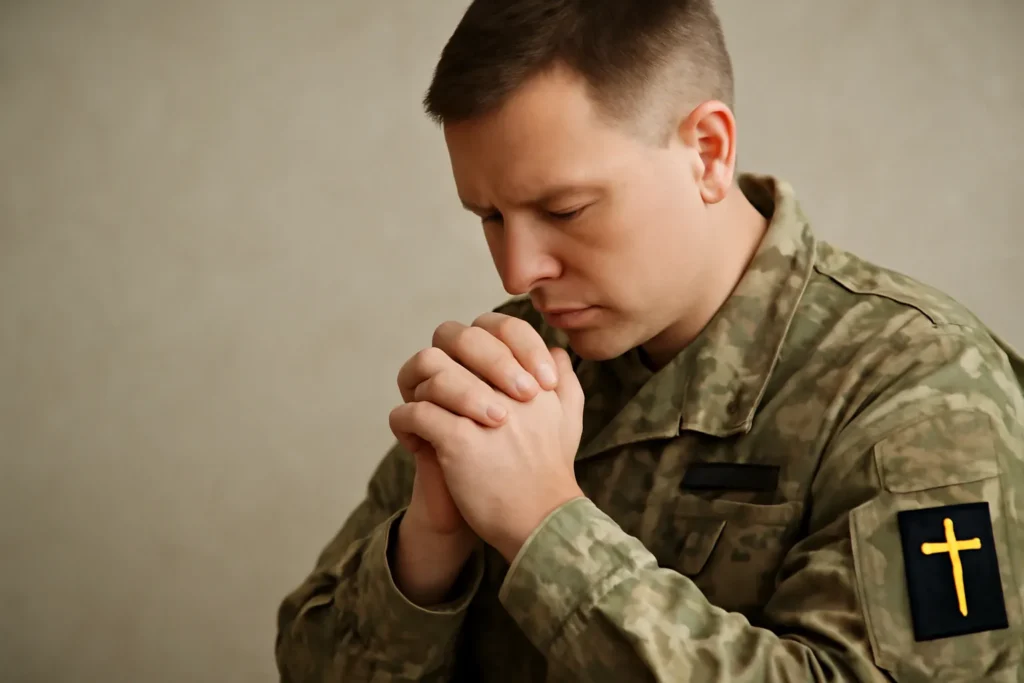
A military chaplain is a clergy member who serves as a noncombatant officer in the armed forces, providing spiritual guidance, pastoral care, and religious services to service members and their families. Chaplains come from a broad spectrum of faith traditions and are responsible for meeting the religious and moral needs of personnel in peacetime, during deployments, and in garrison environments. They also help commanders address ethical and morale concerns, offer counseling, lead worship, perform rites of passage, and assist with crisis response and bereavement support.
Across the different branches—Army, Navy, Air Force, and Marine Corps—the core mission is similar, but the organizational structure and day-to-day duties can vary. Chaplains collaborate with lay leaders, military doctors, social workers, and installation chaplain assistants to deliver comprehensive spiritual care. Because chaplains are protected under international law as noncombatants, their role focuses on the welfare of personnel rather than engaging in combat activities.
This article provides a thorough overview of military chaplain requirements, including eligibility criteria, training pathways, and practical steps to pursue a career as a chaplain in the armed forces. It also highlights the ways in which faith traditions interact with military policy, the importance of endorsement by a recognized religious organization, and the distinct tracks available for active-duty and reserve components.
Eligibility Requirements for Military Chaplains
The opportunity to become a military chaplain typically requires meeting a set of core prerequisites. While there are some service-specific nuances, the common threads across branches center on spiritual leadership, professional credentials, and the ability to obtain a security clearance and an officer’s commission.
Endorsement by a Recognized Religious Organization
A foundational requirement is endorsement from a legitimate, established religious organization. The endorsing body—often a diocese, denominational council, or equivalent national or regional religious authority—must vouch for your character, theological soundness, and fitness to serve at the level of a military officer. The endorsement process typically involves background checks, interviews, documentation of ordination or consecration, and evidence of ongoing spiritual leadership.
The endorsement is not merely a formality; it is the formal recognition that you meet the standards for religious leadership in the armed forces. Endorsing bodies differ by faith tradition, but across traditions the endorsement typically remains valid for the duration of service, subject to revalidation and periodic review.
Ministerial Credentials and Ordination
Prospective chaplains generally must have completed the formal initiation of religious leadership in their faith community. This often means ordination or an equivalent rite of installation that confers recognized authority to provide pastoral care and lead religious rites. Ordaining credentials demonstrate a sustained commitment to ministry and are usually paired with the endorsement described above.
In addition to ordination, many branches require active clergy status and ongoing clergy responsibilities within a recognized congregation or faith-based organization. The exact status is determined by the endorsing body and the service branch.
Educational Credentials
A standard requirement is the completion of an accredited graduate theological education. The conventional credential is a Master of Divinity (M.Div.), though some programs accept an equivalent degree such as a Master of Sacred Theology (STM), Master of Theology (Th.M.), or a Doctor of Ministry (D.Min.) when paired with the appropriate ministry credentials. The education should include substantial coursework in pastoral care, theology, ethics, and seminary-based practical ministry.
Seminary training is typically complemented by supervised field education, which helps candidates develop pastoral counseling, worship leadership, and crisis response skills. In many programs, there is an emphasis on interfaith education and the ability to serve diverse religious populations, which is especially important in a pluralistic military environment.
Most services expect candidates to have a meaningful period of pastoral leadership and community involvement beyond basic seminary formation. Typical expectations include several years of ordained ministry or equivalent ministry leadership, visible in congregations, chaplaincy internships, or other recognized religious institutions. The exact minimum experience varies by service, but a substantial track record of ministry demonstrates readiness for the responsibilities of a military chaplain.
Citizenship, Security, and Background
A common requirement is U.S. citizenship and the ability to obtain and maintain a U.S. government security clearance. Chaplains must be able to participate in sensitive environments and collaborate with diverse units, so a thorough background investigation is standard. Any past legal or disciplinary issues are weighed carefully, and candidates must show evidence of moral character and ethical conduct.
Age, Health, and Fitness
Service branches typically set an age range for applicants seeking active-duty commissioning as chaplains. While exact ceilings can differ, many programs target late 20s to mid-40s at the time of commissioning. You should also meet medical and physical fitness standards, as military chaplains are commissioned as officers and must pass a medical examination and ongoing health assessments. A clean medical history, mental health stability, and the ability to meet military physical readiness requirements are important.
Nominal Proficiency in English and Communication Skills
Given the role’s heavy emphasis on counseling, teaching, and interfaith dialogue, strong communication skills in English are essential. Some faith traditions may require proficiency in additional languages for deployment contexts, but the core expectation is clear, compassionate, and effective communication with service members, their families, and leadership.
Compliance with Pluralism and Ethics Standards
Because chaplains serve members of many faiths, a commitment to religious neutrality and ethical care is critical. Chaplains must be able to respect diverse beliefs, provide inclusive worship and rites, and avoid proselytizing in the workplace. This ethical stance is central to the military chaplain’s mission and is reinforced during training and endorsement.
Training Pathways and Education for Chaplains
Training for military chaplains blends theological education, practical ministry, and military-specific preparation. The pathway often includes multiple stages: graduate-level seminary study, supervised ministry, chaplain-specific training, and commissioning as an officer. The details may differ by service branch, but the following elements appear across most programs.
Graduate Education and Theological Seminary
The cornerstone is a graduate-level theological degree from an accredited seminary or divinity school. A typical program lasts three to four years for an M.Div., with additional time for field education components and internship experiences. Coursework covers biblical studies, systematic theology, pastoral care, worship leadership, ethics, and church history. Strong emphasis is placed on practical ministry—how to counsel service members in times of crisis, how to lead worship in diverse settings, and how to operate within military culture.
Some candidates pursue dual degrees or post-graduate specialization (for example, a Master of Arts in Pastoral Counseling) to enhance mental health and resilience support capabilities. The goal is to prepare chaplains to address the complex needs of modern armed forces—combat stress, grief, moral injury, family life, and transitions from duty to civilian life.
Clinical Pastoral Education (CPE) and Field Education
A core practical requirement for many programs is Clinical Pastoral Education (CPE), which provides supervised clinical experience in real healthcare or military settings. CPE teaches the art of listening, crisis intervention, and culturally competent care. It often involves documenting reflective practice, receiving feedback from supervisors, and demonstrating the ability to respond to spiritual and emotional distress under pressure.
In military contexts, CPE experience may be gained in civilian healthcare facilities, VA hospitals, or military medical facilities. The emphasis is on interdisciplinary collaboration with medical staff, social workers, and mental health professionals to support the overall well-being of service members.
Pre-Commissioning Programs and Track Options
Many services offer a structured path for candidates to transition from civilian clergy to military chaplains. These tracks may include:
Chaplain Candidate Program (CCP) or equivalent avenues for students or early-career clergy to gain exposure to military life before full commissioning.
Reserve or National Guard tracks that allow part-time service, enabling chaplains to continue civilian ministry while completing military training.
Direct commissioning routes for those with substantial pastoral experience or specialized training relevant to military needs.
These pathways are designed to align a candidate’s pastoral expertise with the unique demands of military ministry, including crisis intervention, ethical leadership, and cross-cultural sensitivity.
Commissioning as a Military Chaplain
Becoming a military chaplain involves a formal commissioning process that integrates religious endorsement, academic credentials, medical clearance, and military officer training. The exact steps can vary by service, but the general sequence is consistent across branches.
The Commissioning Process
The typical process includes: verification of eligibility, securing the endorsing organization’s approval, completing the DoD medical examination, and then entering the appropriate officer accession program (such as a basic officer course). After commissioning, chaplains receive specialized ministry training tailored to the military context and may be assigned to units, installations, or overseas deployments.
Commissioned chaplains become officers in their branch, with responsibilities that extend beyond spiritual care to include leadership, ethics instruction, and collaboration with commanders on religious and moral welfare matters.
Officer Training and Initial Entry
The initial officer training experience familiarizes new chaplains with military culture, military law, and the constraints and allowances of the uniformed profession. In many cases, chaplains attend an abbreviated or specialized entry program that focuses on the chaplain’s unique role, the regulatory framework governing religious support, and the guidance for conducting religious services that respect the rights and beliefs of all service members.
Career Tracks and Service Differences
Chaplains serve in every branch of the U.S. armed forces, and while the mission is consistent, there are variations in structure, deployment patterns, and post assignments. Understanding these differences helps prospective chaplains tailor their preparation and expectations.
In the Army, chaplains are often assigned to divisions, brigades, or installation posts, with responsibilities ranging from conducting worship services to advising commanders on ethical and religious welfare matters. The Army extends opportunities in both active-duty and reserve components, with the Reserve component enabling part-time service while maintaining civilian careers.
Navy and Marine Corps chaplains serve aboard ships, aviation units, and shore installations, with a strong emphasis on multi-faith ministry and compatibility with maritime culture. The Navy approach often includes integrated shore commands and hospital chaplaincy, while Marine Corps chaplains focus on expeditionary settings, training environments, and close coordination with combat units—as allowed by policy and noncombatant status.
Air Force and Space Force
Air Force chaplains work on bases, wings, and space operations facilities, delivering services across time zones and deployment cycles. The Air Force includes opportunities for online or small-unit worship services, air base hospital ministry, and support for families who rotate through bases around the globe.
Endorsing Bodies and Faith Traditions
The breadth of endorsing organizations reflects the religious diversity within the military. Major traditions include Christian denominations, Jewish denominations, Muslim communities, Buddhist and Hindu organizations, and Indigenous faith groups. For each tradition, the endorsement process and criteria may have unique aspects, but the overarching requirement remains consistent: a credible religious authority must stand behind the candidate’s fitness to lead and care for service members in uniform.
How to Begin: A Step-by-Step Guide
For anyone considering a career as a military chaplain, a structured plan can clarify the path from civilian ministry to active service. The following steps outline a practical approach that emphasizes preparation, alignment with an endorsing body, and a clear commissioning trajectory.
Assess your calling and eligibility by reviewing doctrinal compatibility with your faith tradition, your ministry experience, and your willingness to serve in a military environment. Check the basic eligibility criteria described above and confirm that you meet the essential prerequisites.
Identify and contact your endorsing organization early in the process. Gather information about endorsement requirements, documentation, and timelines. Maintain open communication about your pastoral track, seminary status, and any clinical ministry experiences.
Complete seminary education and pastoral formation with an emphasis on field education, ethics, and cross-cultural ministry. Ensure your degree program is accredited and that your coursework aligns with the expectations of potential endorsing bodies and military recruiters.
Gain substantial pastoral experience in a context that demonstrates leadership, counseling skills, and the ability to work with diverse populations. Document your ministry milestones, supervision, and community impact.
Prepare the endorsement package including letters of endorsement, ordination documentation, and evidence of ongoing ministry. Work with your religious organization to ensure all materials meet the military’s specifications.
Undergo medical and security screenings as part of the commissioning process. This includes a comprehensive medical exam and a background clearance to ensure suitability for service and the ability to be deployed where necessary.
Enter the officer accession program appropriate to your service branch and track. This may involve basic officer training, chaplain-specific orientation, and integration into the unit or reserve component you will serve with.
Receive assignment and begin active service or reserve duty with ongoing professional development, continuing education, and periodic credential reviews to maintain endorsement and compliance with military standards.
Practical Considerations for Prospective Chaplains
Beyond the formal requirements, several practical considerations influence the journey to becoming a military chaplain. Prospective candidates should weigh personal readiness, family considerations, and the lifestyle changes associated with military service.
Family and relocation: Military life often involves relocations and frequent moves. Assess how relocations will affect your family, spouse’s employment, children’s education, and social supports.
Deployment cycles: Chaplains may be stationed at bases with regular deployments or be part of expeditionary units. Consider how deployment will intersect with your pastoral duties and family responsibilities.
Professional development: Expect ongoing education, specialized training in crisis response, and opportunities to engage in interfaith dialogue and ethics instruction.
Work-life balance: The demands of ministry in a military setting can be intense, especially during crises, combat stress incidents, or humanitarian missions. Develop coping strategies and seek peer support when needed.
Special Considerations for Faith Traditions and Endorsement Practices
Because military chaplaincy serves a diverse service population, the endorsement process often reflects the breadth of religious expression in the armed forces. The following points highlight how different faith communities engage with the process and what candidates can expect.
Diverse faith leadership: Endorsing bodies for different traditions may emphasize distinct criteria, but all require integrity, ongoing spiritual leadership, and alignment with military ethics.
Interfaith competence: Training emphasizes the ability to serve personnel of many faiths, attend to spiritual needs of nonmembers, and collaborate with other chaplains and lay leaders from different backgrounds.
Rites and rituals: Chaplains perform or supervise rites across many faiths, including worship services, sacraments, and memorial ceremonies, while respecting each tradition’s norms and calendars.
Professional boundaries: The military chaplain must navigate the line between religious leadership and obligation to the command, ensuring respect for religious liberty within the unit.
Serving as a Chaplain: Day-to-Day Realities
Daily life for a military chaplain blends spiritual leadership, pastoral counseling, and ethics consultation. The following descriptions reflect common elements of the role, acknowledging that specifics differ by branch and assignment.
Pastoral care: Provide confidential counseling to service members and families, including crisis intervention in accidents, injuries, or line-of-duty events.
Religious services: Lead worship, weddings, funerals, and holy days, while accommodating the multi-faith makeup of the unit.
Ethics and morale support: Offer guidance on ethical decision-making, morale issues, and code of conduct within the military context.
Education and outreach: Conduct religious education programs, devotional groups, and resilience or coping workshops.
Deployment readiness: Prepare units for deployment, provide predeployment spiritual readiness and post-deployment reintegration support.
Common Questions About Military Chaplain Requirements
The following frequently asked questions summarize key considerations for individuals exploring chaplaincy in the armed forces. If you pursue this path, verify the most current requirements from official service recruiters and your endorsing organization, as policies can evolve.
Can non-citizens become military chaplains? In practice, most branches require U.S. citizenship and the ability to obtain a security clearance. Non-citizen options are rare and subject to strict eligibility criteria.
Is a particular denomination or faith required? No single faith is required, but a legitimate, recognized endorsing body for your tradition must vouch for you.
What is the minimum education for chaplains? The standard is a Master of Divinity or a closely related advanced theological degree from an accredited institution, plus supervised ministry experience.
How long does the process take? The timeline varies by service and endorsing organization. It can take several months to a few years from initial inquiry to commissioning, depending on education, experience, and endorsement timelines.
Are there reserve or part-time pathways? Yes, many services offer reserve or National Guard tracks that allow civilian ministry while pursuing military service.
For prospective candidates, the path to becoming a military chaplain is a blend of vocational discernment, academic preparation, and disciplined engagement with both religious and military communities. The journey is demanding but can be deeply rewarding for those drawn to serving those who protect the nation while honoring their own faith commitments.











Leave a Reply