Chaplaincy Ministry Opportunities: Careers in Spiritual Care
Chaplaincy Ministry Opportunities: Careers in Spiritual Care
Across healthcare systems, military organizations, educational campuses, and community settings, chaplaincy ministry opportunities offer a distinctive calling: to accompany people through moments of crisis, transition, celebration, and meaning-making. This article provides a broad survey of the field, highlighting the different career tracks, required training, practical roles, and pathways for ongoing growth in spiritual care careers. Whether you are exploring chaplaincy as a vocation, considering a mid-career shift, or seeking to deepen your organization’s pastoral care services, this guide aims to illuminate the landscape of possibilities and the steps needed to pursue them.
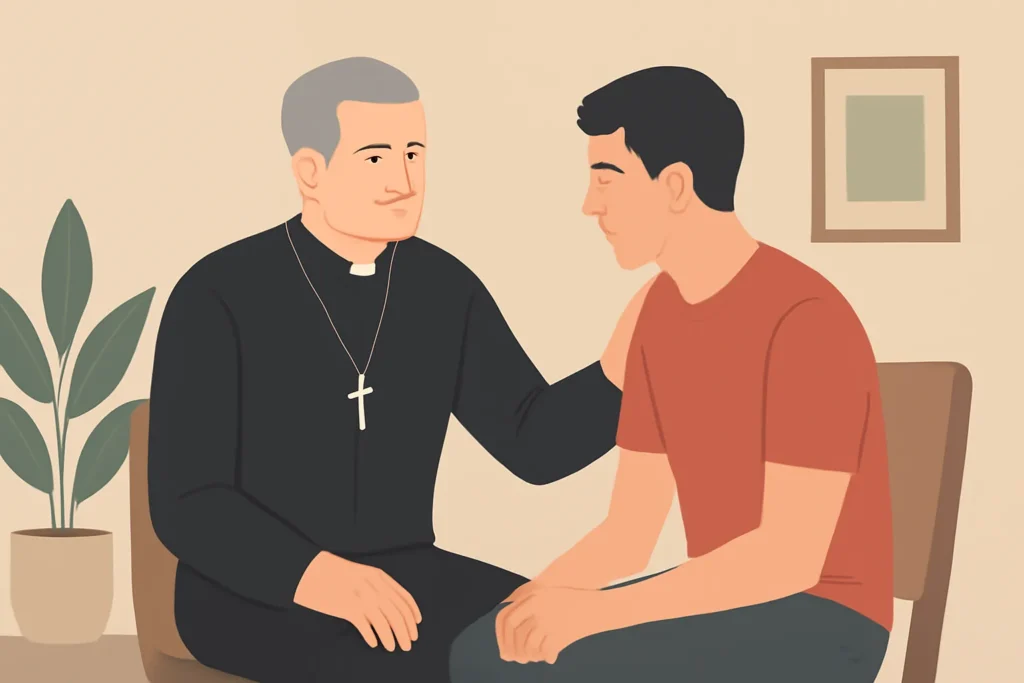
Chaplains offer pastoral presence, religious and spiritual care, and ethically grounded support to people in diverse settings. The core of chaplaincy ministry rests on listening with empathy, offering comfort without coercion, and helping individuals articulate meaning in the face of illness, loss, trauma, or life transitions. While specific duties vary by setting, common elements include:
Spiritual assessment and listening for concerns about meaning, faith, and values.
Provision of rituals and sacraments or sacred practices when appropriate.
Collaborating with interdisciplinary teams—physicians, nurses, social workers, counselors, and administrators—to align care with the person’s beliefs and goals.
Providing crisis intervention during emergencies, bereavement, and ethical decision-making moments.
Advocating for patient and family spiritual needs within the care plan and organizational policies.
Maintaining strict standards of confidentiality and ethical practice, including boundaries and professional conduct.
Because chaplains operate in multi-faith and multi-cultural environments, effective practice often requires cultural competence, sensitivity to diverse religious and secular worldviews, and the ability to work respectfully with people who may not share the chaplain’s own beliefs. In many settings, chaplains carry formal responsibilities as part of the spiritual care department, while in others they function as consultants or spiritual care specialists embedded within a larger care system.
Educational pathways and credentials
Preparing for chaplaincy ministry opportunities typically involves a combination of academic study, practical clinical training, and professional credentialing. The specifics can vary by country, denomination, and employer, but several common pathways recur across many contexts.
Core academic requirements
Most aspiring chaplains pursue graduate-level education in fields related to theology, religious studies, counseling, or pastoral care. Common degree options include:
Master of Divinity (M.Div.) or its equivalents for those seeking broad denominational preparation and pastoral leadership.
Master of Arts in Pastoral Care or Master of Arts in Spiritual Care for a ministry-focused curriculum with emphasis on clinical practice.
Master of Theology (Th.M.) or Master of Arts in Theology for deeper academic specialization, often followed by doctoral study.
Interdisciplinary degrees combining psychology, counseling, social work, and theology can also be highly relevant, especially for clinical chaplaincy roles.
In many contexts, the emphasis is on training that blends theological formation with practical care skills, clinical exposure, and ethical discernment. Prospective chaplains should consider how their education aligns with the requirements of their target setting, whether that is healthcare, military, education, or community ministry.
Clinical experience and supervised practice
Clinical Pastoral Education (CPE) is a cornerstone of preparation for many chaplains. CPE units provide hands-on experience in real clinical environments—hospitals, hospices, correctional facilities, and other care settings—under the supervision of experienced chaplains. Through CPE, students develop:
Skill in conducting pastoral conversations with patients, families, and staff.
Ability to respond to crises with calm presence and evidence-based ethical reasoning.
Experience in documenting care activities and outcomes in clinical records.
Reflection on personal biases, spirituality, and boundaries to maintain professional integrity.
Successful completion of CPE often contributes to eligibility for board certification or membership in professional chaplaincy associations. Some settings may require multiple CPE units for advancement, especially in hospital or acute care environments.
Certification and professional associations
Career advancement in chaplaincy is frequently linked to credentialing through recognized professional bodies. While the exact structures differ by country, several models recur:
Board certification as a chaplain, applicable in many healthcare systems and large organizations. In the United States, board certification is commonly provided through professional associations such as the Association of Professional Chaplains (APC) with the Board Certified Chaplain (BCC) designation, and through others like the National Association of Catholic Chaplains (NACC). Certification typically requires a combination of educational qualifications, clinical hours, professional endorsements, and ongoing continuing education.
Endorsements or affiliations with a denomination or faith group. Some chaplains pursue formal endorsement by their home faith community to be recognized for official chaplaincy roles.
Evidence of continuing education and ongoing professional development to maintain competency and stay current with best practices in spiritual care and ethics.
For those outside the United States, there are analogous bodies and credentialing pathways consistent with local regulations and religious communities. In any case, prospective chaplains should research the credentialing landscape in their region and in their target workplace to ensure alignment with hiring expectations.
Career settings and chaplaincy roles
One of the most compelling features of chaplaincy is its broad applicability. Chaplaincy ministry opportunities exist across multiple sectors, with each setting presenting unique demands, team structures, and care priorities. Below are major career settings, along with typical duties, required qualifications, and the kind of work-life that chaplains may expect in each environment.
Healthcare chaplaincy: hospitals, clinics, and palliative care
In healthcare environments, chaplains serve patients, families, and staff facing medical uncertainty, pain, and end-of-life decisions. Common duties include:
Providing emotional and spiritual support during diagnosis conversations, procedures, and treatment plans.
Conducting grief support for families experiencing loss and for patients who are navigating terminal illness.
Leading or facilitating rituals and sacraments when appropriate, while respecting diverse beliefs.
Participating in ethics consultations and care conferences to advocate for patient-centered spiritual needs.
Offering spiritual care rounds for staff to address burnout, moral distress, and resilience.
Requirements often include a graduate degree in theology or spiritual care, accredited CPE units, and board certification or eligibility. The work is emotionally demanding but deeply rewarding, with the opportunity to witness healing not only of the body but also of meaning and belonging. In palliative and hospice settings, chaplains may encounter heavy grief, meaning-making in the face of mortality, and opportunities to support families across the care trajectory.
Military chaplaincy and veteran care
Military chaplains serve active-duty personnel, their families, and veterans, offering religious accommodations, confidential counseling, and crisis response in high-stakes environments. Typical responsibilities include:
Providing moral and spiritual guidance under conditions of deployment, combat stress, or relocation upheavals.
Facilitating worship services, sacraments, and religious accommodations in diverse settings.
Participating in family readiness programs and resiliency initiatives to support service members and their loved ones.
Assisting in crisis intervention during emergencies and disaster responses within the military framework.
Military chaplains require endorsement from a religious body and alignment with military policies. They often undergo specialized training in crisis management, culture, and the ethics of care under demanding operational conditions. The role blends pastoral care with organizational leadership and mission-oriented service, making it a distinct and respected domain within spiritual care careers.
Corrections and prison chaplaincy
Chaplains in correctional facilities provide spiritual support to inmates, staff, and detainees, with attention to human dignity, rehabilitation, and hope. Core duties involve:
Offering confidential spiritual counseling and crisis intervention to inmates and their families.
Leading or coordinating religious services, study groups, and moral-ethical discussions that respect diverse backgrounds.
Participating in reentry planning and collaboration with parole or probation systems to support successful transitions.
Advocating for person-centered care within the constraints of the facility’s policies and security requirements.
Qualifications often include graduate theological training, CPE experience, and a demonstrated ability to work within correctional settings. The work can be demanding due to security considerations and the need to navigate complex ethical landscapes, but chaplains in this field frequently report meaningful impact in inmates’ lives and in the overall climate of the facility.
Campus ministry and higher education
In universities and colleges, chaplains provide spiritual care, interfaith dialogue, and ethical guidance for students, faculty, and staff. Key roles may include:
Supporting student spiritual and moral development through counseling, mentoring, and programming.
Facilitating interfaith initiatives, sacred spaces, and campus-wide rituals that honor diverse beliefs.
Collaborating with student affairs, counseling centers, and religious life offices to integrate wellness and meaning into campus life.
Offering crisis response and grief support during personal or community emergencies.
Educational requirements often include a graduate degree in theology, religious studies, or counseling, with additional training in campus ministry or student affairs. Campus chaplains frequently work as part of a larger spiritual care network that serves the entire campus community.
Hospice and end-of-life care chaplaincy
Hospice chaplains specialize in death and dying suppport, helping patients and families navigate medical, spiritual, and existential challenges at the end of life. Core functions include:
Providing comfort care, meaning-making conversations, and spiritual rituals that align with patient preferences.
Supporting caregivers and family members through anticipatory grief and bereavement services.
Participating in interdisciplinary rounds to address spiritual distress and ethical concerns related to care plans.
Educating staff about cultural and religious diversity in end-of-life decisions.
Because hospice emphasizes quality of life and person-centered care, chaplains in this field often develop strong skills in grief processing, palliative ethics, and collaborative care planning. Training bundles may include CPE experiences in hospice settings and specialized courses in loss, trauma-informed care, and family dynamics.
Community, faith-based, and nonprofit chaplaincy
Beyond institutional settings, many chaplains engage directly with communities through faith-based organizations, crisis hotlines, disaster relief, refugee centers, and social service agencies. Characteristics of these roles include:
Providing community outreach and spiritual support in underserved or crisis-affected populations.
Developing programs and workshops on resilience, coping skills, ethics, and interfaith dialogue.
Building partnerships with local leaders, schools, and healthcare providers to integrate spiritual care into broader services.
Advocating for access to care, social justice, and respectful treatment for diverse groups.
Careers in community chaplaincy often emphasize flexibility, cultural humility, and an ability to work across sector boundaries. They may involve part-time roles, volunteering, or full-time positions within non-profit organizational structures.
Corporate, police, fire, and disaster response chaplaincy
Some chaplains work in corporate environments, public safety agencies, or disaster response organizations. In these roles, the focus is on emergency spiritual care, organizational resilience, and support for personnel facing high-stress situations. Duties may include:
Providing on-site presence during critical incidents and natural disasters to support responders and affected communities.
Consulting with leadership on moral distress reduction, crisis communication, and employee well-being.
Offering debriefings, counseling referrals, and resources to maintain mental health and spiritual well-being.
Professional pathways in this arena often require flexibility, strong communication skills, and the ability to coordinate with secular and faith-based partners. Credentials from chaplaincy associations, combined with disaster response training, can be particularly valuable.
Skills and competencies that matter in chaplaincy work
Regardless of the setting, successful chaplains share a core set of competencies that support effective spiritual care and ethical practice. Developing these skills can help you distinguish yourself in the field and respond adaptively to diverse populations.
Active listening and presence: the ability to be with someone in their moment of vulnerability without rushing to fix the problem.
Interfaith and intercultural competence: respectful engagement with people from many religious traditions and secular worldviews.
Communication skills: clear, compassionate communication with patients, families, colleagues, and leadership.
Ethical discernment and confidentiality: navigating sensitive information with integrity and professional confidentiality.
Team collaboration: working within interdisciplinary teams to coordinate holistic care.
Spiritual assessment and care planning: identifying spiritual concerns and aligning care with a person’s values and beliefs.
Self-care and resilience: sustaining personal well-being to avoid burnout and maintain compassionate service.
Crisis intervention: responding effectively to acute distress, trauma, and grief situations.
Leadership and advocacy: guiding spiritual care programs, educating staff, and advocating for patient-centered practices.
In addition to these competencies, many employers value practical experience with documentation, ethics committees, and quality improvement processes. The ability to articulate the impact of spiritual care on outcomes such as patient satisfaction, emotional well-being, and staff morale is increasingly recognized in healthcare and organizational settings.
Career development and advancement in chaplaincy
As with many professional fields, chaplaincy offers opportunities to deepen expertise, broaden impact, and take on leadership roles. Advancement paths can vary by setting, but several common trajectories recur across settings.
Clinical leadership and supervision
Experienced chaplains may move into roles such as clinical supervisor, overseeing CPE units, mentoring junior chaplains, and guiding the ethical and clinical standards of care. Responsibilities often include:
Providing supervision and evaluation for chaplaincy students and early-career chaplains.
Leading quality improvement initiatives related to spiritual care.
Developing organizational policies on confidentiality, consent, and boundaries.
Education, research, and scholarly activity
Many chaplains pursue research, teaching, or scholarly writing to advance the field. Possible activities include:
Teaching in seminaries, universities, or professional schools that train future chaplains or spiritual care providers.
Conducting clinical research on outcomes related to spiritual care, patient satisfaction, or staff well-being.
Publishing articles, case studies, or practice guidelines in professional journals and association publications.
Administrative leadership
Chaplains with strong administrative skills can lead spiritual care departments, coordinate interdepartmental programs, and manage budgets or program development. Typical duties include:
Strategic planning for spiritual care services within a health system, campus, or agency.
Staffing, scheduling, and resource management for spiritual care teams.
Building partnerships with external faith communities and community organizations to expand access to care.
Specialized tracks and niche opportunities
Some chaplains focus on particular populations, modalities, or settings to build deep expertise. Examples include:
Bereavement and grief ministry specialization for ongoing family support programs.
Ethics and palliative care leadership within medical centers.
Disaster response chaplaincy coordination for regional or national teams.
Education and youth ministry in campus settings, including spiritual life offices and student organizations.
With dedication to ongoing learning, many chaplains pursue professional development through workshops, webinars, and advanced certifications. This continuous education is not only personally enriching but also enhances service quality and organizational value.
Challenges and rewards in chaplaincy work
Like any vocation, chaplaincy ministry opportunities come with a mix of challenges and profound rewards. Understanding the realities can help prospective practitioners prepare and sustain their call.
Emotional intensity: encounters with illness, grief, trauma, and moral distress can be demanding; robust self-care and supervision are essential.
Boundary management: maintaining professional boundaries while offering authentic care across diverse relationships is complex.
Ethical complexity: chaplains navigate diverse beliefs, values, and institutional policies, requiring careful discernment.
Systemic constraints: resource limitations or administrative barriers can affect delivery of spiritual care.
Impact and meaning: many chaplains report a deep sense of purpose in accompanying people through significant life events.
Interdisciplinary collaboration: success depends on respectful teamwork with medical staff, educators, public safety personnel, and community partners.
Despite challenges, the rewards include witnessing resilience, helping people find meaning in difficult times, and contributing to holistic care that honors the whole person. Employers increasingly recognize the value of spiritual care as part of compassionate service, patient and family satisfaction, staff well-being, and ethical decision-making.
Getting started: practical steps to pursue chaplaincy opportunities
Embarking on a career in chaplaincy ministry opportunities involves a combination of education, hands-on experience, and professional networking. Here are practical steps to lay a solid foundation and open doors to diverse paths.
Clarify your calling and target setting: reflect on where you feel drawn—healthcare, military, education, community, or disaster relief—and identify the values you want to express through spiritual care.
Choose an appropriate graduate program: select a degree that aligns with your preferred setting and your denominational or faith tradition. Consider programs with strong clinical components or partnerships with local chaplaincy programs.
Access supervised clinical experience: pursue CPE units or equivalent supervised practice in hospitals, hospices, or community organizations to build practical skills and professional credibility.
Engage with professional associations: join relevant organizations (APC, NACC, NAJC, or regional bodies) to access resources, mentoring, job postings, and credentialing information.
Seek mentorship and networking: connect with experienced chaplains in your intended field who can provide guidance, opportunities, and referrals for roles.
Gain cultural and interfaith competence: pursue exposure to diverse faiths and secular perspectives through coursework, service projects, and community engagement.
Prepare a professional portfolio: assemble documentation of education, CPE experiences, supervision, and any research or publications to present in interviews.
Apply strategically and ethically: tailor your applications to the setting, highlighting your listening skills, ethics, and ability to work within multidisciplinary teams.
As you explore different chaplaincy ministry opportunities, consider volunteering or part-time roles to build experience, especially if you are transitioning from another field. Volunteer chaplaincy work in hospitals, hospices, or community centers can provide valuable insights into daily practice and organizational culture before pursuing full-time positions.
Frequently asked questions about chaplaincy careers
To address common concerns, here are concise answers to questions frequently raised by aspiring chaplains and organizations seeking spiritual care professionals.
What degree do I need to become a chaplain? A graduate degree in theology, pastoral care, or a related field is typical. Many settings also require or prefer graduate degrees plus clinical experience (CPE) and certification.
Is board certification essential? It is highly valued in many healthcare and organizational settings and often linked to career advancement and credentialing. Some employers require board-certified status; others may hire with eligibility and track a path toward certification.
Do chaplains work with people of all faiths? Yes. A core strength of the field is interfaith and intercultural sensitivity, with care adapted to individual beliefs and preferences.
How long does it take to become a chaplain? The timeline varies, but it typically involves 2–6 years of graduate education, multiple CPE units, and a period of supervision before certification is secured.
What is the daily life like for a chaplain? It depends on the setting, but common elements include listening conversations, crisis response, team collaboration, ritual or prayer leadership when appropriate, documentation, and ongoing professional development.
The field of chaplaincy ministry opportunities continues to evolve as healthcare systems, educational institutions, and communities recognize the holistic needs of people facing illness, loss, trauma, or moral decisions. Advances in patient-centered care, interfaith dialogue, and culturally informed practice call for chaplains who can:
Bridge diverse belief systems with empathy while maintaining professional and ethical standards.
Collaborate with multidisciplinary teams to integrate spiritual care into overall care plans and wellness strategies.
Engage in community outreach and education to reduce stigma and promote access to spiritual resources.
Contribute to policy development, staff training, and organizational culture that values compassionate care at the deepest levels.
For those who pursue chaplaincy as a lifelong vocation, the journey offers opportunities to grow not only as a spiritual caregiver but also as a communicator, advocate, and leader within diverse communities. The work can be demanding, but it remains among the most meaningful avenues for serving people at critical moments and for shaping environments that honor humanity, dignity, and hope.
Closing reflection: the impact of spiritual care in modern institutions
Ultimately, the rich array of chaplaincy ministry opportunities reflects a universal human need: to be heard, understood, and accompanied in times of uncertainty. Chaplains serve as anchors of hope, offering not answers to every question but a steady presence that fosters dignity, resilience, and meaning. In hospitals, universities, military settings, prisons, and communities around the world, the profession of spiritual care continues to adapt and expand, inviting dedicated individuals to commit to compassionate leadership, ethical discernment, and collaborative care. If you are drawn to this work, there are abundant pathways to enter, grow, and contribute to the wellbeing of others through thoughtful, faith-informed, and evidence-based practice.










Leave a Reply