Prison Chaplain Training: Certification and Programs
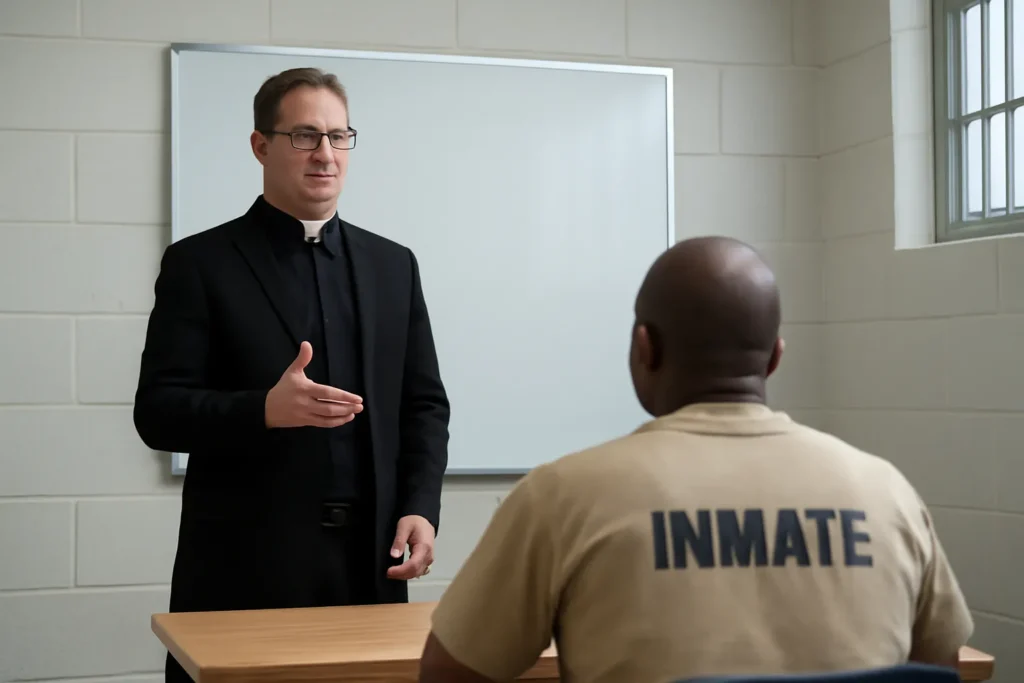
In correctional settings, the role of a chaplain extends far beyond leading worship services. A well‑structured program of prison chaplain training equips spiritual care providers with the skills to support inmates, staff, and families while navigating security requirements, ethical boundaries, and diverse belief systems. Whether pursued as a path to ordination, professional chaplain certification, or targeted continuing education, the training ecosystem surrounding corrections chaplaincy is designed to blend theological grounding with practical, trauma‑informed care. This article surveys the major pathways, curricula, and certification options, and it explains how formal training translates into safer, more compassionate ministries inside prisons and jails.
Paths to Certification for Prison Chaplains
Certification for prison chaplains generally falls into a few interrelated tracks. While the exact requirements vary by jurisdiction, denomination, and certifying body, several common elements recur across programs. Prospective chaplains should understand the options and plan a path that aligns with both their vocational call and the expectations of the correctional facility where they seek employment.
Denominational and Ordination Tracks
Many prisons rely on chaplains who hold formal standing within a religious tradition. In these cases, ordination requirements or denominational credentials influence eligibility for jail chaplain roles. Typical elements of this track include:
Completion of a theological or pastoral education program, often a Master of Divinity (M.Div.), Master of Theological Studies (M.T.S.), or a comparable degree from an accredited seminary or divinity school.
Ordination or commissioning by the sponsoring denomination or faith community.
Pastoral licensure, seminary sponsorship, or ecclesial endorsement for ministry within a correctional environment.
Field education and supervised ministry as part of the degree requirements.
For those pursuing this route, the emphasis is on theological grounding and pastoral authority, paired with the crisis‑response and counseling competencies gained through field placements. Denominational chaplains often bring a specific liturgical repertoire, sacramental presence, and religious education strengths that can enrich inmate programming and faith group leadership inside the facility.
Professional Chaplain Certification Tracks
Other candidates seek non‑denominational or interfaith pathways focused on professional certification. In many regions, recognized chaplaincy boards and associations offer board certification that validates a practitioner’s ability to provide competent, ethical spiritual care across faith traditions. Key features of this track include:
Completion of approved clinical pastoral education (CPE) or equivalent supervised clinical training.
A demonstrated record of pastoral care in diverse settings, including corrections, hospitals, or community contexts.
Supervised ministry hours, often complemented by reflective writing and performance reviews.
Passing an assessment or examination process conducted by a national or regional board or association.
Professional chaplain certification recognizes competence in spiritual care, ethical practice, and the ability to manage the complex dynamics of inmate populations, staff relationships, and family communications. In practice, this pathway often supports mobility between hospital chaplaincy and corrections chaplaincy, enabling a broader career portfolio for the spiritual care professional.
Programs and Curricula Offered
Training for prison chaplains is delivered through a variety of program formats designed to suit different careers, schedules, and educational backgrounds. Below are the principal program types that commonly appear in the landscape of prison chaplain training.
Academic Degree Programs for Corrections Chaplaincy
Formal degree programs provide a deep, sustained education in theology, pastoral care, and ethics, with a focus on the application of these disciplines in correctional settings. Typical offerings include:
Master of Divinity (M.Div.) or equivalent professional degrees in divinity or ministry, often with electives in pastoral counseling, crisis intervention, and chaplaincy ethics.
Master of Arts in Pastoral Care or Master of Theological Studies with a concentration in corrections ministry or spiritual care in institutional settings.
Post‑graduate specializations or certificates in trauma‑informed care, addiction counseling, or chaplaincy leadership.
Credentials that support state or jurisdictional requirements for detention facilities, including background investigations, fingerprinting, and security clearances.
Access to these degrees varies by institution, but most programs emphasize a blend of coursework, field education, and reflective practice. In addition to theological content, students study confidentiality, boundary management, multifaith literacy, and cultural competency as central competences for ministry inside prisons.
For many practitioners, non‑degree options provide a faster route to professional readiness or serve as complements to a primary degree. These programs are common in the corrections chaplaincy sector and are designed to be modular and practice‑oriented. Typical elements include:
Intensive clinical pastoral education (CPE) units, which offer hands‑on ministry under supervision within a correctional setting or affiliated hospital networks.
Short courses on ethical decision making, trauma‑informed care, and violence prevention within inmate populations.
Workshops on confidentiality, mandatory reporting, and emergency response protocols, tailored to the needs and constraints of prison facilities.
Interfaith training programs to enhance multifaith ministry capabilities and to support inmates with diverse spiritual backgrounds.
These non‑degree programs are particularly valuable for chaplains who enter the field after a time as lay ministers, pastors, or hospital chaplains and wish to transition into corrections with the appropriate credentialing and supervisory support.
On‑Site and In‑Prison Training Components
Corrections facilities often provide or require on‑site training to ensure that chaplains can operate safely and effectively within the unique environment of a prison or jail. Typical in‑prison components include:
Orientation to facility policies, housing units, and security protocols, including contraband awareness and incident reporting procedures.
Facility‑specific crisis response drills, including active threat and suicide prevention simulations.
Shadowing experienced chaplains and participating in worship services, counseling sessions, and religious education programs under supervision.
Regular debriefs and supervision to address ethical dilemmas, boundaries, and professional growth within a correctional context.
On‑site training emphasizes realistic, sheltering, and precise spiritual care interventions, enabling new chaplains to integrate quickly with correctional staff while honoring inmate dignity and religious liberty. This practice‑based approach is often what makes prison chaplain training particularly impactful and relevant to daily work.
Curriculum Topics and Practical Skills
A robust prison chaplain training curriculum covers a wide spectrum of topics, all oriented toward effective spiritual care in a custody setting. The emphasis is on both pastoral presence and practical competencies that promote safety, resilience, and human flourishing inside facilities.
Pastoral care and counseling tailored to inmates, families, and corrections staff; understanding when to refer to mental health professionals.
Crisis intervention and de‑escalation techniques to respond to acute distress or violent incidents without compromising safety.
Suicide risk assessment and prevention, including collaborative protocols with psychologists, social workers, and security personnel.
Ethics and confidentiality within the confines of institutional rules, legal requirements, and inmate rights.
Interfaith and multicultural competence to serve inmates from diverse religious and spiritual backgrounds.
Trauma‑informed care principles that recognize the lasting impact of violence, neglect, and imprisonment on mental health and behavior.
Lead and participate in worship services, contemplative practices, and sacramental rites where appropriate, while respecting security policies.
Group and one‑on‑one counseling skills, including motivational interviewing and goal setting within the correctional framework.
Family ministry, visitation programs, and reentry support as part of continuity of care beyond the institution.
Ethical boundary setting and professional self‑care to prevent burnout in high‑stress environments.
Documentation and record keeping to comply with policy and to support continuity of care.
Ultimately, the curriculum seeks to produce chaplains who can hold space for the sacred while navigating security imperatives, ensuring inmate safety and staff trust.
Clinical Education and Field Training
Clinical Pastoral Education (CPE) is frequently a core component of corrections chaplain training, serving as the primary bridge between theoretical learning and real‑world practice. CPE emphasizes reflective practice, supervision, and feedback loops that help chaplains hone their skills in listening, discernment, and spiritual guidance in settings characterized by trauma, isolation, and institutional power dynamics.
Key features of CPE within the prison context include:
Supervised ministry hours in a correctional setting—one year of focused field education can be a typical benchmark for certification readiness.
Structured reflection on encounters with inmates, families, and staff, including ethics discussions and boundary review.
Progressive responsibility, from observation to independent counseling and leadership of religious services, under supervision.
Participation in interdisciplinary teams, including social workers, psychologists, and correctional officers, to coordinate holistic care.
For many practitioners, CPE is not only a credentialing step but also a catalyst for developing a distinctive practice that blends spiritual care with prison safety, trauma awareness, and cultural humility. The end goal is a sustainable ability to accompany people through difficult moments—without compromising security or violating institutional norms.
Working as a prison chaplain requires a careful navigation of ethics, privacy, and safety. Training programs emphasize the following areas to prepare chaplains to meet professional expectations:
Respect for confidentiality with limits defined by legal obligations and facility policies.
Upholding inmates’ religious liberty while maintaining orderly operations within the facility.
Understanding mandatory reporting requirements and how to respond to disclosures of imminent harm or imminent criminal activity.
Maintaining appropriate boundaries to protect both the inmate and the chaplain–inmate relationship from dual relationships or dependency.
Adopting trauma‑informed practices that acknowledge the historical and ongoing impact of imprisonment on behavior and trust.
Instructors and supervisors stress that ethical practice is inseparable from safety in custodial environments. A solid foundation in ethics not only protects the inmate’s dignity but also supports staff morale and institutional legitimacy of the chaplaincy program.
Certification Pathways and Validation Process
Certification in correctional chaplaincy commonly involves a series of concrete steps that verify a candidate’s readiness and ongoing competency. While specific processes vary, the typical trajectory includes the following phases:
Application to a recognized training program or certification board, including submission of educational transcripts, recommendation letters, and a description of ministry experience.
Background checks and security clearance as required by the hosting facility and regulatory authorities.
Completion of the clinical pastoral education or equivalent fieldwork, with supervision and evaluated performance.
Demonstration of minimum ministry hours, often in a corrections setting or an affiliated care environment.
Formal assessment, which may involve an oral examination, written case studies, or a portfolio review demonstrating ethical judgment, pastoral care competencies, and crisis response capabilities.
Ongoing continuing education requirements to maintain certification and stay current on best practices within the field.
Some boards use a tiered certification approach—for example, a foundational level followed by a higher level of credentialing after several years of practice and continued education. Others follow a more streamlined model, with a single certification that attests to the practitioner’s readiness for prison ministry and interfaith service. Regardless of the model, the certification process aims to ensure that chaplains can offer reliable spiritual care while respecting the unique constraints of the correctional environment.
Quality Standards and Accreditation
Credentialing bodies and educational institutions often align with broader quality standards to ensure that prison chaplain training remains relevant and accountable. Standards commonly incorporated into curricula and certification processes include:
Competence in pastoral counseling and crisis response applicable to inmates and their families.
Demonstrated ability to work within multi‑faith contexts and to respect diverse spiritual expressions.
Adherence to ethical guidelines that protect confidentiality and promote professional boundaries.
Structured supervision and documented evaluation during field education experiences.
Continual professional development through approved continuing education and reflective practice.
Accreditation and quality assurance help ensure that prison chaplain training remains aligned with legal, safety, and religious liberty standards, while also supporting the emotional and spiritual well‑being of inmates and their communities. This structure gives facilities confidence that the chaplains they hire or contract with have met rigorous benchmarks for practice and character.
Global and Regional Perspectives
Across different countries and regions, the approach to prison chaplain training reflects variations in religious landscapes, legal frameworks, and correctional policies. Some general observations include:
In many countries, chaplaincy in prisons operates under the supervision of a national associations or a state‑level department of corrections, with formal standards for credentialing and continuing education.
Interfaith and inclusive ministry is increasingly foregrounded, requiring practitioners to be fluent in multiple religious traditions or be comfortable guiding services in a nonsectarian spiritual care framework.
Some regions emphasize the integration of chaplaincy with mental health, addiction services, and family outreach programs to address a wider spectrum of inmate needs.
Resource variability means that in some locales a combination of academic study, on‑the‑job training, and modular certificates forms the typical route to qualification.
Global exchange programs and cross‑border training opportunities are becoming more common, allowing chaplains to learn from different correctional systems and to adapt best practices to their local context. This international dimension can enrich prison ministry work by expanding the repertoire of responses to spiritual distress and by sharing successful models for inmate engagement and reentry preparation.
Common Challenges and Supports
Most aspiring prison chaplains encounter a set of shared challenges that training programs seek to address. Recognizing these challenges and identifying supports in the training pathway can help candidates prepare more effectively for the demands of ministry inside correctional facilities.
Balancing security requirements with the need for meaningful pastoral presence; learning to navigate searches, surveillance, and inmate‑staff dynamics without diminishing care.
Maintaining professional boundaries in environments where power dynamics are especially pronounced.
Developing a strong foundation in trauma‑informed care to respond to the cumulative impact of confinement on mental health and behavior.
Addressing the needs of a diverse inmate population, including neurodiversity, language barriers, and cultural differences, through robust multifaith literacy.
Ensuring sustainable self‑care and supervision to prevent burnout in high‑stress contexts.
Training programs often provide supports such as formal mentorship, access to experienced supervisors, peer learning groups, and structured field placements. These resources are essential for building confidence and ensuring that new chaplains can remain resilient while serving as steady presences in sometimes volatile environments.
Impact on Inmate Support and Reentry
The ultimate aim of prison chaplain training is to enhance the spiritual care experience for inmates, support family connections, and contribute to successful reentry outcomes. When chaplains are well prepared, they can:
Provide consistent spiritual guidance that respects inmate autonomy and dignity, whether through counseling, prayer, or facilitating meaningful worship experiences.
Help inmates articulate values, reconcile moral questions, and navigate personal change that may accompany incarceration.
Offer crisis support during episodes of self‑harm risk, violence, or family trauma, coordinating with clinical staff and security personnel as appropriate.
Prepare inmates for successful reentry by linking spiritual care with practical support such as family reintegration planning, employment pursuits, and housing resources.
Research and practitioner reports increasingly underscore the connection between stable spiritual care and reduced recidivism risks. By equipping chaplains with robust training in counseling, ethics, and trauma‑informed care, programs contribute to healthier prison cultures and safer facilities while honoring the dignity of those who are incarcerated.
Careers and Professional Growth in Corrections Chaplaincy
Career trajectories in this field often blend chaplaincy with leadership roles in religious programs or community outreach. Some common avenues include:
Serving as a full‑time staff chaplain in a state or federal prison, with responsibilities that span pastoral care, program development, and crisis response.
Contract or contract‑to‑employment chaplaincy, where providers work with the facility under a formal agreement and supervision framework.
Leadership positions within faith‑based inmate ministries, chaplaincy associations, or professional boards that set standards for practice and ethics.
Academic or clinical roles in universities, seminaries, or health care systems that focus on spiritual care in correctional contexts.
Professional development opportunities, including additional CPE units, specialized certifications (such as trauma care or bereavement support), and leadership training, help chaplains advance while continuing to meet the evolving needs of inmates and facility staff. Ongoing engagement with peer networks and professional associations is also a hallmark of sustained growth in this field.
What to Look for When Choosing a Program
Prospective students or aspiring chaplains should consider several factors when selecting a prison chaplain training program. Important criteria include:
Accreditation and recognition by reputable chaplaincy boards or associations, ensuring compatibility with future certification.
Evidence of robust field education opportunities within correctional settings or partner facilities.
Clear articulation of prerequisites, such as specific degrees, denominational endorsements, or eligibility for CPE credits.
Qualified faculty with practical experience in corrections ministry and with expertise in ethics, trauma‑informed care, and interfaith leadership.
Flexible delivery formats that accommodate working professionals, including online components, evening courses, or on‑campus intensives.
Choosing the right program is a strategic decision that impacts not only credentialing outcomes but also the chaplain’s readiness to navigate the day‑to‑day realities of prison ministry. A well‑chosen program should blend academic rigor with practical, field‑level preparation and a clear path toward certification or ordination where applicable.
Frequently Used Variants in the Field
In discussions about prison chaplain training, several phrases are used interchangeably or contextually to describe similar roles. Awareness of these variants helps professionals communicate across institutions and regions. Common variants include:
Corrections ministry training
Jail chaplaincy preparation
Custodial chaplain training and credentialing
Institutional chaplain education for spiritual care in detention facilities
Despite the diversity of terminology, the underlying competencies converge around providing compassionate, ethical, and legally sound spiritual care within the constraints and opportunities of correctional life.
Final Thoughts on the Training Landscape
Prison chaplain training represents a dynamic intersection of faith, service, ethics, and public safety. By offering a spectrum of pathways—from denominational tracks and professional certifications to degree programs and modular credentials—training ecosystems accommodate a wide range of callings and life circumstances. The strongest programs place equal emphasis on theological depth and clinical competence, ensuring that chaplains can accompany inmates with presence, discernment, and unwavering respect for human dignity.
As correctional facilities continue to prioritize holistic care, spiritual support, and reentry preparation, the role of the trained chaplain becomes increasingly central. For practitioners, ongoing development through continuing education, reflective supervision, and cross‑disciplinary collaboration remains essential. For facilities, investing in high‑quality training and robust credentialing pays dividends in inmate well‑being, staff morale, and the cultivation of a humane, restorative approach to justice.
In summary, effective prison chaplain training prepares spiritual care providers to meet inmates where they are, walk with them through hardship, and help chart a hopeful path toward reintegration and resilience. Whether pursued through seminary pathways, professional boards, or targeted certificate programs, the journey toward credentialed corrections chaplaincy is grounded in faith, service, and a steadfast commitment to ethical practice.










Leave a Reply