Christ 7 Last Words: The Seven Final Sayings of Jesus
Christ 7 Last Words: The Seven Final Sayings of Jesus
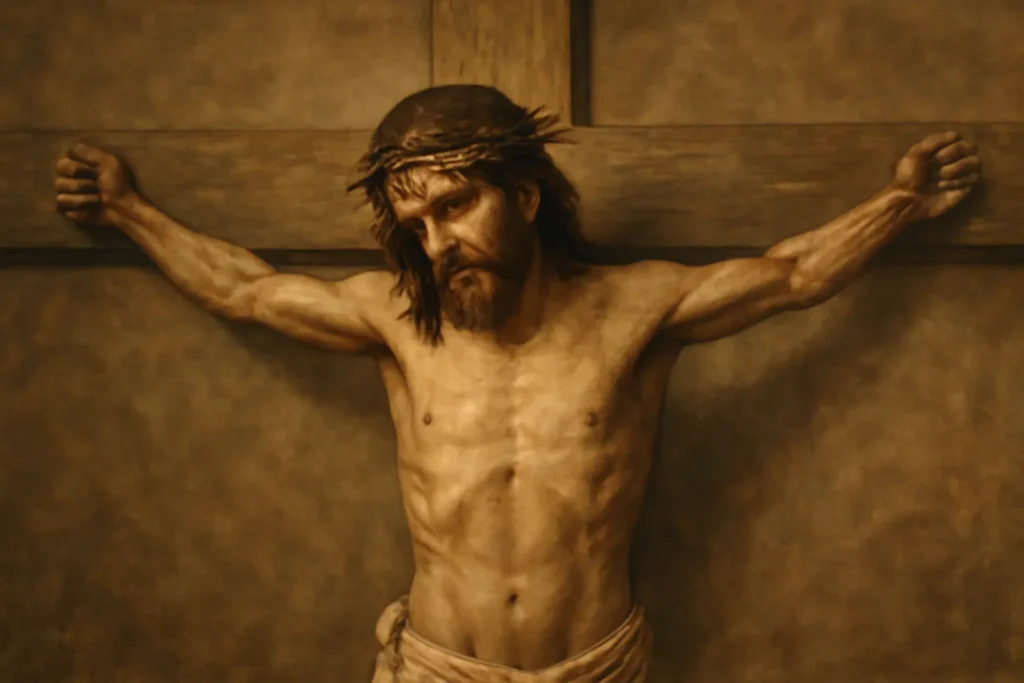
Throughout Christian tradition, the phrase “Christ's seven last words” (also rendered as “the seven final sayings of Jesus” or “Jesus’ final utterances on the cross”) serves as a compact window into the drama of the crucifixion and the theology of salvation. This article explores the seven final sayings as they appear in the Gospel records, their historical and linguistic contexts, and their enduring significance for faith, worship, and daily life. While scholars sometimes debate how to count these utterances—especially the pair that occurs to behold your son/behold your mother—the traditional focus rests on seven focal moments that have shaped sermons, devotions, and art for centuries. In what follows, you will find a careful, scholarly, and devotional survey of each saying, supported by scripture, history, and reflection.
Overview: The seven final sayings of Jesus on the cross
In common Christian usage, the seven final utterances are discussed in a sequence that highlights forgiveness, salvation, relational care, abandonment, longing, completion, and entrusting God. The precise wording and placement vary slightly across Gospel accounts, and translations differ. For the purposes of this article, we present the seven sayings in a traditional order that is widely used in preaching and liturgy. In this ordering, the third moment combines two closely related statements about human relationship and responsibility, which some traditions count as two separate utterances. Here we adopt a single composite third saying to preserve a seven-part framework.
“Father, forgive them, for they do not know what they are doing.” (Luke 23:34) — A claim about grace that confronts sin with mercy, even as harm is inflicted upon him.
“Truly, I tell you, today you will be with me in paradise.” (Luke 23:43) — A word of assurance extended to one who recognizes Jesus in faith at the last hour.
“Woman, behold your son. Behold your mother.” (John 19:26–27) — A moment that highlights kinship and the new relational community formed at the cross.
“My God, my God, why have you forsaken me?” (Matthew 27:46; Mark 15:34) — An outcry of desolation that resonates with the cry of the Psalmist and the human sense of abandonment.
“I thirst.” (John 19:28) — A stark, physical plea that also deepens symbolic interpretation about longing, sustenance, and life.
“It is finished.” (John 19:30) — Signaling the completion of the mission, the accomplishment of redemption, and the fulfillment of prophecy.
“Father, into your hands I commit my spirit.” (Luke 23:46) — A surrender and trust that completes the arc of Jesus’ surrender as life ends.
Beyond the textual list, scholars often note that the linguistic texture of these sayings shifts from Aramaic and Hebrew-inspired phrasing on the cross to Greek phrasing in the Gospel reports, and then into Christian tradition through translation and liturgical use. The overall arc moves from forgiveness and justification to salvation, community formation, personal abandonment, desire, completion, and trust. The seven final sayings invite readers to contemplate not only what Jesus spoke, but why those words would be preserved, taught, and prayed over in churches across centuries and continents.
First Saying: Forgiveness for the crucifying crowd
The opening utterance, often given the title “Father, forgive them”, is embedded in Luke’s account and is one of the most startling refrains in all of sacred literature. It reframes the crucifixion as a setting where grace interrupts vengeance and hostility with mercy. This saying has several layers worth exploring:
Scriptural basis: Luke 23:34 records the line as Jesus prays for those responsible for the execution. The Greek verb for forgive implies releasing debt, remission of sin, or choosing not to hold a wrong against the offender.
Theological significance: The saying foregrounds a key Christian claim: divine forgiveness is available even to enemies, and mercy is not earned but launched by God’s own initiative.
Linguistic nuance: The petition is directed to the Father, underscoring Jesus’ relationship with God and his authority to plead mercy on behalf of others in a moment of immense suffering.
Historical context: The prayer sits at the intersection of Roman crucifixion and Jewish eschatological expectation, inviting readers to see forgiveness as the heart of the messianic mission rather than political triumph alone.
Pastoral relevance: This first saying can function as a template for Christian conduct—to extend mercy even when wrongs are severe, and to trust that God’s mercy can override human malice.
In devotional practice, Christians often reflect on this first saying as a call to extend grace beyond moral perfection, recognizing that forgiveness is not contingent on the other person’s repentance in that immediate moment. The phrase remains a powerful anchor for intercession, reconciliation, and non-retaliation in personal relationships and in public life.
Second Saying: Assurance to the penitent thief
The second notable utterance, “Truly, I tell you, today you will be with me in paradise,” comes to a sufferer who recognizes Jesus in faith. This moment carries profound implications for how Christians understand grace under duress and the reach of salvation. Key aspects include:
Scriptural basis: Luke 23:43 places Jesus’ words to the unidentified thief on the cross, who acknowledges Jesus with a confession of faith.
Theological significance: The saying emphasizes salvation by faith in Christ, even at the last moment, challenging notions that a lifetime of virtue is an absolute prerequisite for divine mercy.
Pastoral nuance: It can be offered as a message of hope to people who feel spiritually adrift at the end of life and to communities wrestling with inclusion and repentance.
Liturgical resonance: This saying has influenced hymns, art, and preaching that celebrate the immediacy and accessibility of grace in Christ.
For readers and worshipers, this moment invites contemplation of God’s timing and universal reach. It is a reminder that God’s mercy crosses time boundaries and extends into moments that humans might deem too late for change. The tone remains one of calm assurance rather than triumphalism, inviting believers to consider what true faith looks like in dire circumstances.
The third saying is a pair of statements often treated as a single, composite moment: “Woman, behold your son.” and “Behold your mother.” (John 19:26–27). While some traditions count these as two separate utterances, many versions of the seven-word framework present them together as a single act of formation: a family newly constituted by Jesus’ cross.
Two aspects stand out in this moment:
Relational redefinition: Jesus entrusts Mary to the beloved disciple and the disciple to Mary, establishing a new familial bond that transcends bloodlines and creates a spiritual family—what Christians sometimes name the Church.
Church and Mary: This act has been interpreted in many ways, including as a symbolic creation of Mary as mother of the Church, and as a model for the care of vulnerable members within communities of faith.
Behold your son and Behold your mother resonate with themes of responsibility, community, and mutual care. They invite believers to consider how faith translates into concrete acts of stewardship—how relationships are reordered, and how discipleship extends beyond personal belief into communal obligation.
Subtler dimensions of the third saying
Theology of download and delegation: Jesus delegates responsibility to the community he has formed, signaling that leadership in the church is a form of service rather than a position of privilege.
The rhythm of care: Mary’s vulnerability is met with practical protection; the beloved disciple’s devotion becomes a doorway for Christian communal life.
In liturgical and devotional settings, this moment is often reflected upon as a reminder that the crucifixion is not merely a private tragedy but a public event that reconstitutes belonging. It invites believers to ask who their spiritual family is and how they might extend care to those who stand near the cross in their own world.
Fourth Saying: The cry of abandonment
Among the most powerful and dramatic phrases is “My God, my God, why have you forsaken me?” (Matthew 27:46; Mark 15:34). This cry of lament has sparked extensive theological reflection across centuries.
Textual roots: The line echoes Psalm 22:1, linking Jesus’ experience to the deeply human cry of suffering and longing for God’s presence in the most painful hours.
Theological implications: The saying offers a window into the mystery of the incarnate God who experiences despair in solidarity with human beings, without implying that God ceases to be God or that God’s love is withdrawn from Jesus in that moment.
Liturgy and art: This utterance has shaped meditative practices about divine presence in distress, and it has been a powerful motif in art, music, and poetry that wrestle with the problem of evil and the trust that sustains faith in dark times.
Scholars often discuss the paradox here: Christ’s sense of abandonment does not erase faith but rather reveals the depth of the human experience of suffering and the extent of God’s willingness to bear it with humanity. For readers, this saying can be a way to name and bear grief, while still clinging to hope in God’s eventual restoration and justice.
The fifth saying, “I thirst” (John 19:28), is a succinct, almost stark statement that foregrounds physical need and human vulnerability. Yet it also invites broader spiritual interpretations.
Physical reality: The crucifixion is an intensely brutal ordeal, and the cry for water or thirst is a reminder of the body’s limits and the reality of death approaching. Such honesty about bodily needs grounds spiritual reflection in concrete experience.
The symbolism of thirst: Some theologians read this as a symbol of longing—for righteousness, for God, or for justice—and as a pointer to the Psalmist’s language about yearning for God’s presence.
Intertextual echoes: The cry sits within a broader biblical register about thirst, water, and life—connecting Jesus to the tradition of the waters of life and the bread of life in ways that invite contemplation about sustenance, fulfillment, and divine provision.
In devotional practice, the cry “I thirst” invites believers to acknowledge their own needs before God and to reflect on how Christ models vulnerable humanity while offering a source of spiritual nourishment—whether through the sacraments, forgiveness, or the charity of others.
The sixth utterance “It is finished.” (John 19:30) marks the claim of completion: the mission accomplished, the prophecy fulfilled, the work of redemption enacted. This line has drawn deep interpretation across tradition and scholarship:
Theological scope: The phrase suggests that Jesus’ life, death, and obedience have achieved the salvation that God intends for humanity, not by human effort but by divine action realized in the cross.
Historical and scriptural fulfillment: Readers encounter a sense of prophecies and psalms being fulfilled in the crucifixion, aligning Jesus with a plan that stretches back into Israel’s scripture and forward into the church’s interpretation of salvation history.
Pastoral tone: The saying can be a source of encouragement for believers to consider what “finished” means in their own lives—what tasks God completes through human effort and what remains to be surrendered to God’s ongoing work in the world.
From a liturgical point of view, “It is finished” serves as a hinge in worship: it marks both the completion of Jesus’ earthly mission and the opening of a space for the Spirit to continue the work in the church and in the world. It invites gratitude, reverence, and a solemn recognition that redemption is accomplished through sacrifice, love, and fidelity to God’s call.
Seventh Saying: The final surrender
The final saying, “Father, into your hands I commit my spirit.” (Luke 23:46), completes the arc of Jesus’ trusting response to God amid death. It is a posture of surrender that has resonated with Christians as a model of faithfulness unto death and trust in the Father’s sovereign care.
Trust and surrender: The words express a total entrustment of life into divine hands, a prayerful relinquishment that God remains trustworthy even as life ends.
New creation and hope: The act of committing one’s spirit to God is understood in Christian tradition as a confident expectation of eternal life and a personal encounter with God beyond death.
Implications for discipleship: The final surrender invites believers to examine where their own trust is placed—whether in strength, control, or divine care—and to cultivate a posture of faith that persists through trials.
In worship and spiritual reflection, this last utterance is often read as a quiet, resolute closing note to Jesus’ earthly ministry, a note of completion and confidence that God’s plan remains intact. It has supplied a rich language for funeral sermons, remembrance liturgies, and meditations on life, death, and what comes after for those who trust in Christ.
While the seven final sayings are individually diverse, they share several overarching threads that have sustained Christian interpretation across centuries:
Mercy and grace as foundational features of the cross world, beginning with forgiveness and extending to care for the vulnerable.
Salvation by faith and the interior assurance that God’s promises reach even to a dying thief, challenging predecessors who insist on a lifetime of achievement for salvation.
Relational transformation through Mary and the beloved disciple, which redefines community and lays groundwork for the Church as the new family of God.
Affirmation of suffering’s realism: The cross bears physical pain, psychological distress, and existential anguish, yet is integrated into God’s plan rather than denied as mere tragedy.
Lyrics of longing: The cries for forgiveness, for life, for physical relief, and for trust reveal how prayer forms under pressure and how faith adopts the language of desire.
Fulfillment and completion as the moment where prophecy, redemptive work, and divine initiative converge.
In sum, the set of seven final sayings is more than a catalog of quotes. It is a rhythm that invites believers to walk through sorrow, mercy, care, abandonment, longing, victory, and trust—an architecture for spiritual formation that has shaped preaching, catechesis, and personal devotion across Christian communities worldwide.
Across denominations and historical periods, there have been both continuity and variation in how these utterances are understood and used. Some key notes on variation include:
Counting differences: Some traditions count eight sayings if they treat Behold your son and Behold your mother as two distinct utterances; others maintain a seven-item framework by combining them into one moment.
Canonical order: The placement of the phrases differs in Luke and John, and readers should be aware that Gospel order does not always align with the liturgical sequence used in sermons or artwork.
Language and translation: Original languages (Hebrew, Aramaic, Greek) yield subtle variations in tone and nuance when rendered into English or other modern tongues, and this matters for interpretation and devotion.
Patristic and medieval meditations: Fathers of the Church and medieval theologians often used the seven words as a framework for Christological reflection and moral exhortation, influencing how laypeople encountered the crucifixion in catechesis and prayer books.
Artistic and musical expressions: From stained glass to Latin motets and modern hymns, the seven sayings have inspired countless works that visualize mercy, suffering, and faith in the cross narrative.
Understanding these variations helps readers appreciate the breadth of Christian devotion while remaining rooted in the biblical core. No single interpretation exhausts the richness of these phrases; rather, they invite ongoing study, worship, and personal encounter with the Christ who spoke them.
What can a modern reader or worshipper take away from Christ’s seven last words? The following practical reflections are offered to help translate ancient lines into daily life:
Forgiveness as ongoing practice: If Jesus prayed for forgiveness in the face of violence, Christians are called to practice forgiveness as a continuing discipline rather than a one-time event.
Grace beyond limits: The assurance offered to the thief suggests that grace can reach people at the margins of society—and that inclusion is at the heart of the Gospel.
Care for one another: The Mary-and-disciple moment challenges communities to imagine how care, responsibility, and trust are organized in churches and families alike.
Voice in suffering: The cry of abandonment invites honest prayer in the midst of pain, reminding believers that seeking God in the darkest hours is not a failure of faith but a form of faithful honesty.
Longing and nourishment: The cry “I thirst” can translate into a longing for spiritual sustenance—through Scripture, prayer, sacraments, and supportive fellowship.
Completion with hope: The declaration of completion can encourage perseverance and gratitude for what has been accomplished, while remaining open to God’s ongoing work in life and history.
Trust in God’s hands: The final surrender is a model of trust that can shape how believers face mortality, change, and the unknown future with confidence in God’s care.
Readers may choose to adopt a devotional practice based on these seven sayings, such as a guided prayer, a weekly meditation on each utterance, or a community study that explores the sources, meanings, and applications of the phrases in daily life. Whether approached as a catechetical curriculum, a sermon outline, or personal meditation, the seven words remain a robust resource for faith formation.
The seven final utterances of Jesus on the cross have endured not only as scripture but as a cultural and spiritual grammar for countless generations. They offer a robust tableau of mercy, justice, kinship, anguish, longing, completion, and trust. In a world shaped by pain and hope alike, these words invite readers to listen, reflect, and respond in ways that echo Jesus’ own posture—one of grace under pressure and fidelity to God’s wild, transformative plan of salvation. The enduring power of Christ’s seven last words lies not only in their theological depth, but in their ability to speak to human situations—about forgiveness when it is hard, about care when it costs, about longing when life is thin, and about trust when all seems lost.








Leave a Reply