Christ Giving: A Path to Meaning, Image, and Practice
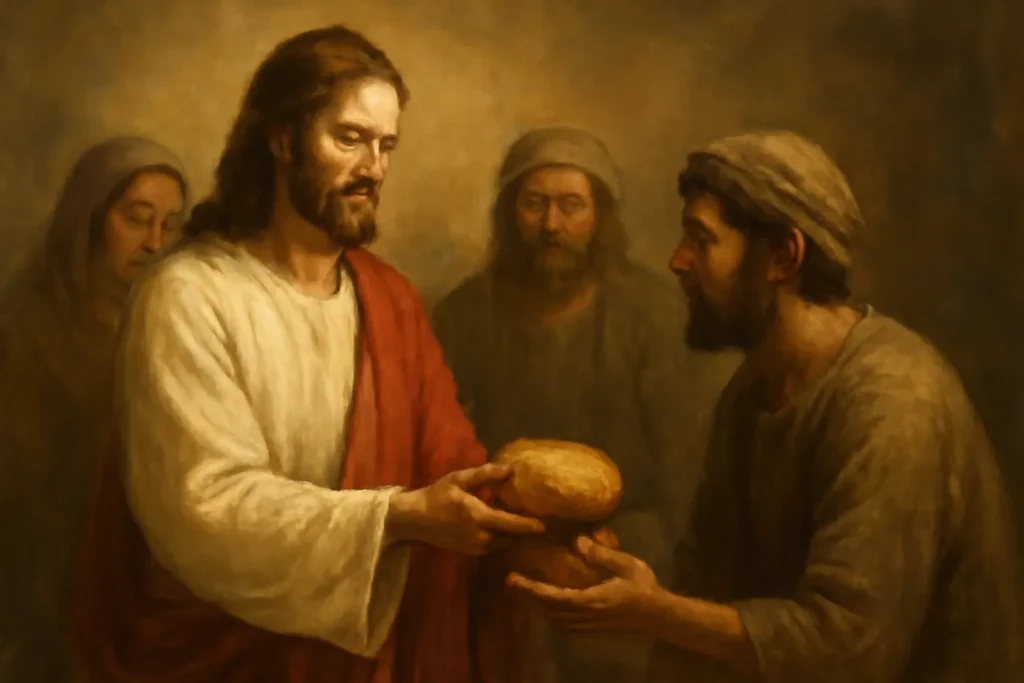
Christ giving is a rich, multi-faceted theme in Christian thought and art. It refers not only to a single moment or gesture, but to a pattern that runs through scripture, theology, liturgy, and visual culture: the idea that the divine is disclosed and made present through the act of giving. In this sense, Christ giving encompasses the self-disclosure of God in the incarnation, the gift of salvation through the cross, the institution of the Eucharist, and the ongoing invitation to participate in divine life. This article explores the meaning of Christ giving, its most recognizable iconography, and its enduring significance for believers, artists, and communities across history.
The Meaning of Christ Giving
To speak of Christ giving is to acknowledge that the central narrative of Christian faith centers on a gracious act initiated by the divine. In theological terms, this act is often described as a gift—something offered freely for the benefit of others, not earned by merit. The language of gift underwrites core doctrines such as incarnation, atonement, and grace. Read together, these ideas illuminate how believers understand Christ giving as both a historical event and a present reality.
At its roots, Christ giving means that God does not remain distant but enters human life in the person of Jesus. This is the incarnation as a form of divine gift: God gives himself to humanity so that people might receive new life. In turn, Christian teaching emphasizes that this gift is not simply a past occasion but a continuing invitation to respond with trust, gratitude, and ethical action. The gift economy of salvation—where Christ’s act of self-giving becomes the model for how followers live—shapes the way believers understand forgiveness, redemption, and service.
Self-giving as the core posture of Jesus’ life: Jesus moves toward the marginalized, the sick, the outcast, and even the enemies who crucified him, embodying a generous love that is the hallmark of Christ giving.
The cross as the decisive gift: in many traditions, the crucifixion is understood as the ultimate act of sacrifice and atonement, where Christ’s life is given for the life of the world.
The Eucharist as ongoing reception of the gift: in this sacramental act, the church remembers and participates in the giving of Christ’s body and blood, receiving sustenance and grace for the journey of faith.
Iconography of Christ Giving
Visual art has long sought to capture the dynamics of Christ giving, translating theological meanings into forms that can be seen, contemplated, and shared. The iconography of Christ giving ranges from intimate moments at the table to monumental gestures of authority. Three principal motifs stand out: the Last Supper as the institution of the Eucharist, the handing over of keys as a sign of apostolic authority, and the blessing or outreach of Christ the Savior as a symbol of grace offered to all.
Last Supper and the Eucharistic Gift
The Last Supper is perhaps the most famous visual testament to Christ giving. In this scene, Jesus is shown in the center, presiding over the meal, and, in several depictions, actively giving—breaking bread and sharing the cup as symbols of his body and blood. This moment is understood theologically as the institution of the Eucharist, whereby believers participate in the ongoing giving of Christ to the church. The gesture of breaking bread and sharing the cup becomes a ritual memory of the self-offering at the heart of salvation history.
Artists from diverse periods have rendered this scene to emphasize different dimensions of the gift. Renaissance masters often highlight the moment of speech, dialogue, and communal response, while medieval and early Christian artists might foreground the sacramental mystery—the presence of the body and blood made accessible to the faithful. Across these representations, the act of giving is never merely about a meal; it is about participation in a divine life that is generously shared with all who believe.
Keys to Heaven: Christ Giving Authority to Peter
Another influential iconographic motif is Christ giving the keys to Peter, an image that communicates the conferral of divine authority and responsibility. In biblical narrative (Matthew 16:19), Jesus says, “I will give you the keys of the kingdom of heaven.” In art, this moment is often depicted with Christ handing symbolic keys to St. Peter, signaling the entrusted mission to guide the church and to exercise binding and loosing. The image of Christ bestowing the keys is a powerful expression of gifted authority, the idea that leadership in the church is itself a form of giving—a means of serving the community in fidelity to Christ.
A famous example of this iconography is a fresco by the Italian master Pietro Perugino in the Sistine Chapel, where Christ’s gesture of presenting the keys to Peter is rendered with calm dignity and spatial harmony. In such works, the figure of Christ is often depicted with extended arms or a gesture that directs the attention of the viewer to the gift being conferred. The emphasis is not merely on the object (the keys) but on the stewardship and responsibility that accompany the gift.
Other Motifs: Blessing, Healing, and the Ministerial Commission
In addition to the central scenes above, Christian art frequently portrays Christ giving through acts of blessing, healing, or commissioning. The blessing gesture—an open hand or a poised finger—is understood as a conveyance of divine favor and grace. Scenes of Christ healing the sick or blessing children underscores the conviction that grace and compassion flow from the giver to the recipients. Some depictions also show Christ sending forth disciples, commissioning them to continue his work, which in turn represents a form of giving a mission to the community.
Theological Significance of Christ Giving
The concept of Christ giving carries profound theological weight across Christian traditions. It provides a framework for understanding God’s action in history and the church’s response in daily life. Several themes recur in discussions about this subject.
The Gift of the Incarnate Word
The earliest and most fundamental expression of Christ giving is the incarnation—the Word becoming flesh for the salvation of humanity. In this sense, God’s giving is not an abstract idea but a personal, relational act. The narrative of the nativity and the events of Jesus’ life present the divine gift as a sustained invitation to participate in the divine life. This dimension invites believers to respond with worship, faith, and incorporated living that reflects the gift they have received.
The Cross as the Center of Atonement
The cross stands as the most decisive symbol of Christ giving for many traditions. The act of laying down his life is understood as a gift that makes reconciliation with God possible for the entire world. The language of atonement—whether framed through substitution, moral influence, or cosmic victory—targets the ultimate impact of Christ’s sacrifice. Though interpretations differ, the core assertion is that the divine gift through the cross opens a new way of relating to God: not through fear or payment, but through trust, repentance, and gratitude.
The Gift of Grace and the Eucharist
The church’s practice of the Eucharist is a concrete ongoing form of Christ giving. In this sacrament, believers receive nourishment and grace that sustain faith and ethics. The ritual enactment of Christ’s body and blood as bread and wine is interpreted as a continuing gift that unites the community with the person of Christ. The Eucharist thus becomes a weekly or daily reminder that the Christian life is grounded in divine generosity and made possible by the gifts that come from Christ.
Another dimension of the theological significance of Christ giving concerns mission. When Christ entrusts his followers with certain duties, such as proclaiming the gospel, administering the sacraments, or caring for the vulnerable, the church receives a calling that is itself a gift. This sense of vocation—rooted in the example of Jesus’ self-giving—encourages believers to embody generosity, hospitality, and social responsibility in tangible ways.
Foundational Texts and Historical Perspectives
Across the biblical canon and the lived tradition of the church, pages and portraits alike narrate the story of Christ giving. By examining key passages and the ways artists and theologians have read them, readers can discern how the theme has been understood in different eras.
John 3:16 and related passages emphasize that God’s love manifests in a divine gift, culminating in the sending of Jesus to bring eternal life to believers.
John 10:11-18 presents Jesus as the good shepherd who lays down his life for the sheep, an image of self-giving that undergirds ethical discipleship.
Luke 22:19-20 describes Jesus instituting the Eucharist with the words, “This is my body given for you; do this in remembrance of me.” This is a central narrative of the ongoing giving of Christ to the church.
Romans 5:8-9 proclaims that Christ’s death demonstrates God’s love while sinners were still enemies, highlighting the radical nature of the divine gift.
Ephesians 5:2 signals the call to live in love as Christ loved us and gave himself up for us, a model for concrete generosity.
1 John 4:9-10 frames the sending of God’s Son as a gift that reveals the Father’s love and invites trust and imitation.
In art history, scholars trace how these biblical motifs were interpreted in different art-historical periods. Early Christian icons often used symbolism to convey the mystery of giving—Christ as teacher and savior, the emphasis on communal meals, and the invitation to participate in the divine life. In the Renaissance and Baroque eras, artists expanded the narrative scope, focusing on dramatic composition, the psychology of figures, and the moral epiphanies that accompany Christ giving in scenes of betrayal, forgiveness, and mercy. Contemporary iconography continues to reinterpret these ideas, balancing reverence for tradition with new cultural terrains and modalities of visual communication.
Practical Significance for Believers Today
The idea of Christ giving is not only theoretical; it has practical implications for worship, ethics, and daily living. By reflecting on how Jesus gives, Christians are invited to cultivate a posture of gratitude, generosity, and receptive faith.
Worship and Liturgy as Response to the Gift
In worship communities, the awareness of Christ giving shapes liturgy. Prayers, hymns, readings, and sacraments form a rhythm in which believers repeatedly encounter the gift that God offers through Jesus. The Eucharist, in particular, functions as a perpetual reminder that the life of the church is grounded in the gift Christ gave on the cross and renewed in the proclamation of the gospel.
If Christ’s life is characterized by self-giving, then Christians are called to embody that same spirit in acts of charity, mercy, and social justice. This includes practical expressions such as feeding the hungry, clothing the needy, supporting families in crisis, and working toward systems that reflect human dignity. The logic of the gift can inspire structures of solidarity—parish outreach programs, humanitarian aid, and community partnerships—that extend the reach of the original divine gift into the daily fabric of life.
Spiritual Formation and Devotion
On a personal level, reflecting on Christ giving invites faithful contemplation and prayer. Exercises such as journaling, meditation, and guided contemplation on biblical scenes or works of art can deepen awareness of the gift and foster gratitude, trust, and a willingness to imitate Christ’s generosity.
Contemporary Implications and Cultural Expressions
The theme of Christ giving remains a living thread in contemporary culture. Artists, theologians, poets, and Christians in various contexts continually reinterpret the scope and meaning of the gift. In modern art, for instance, the emphasis might shift toward inclusive images of invitation—Christ offering grace to people of all backgrounds, or Christ giving new life through reconciliation and healing in a fractured world. Digital media also expands the reach of this message, enabling communities to share reflections on giving, grace, and service with a global audience.
Artistic reinterpretations that foreground inclusion, mercy, and healing as facets of Christ giving.
Ecumenical dialogues that consider how different traditions understand the work of Christ giving in salvation and church life.
Liturgical innovations that emphasize the experiential dimensions of grace—how believers encounter the gift in worship, study, and service.
The doctrine that God became human in the person of Jesus Christ, an ultimate form of divine giving.
Atonement
The reconciliation of humanity with God through Christ’s life, death, and resurrection, often described as a transformative gift.
Grace
The unmerited favor that enables believers to respond to God’s gift with faith and transformation.
Eucharist
A sacrament celebrating Christ’s gift of himself—his body and blood—for the life of the world.
Self-giving
A key dimension of Christ’s character and mission, expressed in acts of mercy, sacrifice, and service.
Ministry
The service entrusted to the church and its leaders to carry forward the gifts of Christ in the world.
Conclusion: Keeping the Gift Alive
The phrase Christ giving encompasses a broad and deeply meaningful range of meanings. From the theological core of the incarnation and the cross to the liturgical center of the Eucharist and the ethical horizon of church life, the idea of giving remains a guiding motif. It invites believers to see God’s action in Jesus not only as a past event but as a living gift that continues to transform hearts, communities, and cultures. By attending to its iconography, listening to its biblical foundations, and living out its implications in daily practice, contemporary readers can encounter the richness of Christ giving and respond with gratitude, generosity, and renewed faith.









Leave a Reply