Christ Candle: Meaning, History, and How to Light It
Christ Candle: Meaning, History, and How to Light It
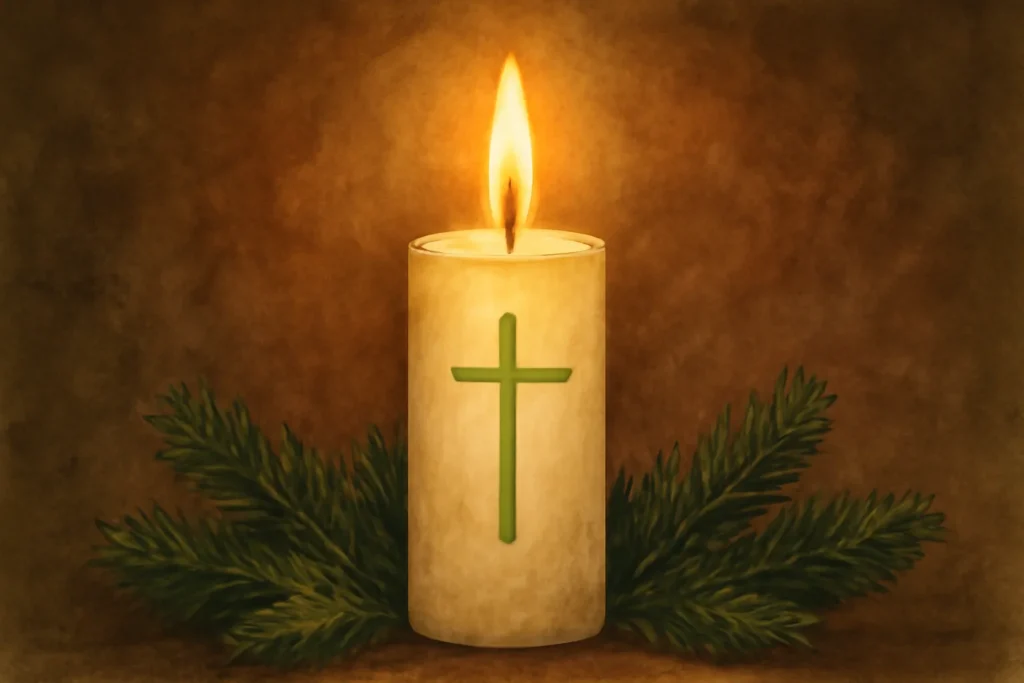
The Christ Candle stands at the heart of Advent wreath traditions and Christmas devotional life for many Christians around the world. It is more than a decorative element; it is a symbol that gathers focus, inviting families, congregations, and individuals to reflect on the incarnation—the moment when God became flesh in the person of Jesus Christ. In this article, we explore the meaning of the Christ Candle, trace its history, and offer practical guidance for lighting it in homes, churches, and devotional settings. Whether you call it the Candle of Christ, the Christ Candlestick, or simply the central Advent candle, this guide aims to illuminate its significance and provide clear steps to honor it with reverence and gratitude.
The central idea behind the Christ Candle is that Jesus is the ultimate source of light and life for the world. In Christian symbolism, light operates on multiple levels: it illuminates the path of righteous living, it reveals truth, and it dispels darkness in personal hearts and in the world at large. The Christ Candle embodies the arrival of that divine light in human history, a light that the Gospel characterizes as enduring and transforming.
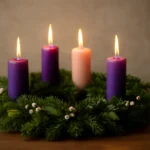
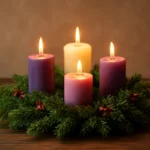
In most Advent traditions, the series of smaller candles surrounding the Christ Candle represents the weeks leading up to Christmas. Each of these outer candles often carries a theme—Hope, Peace, Joy, and Love—while the central flame stands for the person of Christ himself. The liturgical celebration rings with the claim that, as the Christmas Eve or Christmas Day service culminates, the light of Christ overcomes all darkness. This meaning is reinforced by scriptural language such as “the light shines in the darkness, and the darkness has not overcome it” (a refrain echoing John 1:5 and related passages) and by the familiar declaration that Jesus is the light of the world.
Throughout history, Christians have used light as a tactile reminder of spiritual reality. The Christ Candle makes that reminder tangible: a single flame in the center of a ring of candles invites worshippers to consider how one life—one divine presence—can illuminate many lives. In many households, the Christ Candle becomes a focal point for family prayer, Scripture reading, and acts of service. It is not merely a symbol of nostalgia—it is an invitation to respond to the gift of the Incarnation by becoming bearers of light in everyday life.
History of the Christ Candle
The Advent wreath itself has an origin story rooted in 16th-century Europe, particularly within German Protestant communities. The earliest incarnations of the wreath were simple evergreen rings used to symbolize eternal life, with candles added to mark the passage of the season of Advent. Over time, the ritual developed into a formal weekly practice that accompanied liturgy, devotion, and catechesis.
A pivotal moment in Advent wreath history came with Johann Hinrich Wichern, a 19th-century German pastor and missionary who began using a large, wheel-like wreath in his Orphanage of krüger in Hamburg in 1839. He placed many small candles on the wreath—twenty-four in total—to help children count the days of Advent and to teach them about waiting for Christmas. While his original design was more elaborate and impractical for every congregation, the spirit of his project—combining light, preparation, and daily reflection—led to broader adoption across Protestant churches.
From there, the practice diversified. Some churches kept a wreath with four candles around the circle, representing the four Sundays of Advent, and introduced other practices to foreground the coming of Christ. In many liturgical contexts, especially in Catholic and Anglican churches, the central Christ Candle emerged as a dedicated, larger white candle placed at the center of the wreath. The central flame gradually gained prominence as the culmination of Advent, being lit on Christmas Eve or Christmas Day, depending on local custom.
In the modern ecumenical and liturgical landscape, the Christ Candle has become a widely recognized feature not only in churches but also in homes. Families may light it during daily devotions in December, linking the rhythm of the season to prayer, Scripture, and acts of generosity. The manner in which the Christ Candle is used can vary—from formal, liturgical processions in a church to informal, family-centered rituals at home—yet the core symbol remains constant: the gift of Christ’s presence entering the world.
How to Light It: Practical Steps
Lighting the Christ Candle is both a practical act and a symbolic gesture. The steps can be adapted to different settings—church services, home devotionals, small group gatherings, or school programs. The essential aim is to approach the moment with intention, prayer, and gratitude for the work of the Incarnation.
Step-by-step lighting protocol for a standard Advent wreath
Prepare the space: Place the wreath on a stable surface, away from drafts and flammable materials. Ensure all candles are securely seated in appropriate holders. Have a snuffer or extinguisher available.
Light the first four candles (if you observe the four Sundays of Advent with individual flame lighting): On the first Sunday, light the Hope candle; on the second, the Peace candle; on the third, the Joy candle (often pink); on the fourth, the Love candle. These are usually the outer, color-coded candles surrounding the center candle.
Prepare to light the Christ Candle: Before lighting the center flame, invite a moment of silence or a short prayer acknowledging the significance of Christ’s coming and the meaning of light in the darkness.
Light the Christ Candle: With a long, steady flame, light the central white Christ Candle. Some traditions drizzle olive oil or a special flame-retardant base, but most common practice uses a standard candle lighter or long-burning matches.
Offer a blessing or prayer: A short blessing can be spoken aloud by a leader or by the family. Example: “Blessed are you, O Lord our God, ruler of the universe, who gives light to those who walk in darkness. May the light of Christ, the Christ Candle, shine in our hearts and minds tonight and always.”
Read scripture or sing: Read a short Advent or Gospel passage (e.g., John 1:4–9 or Isaiah 9:2–7). Sing or reflect on a Christmas carol or hymn that emphasizes light and incarnation.
Close the observance: End with a brief reflection, a commitment to acts of service or generosity, and the readiness to continue walking in the light through the coming days.
Alternative approaches for home devotionals
Weekly focus: Light the relevant outer candle on the corresponding Sunday and, on Christmas Eve/Day, light the Christ Candle while reading Luke 2 or John 1.
Minimal setup: A single Christ Candle in a simple holder can anchor a short daily devotion during December, supplemented by a Bible verse and a reflective prompt.
Family cadence: Let each family member take a turn lighting the Christ Candle and sharing a brief blessing or memory related to acts of generosity or acts of kindness noticed during the week.
Timing: When to Light the Christ Candle
The timing of lighting the central flame varies by tradition. In many Protestant and Evangelical circles, the Christ Candle is lit on Christmas Eve or Christmas Day, signaling the arrival of Christ and the fulfillment of Advent longing. In several Catholic and Anglican contexts, the Christ Candle may be lit on Christmas Eve during the evening Mass or on Christmas Day after the Liturgy of the Word. Regardless of exact timing, the central candle is typically reserved for the culmination of Advent’s waiting—the moment when believers publicly recognize that God is with us, a doctrine encapsulated in the name Immanuel.
It is common to continue the use of the Christ Candle beyond Christmas Day, through the season of Epiphany in some traditions, as a reminder that Christ’s light continues to illumine the nations. Some households let the central flame burn through Epiphany, while others remove the Christ Candle after the Christmas season ends and rest the wreath for the next year. The key point is that the Christ Candle is not merely a festive element; it marks a theological claim about the presence of Christ among us and the call to reflect that presence in daily life.
The symbolism of light in Christian theology reaches deep into Scripture and worship tradition. The Christ Candle embodies several interconnected theological truths:
Incarnation: In the mystery of the Incarnation, God enters human history as a vulnerable child, bringing salvation to a waiting world.
Revelation: Jesus is described as a revelation of God’s character, a light that discloses God’s will and exposes the truth about human need.
Hope: Light pierces darkness, giving hope to those who walk through difficult seasons, a message often associated with the Advent and Christmas narrative.
Calling: Believers are urged to be lights in the world, living in a way that reflects the grace and truth they have received.
In written prayers and liturgical texts, the Christ Candle is often linked to the idea that “the Word became flesh” (John 1) and that the light of Christ breaks through both personal spiritual darkness and collective human brokenness. When the Christ Candle is lit, worshipers are invited to pause, to listen, and to respond with gratitude and service. The practice, then, becomes a training in spiritual attention—learning to notice God’s presence and to respond with acts of love, mercy, and justice.
Variations by Denomination and Tradition
Across Christian communities, the practice of the Christ Candle shows rich variation. While the core symbol remains constant, the color choices, placement, and liturgical timing can differ:
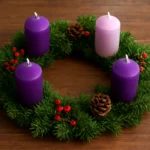
Catholic and many Anglican/Episcopal traditions often use an Advent wreath with three purple candles, one pink candle for the third Sunday, and a central white Christ Candle to be lit on Christmas Eve or Christmas Day. The central candle is sometimes accompanied by additional prayers and a blessing for the household.
Lutheran and some Protestant churches may treat the central Christ Candle similarly, but the outer candles might be red, purple, or blue depending on local tradition or calendar usage. The central emphasis remains on the Incarnation.
Methodist and other Protestant communities often frame the Christ Candle within a broader Advent devotion that emphasizes personal conversion, social concern, and mission—light is linked to justice and mercy as well as personal faith.
Orthodox and some other traditions may not use the Advent wreath in the same way, but if they do, the central candle still symbolizes Christ’s entering into time and space in the Nativity narrative.
Non-denominational and family traditions frequently adapt the practice to home life, focusing on daily or weekly devotion, gratitude, and acts of service. The Christ Candle becomes a practical tool for catechesis and spiritual formation.
Regardless of the denomination, the shared aim is to keep the focus on Christ’s coming and to translate that focus into daily living. The variations reflect different theological emphases and liturgical rhythms, but the central meaning remains a universal witness to the truth that God became human in Jesus and that his light continues to illuminate the world.
Symbolism in Practice: How People Use the Christ Candle in Daily Life
In addition to formal worship, many families and communities use the Christ Candle in everyday routines to cultivate awareness of the sacred season. Some practical usage ideas include:
Shared devotions: A short reading, prayer, and reflection after school or work, centered on the Christ Candle as a reminder of God’s presence in ordinary life.
Good works focus: Lighting the Christ Candle when deciding on charitable acts, volunteering, or acts of kindness toward neighbors, to anchor generosity in the light of Christ.
Creative arts: Integrating the candle into family music, storytelling, or journaling sessions that explore themes of hope, peace, joy, and love in Christ.
Education and catechesis: Using the candle as a teaching tool for children and youth to learn about the biblical narrative of Christmas and the theological meaning of incarnation.
Lighting and maintaining a Christ Candle, especially in a home environment, requires attention to safety. Candles are a source of flame, and handling them responsibly reduces risk while preserving the beauty of the ritual:
Place candles in sturdy holders and on a heat-resistant surface away from curtains, paper, and other flammable materials.
Keep out of reach of children and pets to prevent accidental tipping or burns.
Use long matches or a utility lighter to light the central candle, reducing the chance of scorching fingers.
Trim wicks to about a quarter inch before lighting to reduce excessive smoke and flare-ups.
Never leave burning candles unattended; extinguish before leaving the room or going to bed.
Use a snuffer to extinguish flames gently rather than blowing, which can scatter hot wax and embers.
In addition to safety, consider the environment where the Christ Candle burns. If you suffer from smoke allergies or are in a place with poor ventilation, you may prefer LED or battery-operated candles for certain moments of worship, while reserving real flames for more formal liturgies when appropriate. The goal is to preserve the solemnity of the moment while guaranteeing safety and accessibility for all participants.
Creating a Personal or Community Ritual Around the Christ Candle
A thoughtfully designed ritual around the Christ Candle can transform December into a season of contemplative devotion. Here are some ideas to help you tailor a meaningful practice:
Intentional structure: Choose a consistent pattern—e.g., lighting on Sundays, followed by a brief reading, a prayer, and a response activity (like writing a note of gratitude or performing a small act of service).
Scriptural anchors: Pair the lighting with short passages that emphasize light, incarnation, and mission (for example, John 1, Isaiah 9, Luke 2, and Matthew 5:14–16).
Music and art: Integrate a favorite carol, hymn, or instrumental piece as a musical backdrop, or invite participants to create small artworks that symbolize the light of Christ.
Journaling prompts: After lighting the Christ Candle, invite journaling prompts such as “What light has Christ’s coming brought to my life this week?” or “How can I reflect Christ’s light to others?”
Community service focus: Allow each lighting to culminate in a concrete action—supporting a shelter, donating to a cause, or helping a neighbor—with a brief sharing time about the impact of the act.
Light the Christ Candle with a calm, deliberate gesture.
Read a short passage: John 1:4–5 or Isaiah 60:1–3.
Offer a brief reflection on how light has appeared in your life recently.
Sing or listen to a carol that emphasizes light and hope.
Close with a simple blessing: “May the light of Christ shine in our hearts and guide our steps tonight and all days.”
Common Questions About the Christ Candle
For readers who are new to the practice or who want to adapt it to their context, here are some frequently asked questions and concise answers:
What does the Christ Candle symbolize? It symbolizes the presence of Christ among us, the fulfillment of prophecy in the Incarnation, and the church’s vocation to carry that light into the world.
Is the Christ Candle always white? In many traditions, the center candle is white to signify purity and triumph of light, but the color may vary in some local customs or family traditions. The most important aspect is the symbolic meaning, not the exact color.
When should the center candle be lit? It is typically lit on Christmas Eve or Christmas Day, marking the culmination of Advent. Some communities also use it through Epiphany in January.
Can I use an artificial candle? Yes. If safety or accessibility is a concern, a battery-operated LED Christ Candle can provide the same symbolic effect without fire risk.
What prayers or readings pair well with the lighting? Short Bible passages about the incarnation, such as John 1:1–14, Luke 2:1–14, or Isaiah 9:2–7, pair well with reflective prayers that acknowledge gratitude for Christ’s coming and commit to living as light in the world.
Conclusion: The Christ Candle as a Way of Seeing and Serving
The Christ Candle is more than a ritual ember in a circle of candles. It embodies a theology of light-in-the-darkness, a reminder of God’s nearness in human history, and a call to become bearers of that light in everyday life. Whether you inhabit a grand church setting, a quiet home, a classroom, or a community center, the central candle invites you to pause, listen, and respond to the gift of Christ with gratitude, praise, and concrete acts of love.
In its simplest form, the Christ Candle helps people reconnect with the truth that God is with us—a truth celebrated not merely with words, but with a flame that invites confession, hope, mercy, and courageous living. May each lighting of the Christ Candle draw you deeper into the mystery of the Incarnation and empower you to reflect Christ’s light in a world that still longs for healing, justice, and peace.






Leave a Reply