Christian merchandise in Context: Why It Matters and How It Evolved
Across generations, faith communities have used tangible objects to express beliefs, reinforce values, and share messages with others. The broad category often labeled as Christian merchandise has grown from simple devotional items to a diverse ecosystem of products that blend spirituality with design, culture, and everyday life. This evolution has been shaped by advances in printing technology, global supply chains, and a renewed interest in accessible, affordable ways to embody faith. In this guide, you will discover the many forms of faith-based gifts, explore the orderable range of gospel merchandise, and learn how to choose, customize, and responsibly source religious merch for individuals, families, churches, and ministries.
What counts as Christian merchandise? Defining the scope and the boundaries
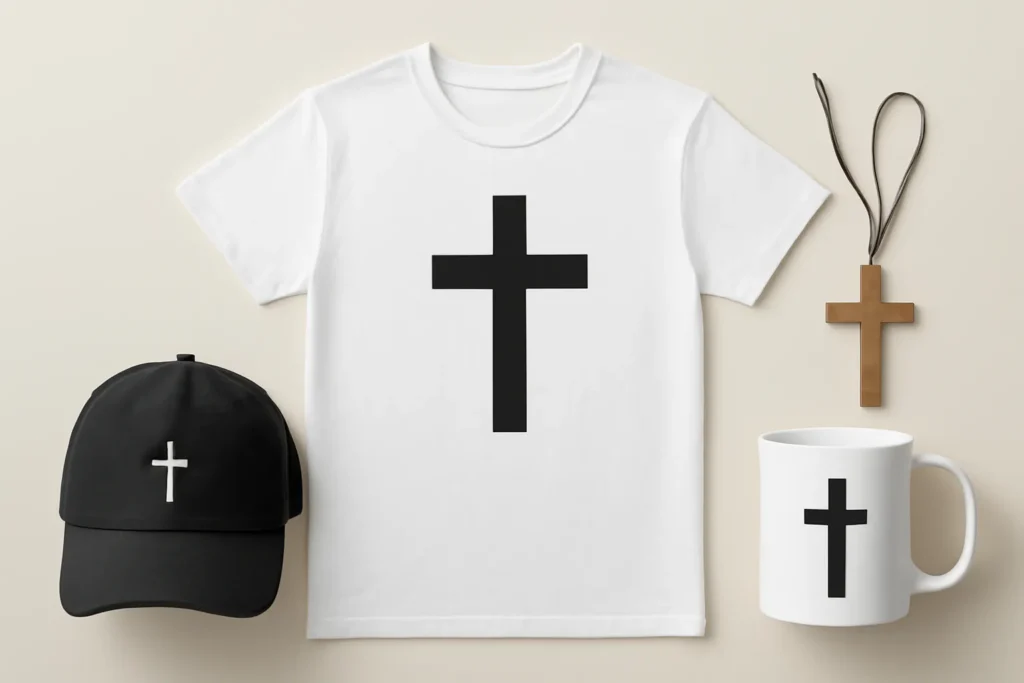
The term faith merchandise covers a wide spectrum of items designed to inspire, educate, or celebrate a Christian worldview. While there is overlap with secular gifts or inspirational products, Christian goods typically carry explicit religious symbolism, biblical themes, or church-centered messaging. Some common categories include:
Apparel and accessories with scripture verses, Christian symbols, or church branding.
Home decor and artwork featuring Bible verses, Christian motifs, or faith-based quotes.
Bibles and study tools such as devotional journals, study guides, concordances, and illuminated texts.
Jewelry and personal items like crosses, bracelets with meaningful inscriptions, or rosaries in certain traditions.
Bags, mugs, and everyday items carrying messages that spark conversation or provide daily reminders of faith.
Digital and media products including apps, devotional plans, sermon series graphics, and streaming content tied to Christian topics.
Church supplies and fundraising materials such as offering envelopes, banners, bulletins, and ministry kits.
Categories of faith-based products: a closer look at each family of items
Apparel and accessories
Clothing and wearable items are a prominent gateway for sharing beliefs in everyday life. When choosing gospel merchandise in this category, consider:
Quality of fabrics and printing methods to ensure longevity and comfort.
Designs that are legible and respectful, suitable for different age groups and contexts.
Size ranges, inclusive fits, and accessibility considerations.
Licensing and authenticity to avoid counterfeit or inappropriate imagery.
Examples include:
Scripture-printed tees that highlight favorite verses.
Hoodies and outerwear featuring church logos or uplifting messages.
Caps, scarves, and bags with subtle Christian symbolism.
Bracelets and faith-based jewelry that can carry personal meaning or be used in outreach.
Home decor and artwork
Home items make faith a daily presence. For Christian home decor, buyers often seek:
Wall art with verses or stained-glass-inspired imagery.
Decor items for desks, shelves, or entryways that spark conversation about faith.
Seasonal pieces aligned with liturgical calendars (Advent, Christmas, Lent, Easter).
Durable materials and fade-resistant inks for longevity.
Bibles and study tools
The core of Christian study is the bible merchandise ecosystem, which includes more than just printed Bibles. Consider:
Various translations and study formats (compact, journaling, wide-margin).
Devotional guides, commentary sets, and concordances that aid interpretation.
Journals for prayer and reflection, with prompts and lined pages.
Bookmarks, highlighters, and tabs designed for easy navigation during study.
Jewelry and personal items
Faith-inspired jewelry can serve as a wearable reminder or a meaningful gift. When exploring religious merch in this area, look for:
Symbolism that is universally understood within Christian communities (e.g., crosses, ichthys, doves).
Hypoallergenic materials for sensitive skin.
Galleries or catalogs that explain the symbolism for educational gifting.
Bags, mugs, and everyday items
Everyday objects with spiritual messages bridge the gap between church and life. In this space, consider:
Quality mugs with legible typography and durable ceramic or stainless steel.
Reusable totes and backpacks with scripture verses for outreach opportunities.
Desk accessories that celebrate faith in the workplace or classroom.
Digital and media products
Digital merchandise expands reach and accessibility. This includes:
Mobile apps for daily devotionals, prayer prompts, or Bible reading plans.
Printable devotion sheets and sermon graphics for churches and individuals.
Streaming video resources, podcasts, and Christian education courses.
Digital artwork and SVG files for personal crafting or church media.
Church supplies and fundraising materials
Religious institutions often rely on targeted faith merchandise for outreach and fundraising. Items include:
Offerings envelopes, banners, signage, and program materials.
Mission-focused merchandise to support specific causes or trips.
Branded merchandise for church events, retreats, or conferences.
Quality, ethics, and licensing in Christian merchandise
As with any consumer category, the integrity of Christian goods matters—from production practices to the spiritual clarity of the messaging. Key considerations include:
Quality control—select items with durable construction, colorfast printing, and safe materials.
Ethical sourcing—look for suppliers who disclose supply chain practices, fair labor standards, and responsible sourcing of raw materials.
Licensing and permissions—ensure that licensed designs or logos are obtained through legitimate channels to avoid copyright infringement and support artists.
Accuracy of content—verify that verses or messages align with the intended interpretation and avoid doctrinal misrepresentation.
Representational diversity—choose products that honor different cultures and avoid stereotypes in imagery or language.
How to choose authentic and ethically produced items
When shopping for faith-based gifts, use a practical checklist to guide decisions:
Ask the seller about production methods and sustainability—metal finishes, ink types, fabric certifications.
Look for clear labeling of materials, country of origin, and care instructions.
Check for transparency about labor practices and fair wages.
Seek products with positive messaging that aligns with your faith tradition and community norms.
Read customer reviews focusing on durability, print quality, and customer service.
Customization and personalization in Christian merchandise
Personalized religious merch can elevate gift-giving, ministry outreach, and event branding. Options often include:
Whether you’re shopping for a holiday, a milestone moment, or a church event, here are practical ideas across categories:
Home and family: wall art with a comforting verse, a devotional calendar, or candle sets that evoke reflection.
Clothing: a versatile tee with a memorable scripture, a gentle everyday hoodie for comfort, or a scarf that complements modest attire.
Study and growth: a study Bible, a guided prayer journal, or a multi-volume commentary set for deeper exploration.
Outreach and generosity: bookmarks for evangelism, tracts that align with your denomination, or mission-focused merchandise that funds relief efforts.
Celebration and remembrance: keepsakes for baptisms, confirmations, or memorial services that honor faith milestones.
Trends in Christian merchandise You should know
Like any consumer space, Christian merchandise evolves with culture and technology. Notable trends include:
Minimalist designs with subtle symbols suitable for workplaces and classrooms.
Inclusive imagery that honors diverse communities within the faith tradition.
Eco-friendly materials and sustainable production practices gaining traction.
Digital integration through printable planners, SVG files, and app-based devotionals.
Limited-edition collaborations with artists to support missions or church events.
How to support Christian creators and small shops
Many people prefer to buy faith merchandise from independent designers and small businesses for higher quality, ethical practices, and better storytelling. Ways to support include:
Christian merchandise or faith merchandise encompasses a vibrant ecosystem designed to inspire, educate, empower, and connect people. From the practical utility of Bible study tools to the everyday encouragement offered by gospel merchandise, the sector reflects how faith is lived out in daily life. When choosing any religious merch, prioritize quality, ethical sourcing, and clear messaging that aligns with your beliefs and community values. By supporting authentic Christian goods and collaborating with thoughtful creators, you can turn ordinary purchases into meaningful experiences that amplify hope, spread encouragement, and advance compassionate outreach.
Final tips for retailers, educators, and gift-givers
Whether you’re stocking a church shop, guiding a teen group, or selecting gifts for family, keep these takeaways in mind:
Offer a range of price points to ensure accessibility for individuals and small groups. Faith-based gifts should be both affordable and respectful of the message they carry.
Provide educational notes or signage that explains the symbolism used, especially for first-time buyers or visitors.
Curate a balanced assortment that includes biblical merchandise, devotional aids, and community-focused products.
Encourage feedback to continuously improve the selection, quality, and impact of the items offered.
By approaching the world of Christian goods with discernment and care, you can curate a collection that not only looks meaningful but also serves as a catalyst for discipleship, hospitality, and outreach. This ultimate guide aims to equip you with the knowledge to navigate the marketplace responsibly, celebrate the beauty of faith-inspired design, and use tangible tools to nurture spiritual growth in yourself and others.









Leave a Reply