Passion Week Timeline: Your Complete Guide to Holy Week Events
Passion Week Timeline: Your Complete Guide to Holy Week Events
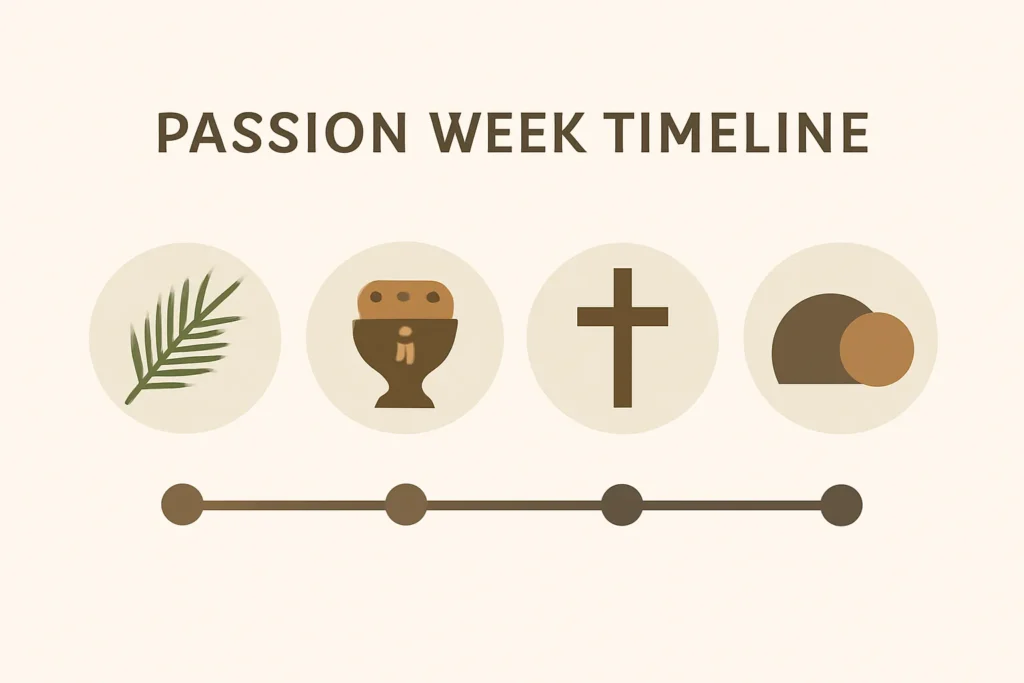
This article offers a detailed Passion Week timeline, also known as the Holy Week, tracing the sequence of sacred events from the triumphal entry on Palm Sunday through the joy of Easter Sunday. Whether you approach this period from a liturgical, historical, or devotional perspective, the timeline below provides a clear map of the days, the rituals, and the themes that have shaped Christian worship for centuries. Throughout, you will encounter several names for the same week—the Passion Week timeline, the Holy Week chronology, or the week of Jesus’ suffering and resurrection—each highlighting a particular emphasis while preserving the core events. This guide aims to be both explanatory and practical, helping readers recognize how each day builds toward the central proclamation of the Christian faith: the victory of life over death.
Palm Sunday: The Beginning of the Passion Week timeline
The first day of the Passion Week timeline marks the public anticipation of Jesus’ mission and the reception of his message by crowds. In many traditions, Palm Sunday inaugurates Holy Week with a liturgical procession and the blessing of palms, symbols of victory and peace. The gospel narratives describe Jesus riding into Jerusalem on a donkey, greeted by waving branches and shouts of praise. This episode sets the stage for the sequence of events that will unfold in the days ahead.
Procession with palms and readings from the Gospels, highlighting the prophecy and the crowd’s celebration.
Blessing and distribution of palms as a visible sign of welcome and allegiance.
Gospel emphasis on Jesus’ approach to the city, anticipating the passions to come.
Liturgical color often includes red or purple, signifying both royalty and the coming suffering.
Rituals for Palm Sunday emphasize both joy and a foreshadowing of tragedy. In households and churches around the world, faithful participants read the parallel accounts from multiple gospels and reflect on the contrast between earthly triumph and divine mission. The Passion Week timeline then moves toward a more intimate and somber mood as the narrative shifts from acclaim to events that reveal Jesus’ purpose as the Messiah who would suffer for humankind.
Holy Monday: Purification, Teaching, and Temple Authority
The second day of the Holy Week timeline often focuses on Jesus’ public ministry in the temple and his teachings that confront religious leadership. While the exact chronological details vary among Gospel accounts, Holy Monday is commonly associated with scenes in which Jesus teaches in the temple courts, performs acts of cleansing, and responds to questions about authority, faith, and the kingdom of God.
Key themes for Holy Monday include authority and integrity, purity and reverence, and the tension between Jesus and the religious leaders. This day invites believers to consider questions such as: What does true devotion look like in worship and in daily life? How do we respond when confronted with moral or spiritual corruption? The Passion Week chronology presents these questions as an invitation to examine personal values and communal practices.
Teaching in the temple with parables and explanations that reveal the heart of the Kingdom.
Cleansing of the temple as a dramatic sign of righteously directed zeal for God’s house.
Judgment and dialogue about faith, obedience, and the consequences of opposing God’s plan.
Reflective practice: believers may read a corresponding gospel passage and engage in personal or communal reflection on integrity in worship.
Observances during Holy Week often include opportunities for confession, contemplation, and a reminder that the Passion Week timeline is not only about events in Jerusalem but about inner transformation aligned with God’s purposes.
Holy Tuesday: Teachings, Parables, and Eschatological Hope
On Holy Tuesday, the Passion Week timeline continues with a focus on Jesus’ teaching ministry and the controversies that arise around his authority. The gospel narratives present a series of questions from religious leaders, demonstrations of wisdom in teaching, and warnings about the future. The emphasis is on discernment—recognizing true shepherds, understanding the difference between outward religious performance and inner fidelity, and preparing the heart for what lies ahead.
Wisdom in teaching as Jesus expounds on the law and the prophets.
Parables and responses that challenge listeners to contemplate repentance, mercy, and justice.
Prophetic anticipation of events to come, including the suffering that will accompany the Messiah’s mission.
Prayerful reflection: communities are encouraged to read Scripture passages that illuminate Jesus’ guidance for living in right relationship with God and neighbor.
In many Christian traditions, Holy Week readers will encounter the text-rich engagements of Holy Tuesday, which invite faithful readers to meditate on the meaning of faithfulness under pressure and the necessity of aligning actions with divine will. The schedule of Holy Week thus reinforces that learning often proceeds through encounter with challenging questions and the patient listening that accompanies the path toward Easter joy.
Spy Wednesday: Betrayal Plots and the Shadow of the Cross
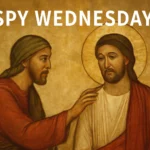
Also called Spy Wednesday in some liturgical calendars, this day of the Passion Week timeline centers on the plot to betray Jesus and the recognition that betrayal can be subtle and personal. The betrayal by Judas Iscariot is a focal point, and the day is often marked by themes of fidelity, temptation, and the weight of choices that alter the course of history.
In daily devotions and church services, Spy Wednesday invites believers to reflect on the moments in life when the heart makes decisions that have lasting consequences. The narrative arc serves as a reminder that sin and forgiveness intersect within a sacred timeline and that God’s mercy remains active even as human frailty is exposed.
Betrayal and plots as dramatic turning points in the Passion Week chronology.
Preparation for Holy Thursday by setting the stage for the Last Supper and the institution of the Eucharist.
Call to vigilance in prayer and discernment, especially in times of temptation or moral complexity.
Guided readings from the Gospels that recall the tension between human weakness and divine grace.
Across cultures, Spy Wednesday is observed with quiet solemnity. Many congregations use this day to prepare for the solemn liturgies of Maundy Thursday and Good Friday, acknowledging that the events to come reveal both the depth of human brokenness and the breadth of God’s redemptive plan.
Maundy Thursday: The Last Supper, Foot Washing, and the New Commandment
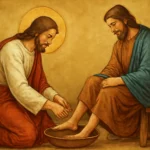
Maundy Thursday is a cornerstone of the Holy Week chronology and a day rich with ritual meaning. The term “Maundy” comes from the Latin mandatum, meaning “commandment,” referring especially to Jesus’ commandment to love one another. The events of this day center on the Last Supper, the sharing of bread and cup, and the example Jesus provides through washing the disciples’ feet. Together, these elements illuminate the way of service, humility, and communal leadership that defines the Christian life.
The Last Supper as the institution of the Eucharist, where Jesus identifies the bread as his body and the cup as his blood shed for many.
Foot washing as a powerful enactment of humility and service, teaching that no one is above serving others in love.
Gethsemane’s vigil begins as Jesus prays and faces the weight of impending betrayal and crucifixion. The narrative often continues into the night with Jesus’ in-depth discussions with the disciples about faith, loyalty, and perseverance.
Betrayal and arrest begin to unfold as night falls, setting the stage for the trials that come on Good Friday.
Traditionally, Maundy Thursday services may include a watch or vigil of prayer before the Blessed Sacrament, a symbolic keeping watch as the disciples slept in the garden. This practice invites participants to contemplate the cost of discipleship, the call to service, and the enduring presence of Christ in the sacrament of the Eucharist. In many places, churches provide opportunities for quiet reflection, confession, and renewed commitment to living out the demanding love that Jesus models on this day within the Passion Week timeline.
Good Friday: The Passion, Suffering, and the Cross
Good Friday represents the somber and central moment of the Passion Week timeline when Christians commemorate the crucifixion of Jesus. It is a day of fasting, solemn liturgy, and profound reflection on the meaning of sacrifice. The cross stands at the heart of Good Friday, as believers recall the price of salvation and the depth of divine love demonstrated in surrender, pain, and death.
Key observances commonly found on Good Friday include:
Veneration of the Cross during the service, allowing worshippers to approach, kiss, or touch the cross as a sign of reverence and gratitude.
Way of the Cross or Stations of the Cross, a devotional journey that retraces Jesus’ path to Golgotha through prayers and reflections.
Liturgy of the Word with readings from the Passion narratives, psalms, and a brief homily on the meaning of sacrifice.
Communion from the Reserved Sacrament, affirming Christ’s presence even as the altar is left bare.
In the Holy Week chronology, Good Friday does not end with despair but with a pivotal transition toward Holy Saturday and the anticipation of resurrection. The sober mood of the day makes the next celebration, the Easter Vigil, all the more powerful for believers who keep vigil for the dawn of new life. Communities often emphasize acts of charity and solidarity with those who suffer, turning the sorrow of the day into a call to compassionate action.
Holy Saturday: The Great Silence, Expectation, and the Easter Vigil
Holy Saturday is a day of quiet waiting within the Passion Week timeline, reflecting the period Jesus lay in the tomb and the souls longed for redemption. It is a day of reconciliation, penitence, and anticipation as the faithful prepare for the most glorious moment of the Christian year—the resurrection celebrated at the Easter Vigil. The tone is one of solemnity, humility, and patient hope, acknowledging the mystery of death and the certainty of life that lies beyond.
Common elements of Holy Saturday include:
Liturgical preparations for the Easter Vigil, including a new Paschal candle, baptismal rites, and the renewal of baptismal promises.
Reflection on the tomb and the signs of new creation that await realization in the Resurrection.
Scriptural readings from creation, redemption, and the gospel messages of hope.
Evening worship that culminates in the Easter Vigil, a multi-part service that ushers in the dawn of Easter with light and jubilation.
For many families and congregations, Holy Saturday is a time to gather for prayerful silence, to light candles, and to prepare symbolically for the Great Celebration of the Resurrection. The Passion Week timeline reaches a climactic point as believers anticipate the triumph of Christ over death and the promise of new life for all who believe.
Easter Sunday: The Resurrection, Joy, and the Fulfillment of the Timeline
The culmination of the Passion Week timeline is Easter Sunday, the day when Christians celebrate the Resurrection of Jesus Christ. This day stands as the central proclamation of the Christian faith: that love and life triumph over sin and death. Across cultures, Easter Sunday is marked by jubilant music, festive decorations, and renewed energy in worship. The Resurrection is not only a doctrinal assertion but a source of ongoing inspiration for daily living, mission, and hope for the future.
Alleluia bursts back into worship, signaling triumph and joy after the seasons of lament.
Holy Communion or the Eucharist, celebrated with gratitude for the new life made accessible through Christ’s resurrection.
Liturgical colors shift to white or gold, symbolizing purity and victory.
Testimony and witness as communities share stories of faith, renewal, and acts of service inspired by the risen Christ.
In many traditions, Easter Sunday is followed by additional services or festive meals, marking a season that extends beyond the immediate celebration into the liturgical season of Eastertide. The phrase Passion Week timeline is largely fulfilled in this moment of acclaim, but its impact continues as believers carry the message of grace, forgiveness, and new life into the days ahead.
How to Use This Guide: Practical Reflections for Individuals and Communities
The Passion Week timeline presented here offers a framework that can be adapted for personal devotion, family observances, or parish liturgy. You can use the structure below to design a week-long program that combines reading, prayer, and shared rituals. The goal is not merely to mark dates but to immerse participants in the meaning of each day and to cultivate a living sense of transformation through Holy Week.
Daily readings: Select gospel passages for each day and reflect on how the events relate to modern life—justice, mercy, humility, and fidelity.
Family or group activities: Create simple rituals such as blessing palms on Palm Sunday, washing feet on Maundy Thursday, or composing prayers of forgiveness for Good Friday.
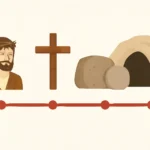
Artwork and symbolism: Use candles, crosses, or art to symbolize key moments: entry into Jerusalem, temple cleansing, the Last Supper, the Cross, and the Empty Tomb.
Music and hymns: Choose responsive songs that match the mood of each day—joyful for Palm Sunday, contemplative for Holy Monday to Holy Wednesday, solemn for Good Friday, and triumphant for Easter Sunday.
Service planning: For congregations, coordinate a layout that allows for processions, the reading of the Passion narratives, foot-washing rituals, and the Easter vigil’s candlelight moment.
In addition to worship, consider personal practices that honor the week’s themes. Some individuals adopt a routine of daily silence, fasting on specific meals, or acts of service that reflect the values demonstrated by Jesus during the Passion narrative. The enduring message of the Holy Week chronology is that the events of this week invite a decisive response: faith expressed in love, hope grounded in the Resurrection, and a commitment to live in light of God’s mercy.
Cross-Cultural Variations and Contemporary Observances
While the core events of the Passion Week timeline are consistent across Christian traditions, there are diverse cultural practices and liturgical nuances that enrich the experience. Some communities observe additional days or incorporate regional devotions that emphasize local histories, saints, or musical traditions. The variations might include:
Processions with special banners, stands of light, or regional depictions of biblical scenes.
Liturgical color changes that reflect the mood of each day, with occasional use of violet, red, white, or gold.
Rituals of service such as foot washing, anointing the sick, or public confessions, depending on church tradition.
Vigils and nocturnal prayers during Holy Saturday, which may include readings from Church Fathers or early Christian texts in addition to the biblical accounts.
Across regions, the Passion Week timeline connects believers through shared antiquity and contemporary relevance. The timeline becomes a bridge between ancient gospel narratives and modern life, reminding people that the events of Holy Week speak to questions about meaning, purpose, sacrifice, and hope that remain relevant in every generation.
Frequently Encountered Questions about the Passion Week timeline
To further support readers, here are concise answers to common inquiries about the Passion Week timeline and its observance:
Why is it called Passion Week? The term “passion” comes from the Latin passionem, meaning a suffering or active mission of Christ. The week chronicles Jesus’ passion, suffering, crucifixion, and ultimate triumph over death.
What is the significance of the Maundy Thursday rituals? The Last Supper and the washing of feet illustrate the command to serve others, model humility, and establish the Eucharist as a continuing memorial of Jesus’ sacrifice.
How do the days relate to Lent? Holy Week culminates the Lenten season, intensifying devotion and preparing believers for the celebration of Easter joy and renewal.
Are there differences between Western and Eastern Christian observances? Yes, while the core events are shared, the calendar, liturgical colors, and specific practices can differ between traditions such as Roman Catholic, Protestant, and Eastern Orthodox churches.
By embracing variations of the Passion Week timeline, readers can deepen their understanding of Holy Week and participate more fully in the living tradition that unites countless communities across the globe. The week’s events, from the triumphal entry to the empty tomb, invite all people to consider the meanings of faith, mercy, and eternal life. Whether viewed through liturgy, Scripture, meditation, or service, the timeline remains a powerful compass for spiritual reflection and communal renewal.





Leave a Reply