Ash Cross: Meaning, History, and Symbolism Explained
Ash Cross: Meaning, History, and Symbolism Explained
The ash cross is one of the most recognizable signs of the Christian liturgical year. Placed on the forehead (or, in some places, on the hand or chest), this small mark carries a weighty message: a reminder of human mortality, a call to repentance, and a signal of belonging to a community walking toward Easter. In this article, we explore the meaning, history, and symbolism of the ash cross, using variations of the term to show how the idea has been carried across cultures and denominations. Whether you think of it as a devotional practice, a rite of passage during Lent, or a symbol that anchors faith in daily life, the ash cross remains a powerful emblem of humility, renewal, and hope.
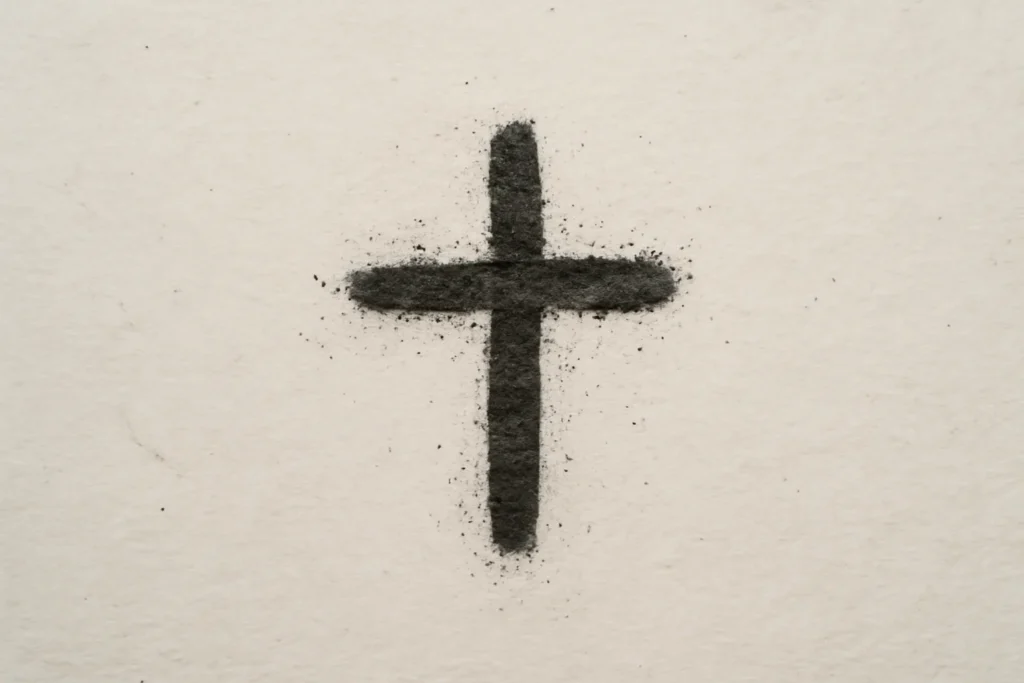
An ash cross is a small insignia drawn or pressed onto a person’s forehead (or sometimes onto the hand or chest) using ashes. The cross shape links the idea of mourning and penitence with the central Christian symbol of Christ’s crucifixion and redemption. In many churches, the ash cross is not merely decorative; it functions as a public sign of participation in the Lenten season and a personal vow to seek reconciliation with God and neighbor.
The combination of ashes and the cross is especially meaningful because it merges two layers of Christian symbolism. First, ashes evoke mortality and the fragility of human life: “dust to dust” is a frequent way of expressing that life is finite. Second, the cross is the definitive emblem of Jesus’ crucifixion and the promise of forgiveness and new life. When the ashes are arranged in the shape of a cross, the message becomes both an admission of sin and a declaration of faith in the Paschal mystery—the victory of life over death through Christ.
History: tracing the origins of the ash cross
The practice of marking the faithful with ashes has deep roots, spanning biblical imagery, medieval liturgy, and contemporary worship. While the exact form and phrasing have evolved, the core idea—acknowledging mortality and returning to God—has endured across centuries and denominations.
Ancient roots: ashes as a sign of repentance
Long before Ash Wednesday became a formal church calendar event, ashes served as a universal sign of repentance in various ancient Near Eastern and Mediterranean cultures. In the Hebrew Bible, ashes were used in acts of mourning and penitence. The practice appears in literature about repentance and humility, where ashes symbolize a turning away from sin and toward God. The Christian use of ashes inherits this imagery while adding the dimension of the Cross—Christ’s own sacrifice—as the pathway to restoration.
Medieval development: the liturgical Ash Wednesday
By the Middle Ages in Western Europe, the Church began to organize penitential practices into a more formal rhythm. The day now known as Ash Wednesday emerged as the first day of Lent, a season of fasting, prayer, and almsgiving. The ash cross became the visible sign that participants entered a period of discipline and spiritual renewal. The ashes were traditionally derived from the burned palms of the previous year's Palm Sunday, connecting the triumphal entry of Jesus into Jerusalem with the somber tone of Lent.
Protestant reception and modern diversity
As Protestant reform movements spread, many communities retained the core symbolism of ashes and penance while varying the ritual form. Some churches retained the ash cross as a formal imposition during worship; others adopted more informal or abbreviated practices, or combined the rite with personal prayers and reflections. Today, you’ll find the ash cross in Catholic, Anglican, Lutheran, Methodist, Reformed, and some Pentecostal congregations, though the way it is celebrated can differ significantly from one tradition to another.
Global and cultural adaptations
Across different countries and cultures, the practice has adapted in response to local customs, theology, and liturgical calendars. In some places, ashes are applied to both forehead and hand as a double reminder of mortality and mission. In others, the form remains a solemn forehead marking. Some communities emphasize the communal aspect of the rite, while others highlight the personal dimension of repentance. In all cases, the ash cross serves as a reminder that faith is lived publicly and collectively, not merely in private devotion.
Meaning and symbolism explained
The symbolism of the ash cross rests on several interlocking strands: mortality, penitence, Christ’s redemptive work, and the liturgical season of Lent. Each strand enriches the others to form a coherent theological message that helps believers navigate the spiritual terrain of the season.
The ashes evoke the truth that life is finite. This awareness is not meant to provoke despair but to orient life toward what truly matters: love of God and neighbor. The simple, unadorned nature of the ash cross speaks to humility before God and an acknowledgment that human power and achievement are temporary. In practical terms, that humility often translates into acts of service, charity, and reconciliation during Lent.
Repentance and renewal
To receive the ash cross is to acknowledge sin and to commit to turning away from harmful patterns. This repentance is not a one-time event but a process that unfolds through prayer, confession, and disciplined practice. The ritual marks the beginning of a season in which believers seek to align their lives more closely with God’s will.
The cross and redemption
The cross is a central Christian symbol of sacrifice, forgiveness, and new life. Placing the ash cross on the forehead binds mortality to the Christian story of salvation: that in Christ, death is not the final word and that life can be transformed through God’s mercy. This association strengthens the practice’s meaning for many believers who approach Lent as a journey toward Easter.
Lent, fasting, and disciplined living
Lent is a penitential season that invites disciplined living, prayer, and spiritual attention. The ash cross functions as a physical cue to pursue these aims. It invites reflection on how one uses time, talents, and resources, and it can serve as a prompt for meaningful conversations about faith with family, friends, and fellow worshippers.
Public witness and communal identity
Wearing or bearing the ash mark also signals belonging to a faith community in the public square. It is a visible sign that connects worshippers with a larger tradition while inviting curiosity, dialogue, and mutual encouragement. The ash cross can become a starting point for conversations about faith, morality, and the meaning of suffering in the modern world.
Ritual practice: how the ash cross is made and shared
The creation and distribution of the ash cross involve a small set of steps that vary by tradition but share a common purpose: to mark believers with a symbol that is at once penitential and hopeful.
Origin of the ashes
In many Western Christian traditions, the ashes are prepared from the burned palm fronds used on the prior year's Palm Sunday. This continuity—“from triumph to penitence”—embodies the arc of Holy Week and Lent itself. Some churches use ashes made from other plant matter, but the palm-origin is the most common historical method in Roman Catholic, Anglican, and some Protestant communities.
The rite of imposition
The act of applying the ash cross is usually performed by a priest, pastor, or lay minister who speaks a brief formula while tracing the cross on the forehead. The exact words can vary, but a familiar formulation in many Western churches is: “Remember that you are dust, and to dust you shall return.” and/or the equivalent in the local language. In some traditions, the minister may also offer a blessing or invite the person to consider particular prayers or purposes for Lent.
While the most common practice is a single forehead cross, there are notable variations:
Forehead cross as the standard form, often with a light decorative stroke after the initial cross.
Cross on the hand or forearm for those who do not wish to touch their face—more common in some non-ash-dominated cultures or with people who have sensitivities.
Cross on the chest in certain liturgical contexts, especially in communities emphasizing humility in the heart as well as on the body.
Dual marks or multiple marks in special services, though this is less common and usually symbolic for specific observances.
What the blessing adds
In many traditions, the ashes themselves are made holy through a blessing, and they function as a sacramental—the visible signs that point toward spiritual realities. The blessing of ashes helps remind participants that the mark is not a mere superstition but a liturgical reminder that God’s grace is at work in the community through symbolic acts.
Ash cross in daily life: significance beyond the service
The meaning of the ash cross often travels beyond the church walls. For many believers, the mark serves as a ongoing cue to live with more intention and curiosity about faith, ethics, and relationships.
Personal reflection and devotion
For some, the ash cross becomes a prompt to engage in daily practices of prayer, Scripture reading, or acts of service. It can be a catalyst for journaling about temptations, sins, and hopes during Lent, turning a public symbol into a personal discipline.
Artistic and cultural expressions
The ash cross has inspired art, literature, and music that explore themes of mortality, mercy, and renewal. In communities where the rite is celebrated publicly, the mark can appear in paintings, icons, or devotional photography, linking contemporary life with ancient symbolism.
Social and communal implications
Because the cross is a public sign, it also raises questions about privacy, consent, and hospitality. Some people welcome the opportunity to discuss faith in public spaces, while others prefer to observe quietly. Churches that offer the rite alongside explanations or reflective guides help create space for learners and visitors to understand the symbolism without feeling pressured to participate in a particular way.
While the core concept remains the same—the intersection of mortality, penitence, and faith—the form and emphasis of the Ash Cross differ among denominations and cultures. Understanding these variations helps readers appreciate how a single symbol can carry many layers of meaning.
In the Catholic Church, the ash cross is almost always applied on Ash Wednesday by a priest or authorized lay minister. The rite is part of a broader liturgical framework that includes fasting, prayer, and almsgiving during Lent. In many Anglican and Episcopal communities, the practice is similar, with the cross often drawn in ash while a brief invocation or blessing is spoken. The theological emphasis tends to be on repentance, mortality, and the call to holiness in the days leading up to Easter.
In some Protestant denominations, the ash cross appears as a shorter, more informal rite. In Lutheran churches, for example, the practice might be integrated into a shorter service or even offered in a non-sacramental context, depending on local custom. The emphasis may shift toward personal reflection, social responsibility, and the call to a changed life, while still retaining the cross as a symbol of Christ’s redemptive work.
Among Orthodox communities, Ash Wednesday practices vary and are sometimes less common than in Western churches. Where observed, the emphasis is often tied to the broader rhythm of Great Lent, with a focus on repentance, humility, and preparation for Easter. In some places, local churches blend Western customs with local liturgies, creating hybrids that keep the cross’s symbolism while honoring ancient traditions.
In contemporary cultures, you may encounter the ash cross in more secular or interfaith settings. Some universities, hospitals, and community centers host Ash Wednesday events that welcome visitors from diverse backgrounds. The goal in these contexts is often education and mutual respect, rather than strict observance of a sacramental rite. In addition, some churches have experimented with “Ashes to Go” or similar initiatives that offer ashes to people during commutes or at public gatherings. These efforts illustrate how an ancient symbol can adapt to modern life while preserving its core message of humility and renewal.
The ash cross remains meaningful because it distills several theological and practical commitments into a single gesture. It invites believers to recognize their limits, to seek reconciliation, and to reorient their lives toward the good news of Easter. Beyond its historical pedigree, the ash cross functions as a living sign: a reminder that faith is not only about doctrinal belief but also about the daily choices that shape character, relationships, and the ways people care for the vulnerable.
Common questions about the ash cross
If you are new to this practice, you may have questions about its meaning, appropriateness, or how to participate with respect. Here are some brief clarifications.
What does the ash represent? It represents mortality, penance, and the beginning of a journey toward Easter—conveying humility before God and a commitment to reform one’s life.
Who can receive the ash cross? In most traditions, any baptized believer may receive the ash cross, while in others it is offered to all attendees of the service or to those who request it. Some communities have age guidelines for practical and pastoral reasons.
When is it applied? The rite typically occurs on Ash Wednesday, but some denominations offer the rite at other times during Lent or during special services.
Is the ash permanent? No. The ash mark itself is not permanent and will fade over time. The spiritual significance, however, is intended to endure for the season of Lent and beyond as a reminder to grow in faith and charity.
What about people who don’t want ashes? Participation is typically optional. The church often provides alternative prayers or reflections for those who prefer not to receive the mark.
Symbols are powerful because they compress meaning into a tangible form. The ash cross does not erase the complexity of human experience—suffering, doubt, and failure remain a part of life. Yet the cross also points to healing, transformation, and the possibility of renewed purpose. For some, the ritual may evoke personal memories, family traditions, or cultural associations that enrich their engagement with faith. For others, it may raise questions about ritual, authority, or the role of public signs in spiritual life. Each reader or participant can approach the ash cross with honesty, openness, and discernment.
If you are exploring the ash cross, here are simple steps to engage thoughtfully—whether you are participating in a service or reflecting on the symbol privately.
Learn the context: Read about the origins of Ash Wednesday, Lent, and the symbolism of ashes to understand the rite within the wider story of Christianity.
Reflect on mortality and purpose: Consider what it means to acknowledge mortality and how that awareness can shape compassionate action and spiritual growth.
Consider your actions: Use Lent as a time to assess habits, increase acts of service, and cultivate humility in daily life.
Engage with your community: If you attend a service, listen to the prayers and reflections offered; if you are a leader, provide context and invitation for dialogue around the symbolism.
Respect diverse practices: Recognize that different churches may have different customs around the ash cross; approach others’ practices with curiosity and respect.
The ash cross is more than a moment in a worship service. It is a cultural and spiritual artifact that has endured for centuries because it speaks to universal themes: the fragility of life, the need for repentance, and the hope of renewal through faith. Across traditions and cultures, the ash cross remains a vivid reminder that humility can lead to transformation, that mortality can become a doorway to meaning, and that the journey through Lent toward Easter is a shared pilgrimage rooted in grace. Whether you encounter the mark in a formal liturgy, in a quiet family moment, or in a public rite designed to welcome guests and strangers, it invites you to pause, consider, and step forward with a renewed sense of purpose and community.
In sum, the ash cross is a compact symbol with a broad historical horizon and a lasting personal resonance. Its layers of meaning—death, repentance, grace, and hope—invite continual interpretation as believers walk through Lent toward the joy of Easter. By exploring its history, its varied expressions, and its enduring significance, readers can appreciate why this small mark remains a meaningful beacon within Christian life.








Leave a Reply