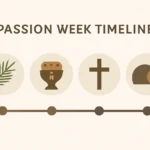
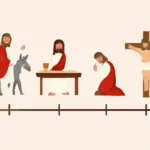
Holy Week is the most sacred and emotionally charged period in the Christian calendar. It traces the journey of Jesus from his triumphant entry into Jerusalem to the joy of the Resurrection. This day-by-day guide offers a thorough, accessible explanation of each moment, the biblical foundations, the symbolism, and the typical practices that accompany communities around the world. It is a practical resource for readers who want to understand or communicate what happens each day—from Palm Sunday through Easter Sunday.
Palm Sunday marks the ceremonial start of Holy Week. It commemorates Jesus’ entry into Jerusalem, when crowds welcomed him as a king and laid down palm branches in his path. This day blends triumphal anticipation with the grim awareness of what lies ahead, a tension that characterizes Holy Week as a whole.
Key elements of this day include:
Scriptural basis: The narrative appears in the Gospels, especially Matthew 21:1-11, Mark 11:1-11, Luke 19:28-44, and John 12:12-19, each offering a slightly different emphasis on the crowd’s response and Jesus’ mode of entry.
Symbols and rituals: The blessing and distribution of palm branches, the reception of Jesus by crowds, and sometimes the procession from the church to the outdoor space, echoing the ancient entry into Jerusalem.
Music and liturgy: In many churches, hymns such as All Glory, Laud and Honor or similar traditional melodies accompany the procession, inviting the congregation to participate in the celebration while the mood quickly shifts toward reflection on what is to come.
Thematic thread: The crowd’s cry of Hosanna embodies both praise and pleading for salvation, a reminder that the week will move from welcome to the cross, and that true recognition of Jesus as Messiah includes a willingness to follow him through hardship.
If you are reading this as a day-by-day guide to Holy Week explained, Palm Sunday serves as a powerful reminder that beginnings carry both hope and obligation. The day invites believers to examine their own response to Jesus: Do we welcome him with trust and fidelity, or do we resist the demands of discipleship?
Holy Monday: Temple Cleansing and Teachings
Holy Monday in the traditional sequence often emphasizes Jesus’ actions in and around the Temple and his teachings that challenge religious authorities and clear away what hinders true worship.
Important aspects of this day include:
The fig tree episode: In some accounts, Jesus encounters a fig tree that bears no fruit and curses it, a narrative that scholars view as a symbol of spiritual fruitfulness and judgment. The episode emphasizes faith’s outward reality—true faith bears fruit even as it is tested.
The cleansing of the Temple: Jesus enters the Temple courts and overturns tables of money changers, arguing that the house of prayer should be a place for all nations to seek God. This act crystallizes the theme of righteous justice and authentic worship absent from shallow ritualism.
Teachings in the Temple: Jesus shares parables and direct challenges to leaders who oppose his message, drawing the listeners into a decision about allegiance, authority, and the nature of the Kingdom of God.
For readers seeking a day-by-day explanation, Holy Monday invites contemplation on the relationship between faith and action. It challenges believers to consider whether their own religious life is a living expression of justice, mercy, and humility, rather than a routine that lacks depth or compassion.
Holy Tuesday: Debates, Parables, and Olivet Discourse
Holy Tuesday is commonly associated with continued teaching in the Temple, with Jesus addressing questions from religious leaders, exposing hypocrisy, and expanding his followers’ understanding of the Kingdom. Some traditions also connect this day to the Olivet Discourse, where Jesus speaks about the end times, judgment, and the coming of the Son of Man.
salient elements include:
Parables and questions: Jesus frequently uses stories to reveal truth about the Kingdom and to challenge listeners to discern the proper response to God’s invitation.
Prophetic teaching: The discourse includes warnings about false teachers, commitments to serve God wholeheartedly, and the importance of endurance in faith even when opponents intensify their opposition.
Prayer and expectation: The tone moves from debate to prayerful anticipation, as Jesus and his companions become more aware of the gravity of what lies ahead.
This day’s content in any holy calendar emphasizes the transition from conflicts with the authorities to the intimate and solemn preparation for the events of Maundy Thursday and Good Friday. The day-by-day explanation of Holy Week shows how Jesus engages minds and hearts through dialog, revelation, and exhortation.
Spy Wednesday: The Betrayal Conspiracy
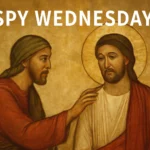
Spy Wednesday centers on the moment Judas Iscariot agrees to betray Jesus for thirty pieces of silver, a decision that triggers the sequence of events culminating in Holy Week’s most somber day, Good Friday.
Betrayal foreshadowed: The narrative emphasizes human frailty and the consequences of choosing personal gain over faithfulness to the one whom God has sent.
Anointing at Bethany: Some accounts describe a woman anointing Jesus with costly perfume, an act rich in symbolism—preparing him for burial and signaling that Jesus’ path will lead through suffering to redemption.
Reflection on fidelity: The day invites believers to consider how loyalty to God shapes choices, even when temptations to betray or “save face” are strong.
By keeping the focus on the moral and spiritual dimensions of betrayal, this variant of Holy Week explains how even a moment of weakness can be transformed by repentance, forgiveness, and a renewed commitment to God’s mission.
Maundy Thursday: The Last Supper, Foot-Washing, and the New Command
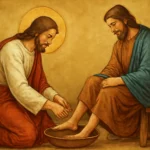
Maundy Thursday is a central hinge in Holy Week, commemorating the Last Supper Jesus shared with his disciples and the institution of the Eucharist. It also highlights the servant leadership Jesus models through the washing of the disciples’ feet and introduces the new command to love one another.
core elements of this day include:
Foot-washing as service: Jesus demonstrates humility and service, telling his followers that he has given them an example to emulate in daily life.
The Last Supper and the Eucharist: Jesus shares bread and wine, explaining that the bread is his body and the wine his blood, given for the forgiveness of sins. This becomes a foundational ritual for Christian worship across denominations.
The command to love one another: Jesus issues the imperative to love one another as he has loved us, a directive that anchors the moral life of the church and the practice of community.
Gethsemane: After the meal, Jesus prays in the Garden of Gethsemane, wrestling with the burden of what is to come. The disciples struggle to stay awake, underscoring human frailty in the face of divine necessity.
From a day-by-day perspective, Maundy Thursday anchors Holy Week in memory and action: the ritual meal, the act of service, the intimate prayer, and the impending arrest. It invites believers to participate in the life of Jesus through worship that is both intimate and communal, a meal that becomes a memorial, and a legacy of love that calls for concrete acts of mercy.
Good Friday: The Crucifixion, Sacrifice, and the Cross
Good Friday is the most solemn day of Holy Week in many Christian traditions. It contemplates the crucifixion of Jesus, his suffering, and the ultimate sacrifice that, in Christian belief, brings reconciliation with God and the possibility of new life for humanity.
Important components of this day include:
The Passion narrative: The Gospels recount Jesus’ trial before Pilate, his condemnation, the carrying of the cross, the crucifixion, and his death. Each account emphasizes different moments—the crowd’s shifting allegiance, the crowd’s role in the verdict, and the transformation that occurs at the moment of Jesus’ death.
The liturgy of the Cross: In many traditions, public prayers, scripture readings, and the veneration of the cross provide a focal point for communal mourning and contemplation. The cross is approached with reverence, not only as a symbol of pain but as the sign of ultimate love and victory through sacrifice.
Theological reflections: The day invites reflection on themes such as atonement, mercy, forgiveness, and the mystery of God’s love expressed through the suffering of Jesus.
Traditional practices: Some churches observe a period of silence, the Seven Last Words, or a contemplative vigil that marks the moment of Jesus’ death and the world’s need for salvation.
For readers following a day-by-day explanation, Good Friday stands as a stark reminder of the cost of redemption and the depth of divine love. Its starkness invites honest self-examination, repentance, and a faith that holds fast to grace even in the face of sorrow and loss.
Holy Saturday: Silence, Waiting, and the Promise of Dawn
Holy Saturday preserves the sense of sacred stillness that follows the crucifixion. It is a day of waiting, memory, and anticipation, as the early believers kept vigil for the dawning of the Resurrection.
Key elements and practices on this day include:
Vigil and preparation for Easter: In many Christian traditions, Holy Saturday culminates in the Easter Vigil, a service that transitions from darkness to light and from mourning to hope.
The tomb and contemplation: The narrative of Jesus in the tomb invites believers to meditate on mortality, redemption won through suffering, and the quiet work of God that often happens unseen.
The Paschal candle and the Word: In churches that celebrate the Easter Vigil, the lighting of the Paschal candle marks the triumph of light over darkness, followed by readings from Scripture and baptisms or confirmations for new members of the faith.
Regional customs: Across cultures, Holy Saturday might include confession, quiet prayer, or acts of mercy performed in expectation of the dawn of Easter morning.
From a day-by-day guide perspective, Holy Saturday is not simply a pause but a bridge—connecting the sorrow of Good Friday with the joy of Easter morning. It invites believers to trust in God’s timing, even when the sense of expectation is held in patient silence.
Easter Sunday: The Resurrection and the Victory of Life
Easter Sunday is the culmination of Holy Week, a day of celebration that proclaims the core Christian conviction: the Resurrection of Jesus and the promise of new life for all believers. The mood shifts from somber reflection to triumphant joy, as churches proclaim victory over sin and death.
Common features of this day include:
The Resurrection proclamation: The central message is the empty tomb; the Gospels recount the discovery by women and the appearances of the risen Christ to disciples, offering witness that sustains faith and mission.
Alleluia and festive liturgy: The word Alleluia returns to the liturgy after a period of abstinence during Lent. Music, banners, and flowers (often including lilies) symbolize new life and joy.
Global observances: From sunrise services to family meals, traditions around the world celebrate the dawn of a new era in which God’s mercy is made tangible in everyday life.
Theological themes: Easter emphasizes grace received, hope renewed, and the call to live as witnesses to the resurrected Christ in daily action, service, and community.
For readers exploring a holistic holy week explained day by day narrative, Easter Sunday is not merely a conclusion but a commissioning. Believers are invited to carry forward the message of resurrection into their homes, churches, and neighborhoods, embodying peace, justice, and compassion in response to the gift of new life.
Liturgy, Symbolism, and Daily Practice Across the Week
While the daily arc above provides a clear sequence, the true richness of Holy Week lies in the details of liturgy, symbolism, and daily practice that vary by tradition and culture. Here are some cross-cutting themes that help deepen the day-by-day understanding:
Liturgy of the Word and Liturgy of the Eucharist: The week often alternates between readings from Scripture, reflections on the Passion, and the celebration of the Eucharist, especially on Maundy Thursday and Easter.
Palm and Passion: Palm Sunday introduces a tension between celebration and foreshadowing of events yet to unfold, a pattern echoed in other days where joy and sorrow walk together.
Servant leadership and justice: From washing feet to acts of mercy and care for the vulnerable, Holy Week emphasizes the ethical call to serve others as a response to Christ’s love.
Prayer, fasting, and repentance: Many communities intensify prayer and penitential practices during Holy Week, inviting believers to examine their lives and renew their commitments.
Global diversity: Easter customs around the world include processions, dramatizations of the Passion, lighting of candles, and public feasts, echoing a universal conviction that faith speaks through ritual, memory, and shared celebration.
Whether you are following a church calendar, studying the biblical narratives, or observing the week in your community, the day-by-day structure of Holy Week provides a powerful framework for understanding the drama, meaning, and invitation of this sacred season. Throughout the week, readers encounter a progression from expectation to fulfillment, from sorrow to hope, and from isolation to communal renewal in the light of Easter.

 Por Laura Jara