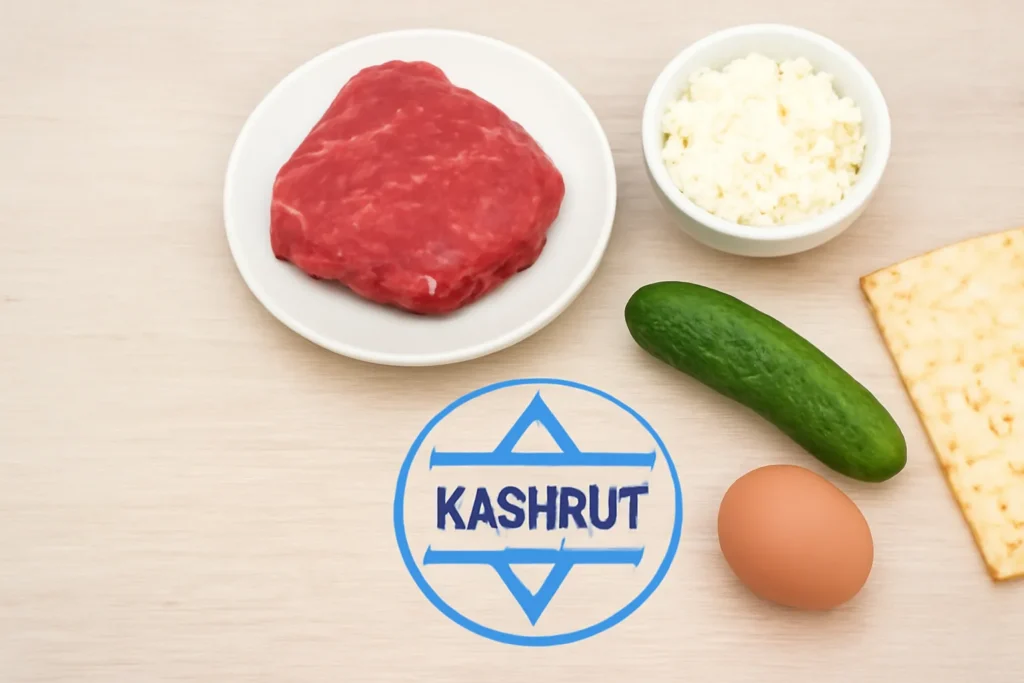
Kashrut, also known as the Jewish dietary laws, is a comprehensive framework that governs what Jewish people may eat, how foods are prepared, and how meals are handled in observant households. Rooted in biblical commands and expanded through rabbinic interpretation, these rules shape everyday life, ritual practice, and even commercial food production. The word kashrut itself comes from the Hebrew root that connotes fit or proper, signaling that these laws are meant to ensure that food is prepared in a way that aligns with tradition and health considerations. While the details can be intricate, the core idea is to differentiate what is permitted from what is forbidden, and to pursue discipline, mindfulness, and consistency in eating and cooking. This article offers a thorough overview of the key concepts, the categories of foods, and how modern households apply these ancient rules in everyday life.
Kashrut refers to a body of laws and guidelines that determine which foods are suitable for consumption according to Jewish law, how they are killed or prepared, and how they must be stored and served. These rules cover three broad areas:
The types of animals and fish that may be eaten, and how they are slaughtered.
The dairy and meat separation and the prohibition on cooking or eating certain combinations.
The preparation, processing, and supervision of foods, including issues related to equipment, contamination, and ritual observance.
In practice, adherence to kosher standards often involves supervising inspections, careful labeling, and, in some communities, a culture of meticulous cleanliness and separation. For many families, the rules are learned from a young age and integrated into daily routines, holiday celebrations, and communal meals. The moral and spiritual objectives underlying the laws include reverence for life, gratitude, and discipline, as well as the sense that food can be a meaningful connector between tradition, family, and faith.
Core Principles of Jewish Dietary Law
The structure of kosher practice rests on several foundational ideas that recur across different categories of food and ritual practice. Understanding these principles helps explain why certain foods are allowed while others are not, and why specific preparations are required.
Holders of the commandment define which animals are permissible, which require ritual slaughter, and which are outright forbidden. The categories are distinct and non-overlapping.
Separation of meat and dairy is a central rule, with prohibitions against cooking, eating, or benefiting from mixtures of meat and dairy products, and with distinct utensils and cookware often used for each category.
Cleanliness and ritual purity accompany many rules, including careful inspection for pests in fruits and vegetables, proper washing, and thorough cooking under supervision in some cases.
Certifications and supervision serve as practical mechanisms to ensure that processed foods meet the required standards and that the production chain remains kosher from ingredient sourcing to final packaging.
Meat quality and slaughter rules involve specific methods of slaughter and inspection to ensure humane killing and maximum removal of blood, which carries symbolic and ritual significance.
Evolving interpretations exist across communities, from widely accepted standards to more stringent or precautionary practices, such as glatt kosher or mehadrin levels of supervision.
Categories of Foods: Meat, Dairy, and Pareve
Most people think of three broad categories when discussing dietary laws: meat, dairy, and pareve (foods that are neutral with respect to meat and dairy). Each category has its own rules about preparation, serving, and combination.
Meat (Fleishig)
Animals used for meat must be kosher — typically, land mammals that have split hooves and chew their cud, such as cows and sheep. Birds of prey and certain other birds are forbidden.
Meat requires proper shechita, a swift, humane slaughter performed by a trained practitioner. The process aims to minimize suffering and facilitate blood removal.
During preparation, blood must be removed from the meat as part of the ritual requirements. In many communities, this is achieved through soaking and salting or through modern processing that adheres to the same outcome.
Dairy (Milchig)
Dairy products come from animals that are generally permitted for consumption, but they must be produced in a way that complies with the broader kosher framework.
There is a separate category of equipment and utensils designated for dairy use, to prevent cross-contamination with meat.
Some households observe additional constraints—such as strict supervision on dairy products or the practice of chalav Yisrael (rabbinic supervision of milk) in certain communities or families.
Pareve (Neutral foods)
Pareve foods can be eaten with either meat or dairy, but they must be prepared and stored in equipment that is not contaminated by the other category, unless proper kosher processes are used.
Typical pareve items include many fruits, vegetables, grains, coffee, and fish, subject to the same constraints about insects, pests, and processing.
Animal and Bird Regulations
A key aspect of the kosher framework is the distinction between animals that are permitted and those that are forbidden, based on anatomical and ritual criteria. The rules are explicit and precise, and they guide everyday food choices as well as the way animals are raised, slaughtered, and inspected.
Land mammals that may be eaten
To be considered kosher, a land mammal must have split hooves and chew the cud.
Examples of acceptable animals include cows, sheep, goats, and certain deer species. Each species must meet both criteria; lacking either disqualifies the animal.
Other mammals, such as pigs, rabbits, and camels (in some traditions), do not meet the criteria and are forbidden.
Forbidden animals and insects
Many animals are outright forbidden regardless of other considerations, including most insects (with notable exceptions for certain locust species in some traditions) and non-kosher predators.
Dogs, cats, and many other carnivores and omnivores are not considered kosher for consumption; birds of prey are also prohibited.
Birds
The Bible lists certain birds as forbidden, and later rabbinic authorities added to or clarified the list. Most common poultry such as chickens, ducks, turkeys, and geese are kosher when properly slaughtered and prepared.
Birds of prey and certain scavengers are not kosher. Communities rely on authoritative lists to determine which birds are acceptable.
In the realm of fisheries, kosher rules are clear and specific: a fish must have fins and scales to be considered kosher. This criterion distinguishes many edible seafood from non-kosher options.
Examples of kosher fish include salmon, tuna, cod, and halibut, provided they are prepared under proper supervision and sourced from compliant facilities.
Shellfish, crustaceans, mollusks, and most other sea creatures without scales are not kosher, which includes shrimp, crab, lobster, and oysters.
There are debates about certain fish with unusual features, but the standard halachic rule remains: fins and scales visible to the eye are the hallmark of kosher fish.
Slaughtering and Preparation: Shechita and Related Concepts
Central to the preservation of life and the proper handling of animals is the ritual method of killing: shechita. This humane slaughter is designed to minimize pain and ensure rapid bleeding, which is essential for the removal of blood in accordance with the relevant laws.
A trained shochet performs the cut with a sharp knife that is carefully inspected for smoothness, ensuring it is free of nicks or imperfections.
After the slaughter, the meat undergoes a process that may involve removing blood and checking for any hidden injuries or disqualifications.
In some Jewish communities, there is additional concern with the level of supervision of the slaughter and the overall quality of the meat, leading to terminology such as glatt kosher, which emphasizes the absence of lung adhesions as a testament to stricter standards.
Kosher for Meat and Dairy: Separation, Timing, and Utensils
The separation of meat and dairy is not only a dietary rule but a practice that shapes kitchen layout, meal planning, and even social rituals. The separation extends beyond the plate to the way food is prepared and served.
Separate utensils, cookware, and dishware are used for meat and dairy to avoid cross-contamination. Some households maintain strict distinct sets for both categories.
Waiting periods between eating meat and dairy vary among communities, often ranging from a few minutes to several hours. The exact timing is typically determined by tradition and rabbinic guidance within a given community.
Special rules often apply to kitchen layouts, including the placement of sinks, countertops, and basins, to minimize the risk of mixing meat and dairy in practice.
Kashrut Certification and Supervision
In modern markets, many processed foods rely on formal certification to verify that products meet kosher standards. Certification marks indicate that ingredients, production lines, and facilities comply with halachic requirements.
Common certification bodies provide markings such as a K, OK, Star-K, and other symbols indicating that a product is considered kosher by that organization.
Within the kosher certification spectrum, there are variations such as mehdarin (stringent adherence), glatt kosher (strict standard related to certain animal organs), and broader kosher supervision programs that oversee entire factories or product lines.
On the consumer side, learning to read labels and understand the implications of parve, dairy, and meat designations helps travelers and families choose appropriate products.
Grape Products, Wine, and Mevushal Rules
Grape products, including wine and grape juice, require special attention in Jewish dietary law due to historical associations with idolatry and ritual purity concerns. The rules vary by community but commonly include:
Some wines and grape products must be handled by Jews or under supervision to be considered fully kosher for consumption by observant Jews.
Mevushal refers to wine that has been heated to a certain temperature, making it acceptable for use by non-Jews or in contexts where strict supervision is not possible for every batch.
In many communities, grape products carry additional stringencies or exemptions depending on the certification and the production method.
Bishul Akum and Cooking Rules
Bishul akum is a concept that prohibits cooking by a non-Jew for other Jews, with several exceptions and variations. This rule reflects concerns about the involvement of non-Jewish individuals in certain food preparations and the potential implications for the sanctity of meals shared in community life.
The basic rule prohibits a non-Jew from cooking certain dishes that are considered to be in a Jewish home or shared with the Jewish household, unless a Jew supervises or participates in the cooking process.
There are leniencies for certain foods or when a non-Jew does not intend to imitate Jewish cuisine, as well as times when no cooking is required due to time or logistical constraints.
Chalav Yisrael and Chalav Stam
Milk policies vary by community, with two common approaches:
Chalav Yisrael means milk is produced under proper rabbinic supervision to ensure the milk is handled according to halachic standards from milking onward.
Chalav Stam is milk produced without rabbinic supervision, which some communities accept with caveats or exemptions depending on local custom and the certification of the dairy process.
Practical Guidelines for Household Kitchens
For households seeking to maintain kashrut in modern life, practical guidance helps translate ancient rules into everyday routines. The following guidelines can serve as a baseline for planning, shopping, and cooking.
Designate separate utensils and storage spaces for meat and dairy items. Labeling and color-coding can help prevent cross-contamination.
Keep a clear separation of pots, pans, cutting boards, and utensils used for meat versus dairy, and consider dedicated appliances where feasible (e.g., toasters, mixers).
Inspect fruits and vegetables for insects and pests, especially leafy greens and berries, and wash produce thoroughly before consumption or cooking.
Understand the parve category for ingredients like eggs, fruits, vegetables, and grains, which can bridge meat and dairy meals when prepared carefully.
Be mindful of processing aids and additives in packaged foods that may have non-kosher origins or processing steps that violate kashrut rules.
Kashrut in Restaurants and Institutions
Restaurants, cafeterias, and institutions serving food to the public often rely on external certification agencies to guarantee compliant menus. For diners, understanding the level of supervision helps set expectations about what is permissible and what requires extra caution.
Popular levels of accreditation include standard kosher, glatt kosher, and mehadrin, each with varying degrees of stringency in the sourcing of ingredients and the handling of meat and dairy.
In addition to meat/dairy separation, institutions may track issues such as kashrut for equipment sharing, cleaning protocols, and cross-contact risks in cooking environments that use shared utensils.
Travelers can look for certification symbols on packaged foods and ask questions about kitchen practices when dining out, especially in international markets where customs and interpretations may differ.
As with any complex tradition, there are debates and misunderstandings about how strictly to observe the rules and how to apply them in new contexts. Here are some common topics that often arise in discussions about kashrut.
Cross-contamination concerns are a frequent topic in kitchens that attempt to balance convenience with strict separation. For example, oil used to fry meat may be reused for dairy in some settings, which would violate typical separation rules in stringent contexts.
Industrial production poses challenges when facilities produce multiple products on shared lines. Certification helps ensure that halachic requirements are maintained throughout the process.
Some communities emphasize challah and kavod ha-bereshit in social settings, turning meals into moments of study and reflection while maintaining mindful eating practices.
Pesach and Expanded Kashrut Considerations
The festival of Passover introduces additional layers to culinary rules, evolving kashrut standards to address chametz (leavened grain) and other dietary concerns unique to the holiday. Observers often adopt stricter rules during the festival, including:
Avoiding leavened products and clarifying ingredients to ensure no chametz remains in foods or on utensils.
Using dedicated cookware and baking equipment that is thoroughly cleaned or sealed to prevent leavened grains from mingling with ritual foods.
Some households observe stricter guidelines, such as separate sets of dishes and utensils that are used only during Passover, while others rely on certified kosher for Passover products.
Historical Context and Ethical Considerations
The development of kashrut has historical roots in biblical commands and later rabbinic interpretations. Over centuries, the rules evolved in response to changing agricultural practices, new food technologies, and the needs of diverse Jewish communities worldwide. While the specifics may vary, many scholars and practitioners emphasize the ethical dimensions: humane animal treatment, mindful consumption, gratitude for sustenance, and the idea that eating can be a ritual act that honors tradition and community.
Practical Scenarios: How People Apply Kashrut in Daily Life
Applying the laws of kashrut in everyday life involves a mix of routine, ritual, and community norms. Here are some real-world examples of how people navigate these rules in various contexts.
A family plans a Shabbat meal with a clear separation of meat and dairy courses, using two sets of serving dishes and cookware. They might begin with a Borei Minei Besamim blessing over candles before meals and then observe the kiddush with wine that aligns with their community’s standards for grape products.
A student studying abroad seeks kosher-certified options at a university cafeteria, looking for pareve meals when they want to mix meat with dairy on different days or occasions.
A home cook prepares a meat-based soup and later a dairy dessert, ensuring appropriate waiting periods and using separate utensils to prevent cross-contact, while also washing hands and surfaces between meals.
A traveler encounters a restaurant with unclear labeling and asks staff about the sourcing of meat, whether its slaughter followed shechita, and whether the kitchen maintains separate zones for meat and dairy preparation.
Historical Variations and Regional Practices
Across Jewish communities—from Ashkenazi and Sephardi to Mizrahi and Ethiopian traditions—the application of kashrut has been shaped by local customs and interpretations. Some communities emphasize particular strings of ritual laws, while others focus on general guidelines with flexible exceptions. The existence of diverse approaches such as glatt kosher and mehadrin reflects a spectrum of observance, tolerance, and communal identity. Understanding these variations helps explain why the same product may carry different labels in different markets and why some families choose stricter or more lenient policies in their homes.
Designing a Kosher Kitchen: Practical Steps
For households seeking to implement or optimize a kosher kitchen, several practical steps can be taken to create an organized and sustainable system. Consider these recommendations:
Map out a layout that minimizes cross-contact, with dedicated zones for meat and dairy and clear pathways for food preparation and cleanup.
Invest in a practical labeling system for utensils, cutting boards, pots, and pans, possibly color-coding or using distinct sets for meat and dairy.
Choose a reliable kosher certification for packaged foods and beverages, and teach household members how to read and interpret certification marks.
Establish a routine for checking ingredients and avoiding items with questionable processing aids or non-kosher additives.
Offer education to all household members, especially children, about why certain foods are prepared in particular ways and how to maintain ritual hygiene and respect for the rules.
Common Tools and Terms You’ll Encounter
To help you navigate the vocabulary of kashrut, here is a concise glossary of some frequently used terms:
Kosher or kosher now: foods that comply with the dietary laws, including preparation and handling.
Pareve: foods neutral with respect to meat and dairy; can be eaten with either category when prepared appropriately.
Meat (Fleishig): foods derived from kosher animals that have been slaughtered according to halachic rules; require separate handling from dairy.
Dairy (Milchig): products derived from kosher animals or dairy ingredients; require separation from meat and the use of separate utensils.
Chalav Yisrael and Chalav Stam: rabbinic supervision of milk production vs. non-supervised milk, respectively.
Shechita: ritual slaughter performed by a trained professional to ensure humane killing and proper blood removal.
Glatt Kosher: a stricter standard within meat products, signifying additional quality checks (not universally identical across communities).
Bishul Akum: cooking by a non-Jew in contexts where Jewish involvement is required for certain dishes.
Mevushal: heated wine that can be consumed under more lenient supervision rules, common in some kosher wine production.
Ethical and Community Dimensions of Kashrut
Beyond ritual compliance, many people view kashrut as a practice that fosters responsibility, community accountability, and ethical treatment of animals. The emphasis on humane slaughter, careful inspection, and avoidance of waste reflects values that many find meaningful and enduring. For some, the kitchen becomes a space for spiritual focus, family bonding, and learning, while for others it serves as a visible sign of identity and tradition. As communities continue to adapt to new food technologies, evolving labeling practices, and global supply chains, the conversation about how to maintain integrity while embracing innovation remains ongoing.
Summary of Key Points
To wrap up the central ideas of Kashrut Dietary Laws in a concise way:
Kashrut designates what is permissible, how foods are prepared, and how they are served.
Only kosher animals that meet specific criteria may be eaten, and fish must have fins and scales.
Meat and dairy are strictly separated, and many households maintain distinct utensils and dishware for each category.
Processed foods often rely on certification to verify compliance with halachic standards.
Grape products and wine may require additional supervision, with variations such as mevushal in some contexts.
In the kitchen, practical steps include labeling, separate storage, thorough washing, and careful ingredient scrutiny.
Understanding kashrut involves appreciating both its ritual depth and its everyday practicality. For many families, the laws offer a framework that connects meals to tradition, fosters mindful eating, and creates opportunities for learning, hospitality, and shared identity. Whether you are a curious learner, a student of rabbinic literature, a parent organizing a household, or a traveler navigating kosher menus around the world, the core concepts outlined here provide a solid foundation for engaging with Jewish dietary rules in a respectful and informed way.








Leave a Reply