Stories Jesus Told: A Guide to Jesus’ Parables Today
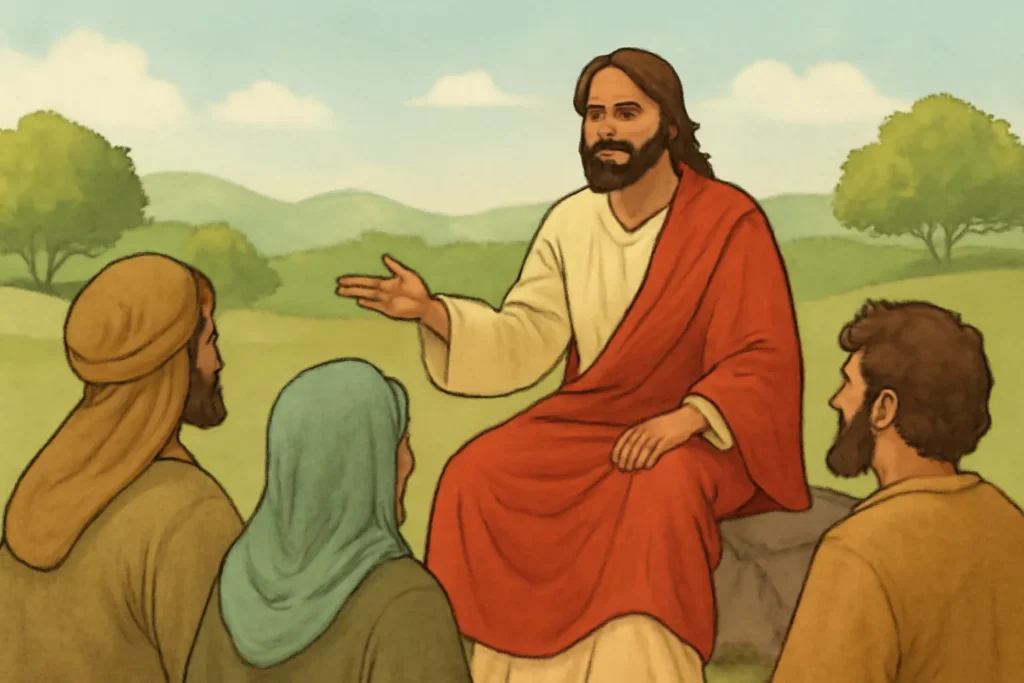
Throughout the Gospels, Jesus used short stories—called parables—to illuminate complex truths about God, humanity, and the kingdom of God. These narratives draw on familiar experiences from daily life—farming, hosting, family, work, and travel—to invite listeners into a deeper reflection on love, justice, mercy, and responsibility. This guide explores some of the most famous parables Jesus told, helps unpack their core meanings, and offers ways to read them that remain relevant in contemporary life. The goal is not to exhaust every interpretation, but to provide a sturdy map for engaging with these stories in a thoughtful, practical, and ethically responsible way.
What is a parable, and why does Jesus tell them?
A parable is a brief, vivid story that conveys a spiritual or moral lesson. Jesus often told parables to provoke a decision or transformation rather than merely to inform. Parables typically:
use concrete imagery from ordinary life
present a moral dilemma or invitation that requires a response
reveal layers of meaning, so listeners can discern multiple applications
point toward the grace and judgment of God, depending on how one acts in light of the message
Reading parables today involves honoring their ancient context while also recognizing their continuing relevance. In many cases, parables feature a central tension between human short-sightedness and the expansive, surprising generosity of God. They invite readers and listeners to engage with questions about belonging, neighbor-love, responsibility, and the kind of life that bears fruit in a complicated world.
Core themes that run through Jesus’ parables
While each parable has its own story, several themes recur across the corpus:
The kingdom of God as a present reality and future hope.
Grace and forgiveness that often surprise the unworthy or the overlooked.
Repentance and turning toward a life shaped by compassion, mercy, and justice.
The importance of hearing and responding to a divine invitation.
The value of every person, especially those on the margins, and the inclusive scope of divine love.
Ethical implications for daily life: generosity, stewardship, honesty, humility, and care for the vulnerable.
Classic parables and their enduring relevance
In the sections that follow, you will find short, reader-friendly summaries of a number of well-known parables, each framed with a lens for present-day understanding. For each story, there is a brief description, a note on key symbolism, and thoughts about how the parable can inform personal conduct, community life, and public ethics today.
The Sower (often found in Matthew 13, Mark 4, Luke 8)
The parable begins with a farmer sowing seed, and the seeds fall on four different soils: a path, rocky ground, among thorns, and good soil. The seed that lands on the good soil yields abundant fruit, while the seeds on the other soils fail to grow or are choked.
Key imagery: seed represents the word of God; soil represents human receptivity; fruit represents transformed life. The story emphasizes that reception matters, but it also calls for a patient, faith-filled spread of truth. In contemporary life, the Sower invites us to tend the soil of our own hearts—through humility, discernment, and perseverance—and to recognize the social factors that either nurture or hinder growth in communities and institutions.
Modern takeaway: Education, dialogue, and empathetic listening can prepare the ground for meaningful change. It also challenges listeners to evaluate how media, culture, and personal distractions may either cultivate or inhibit spiritual growth.
The Mustard Seed (Matthew 13:31-32; Mark 4:30-32; Luke 13:18-19)
This brief tale describes a tiny mustard seed that grows into a large shrub, providing shelter for birds and offering a surprising scale of growth from small beginnings.
Key imagery: the kingdom of God often begins in modest, quiet ways but expands beyond expectation. The parable invites trust that small, faithful acts—kindness, truth-telling, and steady advocacy for justice—can multiply into significant, transformative impact.
Modern takeaway: In an era of rapid change and vast systems, small acts of integrity and courage—mentoring a child, supporting a neighbor, or starting a community project—can take root and become a force for good greater than their initial size suggests.
The Lamp on the Stand (a counterpart to themes in Luke 8:16; Matthew 5)
“No one lights a lamp and hides it under a basket, but on a stand,” Jesus says, calling listeners to let light shine publicly.
Key imagery: visibility, integrity, and public witness. The parable emphasizes that the ethical life is not private merely for safety; it is designed to be seen and to illuminate others.
Modern takeaway: In workplaces, schools, and online spaces, living with consistency and courage—combating misinformation, standing up for the vulnerable, and practicing honest dialogue—serves as a social light that can spark trust and constructive conversation.
The Good Samaritan (Luke 10:25-37)
A traveler is beaten and left by the roadside. Several pass by, but a Samaritan—the outsider—stops, cares for the wounded person, and ensures ongoing relief, even paying for care beyond what is necessary.
Key imagery: neighbor-love that crosses boundaries of race, religion, and social status. The parable expands the definition of “neighbor” beyond tradition to anyone in need, challenging listeners to act with practical mercy.
Modern takeaway: Compassion in a diverse society requires courage, hospitality, and concrete acts of generosity—supporting refugees, mentoring youth from difficult backgrounds, or advocating for systemic care for the sick and marginalized.
The Prodigal Son (Luke 15:11-32)
Two brothers represent contrasting responses to a father: the younger son, who squanders wealth but returns seeking mercy, and the elder brother, who resents generosity toward the wayward. The father embodies extravagant grace.
Key imagery: repentance, forgiveness, and hospitality. The story reframes salvation as a communal celebration and invites readers to wrestle with jealousy, pride, and the inclusive nature of love.
Modern takeaway: The parable invites communities to welcome restoration and to resist punitive, exclusionary attitudes. It also asks individuals to examine their own impulses toward judgment or self-righteousness and to pursue reconciliation and shared joy.
The Lost Sheep (Luke 15:3-7)
A shepherd leaves ninety-nine sheep to search for one that is lost, and rejoices when it is found.
Key imagery: every person matters to God; there is immense value in seeking what is missing and in celebrating redemption.
Modern takeaway: In a diverse society, the parable validates outreach to marginalized individuals and emphasizes collective joy when care, rescue, and restoration occur. It encourages communities to invest in programs that help people re-enter relationships and institutions with dignity.
The Lost Coin (Luke 15:8-10)
A woman searches diligently for a lost coin, lights a lamp, sweeps the house, and rejoices upon finding it.
Key imagery: diligent care, attention to small details, and communal celebration when what was missing is recovered.
Modern takeaway: This parable can inspire careful stewardship of resources and dedicated outreach to those who feel invisible. In congregations or organizations, it can motivate mid-course adjustments to ensure no one is overlooked.
The Talents (Matthew 25:14-30)
A master entrusts three servants with varying sums of money. Two invest wisely and multiply what they have; the third hides his portion out of fear. When the master returns, the two faithful servants are praised, and the fearful one is rebuked.
Key imagery: stewardship, risk, audacity in faith, and accountability for gifts and opportunities.
Modern takeaway: The parable challenges believers to use their gifts—financial, intellectual, artistic, relational—for the common good, while acknowledging the reality of risk, failure, and grace when efforts fail. It also invites thoughtful conversation about economic justice and responsible stewardship in communities and institutions.
The Rich Fool (Luke 12:16-21)
A man stores up wealth and plans for years of "good living" but dies suddenly, leaving the question of whose wealth it was and what finally matters.
Key imagery: misplaced security in possessions; the call to prioritize life oriented toward God and neighbor rather than accumulating stuff.
Modern takeaway: The parable invites reflection on consumerism, retirement anxiety, and the ethics of wealth. It encourages prioritizing meaningful relationships, ethical investment, and generosity as lasting forms of security.
The Net (Matthew 13:47-50)
Fishermen haul in a net full of fish, sorts the good from the bad, and discards the latter at the end of time.
Key imagery: separation of outcomes in the end; judgment and grace living side by side in the present age.
Modern takeaway: This parable can frame discussions about accountability, law, and mercy in communities and institutions—the idea that not every gathering or policy will yield the same outcomes, and discernment matters in policy and practice.
The Pearl of Great Price (Matthew 13:45-46)
A merchant sells everything to buy a single precious pearl, valuing it above all else.
Key imagery: supreme value; the kingdom of God is priceless and worth every cost incurred to obtain or protect it.
Modern takeaway: The parable can shape ethical choices about priorities—what we invest our time, money, and energy in—and the ways communities recognize and protect what is truly precious, whether in relationships, truth, or shared life.
The Wedding Banquet (Matthew 22:1-14)
A king invites guests to a wedding, but some refuse; others respond with hostility, and finally outsiders are welcomed. The feast symbolizes the open invitation to the kingdom, with warnings about pride and preparation.
Key imagery: invitation, readiness, and the danger of presuming entitlement. The parable highlights justice and mercy in the divine guest-list, as well as the costs of true participation in communal life.
Modern takeaway: This story challenges institutions and communities to extend welcome to those outside the inner circle, while also insisting on integrity and preparedness among those who claim belonging.
The Wise and Foolish Builders (Matthew 7:24-27)
A man who hears Jesus’ words and acts on them builds his life on rock; another who disregards the words builds on sand. When storms come, the difference is stark.
Key imagery: foundation and resilience; the parable connects hearing with doing, and suggests that stability in life comes from a disciplined, principled practice.
Modern takeaway: In personal life, organizations, and governments, the parable encourages policies and practices grounded in ethical principles, evidence, and long-term care for the vulnerable, especially in crises.
The Workers in the Vineyard (Matthew 20:1-16)
A landowner hires workers at different times of the day but pays them equally, sparking questions about fairness and generosity in the distribution of blessing.
Key imagery: divine generosity often transcends human expectations of fairness; the parable invites contemplation of how to interpret justice in light of grace.
Modern takeaway: In workplaces, ministries, and social programs, this story invites ongoing conversation about equity, mutual dignity, and the ways incentives shape behavior while offering mercy that surpasses strict equivalence.
Variations of parables: modern retellings and thematic expansions
To make these ancient stories more accessible in a contemporary context, many educators and storytellers offer modern adaptations that preserve core motifs while translating them into present-day concerns. Below are several parabolic variations designed to broaden semantic breadth, inviting readers to see familiar themes in fresh light.
Variation 1: The Prodigal Daughter in the Digital Age
In this retelling, a young woman leaves home to pursue a dream in a bustling city, spends recklessly, and eventually returns; the community is quick to judge, but the parent’s response is steadfast, emphasizing forgiveness and renewed relationship. Social media shares the return widely, inviting dialogue about accountability, intergenerational trust, and community reintegration.
Takeaway: Grace is shown as communal restoration rather than private appeasement. The modern version foregrounds the social ripple effects of forgiveness—how families, friends, employers, and faith communities respond when someone re-enters life after a costly mistake.
Variation 2: The Good Samaritan in an Urban Neighborhood
A bystander helps a stranger who has been assaulted in a crowded city street; the scene unfolds across camera phones, bystanders, and conflicting loyalties. The story foregrounds practical mercy and cross-cultural solidarity, showing how neighbor-love can outpace fear and suspicion through consistent, courageous action.
Takeaway: The parable reframed emphasizes civic courage, community safety, and the moral obligations of bystanders to act with compassion even when it costs something—time, risk, or personal comfort.
Variation 3: The Sower on Social Media
A teacher drops short lessons online that fall on varied audiences—some readers ignore the posts, some share them, and others become ardent supporters. The “soil” is crowded by distractions, misinformation, and algorithmic feeds that can either nourish or deprive the word of its vitality. The story invites reflection on how digital culture shapes belief, discernment, and growth.
Takeaway: The parable invites users of technology to cultivate healthy online soil—careful consumption, thoughtful sharing, and constructive engagement that fosters understanding rather than division.
Variation 4: The Net and the Workplace
A team manager casts a net to recruit talent from diverse backgrounds. Some hires prove fruitful, others do not. At year’s end, the team evaluates outcomes not only by metrics but by how well newcomers were welcomed, mentored, and integrated. The parable reframes the idea of success as a holistic measure of community flourishing.
Takeaway: This version highlights inclusive leadership, fair evaluation, and the ethical responsibility to create opportunities for people who might otherwise be excluded from the center of power.
Guidance for reading parables today
To engage with Jesus’ parables in a way that is both faithful and practical, consider the following approaches:
Identify the core question: What is the central concern or invitation in the story? Is it about mercy, justice, or faithfulness?
Read for the other person: Parables often shift the focus from the reader to the characters in the story. Who is the outsider, the insider, the neighbor, or the judge?
Notice the tension: Parables frequently present a tension between human expectations and divine generosity. What assumptions are challenged?
Consider practical applications: What does the parable require you to change in your daily life—how you treat others, how you use resources, or how you respond to crisis?
Balance grace and justice: Many parables blend mercy with accountability. Reflect on how a community can embody both compassion and integrity.
Reading strategies for classrooms, churches, and home groups
Parables can be studied across different settings. Here are some practical strategies to facilitate insightful discussion and personal growth:
Story circles: Read the parable aloud, then invite participants to describe what stood out in the imagery and what feelings arose.
Character maps: Create profiles for key figures (the farmer, the prodigal, the Good Samaritan) and explore their motivations and biases.
Modern scenarios: Invite participants to imagine a contemporary situation that mirrors the parable’s dynamics and discuss possible responses.
Action plans: End sessions with concrete commitments—acts of service, renewed relationships, or personal disciplines—that translate insight into practice.
Cross-parable comparisons: Explore how two or more parables address a common theme (for example, mercy and accountability) and note similarities and tensions.
Conclusion: parables as a living conversation
Jesus’ parables remain powerful precisely because they resist neat conclusions and invite ongoing interpretation. They do not merely teach ideas; they probe loyalties, shape communities, and challenge readers to live with radical generosity, humility, and courage. In today’s world—with its rapid change, social fragmentation, and moral complexity—these stories offer a way to name realities, cultivate character, and imagine a more compassionate and just human flourishing. By reading parables with imagination and care, we can gain fresh insight into ancient truths and discover new paths for living with integrity, hope, and love in communal life.
Further resources for deeper study
If you’d like to explore more about Jesus’ parables from scholarly, devotional, and practical perspectives, consider these avenues:
Study editions of the Gospels that annotate parables with historical context and literary structure.
Commentaries focused on the kingdom of God and parabolic literature.
Devotional guides that pair each parable with questions for reflection and prayer.
Interfaith and civic dialogues that examine themes of neighbor-love, justice, and mercy through the lens of parabolic teaching.









Leave a Reply