The Nation of Israel in the Bible: A Guide to History and Prophecy
The Nation of Israel in the Bible: A Guide to History and Prophecy
This article offers a comprehensive look at the nation of Israel in the Bible—its origins, identities, covenants, and the prophetic strands that run through its story. By tracing the arc from patriarchal promises to prophetic hope and messianic expectation, readers can gain a clearer sense of how Israel in Scripture shapes both ancient history and theological imagination. Throughout, we will encounter various designations for the people: the Israelites, the house of Israel, the people of God, Jacob’s descendants, and the seed of Abraham, among others. Each label adds nuance to how the biblical narrative describes a people bound to land, covenant, and vocation.
The Genesis of the People: From Abraham to the Nation of Israel in the Bible
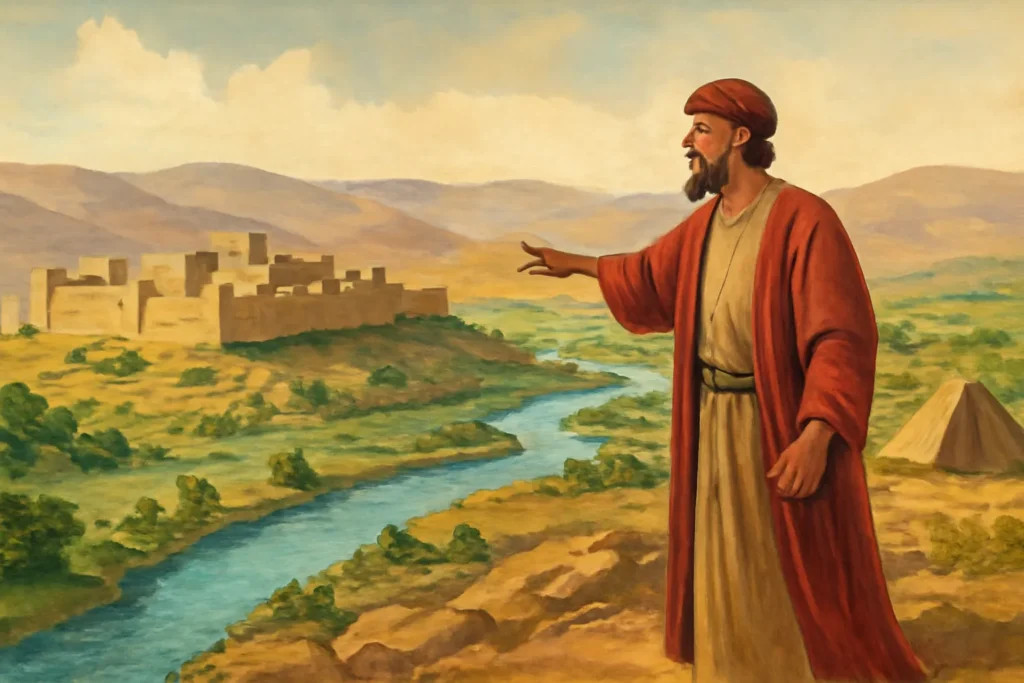
The biblical account begins with a father of faith, Abraham, whose call inaugurates a lineage destined to become the nation of Israel in the Bible. The key moments include the promises of land, offspring, and blessing, often summarized as a covenant that binds God to a chosen family and, through them, to the broader world.
The Abrahamic promise: Land (the land of Canaan), numerous descendants, and a universal blessing through the line of Isaac and Jacob.
The changing name pattern: From Abram to Abraham, signaling a new identity in light of the covenant.
Inheritance and faith: The narrative emphasizes trust in God’s faithfulness, even when the future seems uncertain.
As generations unfold, the descendants of Jacob multiply and migrate, and the term Israel emerges as both a personal name (Jacob) and a national designation for his descendants. The story thus moves from genealogies to a people with a formed sense of destiny, aligned with divine purposes and historical commitments.
Names and Identity: What the Israelites Are Called
Names carry meaning in biblical literature, and the nation of Israel in the Bible wears several identities that illuminate its mission and self-understanding:
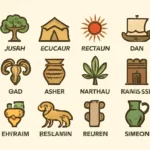
Israel as a tribal-national designation tied to Jacob’s name and the twelve tribes.
The Israelites as a people with a common heritage and covenantal responsibilities.
The people of God or the people of Yahweh, highlighting their religious vocation and allegiance.
Jacob’s descendants, emphasizing lineage and fulfilled promises across generations.
The seed of Abraham, stressing the spiritual and promised dimension that extends beyond mere ancestry.
In addition to these core terms, biblical writers speak of Zion and Jerusalem as symbolic and literal centers of national life, worship, and prophetic expectation. The interplay of these names helps readers grasp how Israel in Scripture is simultaneously a people, a land, and a divine project that invites faithfulness and accountability.
The Covenant People: Abrahamic, Mosaic, and Davidic Promises
Promises and covenants are the backbone of the nation of Israel in the Bible. Three major covenants shape its identity and destiny:
The Abrahamic Covenant: God’s pledge to bless Abraham’s offspring, make them a great nation, and bless all nations through them. This covenant lays the theological groundwork for election and mission, even as it anticipates national formation in a land of promise.
The Mosaic Covenant: Delivered at Sinai, this covenant establishes the law, worship, and covenantal fidelity as the core of national life. It frames how the Israelites relate to God and to one another, including the responsibilities of obedience, purity, and justice.
The Davidic Covenant: God’s promise to establish a royal line through David, ensuring a future king who will rule with justice and righteousness. This covenant adds a political and eschatological dimension to Israel’s storyline, linking national destiny to leadership and peace.
These covenants are not isolated documents but a coherent thread. They address identity, structure, and prophetic expectation, shaping how later prophets and writers understood national faithfulness, exile, and restoration. Readers encounter a biblical pattern: fidelity to the terms of the covenants leads to blessing and stability, while disobedience invites consequence and correction, often through discipline and exile, yet always within a framework of hope.
The Land and Its Promises: Canaan, Zion, and the Promised Land
Land is more than territory in the biblical vision; it embodies covenantal relationship, identity, and vocation. The land becomes a central motif in the life of the nation of Israel in the Bible, functioning as:
Land of promise: A place apportioned to the descendants of Abraham as a testament to God’s faithfulness.
Land as vocation: The land calls for obedience, justice, and worship that centers on righteousness and mercy.
Jerusalem and Zion: The political and spiritual heart of the nation, hosting the Temple, the priesthood, and the cultic life of worship.
The conquest narratives in the books of Joshua and Judges recount how the people moved from wandering tribes to a settled society, with cities, judges, and a fealty to the God who led them. Yet even within the land, the people grapple with allegiance—between exclusive covenant faithfulness and the pressures of surrounding cultures. The prophetic books repeatedly call for dedication to the God of Israel while warning against syncretism, injustice, and neglect of the vulnerable in society.
Exodus and Formation: The Nation of Israel in the Wilderness
Exodus marks the formative moment when Israel in Scripture becomes more than a family line. God’s acts of rescue, delivery through the Red Sea, and the giving of the Law forge a community with a distinctive identity and governance. Key features of this formation include:
Deliverance and covenant: God saves his people and binds them to a life shaped by commandments, worship, and community justice.
Wilderness testing: The journey is a school in faith, dependence, and obedience, where trust in God is tested in real time.
ordinances and worship: The Tabernacle, sacrifices, and rituals establish a center of worship and a pattern for approaching the divine.
These elements set the trajectory for the rest of the biblical story: the people of Israel must learn to live as a holy nation among the nations, embodying the values of justice, mercy, and fidelity to God’s law. The wilderness generation likewise becomes a foil in prophetic literature, illustrating both the grace of God and the consequences of persistent unbelief.
The Conquest, Judges, and Settlement: The Israelite Nation in a Land
After the exodus and wilderness formation, the people enter a period that is sometimes described as a bridge between tribal confederation and centralized governance. The era of the Judges features charismatic leaders who deliver, legislate, and guide the Israelites through cycles of faithfulness and apostasy. The consolidation into a united monarchy under Saul, David, and Solomon marks a new stage in the life of the nation of Israel in the Bible.
The United Monarchy: A political and military center emerges, with Jerusalem as a focal point for national identity and religious life.
The Temple: The construction of a permanent place of worship anchors national devotion and centralized worship.
Divided kingdoms: After Solomon, the realm splits into the northern kingdom (often referred to as Israel) and the southern kingdom (Judah), each with distinct prophetic addresses and historical trajectories.
The prophetic writings respond to this era with calls to faithfulness, social justice, and reverence for the covenant. The two kingdoms experience cycles of reform and decline, which culminate in conquest by foreign powers, exile, and the loss of the land many had hoped would endure forever. Yet even in exile, the biblical writers insist that the story of the nation of Israel in Scripture remains intelligible as part of a larger divine plan.
The Prophetic Horizon: Voices of Warning and Hope
Prophets speak to the Israelites as a community with responsibilities to God, one another, and the vulnerable in society. They address:
Warning against idolatry, injustice, and hollow ritual that fails to reflect God’s heart for mercy and righteousness.
Call to repentance, urging reform in worship, moral conduct, and social equity.
Hope of restoration, including visions of future glory, a renewed covenant, and a faithful remnant that will carry forward the divine purpose.
Key prophetic motifs include the idea of a faithful remnant, the promise of a new covenant, and a future king who will restore righteousness. The prophets often speak of a refined nation that remains rooted in the ancestral promises while moving toward a renewed, global witness. This prophetic horizon helps readers see that the nation of Israel in the Bible is not a static political entity alone but a living conversation about loyalty to God, justice, and theaking of the world in light of divine purposes.
Exile, Return, and Restoration: The People in Diaspora and the Homecoming
Conquest and exile reshaped the identity of the Israelites. The loss of the land and the national center did not dissolve the people’s sense of vocation; rather, it intensified a twofold dynamic: longing for restoration and fidelity to the covenant, wherever they found themselves. The return from exile—led by leaders such as Ezra and Nehemiah—reestablishes a community that renews the temple, worship, and the social order in light of the Mosaic law.
The return: A landmark moment in which the people re-enter the land, rebuild the Temple, and recommit to covenant life.
Post-exilic identity: The community adapts to new political realities, including Persian and Hellenistic rule, while preserving core rituals and law.
Remnant theology: The concept that a faithful subset of the people remains true to God and becomes a beacon for a wider community.
In this arc, the nation of Israel in the Bible becomes a narrative about perseverance, hope, and divine faithfulness amid displacement. The return is not the complete erasure of defeat but the restoration of worship, community life, and a renewed sense of mission—preparing the ground for later messianic expectations and the ongoing story of God’s people in the land and beyond.
The Messiah and the Hope of Israel: Messianic Expectation Across Testaments
From the earliest promises to the prophets, Israel in Scripture is framed by a horizon of expectation—a future actor who will fulfill the deepest promises of God. This figure is described in various strands across the biblical witness as a king, priest, servant, and savior who will:
Restore Davidic rule and bring about justice and peace.
Reconcile the people to God and to one another, overcoming sin and division.
Illumine the nations with blessing, turning prophecy into a broad invitation to salvation.
In the Hebrew Bible (Old Testament), the messianic expectation is often tied to national deliverance and land restoration, yet it also points toward a spiritual renewal that transcends political boundaries. In the New Testament, the Messiah is presented as the fulfillment of these hopes, reinterpreting the house of Israel as a community defined not solely by bloodline or geography but by faith in Jesus of Nazareth as the one anointed by God. This shift deepens the meaning of the nation of Israel in the Bible, showing how biblical prophecy invites a wider, more inclusive horizon while maintaining respect for the historical and theological place of Israel in salvation history.
Israel in Biblical Prophecy: Enduring Themes and Modern Echoes
Prophetic literature continues to inform how readers understand the nation’s ongoing relevance. Some enduring themes include:
Judgment and mercy: God disciplines, but also extends mercy to a faithful remnant to fulfill the promises given to the patriarchs.
Restoration and renewal: A future restoration of land, worship, and covenant life remains a key motif for many readers and interpreters.
Global blessing: The vocation to bless the nations through the people of Israel remains central, even as it expands beyond narrow tribal boundaries.
Different interpretive traditions approach these themes with varying emphases—some foreground political restoration, others stress spiritual renewal, and still others highlight the role of the Messiah in a cosmic sense. What remains consistent across major voices in the biblical corpus is the conviction that God’s purposes for Israel extend beyond immediate political fortunes to encompass a divine plan for the world. The phrase the people of God in biblical prophecy thus carries a dynamic sense of belonging, accountability, and mission.
The People of God Across Testaments: New Testament Perspectives
In the New Testament, the nation of Israel in the Bible continues to function as a key reference point, but there is a reorientation toward the person and work of Jesus. Several important themes emerge:
Continuity and fulfillment: Jesus and the apostles affirm the continuity of God’s promises to Israel while presenting him as the fulfillment of the law and the prophets.
Judaism and the church: The early Christian movement engages with Jewish understandings of covenant, law, and election, offering a reinterpretation that emphasizes faith in Christ and the inclusion of Gentiles within God’s people.
One people of God: The concept of a single people of God—comprising Jews and Gentiles alike—emerges in the pages of the New Testament as a radical expansion of the biblical idea of governance, blessing, and vocation.
For readers, this raises important questions about how to responsibly relate to Israel in Scripture today, especially in discussions about land, covenantal promises, and the ongoing identity of the Jewish people within Christian faith. The biblical record invites humility, discernment, and a careful listening to both the ancient text and contemporary voices that interpret it with care for historical context and ethical living.
Reading the Narrative: How to Read Israel in the Bible Today
Engaging with the nation of Israel in the Bible requires a thoughtful approach that respects historical contexts, literary genres, and theological aims. Here are some practical guidelines for readers and students:
Identify the genre: Narrative history, poetry, legal codes, prophetic oracles, and wisdom literature each shape how readers interpret events about the Israelites.
Track covenants and covenants’ terms: Recognize how the Abrahamic, Mosaic, and Davidic covenants intersect with moral obligations, worship, and national life.
Distinguish land promises from spiritual fulfillment: Understand how land promises relate to moral responsibility and future hope without reducing interpretation to political milestones alone.
Notice the hope motifs: Concepts such as restoration, renewal, and a righteous king recur across prophets and narrative; they point to a broader vision of peace and justice.
Respect the unity and diversity of voices: The biblical story includes multiple authors and communities, each contributing to a complex portrait of Israel in Scripture.
With these tools, readers can approach the biblical narrative with both reverence for its historical depth and openness to its ongoing ethical and spiritual implications. The story of the nation of Israel in the Bible is not only a past event but a living conversation about covenant, faithfulness, justice, and hope that continues to challenge and encourage readers today.
Key Terms and Concepts to Remember
Israel: An ancient term with both national and spiritual dimensions; a people chosen and called for a mission.
House of Israel and the Israelites: Designations that emphasize lineage, community, and corporate responsibility to God.
Covenant: The binding promises that shape the relationship between God and his people.
Promised land: The land of Canaan as a theological symbol of blessing, obedience, and vocation.
Jerusalem and Zion: The political, religious, and symbolic centers of national life and prophetic hope.
Remnant: A faithful subset who preserve covenant fidelity and carry forward God’s purposes in difficult times.
Messiah: The anointed one who fulfills prophetic promises and mediates a renewed relationship between God and his people.
Understanding the nation of Israel in the Bible invites a nuanced approach that honors historical memory and engages with theological meaning. It is a story of calling and consequence, of exile and restoration, of prophetic critique and hopeful expectation. By exploring the many faces of Israel—the Israelites, the people of God, Jacob’s descendants, the seed of Abraham—readers gain a richer appreciation for how the Bible narrates God’s enduring purposes through a complex and resilient people. Whether one approaches the biblical text as history, theology, or literary artistry, the arc of Israel in Scripture remains a central thread in the tapestry of faith, history, and hope for the world.






Leave a Reply