If you have heard someone describe a church as Mennonite Brethren, you may wonder what that means in practice. Are Mennonite Brethren Amish, pacifist, unusually strict, or simply another kind of evangelical church? The short answer is that they are a Christian movement with Anabaptist roots and a strong evangelical emphasis on personal faith, congregational life, discipleship, and mission.
Mennonite Brethren churches share a historical connection with the broader Mennonite tradition, but they are not all identical. A congregation in Kansas, British Columbia, California, or another country may have its own worship style, leadership practices, and community priorities. The movement is best understood through its common theological inheritance rather than through assumptions about clothing, technology, or rural life.
Mennonite Brethren, often shortened to MB, refers to a family of churches that developed within the Mennonite world. “Mennonite” points to the Anabaptist tradition associated with Menno Simons, a sixteenth-century Christian leader. “Brethren” reflects the movement’s early emphasis on fellowship among believers and renewal within Mennonite communities.
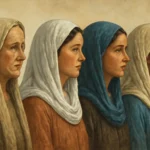
The name does not mean that only men belong to the church. Mennonite Brethren congregations include women and men, children and adults, and people from many ethnic and cultural backgrounds. The wording comes from the movement’s historical language, not from a rule that excludes women from Christian community.
MB churches commonly combine Anabaptist convictions with the language and practices of evangelical Protestantism. They tend to stress the authority of the Bible, conversion or new life in Christ, baptism upon personal confession of faith, active discipleship, and sharing the Christian message with others.
Helpful distinction: “Mennonite” describes a broad family of churches. “Mennonite Brethren” identifies one stream within that family, with its own history, conferences, congregations, and theological emphases.
How Mennonite Brethren churches began
The Mennonite Brethren movement emerged in the Russian Empire during the nineteenth century, especially among Mennonite communities in what is now Ukraine. Many participants came from a background shaped by Mennonite traditions but were influenced by evangelical revival movements and desired a more personal, expressive faith.
These renewal-minded Mennonites emphasized individual conversion, Bible study, prayer meetings, evangelistic preaching, and a visible commitment to following Jesus. They did not necessarily see themselves as abandoning the entire Mennonite inheritance. Instead, they sought to renew it by joining historic Anabaptist beliefs with a more openly evangelical form of church life.
The first Mennonite Brethren churches formed in the 1860s. Political upheaval, military-service policies, economic pressure, and changing conditions in the Russian Empire later contributed to migration. Mennonite Brethren immigrants established communities in North America and other parts of the world, where the movement continued to develop.
Migration also created a network of churches with different languages and cultural experiences. German and Russian influences were important in the early history, while later generations adopted English and other languages. Today, Mennonite Brethren churches can be found in numerous countries and are connected through national conferences and international relationships.
The movement’s history helps explain why MB churches may feel familiar to both Mennonite and evangelical visitors. Their worship and preaching may look similar to other evangelical churches, while their understanding of church membership, peacemaking, mutual accountability, and practical discipleship retains strong Anabaptist influence.
What Mennonite Brethren believe about the Bible and Jesus
Mennonite Brethren churches are centered on Jesus Christ. They teach that Jesus is Lord and Savior, that his death and resurrection are central to salvation, and that Christians are called to trust him and live as his disciples. Worship, preaching, community service, and mission all flow from this focus.
MB churches generally regard the Bible as authoritative for Christian faith and life. Congregations may differ in how they interpret particular passages, but biblical preaching and teaching usually have a prominent place in weekly worship. Members are encouraged to read Scripture, pray, and apply Christian teaching to work, family relationships, money, politics, sexuality, conflict, and service to neighbors.
Salvation is commonly described in personal and relational terms. A person is invited to respond to God’s grace through faith in Christ, repentance, and a changed life. This does not mean Mennonite Brethren believe people earn salvation through good behavior. Rather, good works are understood as the fruit of faith and a practical expression of love for God and others.
Many MB churches also use language such as conversion, being born again, or “following Jesus.” The exact vocabulary varies by congregation, but the underlying emphasis is that Christian identity involves more than family background or participation in religious ceremonies. It includes a personal commitment to Christ within the life of the church.
Why baptism and church membership matter
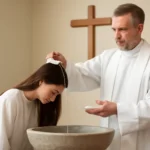
Mennonite Brethren churches typically practice believer’s baptism. Baptism follows a person’s own profession of faith rather than being performed for infants who cannot yet make that profession. The mode may involve immersion or another accepted practice, depending on the congregation and its tradition.
Baptism is usually understood as a public sign of identification with Jesus, participation in the Christian community, and commitment to a new way of life. It does not function as a magical act or as a substitute for faith. Churches often provide instruction or a membership process before baptism so that candidates understand the meaning of the commitment.
Church membership is more than adding a name to a list. In the MB tradition, members are expected to participate in worship, serve others, support the congregation, pursue spiritual growth, and accept some degree of mutual responsibility. Members may also be involved in decisions about church leadership, budgets, mission, and discipline.
Congregations differ in how formal membership is and how much authority members exercise. Some use congregational voting, while others combine member participation with elder or pastoral leadership. In either case, the ideal is a committed community rather than a collection of unrelated individuals who attend occasionally.
How worship usually looks in a Mennonite Brethren church
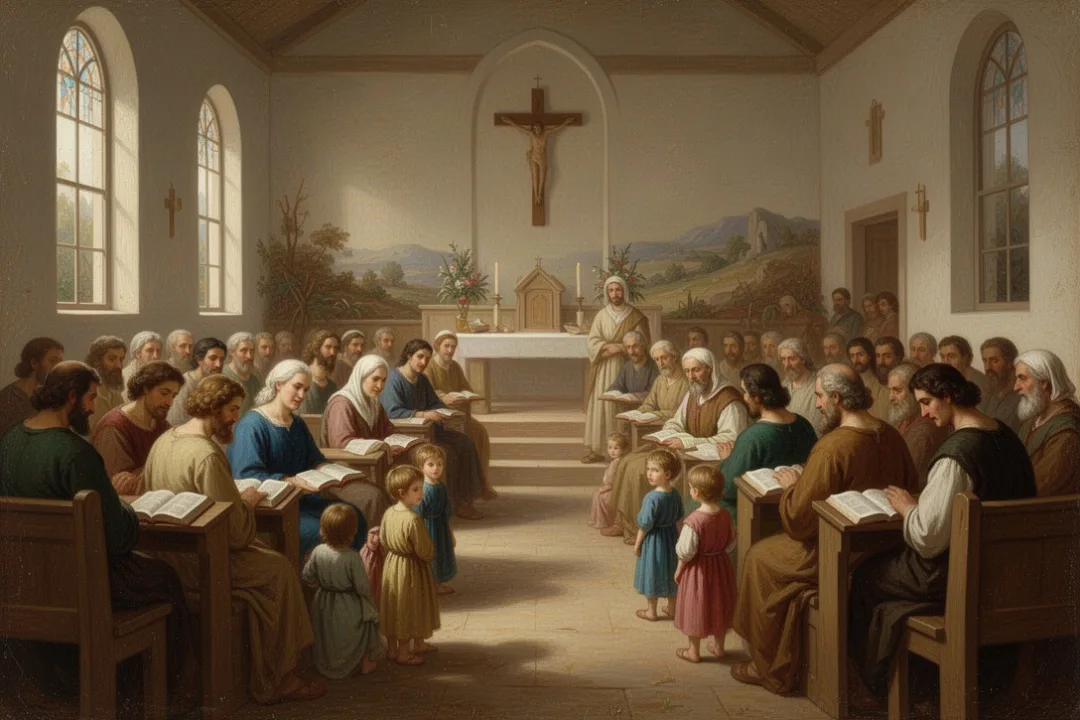
There is no single MB worship style. A congregation may use guitars and contemporary songs, a choir and organ, a blended service, or a relatively simple gathering centered on preaching and congregational singing. The setting might be an urban church building, a suburban campus, a rural congregation, or a multilingual fellowship.
Common elements include prayer, Scripture reading, preaching, singing, baptism, Communion, and opportunities for service or testimony. Expository or Bible-focused preaching is common, although the tone and format vary from one pastor to another. Some churches emphasize extended prayer, while others place more time on music, small groups, or teaching.
Communion, also called the Lord’s Supper, remembers Jesus’ death and expresses the church’s shared identity in him. The frequency and details differ among congregations. Visitors may be invited to participate if they are Christians, or a church may offer specific guidance based on its membership and communion policy.
Children and teenagers may worship with the whole congregation or attend age-specific programs for part of the service. Many churches also have Sunday school, small groups, Bible studies, youth ministries, and activities focused on community outreach.
How Anabaptist values shape everyday life
The Anabaptist tradition places particular weight on putting faith into practice. A Christian confession is expected to affect how people treat neighbors, respond to conflict, use money, raise children, and participate in society. Mennonite Brethren churches often describe discipleship as a whole-life commitment rather than a private set of beliefs.
Peace and reconciliation have an important place in this tradition. Many Mennonite Brethren members have historically held a strong commitment to nonviolence and conscientious objection to military service. However, beliefs and practices can differ among individuals, congregations, and national church bodies. You should ask a particular church how it understands military service, self-defense, policing, and political involvement.
Service is another visible expression of MB identity. Churches may operate or support food programs, refugee ministries, disaster response, counseling, schools, health projects, camps, and international mission work. Service is not regarded merely as public relations. It is commonly understood as a way to demonstrate Christ’s love and seek the good of a community.
Family and community relationships also receive serious attention. Members may be encouraged to resolve disagreements directly, seek counsel from mature Christians, support people in crisis, and practice generosity. These ideals do not mean every congregation handles conflict perfectly. They describe the ethical direction the tradition expects members to pursue.
Faithfulness: following Jesus in ordinary work, family life, and personal decisions.
Reconciliation: addressing conflict with truth, forgiveness, and a desire to restore relationships.
Service: meeting practical needs locally and supporting mission beyond the congregation.
Community: sharing responsibility for worship, care, teaching, and church decisions.
Stewardship: treating money, possessions, time, and abilities as resources entrusted to God.
What Mennonite Brethren usually do not require
People sometimes associate all Mennonites with plain clothing, horse-drawn transportation, restrictions on electricity, or separation from modern society. Those practices exist among some Anabaptist groups, but they do not define Mennonite Brethren churches. Most MB congregations use modern buildings, technology, vehicles, schools, medical care, and communication tools.
There is generally no universal Mennonite Brethren dress code. Members may dress in ordinary contemporary clothing, and styles differ according to age, culture, personal preference, and local expectations. A congregation may encourage modesty, but that is not the same as requiring a particular bonnet, hat, color, or garment.
MB members may work in many occupations, attend colleges and universities, participate in civic life, and live in cities or suburbs. Some congregations are connected to agricultural communities, while others serve highly diverse metropolitan areas. A person’s appearance or technology use cannot reliably tell you whether that person is Mennonite Brethren.
Political participation also varies. Some members emphasize separation from partisan conflict, while others vote, hold public office, or advocate for social issues. The tradition’s historical concern for peace and discipleship may shape political choices, but it does not produce one automatic position on every public question.
How Mennonite Brethren compare with other Mennonite groups
“Mennonite” covers a wide range of churches. Some Mennonite congregations are highly traditional and maintain distinctive clothing or limits on technology. Others look much like evangelical or mainline Protestant churches in worship, education, and community life. Mennonite Brethren churches generally belong toward the evangelical and mission-oriented side of that spectrum.
Compared with many historic Mennonite bodies, MB churches often place greater visible emphasis on personal conversion, evangelistic preaching, church planting, and contemporary worship. Compared with some independent evangelical churches, they may place more emphasis on believer’s church principles, peace, community accountability, and the practical consequences of following Jesus.
The comparison should not be treated as a rigid ranking. Mennonite Brethren churches vary among themselves, and other Mennonite conferences also contain congregations with evangelical worship and strong mission programs. The most reliable way to understand a specific church is to read its statement of faith, attend a service, and speak with its pastor or members.
Mennonite Brethren churches are also distinct from Amish communities. Amish groups generally maintain more visibly separate patterns of dress, transportation, technology, and social organization. Mennonite Brethren churches are usually much more integrated into contemporary American life, even when they share Anabaptist convictions about baptism, community, and peace.
How leadership and church decisions may work
Many MB congregations are led by pastors, elders, deacons, ministry leaders, and elected boards. A pastor may be responsible for preaching, pastoral care, spiritual direction, and staff leadership, while elders help provide theological guidance and congregational oversight.
Churches often belong to a regional or national conference. Conferences can provide credentialing, church planting support, educational resources, mission partnerships, leadership development, and accountability. A local congregation may retain substantial responsibility for its own ministry while cooperating with other MB churches.
Leadership practices are not identical everywhere. Some conferences ordain women for pastoral or elder roles, while others limit certain offices to men based on their interpretation of biblical passages. Congregations may also differ in how they understand the authority of pastors, elders, members, and conference bodies.
If leadership questions matter to you, look for a church’s published statement or ask direct questions. Useful subjects include who may preach, who may serve as an elder, how pastors are selected, how members make decisions, and how the church handles disagreement.
Practical tips for visiting a Mennonite Brethren church
A first visit is usually straightforward. You do not need to arrive with a background in Anabaptist history, and you are not expected to know special customs. Most churches welcome visitors and provide information about children’s programs, small groups, prayer opportunities, and next steps.
Read the church website first. Look for the statement of faith, service times, dress guidance, children’s arrangements, and contact information.
Expect a normal range of clothing. Modest, comfortable clothing is generally appropriate unless the congregation says otherwise.
Arrive early enough to ask questions. A greeter or church office can explain seating, childcare, Communion, and visitor information.
Listen for the main emphases. Notice how the service presents Jesus, Scripture, baptism, discipleship, peace, and service.
Ask about participation. Find out whether guests may receive Communion, join small groups, or attend classes without becoming members.
Speak with more than one person. A pastor can explain official beliefs, while members can describe the congregation’s daily culture.
A few common mistakes can create an inaccurate impression:
Assuming every Mennonite group is Amish: MB churches generally do not follow Amish patterns of dress or technology.
Assuming the name explains every belief: Local congregations may differ on worship, gender roles, politics, and peace theology.
Judging the church only by music: Contemporary or traditional worship does not by itself reveal a congregation’s theology.
Confusing membership with casual attendance: Ask what baptism, membership, and service commitments involve.
Expecting one universal political position: Mennonite Brethren values may influence public engagement without dictating one party or policy.
Best question to ask: “How does your congregation expect members to put the teachings of Jesus into practice?” The answer often reveals more than a label or worship style.
Where Mennonite Brethren churches serve and gather
Mennonite Brethren churches are found in North America and in international communities connected through mission and denominational relationships. In the United States, congregations are especially associated with regions shaped by Mennonite immigration, though MB churches also exist in many other settings.
Some churches serve a single language and culture, while others are multilingual or intentionally multicultural. Congregations may include descendants of European Mennonites as well as immigrants and converts from many backgrounds. International MB communities can have their own customs, leadership structures, and theological priorities while sharing a family resemblance with churches elsewhere.
The movement supports a range of institutions and ministries, including colleges, camps, relief organizations, mission agencies, church-planting networks, and community-service programs. The exact organizations connected with a church depend on its country and conference.
For someone searching for a congregation, the most useful starting points are a national or regional Mennonite Brethren directory, a local church website, or a direct call to a conference office. Confirm service times before visiting, since schedules and meeting locations can change.
Questions to ask when choosing an MB congregation
A church can share the Mennonite Brethren name and still feel quite different from another MB congregation. Your experience will depend on preaching, leadership, worship, children’s ministry, local culture, and the way members treat one another.
What does the church teach about baptism, church membership, and Communion?
How does the congregation understand peace, military service, self-defense, and political participation?
Who may serve as pastor, elder, deacon, or ministry leader?
How are disagreements, discipline, and allegations of misconduct handled?
What support is available for children, teenagers, older adults, and people in crisis?
Which local and international ministries does the church support?
What would regular participation involve beyond attending Sunday worship?
Pay attention not only to official statements but also to lived behavior. A healthy congregation should be able to explain its beliefs clearly, acknowledge areas of disagreement, protect vulnerable people, and make room for honest questions. Its members should show a meaningful connection between worship and the way they treat neighbors.
Why the Mennonite Brethren identity still matters
The Mennonite Brethren identity brings together several commitments that are not always held together in the same way elsewhere: evangelical faith, believer’s baptism, active church membership, practical discipleship, peace concerns, and mission. The movement’s history also reminds members that church renewal can emerge from within an established tradition.
For some people, the appeal is a church that teaches the Bible clearly while treating faith as a shared way of life. For others, it is the connection between Christian belief and service, reconciliation, hospitality, or international mission. Still others value the movement’s willingness to engage contemporary society without giving up its Anabaptist heritage.
No short description can capture every MB church. The label gives you a useful starting point, but the local congregation supplies the details. Its statement of faith, preaching, membership expectations, leadership practices, and treatment of people will show what Mennonite Brethren means in that particular place.
Frequently asked questions
Are Mennonite Brethren the same as Amish?
No. Mennonite Brethren are part of the broader Anabaptist family, but their churches are generally modern evangelical congregations. Most use contemporary technology, vehicles, formal education, and ordinary clothing. Amish communities have distinctive rules and social practices that Mennonite Brethren churches generally do not share.
Can someone visit a Mennonite Brethren church without being Mennonite?
Yes. Visitors do not usually need a Mennonite background. You can attend worship, ask questions, and learn about the congregation before deciding whether to participate more fully. Policies about Communion, baptism, children’s programs, and membership differ, so ask a greeter or pastor for local guidance.
Do Mennonite Brethren believe in pacifism?
Peace and reconciliation are important Anabaptist themes, and many Mennonite Brethren members have supported conscientious objection to military service. However, churches and individuals may differ on pacifism, self-defense, policing, and political involvement. The position of a particular congregation should be confirmed through its statement of faith or leadership.
Do Mennonite Brethren churches allow women to be pastors?
Practices differ by conference and congregation. Some MB churches ordain women and include them in pastoral or elder leadership, while others reserve certain offices for men based on their interpretation of Scripture. A church’s website, leadership page, or pastor can explain its current policy more accurately than the denomination’s name alone.


Leave a Reply