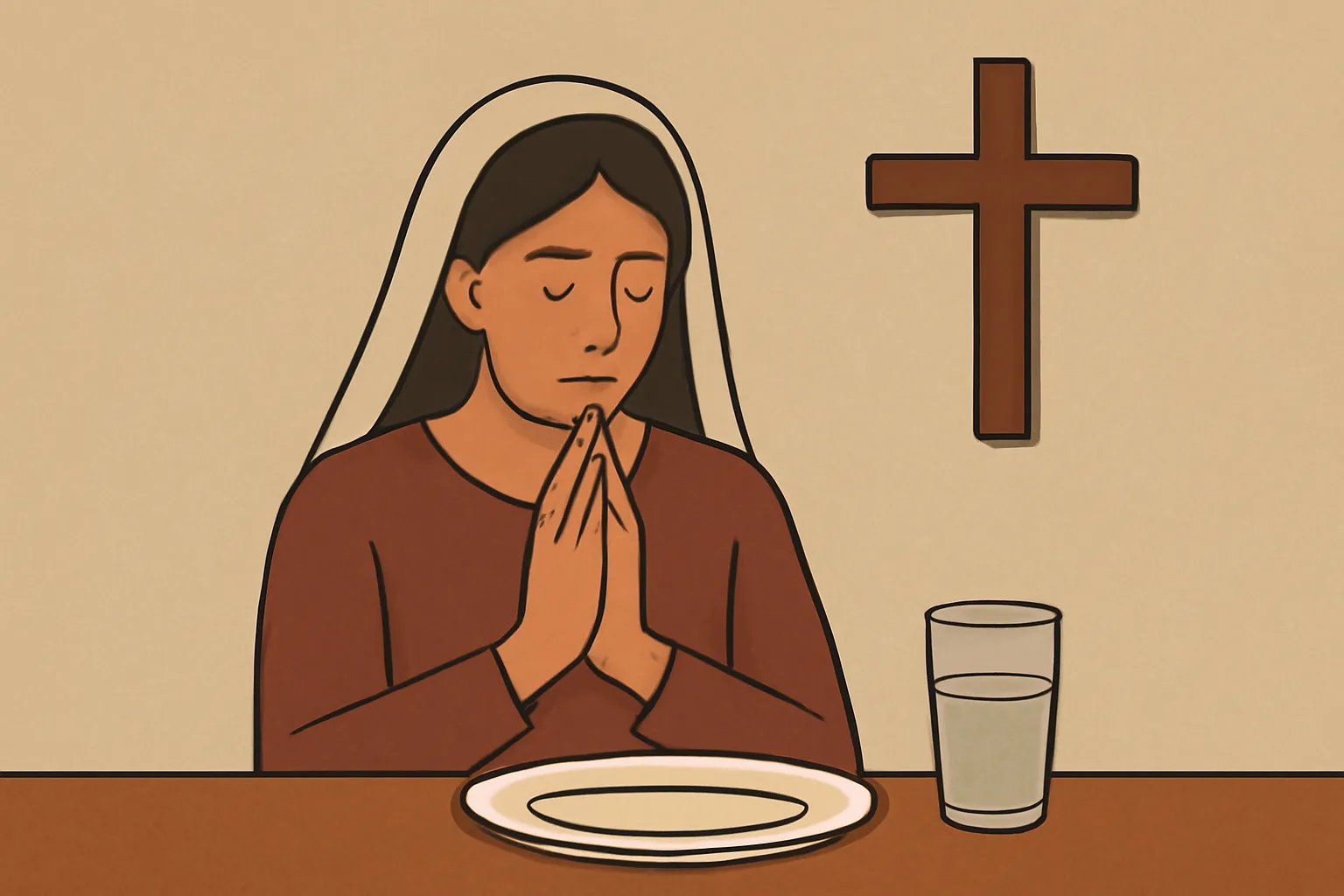
Are Christians supposed to fast? is a question that has echoed through church history in every era. The simplest Bible answers are nuanced. The New Testament does not present fasting as a legal requirement, but as a spiritual discipline that can deepen prayer, sharpen conscience, and direct focus toward God. In many Christian traditions, fasting is embraced as a voluntary practice—a way to express repentance, seek guidance, or intercede for others. At the same time, the Bible warns against fasting as a performance meant to impress others. Thus, the question is fasting required for Christians? is better framed as what role does fasting play in Christian discipleship?
Throughout this article, we will explore biblical guidance about fasting, trace its presence from the Old Testament into the New Testament, describe practical ways it has been observed by believers, and examine the spiritual benefits that many Christians seek when they fast. We will use variations of the phrase “Are Christians supposed to fast?” to capture the broad conversation: Should Christians fast?What does fasting look like for a disciple of Jesus? and How can fasting serve a faithful life of prayer? The aim is to provide a clear, well-rounded understanding that helps individuals and churches approach fasting with wisdom and humility.
Biblical Guidance on Fasting
The Bible presents fasting in several contexts: as a form of humility before God, as a means of seeking divine guidance, and as part of communal repentance or intercession. Its portrayal in Scripture emphasizes motivation and heart posture more than a rigid ritual. In other words, the attitude behind fasting matters more than the act alone.
Old Testament Foundations
In the Old Testament, fasting is often connected to mourning, repentance, and seeking God in times of crisis. Some key themes include:
Repentance before a holy God when the people sinned or faced judgment (for example, when Nineveh repented after a word from the prophet, though the book of Jonah emphasizes divine mercy rather than a formal ritual).
Guidance and decision-making during moments of crisis or discernment (leaders and people sought God’s direction through fasting and prayer).
Mourning and lament in seasons of national sorrow or personal distress.
Purity and devotion as they prepared for pivotal tasks or ceremonial moments.
Examples from Scripture include Moses fasting for an extended period on Mount Sinai, Elijah’s desert fast in the wake of prophetic confrontation, and Esther urging the people to fast for deliverance at a time of danger. While the details differ, the common thread is a reliance on God and an expression of urgent longing for God’s intervention.
New Testament Teachings
In the New Testament, fasting is affirmed as a legitimate practice for believers, but Jesus warns against making it a public spectacle. Notable teachings include:
Jesus’ guidance on motive in Matthew 6:16-18: when you fast, do not look somber or performative; fast with a joyful, genuine heart, and your Father who sees in secret will reward you.
Jesus’ example as he fasted for forty days in the wilderness (Luke 4:1-2), modeling dependence on the Father in a moment of testing before beginning his public ministry.
Apostolic practice in Acts indicates that early Christians fasted in conjunction with prayer and discernment (e.g., Acts 13:2-3; 14:23), often before commissioning leaders or making significant ministry decisions.
Spiritual warfare and intercession at times, fasting accompanied prayer for deliverance and God’s intervention in challenging circumstances.
The New Testament does not prescribe a universal rule that all Christians must fast at specific times. Rather, it presents fasting as a flexible discipline that can accompany prayer, worship, repentance, and seeking God’s will. When believers fast, the focus is on drawing near to God, aligning desires with God’s will, and expressing dependence on divine strength rather than on personal effort alone.
Types of Fasting and How They Are Practiced
Throughout church history, Christians have used a variety of fasting practices. These approaches differ in duration, dietary restrictions, and purpose, but they share a common goal: to prioritize God, tune the heart toward prayer, and cultivate spiritual sensitivity.
Absolute vs. Partial Fasts
Absolute fasting (water only) for a defined period is rare and should be approached with caution, especially in modern settings where health, safety, and medical conditions must be considered.
Partial fasts (restrictions on certain foods, meals, or activities) are more common and sustainable for many believers. Daniel’s fast, where he refrained from delicate foods and drank water, is a well-known example in scripture—and it serves as a pattern for structured, time-bound practice rather than a blanket rule.
Spiritual fasts with minimal diet changes can still accomplish the aim of prioritizing God in daily life, such as reducing distractions, media consumption, or other habitual patterns that compete for attention.
Individual vs. Corporate Fasting
Individual fasting is common for personal repentance, seeking God’s direction, or interceding for private concerns.
Corporate or church-wide fasting often accompanies a season of prayer, mission emphasis, or community repentance. It is typically paired with corporate prayer and may be led by church leadership, but participation remains voluntary and sensitive to individual capacity.
Timing and Duration
Fasts can last from a single day to several days, depending on health, circumstances, and spiritual purpose.
Some followers opt for a prolonged period (weeks, or a season) anchored in prayer and Scripture reading, with careful attention to physical well-being and accountability.
What Fasting Is Not
Fasting is not a magic formula that guarantees God’s favor or answers; it is a practice that aligns the heart toward humility and dependence on God.
Fasting is not a tool for self-promotional piety or public display; the point is a sincere relationship with God, not earning spiritual brownie points.
Practices, Guidelines, and Healthy Application
For many Christians, the question “Are Christians supposed to fast?” leads to practical questions about how to fast today. Here are some guidelines that have helped believers approach fasting with integrity and care:
Set a clear purpose. Know why you are fasting—perhaps for spiritual clarity, for a specific breakthrough, for repentance, or for intercession.
Pray with Scripture. Pair fasting with focused prayer and reading of God’s Word to shape your intentions and strengthen faith.
Be honest about health and limits. Do not fast if you are pregnant, chronically ill, diabetic, or under medical care that requires regular meals. Seek counsel from a health professional if you have concerns.
Plan the fast. Decide the type (partial, time-limited, or discipline-based), the duration, and the meals or activities to abstain from.
Break the fast gently. After the fast, reintroduce foods gradually to avoid physical strain, and celebrate the reunion with nourishment and reflection.
Maintain humility in motive. Avoid drawing attention to yourself; let the practice refine your heart rather than attract admiration from others.
Combine with community. When appropriate, fast with others for communal discernment or mission, while respecting individual differences in capacity and conviction.
Assess and adapt. After a fast, review what you learned, how your prayer shaped your decisions, and how your spiritual life was influenced.
Spiritual Benefits and Transformative Effects
Fasting is most meaningful when it leads to spiritual growth rather than mere ritual compliance. While experiences vary, many Christians report a range of spiritual benefits when fasting is undertaken with sincerity and dependency on God.
Enhanced prayer and focus. Reducing distractions can heighten attention to God, scripture, and the needs of others.
Humility and repentance. A physical act of restraint can mirror the heart’s posture before God, fostering contrition and openness to change.
Discernment and direction. In times of decision, fasting is often paired with seeking God’s will, which can clarify priorities and paths forward.
Spiritual sensitivity. Some believers experience a heightened awareness of spiritual truth, worship, and the needs of the world around them.
endurance and self-control. Fasting helps cultivate self-discipline that can spill over into other areas of life, such as temptations or anxieties.
Compassion and intercession. Fasting frequently accompanies concerns for the vulnerable, the marginalized, or global crises, strengthening intercessory prayer.
It is important to recognize that the fruit of fasting is not guaranteed in every instance or every person. Some may experience profound insights and a refreshed relationship with God, while others may find it challenging or discouraging. In all cases, the practice invites ongoing trust in God and a willingness to respond with faithfulness, regardless of immediate outcomes.
Common Questions and Clarifications
Below are frequently asked questions that often surface in discussions about Christian fasting. The aim is to provide balanced, Scripture-informed responses that reflect the breadth of Christian teaching.
Is fasting mandatory for Christians?
No. There is no universal requirement in Scripture obligating all Christians to fast at a fixed frequency or duration. The Bible presents fasting as a voluntary discipline used to deepen prayer, repentance, and dependence on God. The emphasis is on why you fast and how you fast, not a checkbox to be ticked.
Do you have to fast for a long time?
No. Fasts come in many lengths, and the duration should fit the individual’s health, circumstances, and spiritual aims. Short, regular practices can be meaningful; longer fasts may be appropriate for particular seasons of intercession or guidance, always undertaken with prudence and, if needed, medical advice.
What about health and safety?
Health considerations are essential. Fasting is not wise for everyone in every season. People with medical conditions, pregnant or nursing mothers, the elderly, and those taking certain medications should consult healthcare professionals before undertaking extended fasts. Pri or preparation should prioritize safety and well-being.
How should a believer break a fast?
Breaking the fast thoughtfully is a discipline in itself. A gentle reintroduction of food, mindful nourishment, and a time of gratitude or reflection often accompany the transition. Gratitude and prayer accompany the breaking of the fast to honor God’s provision and to ground renewed energy and purpose in prayer.
How does fasting relate to other spiritual disciplines?
Fasting is frequently paired with prayer, worship, reading Scripture, confession, and acts of service. It is most fruitful when integrated with these other practices, creating a holistic pattern of spiritual formation rather than a standalone ritual.
Can anyone fast, or are there different expectations by tradition?
Different Christian traditions emphasize fasting in distinctive ways. Some communities observe regular seasons of fasting (e.g., during Lent), while others emphasize personal, ongoing disciplines. Regardless of tradition, the core biblical aim remains: to seek God’s face, align with His will, and show devotion through disciplined, sincere practice.
Historical and Theological Context
The practice of fasting has deep roots in Christian history. From the early church to the Reformers and into modern times, believers have used fasting as a way to respond to spiritual urgency—whether in prayer for revival, mission, or community solidarity. The question “Are Christians supposed to fast?” therefore opens a window into Christian anthropology (what it means to be human before God), ecclesiology (the church as the body of Christ), and eschatology (the sense of longing for God’s Kingdom).
Theologically, fasting reflects dependence on God rather than on personal strength. It is an outward expression of an inward posture: we acknowledge that life does not depend on bread alone but on every word that comes from the mouth of God (paraphrasing Matthew 4:4). The practice becomes a means of aligning human will with divine will, a way of saying, Lord, I need you more than I need food.
Fasting in Practice Across Traditions
In some traditions, Lent is observed as a time of intentional fasting and repentance, culminating in Easter remembrance.
In others, fasting is integrated into weekly rhythms, mission weeks, or seasons of intercession for city or nation.
Some communities focus on public repentance and social concern, fasting alongside acts of mercy and social justice.
Practical Guidance for Today
If you are considering fasting in your own life or leading a fasting-focused season in your church, here are practical steps to approach the journey well:
Clarify intent. Write down the purpose of your fast and the prayers you want to offer. This helps maintain focus when motivation wanes.
Choose a form. Pick a fasting pattern that fits your health and daily responsibilities—partial fasts, time-restricted eating, or specific activity abstinence (for example, social media or entertainment).
Establish accountability. Consider a trusted friend or mentor who can encourage you, pray with you, and remind you of the intended purpose if you drift into performance or pride.
Pair with Scripture. Use a plan that includes regular Bible study and reflective prayer to cultivate spiritual depth during the fast.
Prepare emotionally and physically. Anticipate moments of weakness or frustration, and plan healthy ways to cope without turning to overeating or unhealthy substitutes.
Reflect and journal. Document insights, prayer topics, and any ways God speaks to you. Journaling can help sustain spiritual momentum beyond the fast itself.
For families and communities, consider a shared time of fasting that includes communal prayer, worship, and service opportunities. Even in a corporate setting, it remains essential to honor individual conscience and difference; not everyone will or should participate in exactly the same ways.
Conclusion: Integrating Fasting into a Gilmore Life of Faith
The question “Are Christians supposed to fast?” invites a careful, biblically grounded answer: fasting is not a mandatory obligation, but a meaningful spiritual discipline that can enrich prayer, cultivate dependence on God, and align a believer’s heart with God’s purposes. From the earliest chapters of Scripture to the teachings of Jesus and the experiences of the early Church, fasting appears as a humble response to the realities of life in a fallen world—an opportunity to seek God more earnestly, to care for others more deeply, and to bear witness to the sufficiency of God’s grace.
Whether you ask what should Christians do about fasting in the modern era? or how might fasting shape discipleship today?, the Bible points toward a posture of genuine faith more than a prescribed method. If you’re considering engaging in fasting, begin with a thoughtful plan, a right heart, and a prayerful dependence on God. In doing so, you may discover that the path of fasting is less about the scarcity of food and more about the fullness of life found in communion with Christ.

 Por Laura Jara